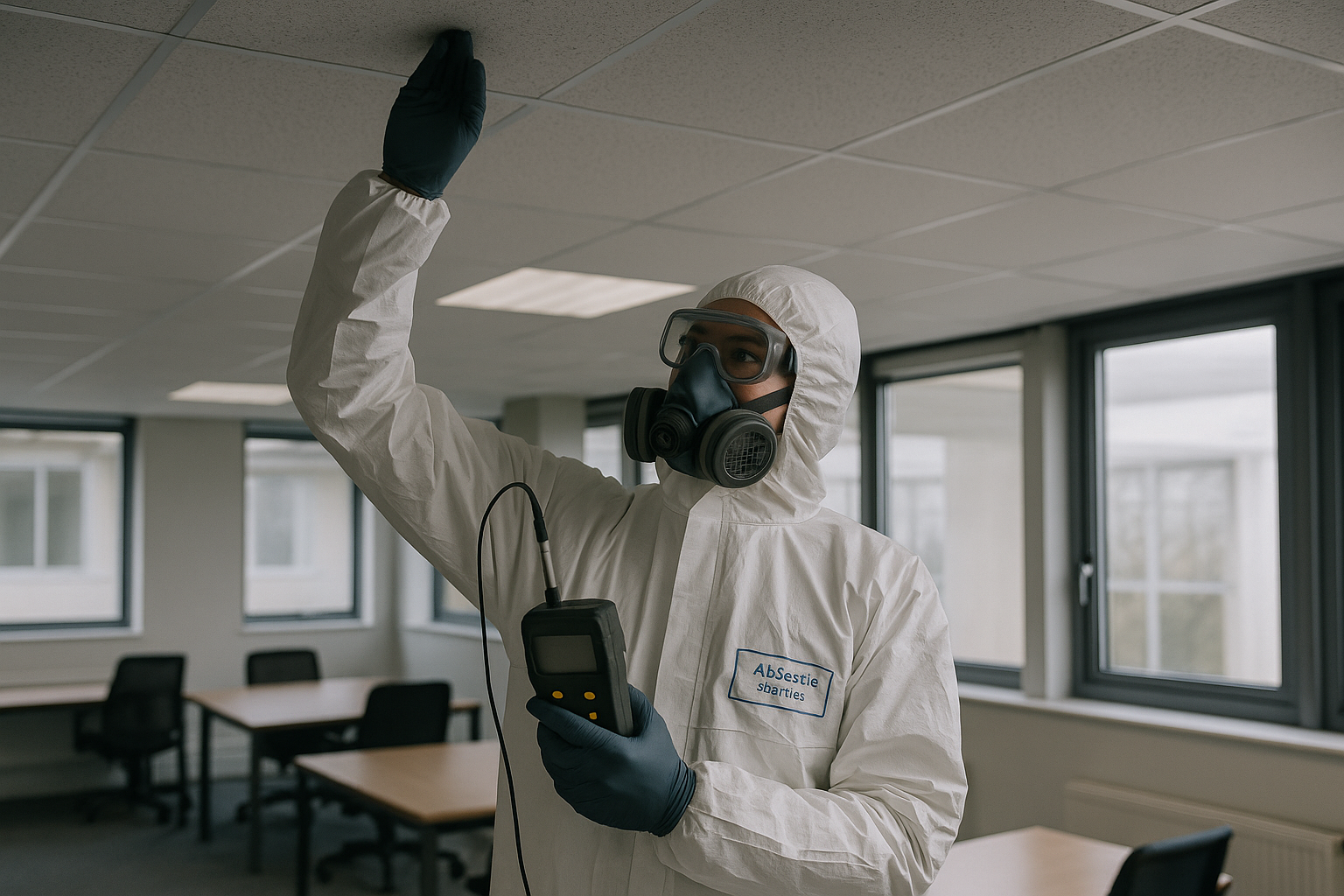
Budgeting asbestos work on a commercial property is where small assumptions turn into expensive problems. An asbestos removal cost calculator can give you a useful starting point, but only if the figures are based on the right survey information, realistic site conditions and a clear understanding of what actually drives removal costs.
For property managers, landlords, facilities teams and commercial duty holders, speed matters. So does accuracy. If you are planning maintenance, strip-out, lease-end works or redevelopment, a calculator can help you forecast spend early, compare options and avoid being blindsided by access issues, waste charges or licensed work requirements.
What it cannot do is replace a proper inspection. A calculator is an early budgeting tool, not a substitute for a survey, sampling, a plan of work or a formal quotation from a competent contractor.
How an asbestos removal cost calculator should be used
An asbestos removal cost calculator works best at the planning stage. It helps you estimate likely costs before tendering, set provisional budgets and decide whether removal now, encapsulation or phased works make more commercial sense.
Used properly, it can support decisions such as:
- whether a project is financially viable before refurbishment starts
- whether different areas of a building should be dealt with in phases
- whether access constraints are likely to push costs up
- whether reinstatement needs to be budgeted separately
- whether a survey is needed before contractors can price accurately
Used badly, it creates false confidence. If you do not know the material type, condition, extent or access arrangements, the output is only a broad estimate.
What a calculator can tell you
- A rough cost range for known asbestos-containing materials
- The likely effect of high-risk versus lower-risk products
- How access, waste volume and working hours may affect the budget
- Whether a small job may become a larger project once controls are added
What a calculator cannot tell you
- Whether a material actually contains asbestos
- Whether the work is licensed, notifiable non-licensed or non-licensed
- Whether hidden asbestos is present behind finishes or within plant
- Whether air monitoring or clearance will be required
- The final contract sum for your exact site
That is why survey data matters. If you are managing an occupied building, a management survey is usually the starting point for identifying asbestos-containing materials that could be disturbed during normal occupation, maintenance or minor works.
What information you need before using an asbestos removal cost calculator
The more accurate the inputs, the more useful the estimate. Commercial asbestos work is not priced on square metres alone, and two apparently similar jobs can differ sharply in cost once the site realities are understood.
Before relying on an asbestos removal cost calculator, gather as much of the following as possible:
- Material type – asbestos cement, textured coating, floor tiles, insulating board, lagging, gaskets, rope seals or sprayed coatings
- Condition – intact, sealed, weathered, cracked, delaminated or damaged
- Extent – area, linear metres, number of items or estimated waste volume
- Location – roof, plant room, riser, void, basement, service duct or occupied office space
- Access – confined space, high-level work, scaffold requirement, out-of-hours access or restricted loading area
- Building use – office, retail, industrial, education, healthcare or mixed-use premises
- Occupancy constraints – tenants, staff, customers, production lines or sensitive equipment nearby
- Project type – maintenance, refurbishment, strip-out, demolition or emergency damage response
- Waste handling needs – bagged waste, wrapped sheets, skip access, carrying distances and disposal logistics
- Follow-on works – whether making good, replacement materials or reinstatement are included
If refurbishment or structural alteration is planned, a pre-demolition or refurbishment inspection is essential. For intrusive works, hidden asbestos is often the issue that breaks the budget, which is why a demolition survey is needed before major works begin.
Why asbestos still affects commercial properties
Many commercial buildings in the UK still contain asbestos in some form. It was widely used because it resists heat, fire and chemicals, and it appears in everything from insulation products to cement sheets and service riser linings.
Under the Control of Asbestos Regulations, duty holders for non-domestic premises must manage asbestos risk. That means identifying asbestos-containing materials where reasonably practicable, keeping records, assessing risk and ensuring anyone liable to disturb asbestos has the right information.
Survey work and reporting should align with HSG264, and removal planning should follow relevant HSE guidance. For a property manager, the practical message is simple: no one should be drilling, stripping out, removing plant or demolishing areas until the asbestos position is known.
Common places asbestos is found in commercial buildings
- Boiler insulation and flues
- Pipe lagging and thermal insulation
- Asbestos insulating board panels
- Ceiling tiles, soffits and partitions
- Textured coatings
- Floor tiles and bitumen adhesives
- Cement roofing sheets and wall cladding
- Plant rooms, ducts, risers and service voids
- Fire doors, panels and backing boards
- Gaskets, rope seals and older plant components
Why condition matters
Asbestos is most dangerous when fibres are released and inhaled. Intact, well-managed materials can sometimes remain in place safely, but once they are damaged, deteriorating or likely to be disturbed, the risk changes and so does the cost of dealing with them.
Friable materials such as lagging or damaged insulating board generally need more stringent controls than bonded cement products. That difference is one of the biggest reasons estimates from an asbestos removal cost calculator can vary so widely.
Main factors that affect asbestos removal costs
If you want realistic budgeting, focus on the cost drivers rather than a single headline rate. In commercial settings, these are the issues that usually make the biggest difference.
1. Type of asbestos-containing material
Higher-risk materials cost more to remove because they often require tighter controls, specialist labour, more extensive containment and additional cleaning or clearance arrangements. Pipe lagging, loose insulation and some insulating board work are generally more expensive than cement sheets or floor tiles.
2. Licensed or non-licensed work
Some tasks involve controls and notification requirements that increase labour time, equipment needs and programme complexity. If a calculator assumes a lower-risk category when the actual work needs more stringent controls, the estimate will be too low.
3. Condition of the material
Cracked, weathered or damaged asbestos usually takes longer to remove safely. Fragile materials may need more careful handling, more packaging and more cleaning, all of which add cost.
4. Quantity and extent
More material usually means more labour and more waste, but scale does not always reduce the unit rate. A small amount of asbestos in a difficult location can cost more than a larger amount in an open, accessible area.
5. Access and logistics
Commercial buildings often create practical problems that calculators cannot fully capture. High-level roofs, basements, service risers, confined spaces, limited loading bays and occupied trading areas all affect price.
Ask early whether the work may need:
- scaffolding or mobile access equipment
- temporary power or welfare arrangements
- out-of-hours working
- segregation from staff or the public
- lift protection or controlled routes through the building
- traffic management for waste removal
6. Occupancy and business continuity
Works in live commercial environments are rarely straightforward. If you need phasing, night shifts, weekend attendance or temporary closures to protect tenants and staff, the budget will increase.
That does not mean the work is overpriced. It means the contractor is pricing the controls needed to keep your site operating safely.
7. Waste packaging, transport and disposal
Asbestos waste costs are often underestimated. Packaging, labelling, transport by a registered waste carrier, consignment paperwork and disposal at an authorised facility all need to be included.
8. Air monitoring and clearance
Some projects require reassurance testing, background monitoring or formal clearance arrangements depending on the scope of work. If these are not included in the estimate, you may be comparing incomplete quotes.
9. Reinstatement and making good
Removal and reinstatement are not the same thing. If ceiling panels, wall linings, duct panels or roof sheets are removed, ask whether the quote includes replacement materials and follow-on trades.
10. Regional pricing
Labour, access conditions and logistics vary by location. A city-centre site with restricted parking and limited loading access may cost more than a similar job on an open industrial estate. Local survey knowledge helps refine early budgets, whether you need an asbestos survey London, an asbestos survey Manchester or an asbestos survey Birmingham.
Typical commercial scenarios and how costs vary
An asbestos removal cost calculator is most useful when you understand the type of project you are pricing. Commercial jobs tend to fall into a few common patterns.
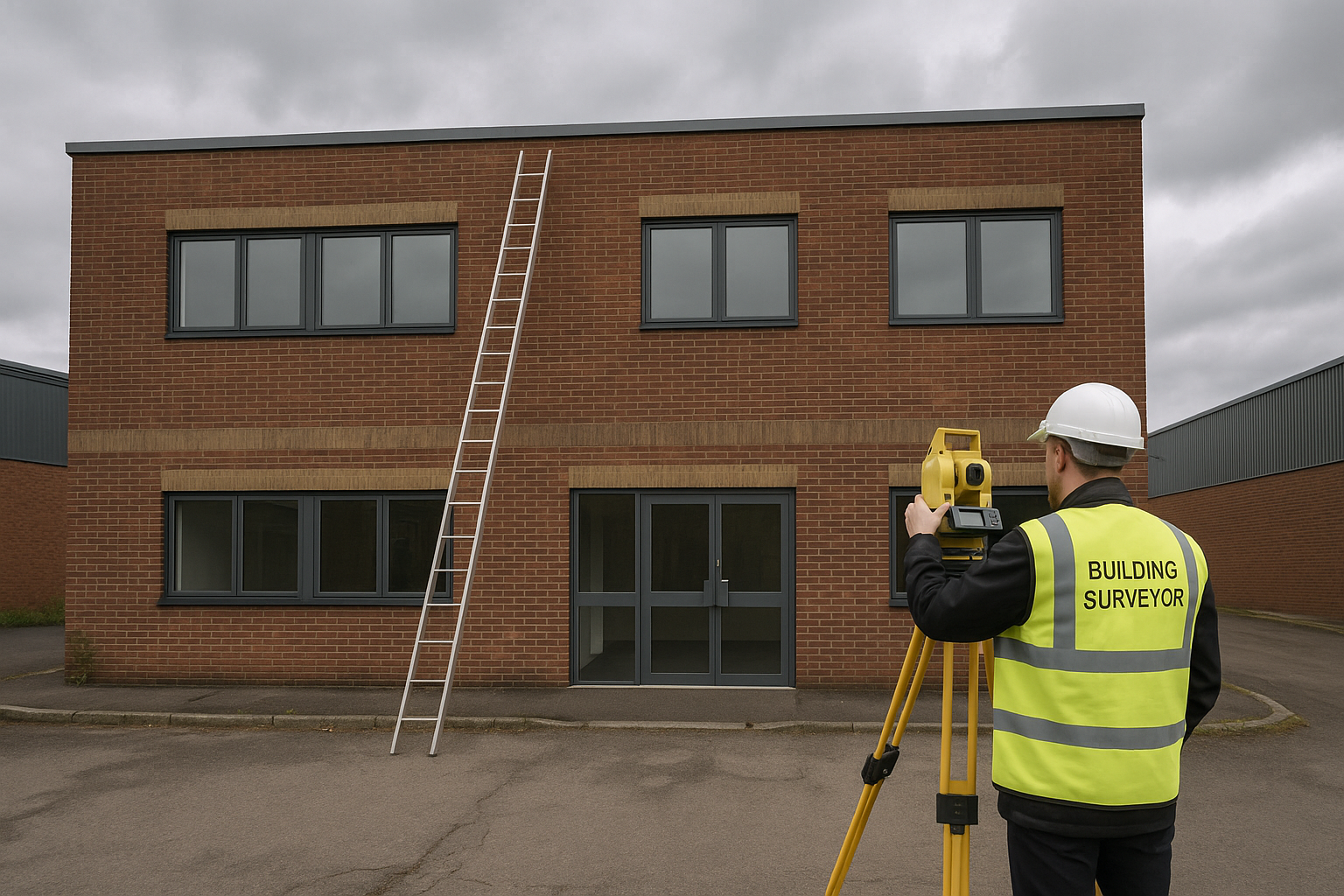
Garage roofs, depot roofs and external cement sheets
Older garages, storage compounds, depots and lock-up units often have asbestos cement roofs or wall panels. These are generally lower risk than friable insulation products, but they still need careful removal, packaging and lawful disposal.
Costs depend on:
- roof size and number of sheets
- sheet condition and breakage risk
- height and access equipment required
- edge protection or traffic management needs
- whether replacement roofing is included
Practical tip: ask for removal and reinstatement as separate line items. It makes quotes easier to compare and avoids confusion over what is actually included.
Boilers, flues and plant rooms
Older plant can contain asbestos insulation, gaskets, rope seals, debris or flue components. These jobs often cost more because the work area is cramped, services may need isolating and the materials can be more friable.
If your budget is based on a simple calculator estimate, confirm whether the price assumes:
- boiler removal as well as asbestos removal
- access through occupied areas
- service isolation by others
- waste routes through the building
- cleaning and clearance before reoccupation
Office refurbishments and strip-out projects
Suspended ceilings, partition walls, risers, floor coverings and service ducts can all conceal asbestos. The risk here is not only the material you know about, but the material you have not yet found.
Where a project involves intrusive works, relying on an asbestos removal cost calculator without the right survey can lead to delays, change orders and contractor downtime.
Retail and mixed-use premises
Retail sites often need strict phasing to avoid disruption to trading. Segregation, night work, limited loading windows and public protection measures can all alter the final price.
How to compare quotes properly
Commercial clients often request several prices, which is sensible. The problem is that asbestos quotes are only comparable when the scope, controls and exclusions are clear.
When reviewing quotations, check these points:
- Scope – exactly what material is being removed, and what remains in place?
- Survey basis – what information was the quote based on?
- Access assumptions – does the price assume normal working hours, easy access and clear waste routes?
- Waste – are packaging, transport and disposal included?
- Air testing or clearance – included, excluded or not applicable?
- Reinstatement – included or excluded?
- Programme – how long will the work take and what site restrictions apply?
- Documentation – what records will you receive for your asbestos register and compliance file?
If one contractor is much cheaper, ask why. A lower figure may simply mean part of the process has been excluded.
Ways to reduce asbestos removal costs without cutting corners
There are sensible ways to reduce cost. They nearly always come from better planning rather than cheaper compliance.
Use the right survey data
Unknowns create contingency. The clearer the survey information, the less likely contractors are to price for worst-case assumptions.
Separate urgent work from longer-term management
Not every asbestos-containing material needs immediate removal. If stable materials can be managed safely in place, you may be able to prioritise higher-risk items first and spread expenditure more effectively.
Consider phasing on larger estates
For portfolios, a phased programme can reduce repeated mobilisation and allow access equipment, welfare set-up and contractor attendance to be used more efficiently.
Coordinate asbestos work with other projects
If roofing, M&E replacement or strip-out works are already planned, combining activities can reduce duplicated access costs and shorten programme delays.
Allow realistic scheduling
Urgent work often costs more. Where possible, give contractors enough time to plan properly and avoid premium pricing for compressed programmes.
Check whether encapsulation is suitable
Removal is not always the only option. For some stable materials, encapsulation and management may be more proportionate. That decision should be based on risk, future disturbance and HSE-aligned management principles, not guesswork.
What should never be cut:
- survey quality
- competence checks
- waste compliance
- site controls
- required monitoring or clearance
- record keeping for the asbestos register
What the asbestos removal process usually looks like
If you understand the sequence of work, you can spot gaps in a quotation quickly. Most commercial projects follow a structure similar to this:
- Survey and identification – materials are located, assessed and sampled where appropriate.
- Scope definition – the exact removal requirement is agreed.
- Risk assessment and plan of work – methods, controls, PPE, waste arrangements and site logistics are set out.
- Site preparation – work areas are segregated and access controls are put in place.
- Removal – asbestos-containing materials are removed using suitable methods.
- Packaging and transport – waste is labelled, packaged and taken to an authorised facility.
- Cleaning and any required clearance – the area is cleaned and, where needed, checked before reoccupation.
- Documentation handover – records are provided for compliance and building management files.
If you need a contractor to carry out the works themselves, make sure the service includes compliant asbestos removal rather than assuming survey and removal are part of the same package.
When a calculator is useful and when you need a professional quote
An asbestos removal cost calculator is useful when you need a fast budget estimate for business planning, option appraisal or early-stage project forecasting. It is especially helpful when deciding whether to proceed with a lease event, refurbishment or disposal strategy.
You should move beyond a calculator and request a formal quote when:
- the material type is confirmed
- you have survey drawings or marked-up plans
- access restrictions are known
- the building is occupied
- there are programme deadlines
- you need contractor responsibility clearly defined
As a rule, the larger or more intrusive the project, the less you should rely on a generic estimate alone.
Practical checklist for commercial property managers
Before approving any asbestos budget, run through this list:
- Do we have the right survey for the planned works?
- Is the asbestos register up to date?
- Have all likely asbestos-containing materials been identified?
- Does the estimate include waste disposal?
- Have access and occupancy constraints been priced in?
- Is reinstatement included or excluded?
- Do we need phasing to protect trading or operations?
- Will the works affect tenants, staff or neighbouring occupiers?
- Have we allowed for hidden asbestos during intrusive works?
- Will the final documents support our compliance records?
Those questions matter more than any single online figure. A good asbestos removal cost calculator helps with planning, but proper surveys and clear quotations are what protect your budget.
Frequently Asked Questions
How accurate is an asbestos removal cost calculator?
An asbestos removal cost calculator is only as accurate as the information entered. It can be useful for early budgeting, but it cannot replace a survey, sampling or a formal contractor quotation based on your exact site conditions.
Can I use an asbestos removal cost calculator for refurbishment projects?
Yes, but only as a rough planning tool. If refurbishment is intrusive, hidden asbestos may be present, so you should rely on the correct survey information before setting a final budget or appointing contractors.
Does asbestos removal pricing usually include waste disposal?
Not always. Some quotes include packaging, transport and disposal, while others list disposal separately. Always check whether hazardous waste handling and consignment paperwork are part of the price.
Is removing asbestos always cheaper than managing it in place?
No. If asbestos-containing materials are in good condition and unlikely to be disturbed, management in place may be more proportionate. The right option depends on risk, condition, location and future building plans.
What is the first step before getting asbestos removal prices?
The first step is usually to confirm what materials are present through the appropriate survey. Once the asbestos is identified properly, contractors can price the work far more accurately.
If you need reliable budgeting, fast survey support or a formal quotation for commercial asbestos work, Supernova Asbestos Surveys can help. We provide surveys, sampling and removal support across the UK, with practical advice for occupied sites, refurbishments and redevelopment projects. Call 020 4586 0680 or visit asbestos-surveys.org.uk to arrange expert help.