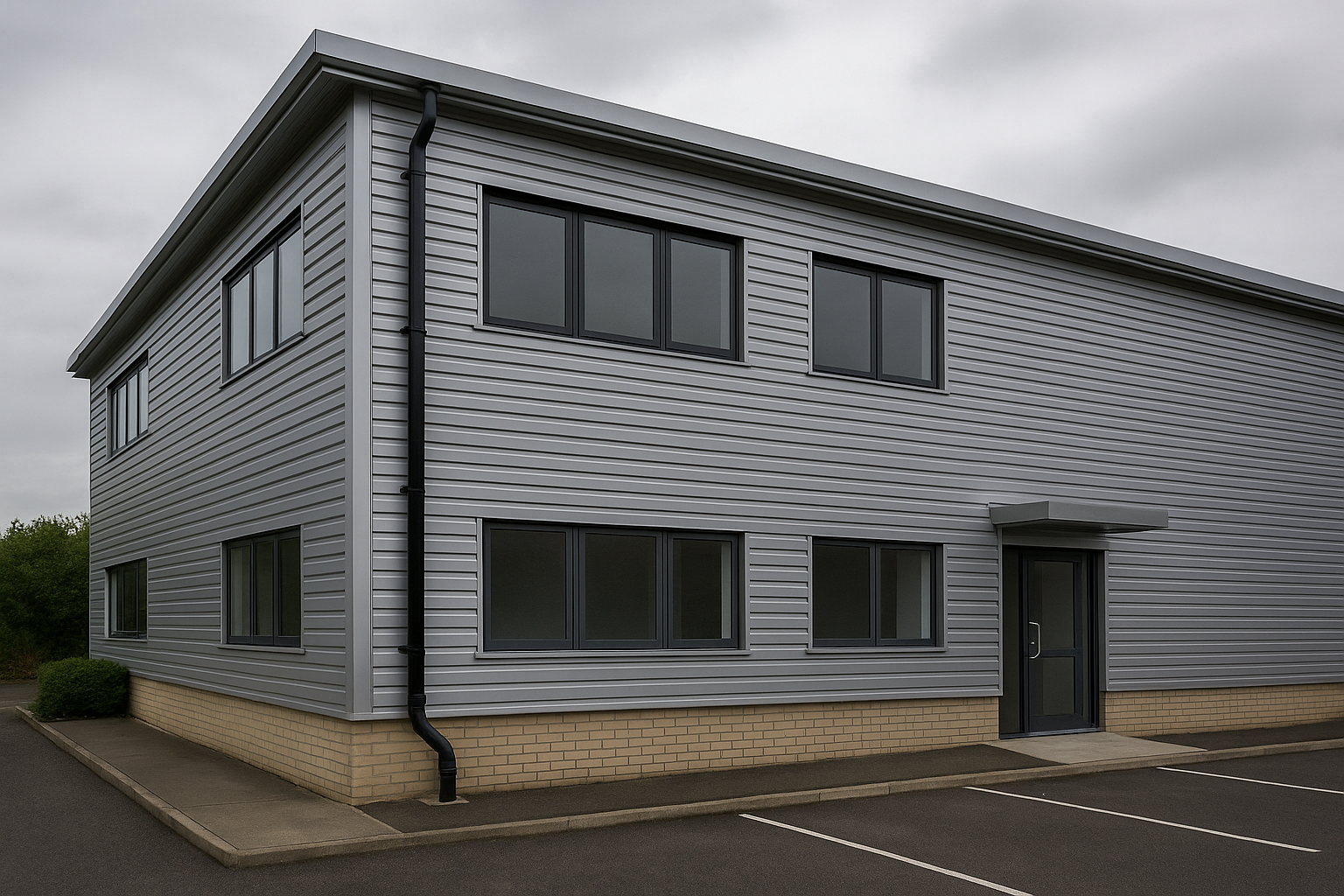
One damaged stack in the wrong place can turn a routine maintenance job into a compliance headache. For commercial property managers, the real question is rarely just whether a pipe contains asbestos. It is what the asbestos soil pipe removal cost will be once surveys, access equipment, labour, waste handling and programme constraints are properly priced.
Old asbestos cement soil pipes still appear across offices, schools, warehouses, retail units, mixed-use blocks and industrial sites. You will often find them in risers, rear elevations, plant rooms, toilets, service ducts and basement drainage runs. If they are damaged, redundant, leaking or due to be disturbed during refurbishment, the safest move is to get clear information before anyone cuts, drills or dismantles anything.
Asbestos cement is generally lower risk than insulation board, lagging or sprayed coatings when it remains in good condition. That said, the asbestos soil pipe removal cost can still climb quickly on a commercial site where access is awkward, occupancy is high or waste has to be removed in phases. The headline figure only tells part of the story.
What affects asbestos soil pipe removal cost?
The asbestos soil pipe removal cost is shaped by the full scope of work, not by a single national rate. Two buildings with the same length of pipe can produce very different prices if one stack is external at ground level and the other runs internally through occupied floors.
Contractors are not simply charging to take away pipework. They are pricing for identification, safe access, controlled dismantling, protection of occupants, packaging, transport and disposal through the correct hazardous waste route.
Main factors that change the price
- Pipe location: external stacks are often easier and cheaper than internal risers, ceiling voids or confined ducts
- Access: scaffold towers, cherry pickers, edge protection or out-of-hours access can add significantly
- Condition: intact asbestos cement is usually simpler to remove than cracked, weathered or heavily damaged sections
- Length and diameter: more material means more labour, wrapping and waste volume
- Occupancy: live commercial environments may need phased works, segregation and weekend scheduling
- Connected fittings: bends, collars, brackets, joints and adjoining runs add time
- Waste transport: haulage distance to a suitable disposal site affects the total
- Survey status: if asbestos has not been confirmed, testing and survey work must happen first
A small external section can be relatively straightforward. A multi-storey internal run through occupied offices, toilets or service risers is a different job entirely. That is why the asbestos soil pipe removal cost varies so widely between sites.
Typical commercial budgets for asbestos soil pipe removal cost
Commercial clients usually need a realistic budget before approving maintenance, strip-out or refurbishment. It is better to think in cost bands than expect a flat rate, because site conditions matter more than the pipe alone.
For a short and accessible section of asbestos cement soil pipe, the asbestos soil pipe removal cost may sit in the range of a small planned removal job. Once you introduce internal access restrictions, segregation or work at height, the cost can move into a much larger project budget.
Budget ranges you may encounter
- Small and simple removal: a short, accessible section may fall from a few hundred pounds into the low four figures
- Medium commercial removal: multiple sections, awkward access or internal segregation can move the price into the low-to-mid four figures
- Larger or more complex projects: multi-storey runs, scaffold requirements, restricted access or programme-sensitive works can exceed this by a considerable margin
These are not fixed tariffs. Any competent contractor should inspect the site before confirming a price. If a quote looks unusually cheap, ask what has been left out.
Low prices often exclude survey work, waste paperwork, access equipment, making good or out-of-hours attendance. The better question is not just the stated asbestos soil pipe removal cost, but what the quotation includes from start to finish.
Survey and testing costs before removal starts
Before anyone removes a suspected asbestos soil pipe, the material should be properly identified. In commercial premises, that starts with your asbestos records, your duty to manage and whether the building already has suitable survey information.
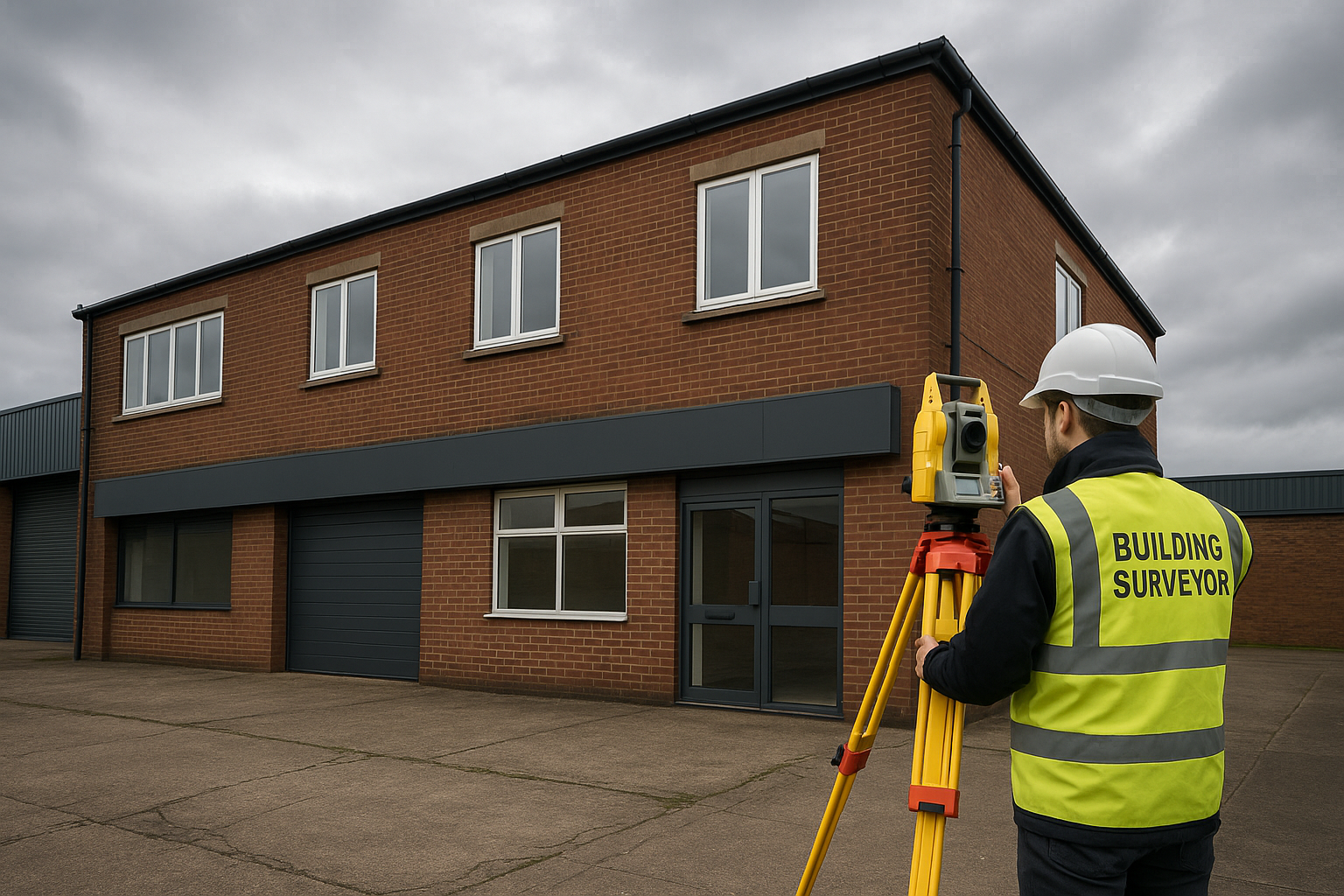
If the pipe sits within occupied building fabric and could be disturbed during routine occupation or maintenance, you may need a management survey to identify and assess asbestos-containing materials. If the pipe is due to be disturbed by planned works, the survey approach may need to be more intrusive depending on the scope.
If you already hold an asbestos management survey, review whether the pipe is listed, what material type was recorded and what condition was noted. Older reports can still be useful, but they should be checked against the current site condition before works begin.
Sampling and laboratory confirmation
Where the material has not been confirmed, sampling is often the fastest way to remove guesswork. A competent surveyor can take a controlled sample, or in limited circumstances a client may arrange sample analysis through an appropriate laboratory service.
For preliminary checks on suspect materials, some clients also consider a testing kit. That may help confirm whether asbestos is present, but it does not replace a proper commercial survey where dutyholder obligations under the Control of Asbestos Regulations apply.
Survey and testing charges sit outside the direct asbestos soil pipe removal cost, but they are still part of the real project budget. Skipping them often leads to delays, cautious contractor pricing or unsafe assumptions on site.
Removal or encapsulation: which is more cost-effective?
Not every asbestos soil pipe needs immediate removal. If the pipe is in good condition, protected from disturbance and not affected by planned works, managing it in situ may be the sensible option.
That can include recording it in the asbestos register, labelling where appropriate, arranging periodic inspection and, in some cases, encapsulation. Encapsulation generally means applying a protective coating or wrap to reduce the risk of fibre release from a sound material.
For some commercial buildings, encapsulation lowers immediate spend compared with full removal and replacement. But it is not a shortcut. It does not remove asbestos from the premises, and it does not remove the duty to manage it.
Removal is usually the better option when
- the pipe is cracked, delaminating or previously damaged
- maintenance teams or contractors are likely to disturb it
- refurbishment works require access to the same area
- the pipe is redundant and no longer needed
- you want to reduce future asbestos management obligations in that location
In those situations, paying the asbestos soil pipe removal cost now may save repeat inspections, permit controls and future disruption later.
What should be included in a professional removal quote?
A proper quote should do more than provide one figure. It should set out the work scope clearly so you can compare contractors on a like-for-like basis.
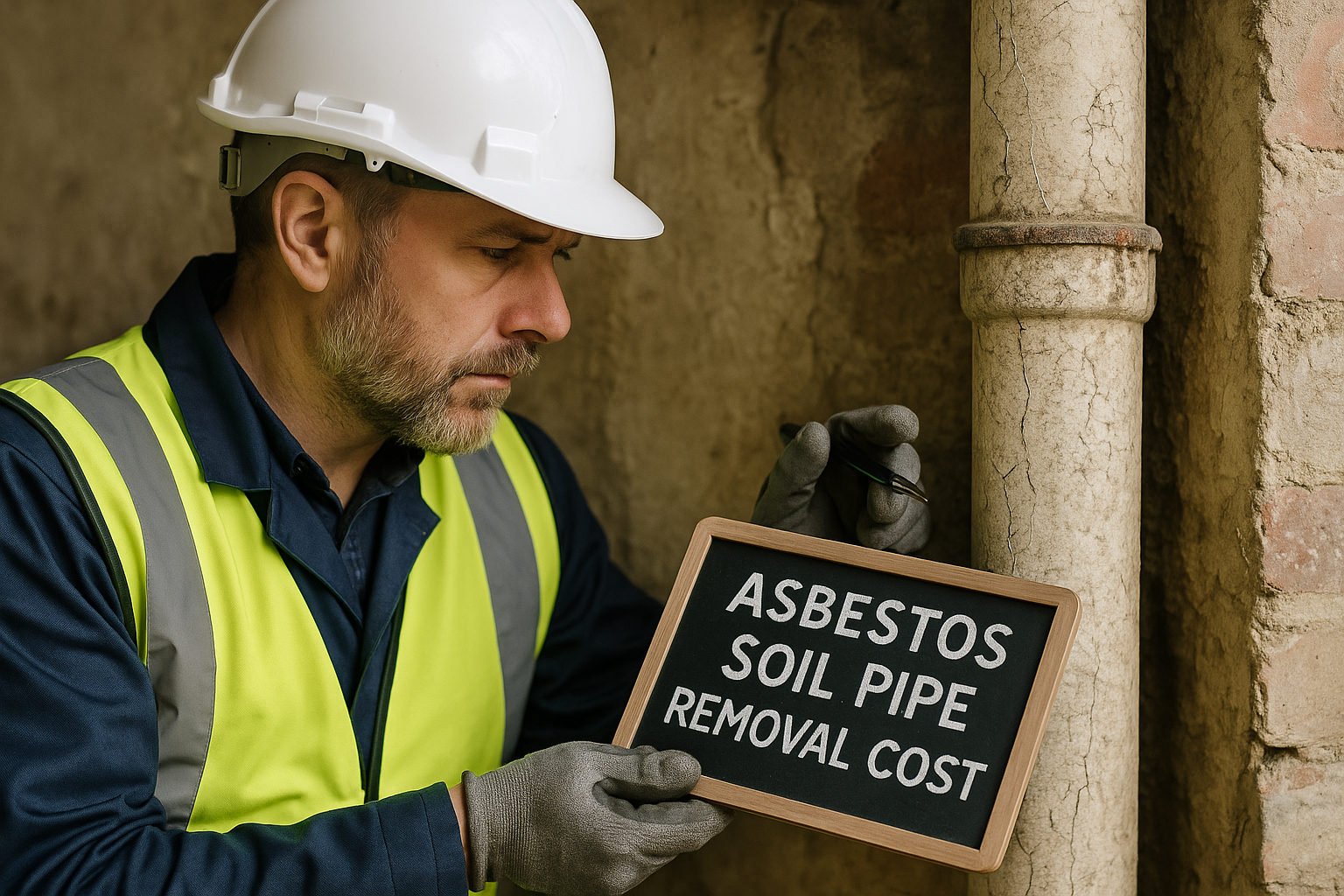
This matters because asbestos jobs often look cheap until the missing items appear as extras. If you are arranging asbestos removal in a commercial building, ask for a written breakdown before approving the work.
Items commonly included
- site inspection and assessment of the pipework
- plan of work or method statement where required
- labour for safe removal
- segregation of the work area
- personal protective equipment and consumables
- controlled dismantling and packaging
- waste transport by an authorised carrier
- hazardous waste consignment documentation
- disposal charges at a suitable facility
- basic clean-down of the work area
Items that may be extra
- scaffolding or powered access
- out-of-hours or weekend working
- traffic management
- temporary drainage arrangements
- making good, boxing-in or reinstatement
- replacement pipework by a plumbing contractor
- additional survey work if more asbestos is found
- emergency call-out attendance
Always ask whether waste charges are included. Disposal is one of the most common areas of confusion, and it forms a genuine part of the overall asbestos soil pipe removal cost.
Disposal costs and hazardous waste charges
Yes, there are usually additional costs associated with disposing of asbestos waste, and those charges are legitimate. Asbestos waste cannot go into general skips or routine construction waste streams.
It must be wrapped or bagged correctly, labelled, transported by an authorised carrier and taken to a facility that accepts hazardous asbestos waste. Even where the removal itself is simple, the waste chain still has to be handled properly.
Why disposal adds to the total cost
- Special packaging: waste must be wrapped or bagged and labelled correctly
- Authorised transport: the carrier must be permitted to move hazardous waste
- Consignment notes: documentation must track the waste from site to disposal point
- Gate fees: disposal facilities charge to receive asbestos waste
- Distance: longer travel routes increase labour and haulage costs
For commercial clients with multiple sections of removed pipe, disposal can become a meaningful part of the asbestos soil pipe removal cost. That is especially true where the waste is bulky, awkward to handle or generated in phases across a live site.
Commercial site issues that increase asbestos soil pipe removal cost
Commercial buildings rarely offer the easy access shown in generic online examples. Offices, schools, warehouses, retail units, healthcare premises and mixed-use blocks all create site-specific constraints that affect price.
The more live the environment, the more planning is needed. If the pipe runs through occupied toilets, communal risers or service routes used by staff and contractors, the removal method has to prevent unnecessary disturbance.
Common commercial complications
- Restricted access windows: many sites only allow asbestos work early in the morning, overnight or at weekends
- Work at height: upper-floor stacks may need scaffold or mobile elevated work platforms
- Occupied areas: segregation, route control and communication with facilities teams all take time
- Linked services: soil pipes connect into drainage systems, so isolation and temporary arrangements may be needed
- Unexpected materials nearby: boxing, debris, gaskets or adjacent panels may introduce additional asbestos work once exposed
These are the reasons one contractor may quote far more than another. A realistic commercial quote reflects actual site conditions, not just the visible pipe length.
Legal duties and compliance for commercial property managers
If you manage non-domestic premises, you need to think beyond the immediate asbestos soil pipe removal cost. The legal position matters just as much as the budget.
The Control of Asbestos Regulations place duties on those responsible for managing asbestos in non-domestic premises. In practical terms, that means identifying asbestos-containing materials, assessing their condition, keeping records and preventing exposure so far as reasonably practicable.
Survey work should follow the principles set out in HSG264. Removal planning, risk assessment and site controls should align with relevant HSE guidance. That does not mean every asbestos soil pipe job is licensed work, but it does mean every job must be assessed properly and carried out using the right method.
What property managers should do before instructing work
- Check your asbestos register and existing survey information.
- Confirm whether the pipe has been positively identified as asbestos cement or another asbestos-containing material.
- Assess whether the area is occupied and what controls are needed during the work.
- Ask for a written scope, method statement and clear pricing breakdown.
- Confirm who is handling waste transport and disposal documentation.
- Plan access, communications and any service isolation before the start date.
Practical preparation reduces delays and helps you control the asbestos soil pipe removal cost. It also makes it far easier to demonstrate that the work has been planned sensibly.
How to keep asbestos soil pipe removal cost under control
The cheapest quote is not always the lowest final cost. Commercial asbestos jobs become expensive when the scope is unclear, access is poorly planned or the contractor discovers issues that could have been identified earlier.
There are several practical ways to keep your budget under control without cutting corners.
Cost-control steps that work
- Get the pipe identified early: uncertainty leads to delays and defensive pricing
- Share existing asbestos records: contractors quote more accurately when they have good information
- Bundle related works: removing several sections in one visit can be more efficient than repeated small jobs
- Plan access properly: arranging permits, keys, escorts and isolations in advance saves labour time
- Use suitable work windows: if daytime access is safe and practical, you may avoid premium out-of-hours rates
- Clarify reinstatement responsibilities: know whether making good sits with the asbestos contractor or another trade
It also helps to ask one simple question before signing off: what could cause this price to change? A good contractor should be able to explain likely variations in plain English.
Regional access and survey support for commercial sites
Large property portfolios often need support across more than one location. If your building is in the capital, arranging an asbestos survey London service before planned works can help you move quickly from identification to pricing.
For sites in the North West, an asbestos survey Manchester appointment can provide the survey information needed to scope removal accurately. The same applies in the Midlands, where an asbestos survey Birmingham service can support dutyholders managing older commercial stock.
Early survey input is often the difference between a controlled project and a last-minute reactive job. It gives contractors the information they need to price the asbestos soil pipe removal cost properly from the outset.
When a low quote is a warning sign
If one price is dramatically lower than the others, do not assume you have found a bargain. In asbestos work, very low quotes often mean key elements have been omitted or underestimated.
Ask specifically whether the following are included:
- survey review and material confirmation
- segregation and protection of occupied areas
- access equipment
- waste packaging, transport and disposal
- consignment paperwork
- out-of-hours attendance if required
- clean-down and handover arrangements
A quote that excludes these items may look attractive at first and become expensive later. The true asbestos soil pipe removal cost is the final, compliant cost of getting the job done safely.
Why commercial clients should avoid DIY decisions
Property teams sometimes consider removing a small section themselves, especially if the pipe appears to be asbestos cement and the area is easy to access. In a commercial setting, that is rarely a sensible route.
Dutyholders need proper identification, suitable controls and a defensible record of what was done. Even where the material is lower risk, poor handling can damage the pipe, spread debris and create avoidable exposure concerns.
If there is any uncertainty, stop the planned work and get the material checked. That is almost always cheaper than dealing with contamination, delays and emergency attendance later.
Frequently Asked Questions
Does asbestos soil pipe removal cost always include waste disposal?
Not always. Some quotes include packaging, transport and disposal, while others list these separately. Always ask for confirmation in writing so you can compare prices properly.
Is asbestos cement soil pipe removal licensed work?
Not every asbestos cement removal job is licensed work, but every job still needs a proper assessment and suitable controls. The correct approach depends on the material condition, the method and the likely level of disturbance.
Can we leave an asbestos soil pipe in place instead of removing it?
Yes, if it is in good condition, protected from disturbance and not affected by planned works, management in situ may be appropriate. That decision should be based on survey information, condition and ongoing duty-to-manage arrangements.
What usually causes asbestos soil pipe removal cost to rise during a project?
The most common reasons are poor access, hidden additional materials, out-of-hours restrictions, unexpected damage and waste quantities greater than first estimated. Clear surveys and a detailed scope help reduce these surprises.
How quickly can a commercial asbestos soil pipe job be arranged?
Timescales depend on survey availability, access planning, building occupancy and contractor scheduling. Straightforward jobs can move quickly, but live commercial sites usually benefit from early planning to avoid disruption.
If you need clear pricing, fast survey support or fully managed commercial asbestos works, speak to Supernova Asbestos Surveys. We provide surveys, sampling and removal support nationwide. Call 020 4586 0680 or visit asbestos-surveys.org.uk to discuss your site.