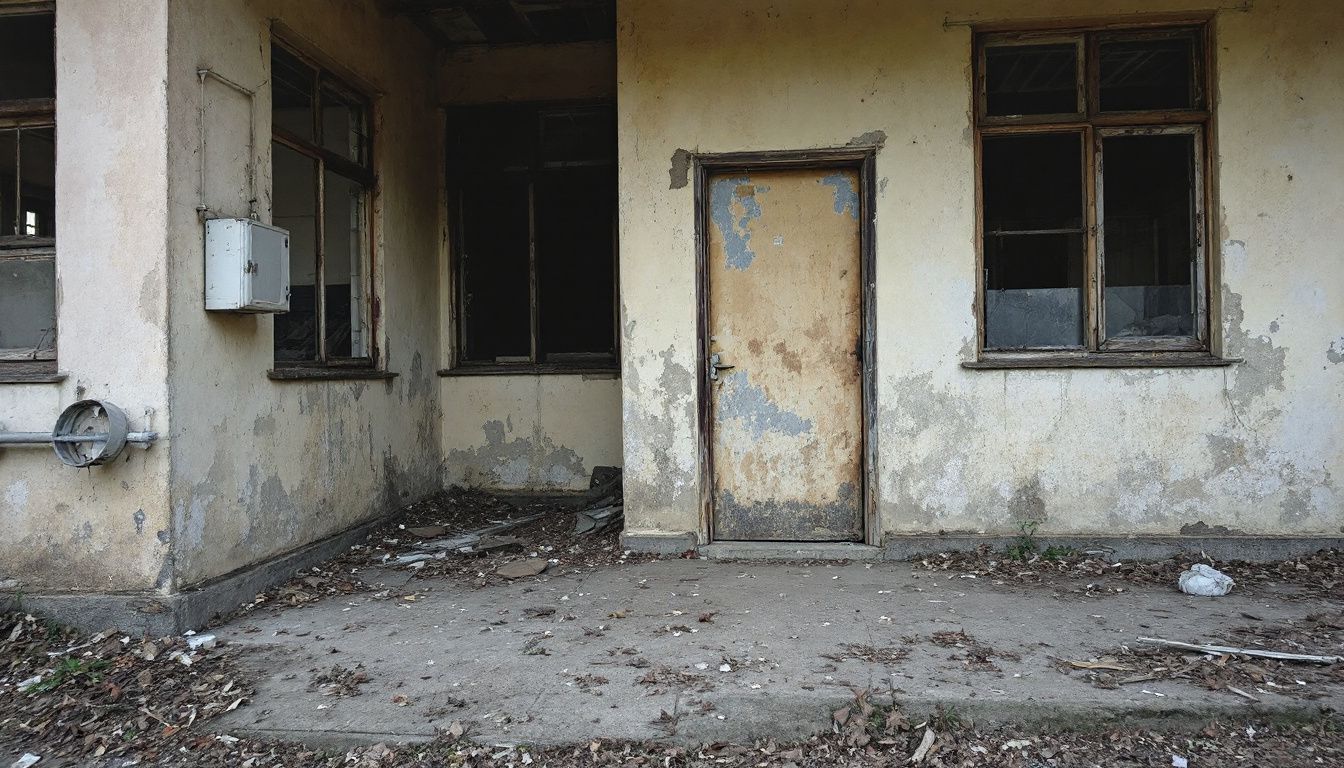
Asbestos Monitoring in the Workplace: What Every Employer and Dutyholder Needs to Know
Asbestos doesn’t announce itself. It sits silently inside walls, ceiling tiles, floor coverings, and pipe lagging — and in any building constructed before 2000, there’s a reasonable chance it’s present somewhere. Asbestos monitoring is the ongoing process that keeps workers safe: identifying where asbestos-containing materials (ACMs) are located, tracking their condition, and ensuring any disturbance is caught before it becomes a health crisis.
Asbestos-related diseases — including mesothelioma, lung cancer, and asbestosis — remain the single largest cause of work-related deaths in Great Britain. These conditions take decades to develop, which is precisely why early and consistent monitoring matters so much. By the time symptoms appear, the exposure happened years or even decades earlier.
Why Asbestos Monitoring Is a Legal Requirement, Not an Option
Under the Control of Asbestos Regulations, dutyholders — those who own, manage, or have responsibility for non-domestic premises — have a statutory duty to manage asbestos. This isn’t a best-practice recommendation. It’s a legal obligation with real consequences for non-compliance.
Regulation 4 places the duty to manage squarely on whoever controls the building. That means identifying ACMs, assessing their condition and risk, producing an asbestos register, and — critically — monitoring those materials over time to ensure their condition doesn’t deteriorate.
HSE guidance, including HSG264, makes clear that a one-off survey is not sufficient on its own. ACMs that are in good condition and left undisturbed pose a low risk. But conditions change. Buildings age. Maintenance work happens. Asbestos monitoring is what bridges the gap between the initial survey and the ongoing reality of a working building.
Failure to comply can result in enforcement action, significant fines, and — far more seriously — workers developing fatal diseases years down the line.
What Asbestos Monitoring Actually Involves
Asbestos monitoring isn’t a single activity. It’s a layered process that combines visual inspection, air testing, and documentation — all working together to give you a complete picture of asbestos risk in your building.
Visual Re-Inspection of Known ACMs
Once asbestos-containing materials have been identified through an initial survey, they must be re-inspected at regular intervals. The frequency depends on the condition and risk rating of each material — higher-risk ACMs require more frequent checks.
A re-inspection survey carried out by a qualified surveyor will assess whether any known ACMs have deteriorated, been damaged, or are at greater risk of disturbance than previously recorded. The findings are used to update the asbestos register and management plan accordingly.
This isn’t something you should attempt to manage informally. A qualified surveyor will identify surface damage, delamination, water ingress near ACMs, and signs of accidental disturbance that an untrained eye would miss entirely.
Air Monitoring and Fibre Counting
Air monitoring measures the concentration of asbestos fibres in the atmosphere. It’s used in several distinct contexts:
- Background air testing: Establishes baseline fibre levels before any work begins, helping to identify whether there’s already ambient contamination.
- Personal air sampling: Monitors the exposure levels of individual workers during tasks that may disturb asbestos, ensuring they remain within safe limits.
- Reassurance air testing: Carried out after a suspected disturbance to confirm that fibre levels have returned to safe levels.
- Clearance air testing: Conducted after licensed asbestos removal work to confirm that an area is safe for reoccupation. This is a legal requirement before a licensed area can be signed off.
Air monitoring must be carried out by a UKAS-accredited laboratory using Phase Contrast Microscopy (PCM) or Transmission Electron Microscopy (TEM), depending on the sensitivity required. Results are compared against the control limit set by the Control of Asbestos Regulations to determine whether exposure is within acceptable bounds.
Bulk Sampling and Laboratory Analysis
Where materials are suspected to contain asbestos but haven’t yet been confirmed, bulk sampling is the method used to find out. A sample of the suspect material is collected under controlled conditions and sent to a UKAS-accredited laboratory for analysis using Polarised Light Microscopy (PLM).
Our asbestos testing service covers both bulk sampling and full laboratory analysis. For smaller properties or situations where a full survey isn’t immediately required, a testing kit can be posted directly to you, allowing samples to be collected and submitted for professional analysis.
The Role of the Initial Survey in Your Asbestos Monitoring Programme
You cannot monitor what you haven’t identified. The starting point for any asbestos monitoring programme is a thorough initial survey — and the type of survey you need depends on what’s happening in your building.
Management Surveys
A management survey is the standard survey required for buildings in normal occupation and use. It identifies ACMs that could be disturbed during everyday activities — routine maintenance, minor repairs, or general wear and tear — and provides the asbestos register that forms the foundation of your ongoing monitoring programme.
Management surveys are carried out by BOHS P402-qualified surveyors and produce a risk-rated register of all identified ACMs, along with a management plan setting out what action is required and when re-inspections should take place.
Refurbishment Surveys
If your building is undergoing renovation, extension, or any significant structural work, a refurbishment survey is required before work begins. This is a more intrusive survey that involves accessing areas normally sealed — wall cavities, roof spaces, beneath floor finishes — to identify any ACMs that could be disturbed by the planned works.
Skipping a refurbishment survey isn’t just a legal risk. It puts tradespeople directly in the path of asbestos exposure, often without them even knowing it. Contractors have died as a result of disturbing undiscovered asbestos during renovation work.
Building and Maintaining Your Asbestos Management Plan
An asbestos management plan isn’t a document you produce once and file away. It’s a living record that should be updated every time an ACM is re-inspected, every time conditions change, and every time work is carried out in or near areas containing asbestos.
Your management plan should include:
- A complete asbestos register listing all known and presumed ACMs, their location, type, condition, and risk rating
- A schedule of re-inspections for each ACM, based on its risk rating
- Records of all air monitoring and sampling results
- Details of any work carried out on or near ACMs, including who did the work and what precautions were taken
- Evidence of staff training and awareness
- Contact details for your licensed contractor, should emergency removal be required
This documentation is what you’ll be asked to produce if the HSE carries out an inspection, or if an incident occurs on site. Clear, up-to-date records demonstrate that you’ve taken your duty to manage seriously — and they could make a significant difference in any subsequent investigation.
Staff Training and Asbestos Awareness
Asbestos monitoring isn’t solely the responsibility of surveyors and consultants. The people who work in your building every day are often the first to notice when something has changed — a damaged ceiling tile, crumbling pipe lagging, a wall that’s been accidentally knocked.
Under the Control of Asbestos Regulations, employers are required to provide asbestos awareness training to any workers who could come into contact with asbestos or disturb it during their normal work. This includes maintenance staff, cleaners, electricians, plumbers, and anyone carrying out work on the building fabric.
Awareness training should cover:
- What asbestos is and where it’s likely to be found
- The health risks associated with exposure
- How to recognise potentially damaged or disturbed ACMs
- What to do if asbestos is suspected — stop work, leave the area, and report immediately
- How to access the asbestos register before starting any work
Training should be refreshed regularly and records kept. An untrained worker who inadvertently drills through an asbestos ceiling tile can create a serious exposure event that affects everyone in the vicinity.
When to Call in Licensed Contractors for Asbestos Removal
Not all asbestos work requires a licensed contractor, but high-risk work — including the removal of sprayed coatings, asbestos insulation, and heavily damaged ACMs — must only be carried out by HSE-licensed contractors. Attempting to remove or repair these materials without a licence is illegal and extremely dangerous.
When the condition of an ACM has deteriorated to the point where it poses an active risk, asbestos removal by a licensed contractor is often the safest long-term solution. Even for lower-risk work, it’s worth seeking professional advice before proceeding.
The cost of getting it wrong — in terms of health consequences, legal liability, and remediation — far outweighs the cost of doing it properly from the outset. If you’re based in the capital and need a professional assessment, our asbestos survey London service covers the full city and surrounding areas.
Asbestos Monitoring and Fire Safety: Understanding the Overlap
There’s an important overlap between asbestos management and fire safety that many building managers overlook. Some asbestos-containing materials — particularly sprayed coatings and asbestos insulating board — were used specifically for their fire-resistant properties. When these materials are removed or damaged, the fire safety profile of the building can change.
If you’re updating your asbestos register or carrying out removal work, it’s worth reviewing your fire safety arrangements at the same time. A fire risk assessment will identify whether the removal or deterioration of ACMs has created any new fire safety risks that need to be addressed.
Treating these two areas of compliance in isolation is a common mistake. A joined-up approach saves time, reduces cost, and gives you a far clearer picture of the overall safety profile of your building.
How Much Does Asbestos Monitoring Cost?
Costs vary depending on the size of the building, the number of ACMs to be monitored, and the type of testing required. As a general guide:
- Management Survey: From £195 for a standard residential or small commercial property
- Refurbishment Survey: From £295, covering all areas to be disturbed prior to works
- Re-inspection Survey: From £150, plus £20 per ACM re-inspected
- Bulk Sample Testing Kit: From £30 per sample
- Fire Risk Assessment: From £195 for a standard commercial premises
All prices are subject to property size and location. For a tailored figure, you can request a free quote directly through our website — no obligation, no hidden fees.
For more detail on what’s involved in the testing process itself, our dedicated asbestos testing page covers the full range of options available.
What to Expect When You Book with Supernova Asbestos Surveys
When you book an asbestos monitoring or survey service with Supernova Asbestos Surveys, the process is straightforward from start to finish.
- Booking: Contact us by phone on 020 4586 0680 or online at asbestos-surveys.org.uk. We confirm availability and send a booking confirmation — typically within the same working day.
- Survey or testing: A BOHS-qualified surveyor attends at the agreed time. For air monitoring or bulk sampling, our team brings all necessary equipment and follows strict HSE protocols throughout.
- Reporting: Your report is issued promptly — usually within a few working days. It includes a full risk-rated register, photographic evidence, and clear recommendations for next steps.
- Ongoing support: We’ll advise on re-inspection schedules, help you keep your management plan current, and remain available if conditions change or urgent work arises.
With over 50,000 surveys completed nationwide, Supernova Asbestos Surveys has the experience and accreditation to support your asbestos monitoring obligations at every stage — from initial identification through to final clearance.
Call us on 020 4586 0680 or visit asbestos-surveys.org.uk to book your survey or request a no-obligation quote today.
Frequently Asked Questions
How often does asbestos monitoring need to take place?
The frequency of asbestos monitoring depends on the condition and risk rating of each ACM in your building. Higher-risk materials in poor condition may require re-inspection every six to twelve months, while low-risk ACMs in good condition might only need checking every two to three years. Your asbestos management plan should set out a re-inspection schedule tailored to your specific building.
Who is responsible for asbestos monitoring in a workplace?
Under the Control of Asbestos Regulations, the duty to manage asbestos falls on the dutyholder — typically the building owner, facilities manager, or whoever has control over the maintenance of the premises. Employers also have a responsibility to protect their workers from exposure, which includes providing asbestos awareness training and ensuring the management plan is accessible to all relevant staff.
What’s the difference between air monitoring and a re-inspection survey?
A re-inspection survey is a visual assessment of known ACMs carried out by a qualified surveyor to check whether their condition has changed. Air monitoring, by contrast, measures the actual concentration of asbestos fibres in the atmosphere — either as a background check, during work that may disturb asbestos, or as a clearance test after removal. Both are components of a thorough asbestos monitoring programme, but they serve different purposes.
Do I need asbestos monitoring if my building has already had a survey?
Yes. A one-off survey identifies ACMs at a point in time, but it doesn’t account for changes in condition that occur as the building ages or is used. HSE guidance is clear that ongoing monitoring is required to manage asbestos effectively. The initial survey provides the foundation; regular re-inspections and air testing are what keep your management plan accurate and your legal obligations met.
Can I collect asbestos samples myself for testing?
For suspected ACMs in low-risk situations, a testing kit allows samples to be collected and sent to a UKAS-accredited laboratory for analysis. However, sample collection must be done carefully to avoid disturbing the material and releasing fibres. For anything involving damaged or high-risk ACMs, professional sampling by a qualified surveyor is strongly recommended. If in doubt, contact Supernova Asbestos Surveys for advice before proceeding.