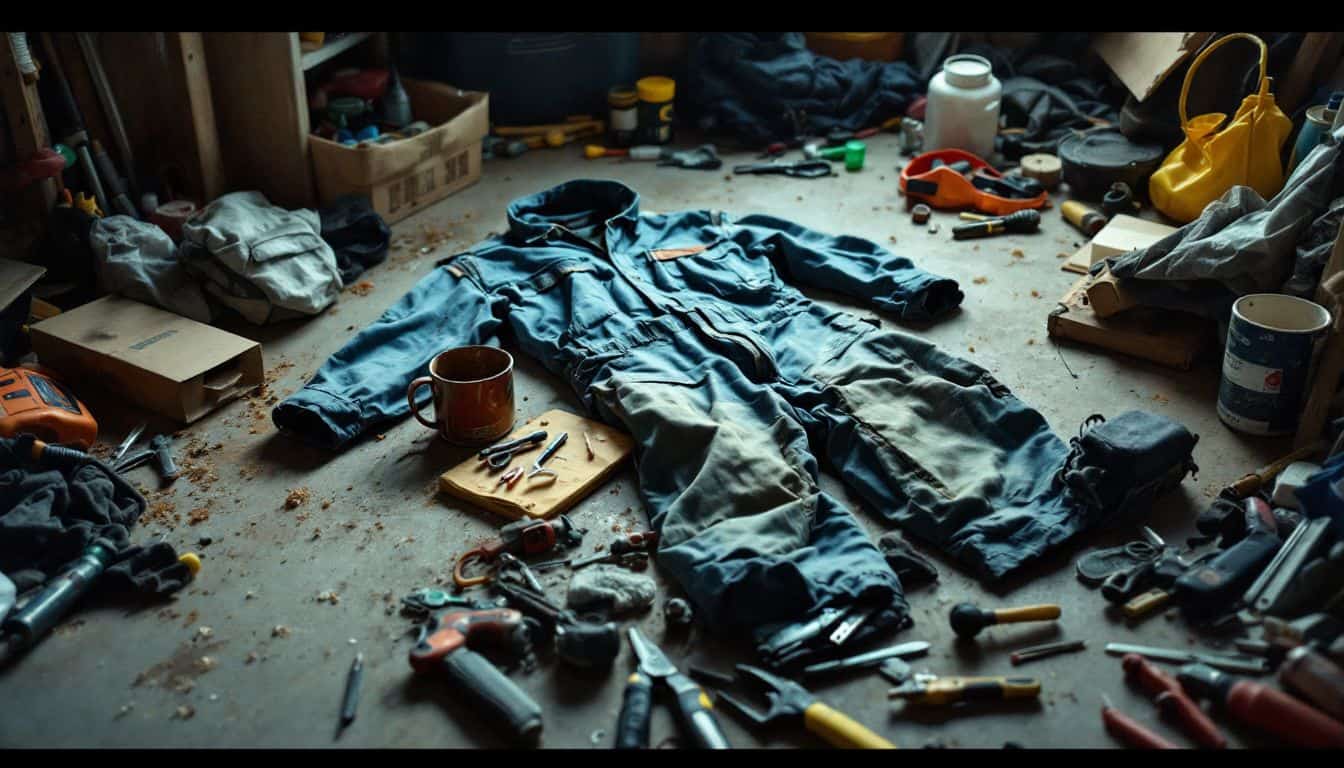
Aerospace Workers and Asbestos: Staying Protected When the Shift Ends
Asbestos doesn’t clock off when you do. For anyone working in aircraft maintenance, ground crew operations, or hangar facilities, understanding how workers in the aerospace industry can protect themselves from the risks of asbestos exposure outside the workplace is just as critical as on-site safety. Invisible fibres cling to clothing, skin, and tools — and once they leave the worksite, they become a hazard for everyone under your roof.
Asbestos was used extensively in aircraft components: brake linings, gaskets, heat shields, and thermal insulation were all common applications. While its use has been banned in the UK, legacy materials remain in older aircraft, hangars, and maintenance facilities across the country. The hazard hasn’t disappeared — it’s simply moved location.
Why Aerospace Workers Face a Distinct Asbestos Risk
The aerospace sector occupies an unusual position when it comes to asbestos exposure. Maintenance engineers, mechanics, and ground crew regularly work on older aircraft or within ageing facilities where asbestos-containing materials (ACMs) are still present. Disturbing these materials — even unintentionally — releases microscopic fibres into the air.
What makes this particularly insidious is the latency period. Asbestos-related diseases including mesothelioma, asbestosis, lung cancer, and pleural plaques can take 20 to 50 years to develop after initial exposure. A worker exposed today may not experience symptoms for decades, which creates a dangerous false sense of security.
Maintenance work carries especially high risk. Older aircraft components may contain ACMs that have degraded over time, making fibre release more likely during routine servicing. Ground crew working in older hangars face exposure risks from the building fabric itself — insulation, ceiling tiles, and pipe lagging are all potential sources.
The Secondary Exposure Problem: Your Family Is at Risk Too
Fibres that settle on workwear don’t stay there passively. Any movement — shaking a jacket, getting into a car, walking through the front door — can dislodge them and send them airborne again. Once disturbed, asbestos fibres can remain suspended in the air for extended periods before settling on surfaces throughout a home.
This is how secondary asbestos exposure occurs. Family members, including children, can inhale fibres without ever setting foot near an aircraft hangar or maintenance bay. Historically, spouses and children of workers in asbestos-heavy industries have developed mesothelioma solely through contact with contaminated workwear.
Aerospace workers must treat this as a real and present concern — not a remote possibility. The steps you take at the end of every shift directly protect the people you live with.
Decontamination: The Single Most Important Step
The most effective action any aerospace worker can take is to decontaminate thoroughly before leaving the workplace. That means changing out of work clothing entirely and leaving contaminated items at the site rather than transporting them home.
Changing Clothes Before Leaving Work
A dedicated changing facility at the workplace is essential. Workers should remove all work clothing — including footwear — before entering a clean area. Clean clothes must be stored separately and never mixed with workwear.
Employers have a legal duty under the Control of Asbestos Regulations to provide suitable washing and changing facilities when workers are exposed to asbestos. If these facilities are not available, that is a compliance issue that should be raised immediately with the health and safety officer or, where necessary, the HSE directly.
Safe Storage and Handling of Contaminated Workwear
Workwear should be stored in a sealed, clearly labelled container or bag at the workplace — not carried home in a rucksack or thrown in the boot of a car. Dedicated lockers with separate compartments for clean and contaminated clothing represent best practice.
If workwear must be laundered, it should go to a specialist industrial laundry service. Washing contaminated clothing at home risks spreading fibres through the machine, onto other garments, and throughout the household. This is a documented route of secondary exposure, not a theoretical one.
Cleaning Tools and Equipment Thoroughly
Any tools used in areas where ACMs may be present must be cleaned before leaving the site. Use damp wiping methods rather than dry brushing or compressed air — both of the latter can send fibres back into the air.
Workers who are unsure whether a tool has been contaminated should treat it as though it has. The precautionary approach is always the right one when asbestos is involved. Employers should provide clear, written protocols for equipment decontamination and ensure all staff are trained to follow them.
Transporting Potentially Contaminated Items Safely
There will be occasions when items need to be moved off-site. When that happens, it must be done correctly. Asbestos waste is a controlled substance under UK law, and its transport is governed by strict regulations.
Using Sealed Containers
Any clothing, tools, or equipment that may be contaminated should be double-bagged in heavy-duty polythene bags, sealed, and clearly labelled before being placed in a designated container. These should never be left loose in a vehicle, and contaminated items must never be left in a personal vehicle overnight.
Sealed containers prevent fibres from becoming airborne during transit and make clear to anyone handling the items that they require careful management.
Avoiding Personal Vehicles Where Possible
Wherever possible, contaminated materials should not travel in personal vehicles at all. Many employers can arrange specialist collection or provide secure on-site storage until proper disposal is arranged.
UK regulations require that asbestos waste is disposed of at a licensed facility. Workers must never attempt to dispose of contaminated materials in domestic bins. If in doubt, contact your employer’s health and safety officer or the HSE directly.
Using PPE Correctly — and Removing It Safely
Personal protective equipment is a critical layer of protection, but only when used correctly. For aerospace workers with potential asbestos exposure, this means respiratory protective equipment (RPE) as well as full protective clothing.
Selecting the Right PPE
For work involving asbestos, a half-face or full-face respirator fitted with a P3 filter is typically required. Disposable dust masks offer no meaningful protection against asbestos fibres and must never be used as a substitute.
Protective overalls should be disposable Type 5 coveralls — not reusable clothing that could carry fibres home. The HSE’s guidance document HSG264 sets out detailed requirements for asbestos management and surveying. Workers and employers in the aerospace sector should familiarise themselves with this guidance even where the primary role is not asbestos-specific, because the principles apply wherever ACMs may be disturbed.
Removing and Disposing of PPE Safely
Removing PPE incorrectly can expose a worker to the very fibres they’ve spent the shift protected from. Follow this sequence every time:
- Remove overalls inside-out, rolling them down from the shoulders to avoid shaking fibres loose.
- Bag and seal the overalls immediately — do not set them down on surfaces.
- Remove gloves, turning them inside-out as you go.
- Remove the respirator last, after all other PPE has been bagged.
- Wash hands and face thoroughly before touching anything else.
Used disposable PPE must be treated as asbestos waste and placed in sealed, labelled bags. It must never be reused, taken home, or placed in general waste. Employers must provide a designated disposal point and ensure all staff are trained in correct removal procedures.
Protecting Your Household at Home
Even with rigorous workplace controls, additional precautions at home make sense — particularly if there is any doubt about whether decontamination was fully effective.
Keeping Workwear Away from Domestic Laundry
If workwear does come home, keep it entirely separate from household laundry. Store it in a sealed bag in a garage or utility area, away from living spaces. Never shake it out indoors or handle it without gloves.
Specialist industrial laundry services exist precisely for this purpose. Using them is not excessive — it is the responsible choice for anyone working in an environment where asbestos exposure is a possibility.
Talking to Your Family
Your household members need to understand why certain items are kept separate and why they should not handle workwear. This doesn’t need to be alarming — it simply ensures everyone knows the rules and follows them consistently.
Explain clearly that asbestos-related conditions are serious but that the risk of secondary exposure at home is substantially reduced by following straightforward precautions. A family that understands the risks will naturally support the habits that keep them safe.
Cleaning Storage Areas Correctly
Any area where work items are stored should be cleaned regularly using a damp cloth — never dry dusted or vacuumed with a standard household vacuum. Dry methods disturb settled fibres and send them back into the air. A damp wipe traps them.
If you suspect an area has been contaminated, do not attempt to clean it yourself. Contact a licensed asbestos contractor who can carry out a proper assessment and safe clean-up. In many UK cities, professional surveys are readily available — whether you need an asbestos survey in London, an asbestos survey in Manchester, or an asbestos survey in Birmingham, qualified surveyors can assess any property quickly and accurately.
Health Monitoring: Don’t Wait for Symptoms
Given the long latency period of asbestos-related diseases, regular health monitoring is one of the most important steps any aerospace worker can take. Symptoms may not appear for decades, but early detection significantly improves outcomes.
Regular Health Check-Ups
Workers with a history of potential asbestos exposure should inform their GP and request regular respiratory health assessments. Lung function tests, chest X-rays, and CT scans can identify changes before symptoms become apparent.
Don’t assume that feeling well means there is no problem. Asbestos-related diseases are frequently asymptomatic in their early stages, which is precisely why proactive monitoring matters.
Occupational Health Screening
Some occupational health services offer specific asbestos exposure screening programmes designed for workers in high-risk industries. These provide a more targeted assessment than a standard GP appointment and are worth accessing wherever available.
If your employer offers access to occupational health services, use them consistently. If not, speak to your GP about your occupational history and ask what monitoring is appropriate for someone with potential asbestos exposure. Being proactive is not a sign of anxiety — it is straightforward good sense.
Training, Awareness, and Knowing Your Legal Rights
No set of guidelines replaces proper training. Aerospace workers who may encounter asbestos should receive formal asbestos awareness training — a requirement under the Control of Asbestos Regulations for anyone liable to disturb ACMs in the course of their work.
This training covers how to recognise potential ACMs, what to do if you suspect you’ve disturbed asbestos, and how to follow safe working procedures. It should be refreshed regularly, not treated as a one-off tick-box exercise.
Your Employer’s Legal Duties
Under the Control of Asbestos Regulations, employers must:
- Assess the risk of asbestos exposure in the workplace
- Implement appropriate control measures
- Provide suitable PPE, washing facilities, and changing areas
- Ensure workers receive appropriate training and information
- Maintain records of exposure and health surveillance where required
If you believe your employer is not meeting these obligations, you have the right to raise a concern with the HSE. Workers also have the right to refuse work they reasonably believe poses an immediate risk to their health. These are not abstract rights — they exist to be used.
What to Do If You Suspect Exposure Has Occurred
If you believe you have been exposed to asbestos fibres — either at work or through secondary contact at home — take the following steps without delay:
- Report the incident to your employer and ensure it is formally recorded
- Seek a medical assessment and inform your GP of the potential exposure
- Contact the HSE if you believe proper procedures were not followed
- Keep a personal record of dates, locations, and the nature of the suspected exposure
- Consider seeking legal advice if the exposure resulted from employer negligence
Documentation matters. The long latency period of asbestos-related diseases means that records made today could be essential evidence many years from now.
A Practical Daily Checklist for Aerospace Workers
Turning safe practice into habit is the goal. Use this checklist at the end of every shift where ACM exposure is possible:
- Changed into clean clothes before leaving the site
- Work clothes stored in a sealed, labelled bag or locker on-site
- Tools wiped down using damp methods before leaving
- PPE removed in the correct sequence and disposed of as asbestos waste
- Hands and face washed thoroughly before entering a clean area or vehicle
- No contaminated items placed in a personal vehicle without proper containment
- Any suspected exposure reported and recorded before leaving the site
These steps take minutes. The consequences of skipping them can last a lifetime — for you and for the people you live with.
Frequently Asked Questions
Can asbestos fibres really travel home on clothing?
Yes. Asbestos fibres are microscopic and adhere easily to fabric. Any movement of contaminated clothing — even something as simple as removing a jacket — can release fibres into the air. This is a well-documented route of secondary exposure and is the reason why changing facilities and specialist laundry services are a legal requirement in workplaces where asbestos exposure is possible.
What PPE do aerospace workers need when working near asbestos?
At minimum, workers should wear a half-face or full-face respirator with a P3 filter and disposable Type 5 protective overalls. Standard dust masks provide no protection against asbestos fibres. Gloves and eye protection may also be required depending on the task. Your employer is legally required to provide appropriate PPE under the Control of Asbestos Regulations.
What should I do if I think my home has been contaminated by asbestos fibres from my work clothes?
Do not attempt to clean the area yourself using dry methods — this will disturb fibres further. Damp wiping of hard surfaces is a safer first step for minor concerns. If you have reason to believe significant contamination has occurred, contact a licensed asbestos contractor for a professional assessment. Do not use a standard household vacuum cleaner, as this will spread fibres rather than contain them.
Are aerospace workers entitled to health monitoring for asbestos exposure?
Where workers are exposed to asbestos above certain action levels, employers are required under the Control of Asbestos Regulations to provide health surveillance. Even where formal surveillance is not mandated, any worker with a history of potential exposure should proactively discuss respiratory health monitoring with their GP. Occupational health services can provide more targeted screening for those in high-risk roles.
How do I know if a material in my workplace contains asbestos?
You cannot identify asbestos by sight alone. If you are working in an older aircraft, hangar, or maintenance facility and are unsure whether materials contain asbestos, treat them as though they do until a professional survey has been carried out. Your employer should have an asbestos management plan and register for the premises. If one does not exist, this is a legal compliance issue that should be reported to the health and safety officer or the HSE.
Get Professional Asbestos Support From Supernova
Whether you manage an aerospace facility, own a commercial property, or are concerned about potential asbestos in a building you occupy, Supernova Asbestos Surveys provides accredited, thorough surveys across the UK. With over 50,000 surveys completed nationwide, our team delivers fast, reliable results that give you the clarity to act safely and stay compliant.
Call us on 020 4586 0680 or visit asbestos-surveys.org.uk to book a survey or speak to one of our specialists.