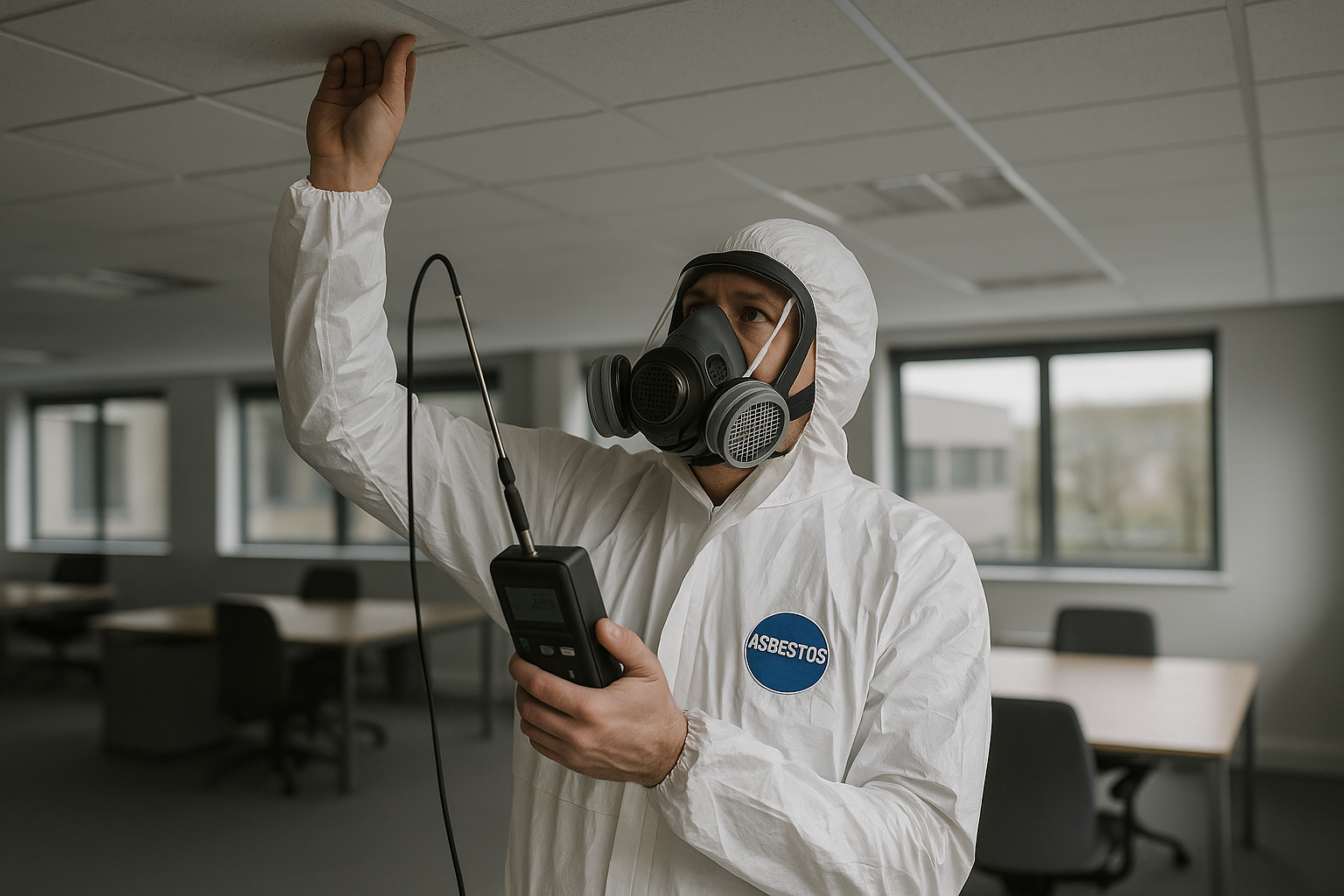
Asbestos is still one of the most misunderstood hazards in UK property. People often think of it as an old industrial problem, yet it remains present in homes, schools, offices, warehouses and public buildings across the country, especially where construction or refurbishment took place before 2000.
The real risk is not simply that asbestos exists. The risk is that asbestos can sit unnoticed for years, then release dangerous fibres when it is drilled, cut, sanded, broken, removed badly or left to deteriorate. For property managers, landlords, dutyholders and contractors, knowing what asbestos is, where it came from and how the law treats it is essential.
What is asbestos?
Asbestos is the collective name for a group of naturally occurring fibrous silicate minerals. These minerals form long, thin fibres that are strong, heat resistant, chemically resilient and excellent at insulating against heat and electricity.
Those properties made asbestos attractive to industry for decades. They are also the reason asbestos became embedded in such a wide range of building materials and products.
When asbestos-containing materials remain in good condition and are not disturbed, the immediate risk may be low. Once damaged or worked on, however, asbestos fibres can become airborne and be inhaled deep into the lungs, where they may remain for life.
That is why asbestos is treated as a serious health and compliance issue under UK law. It is not enough to assume a material is safe because it looks solid or has been there for years.
Etymology: where the word asbestos comes from
The word asbestos comes from Greek and is usually understood to mean “inextinguishable” or “unquenchable”. That name reflects the mineral’s resistance to fire and heat.
The etymology matters because it tells you why asbestos became so valuable in construction and manufacturing. It was celebrated for not burning, not wearing out easily and standing up to heat, friction and chemicals.
Older references often describe asbestos almost as a wonder material. That reputation lasted for generations and helps explain why asbestos was used so widely long before its health effects were properly recognised and controlled.
Early references and uses of asbestos
Asbestos is not a modern invention. References to asbestos-like materials go back thousands of years, long before industrial mining and mass production.
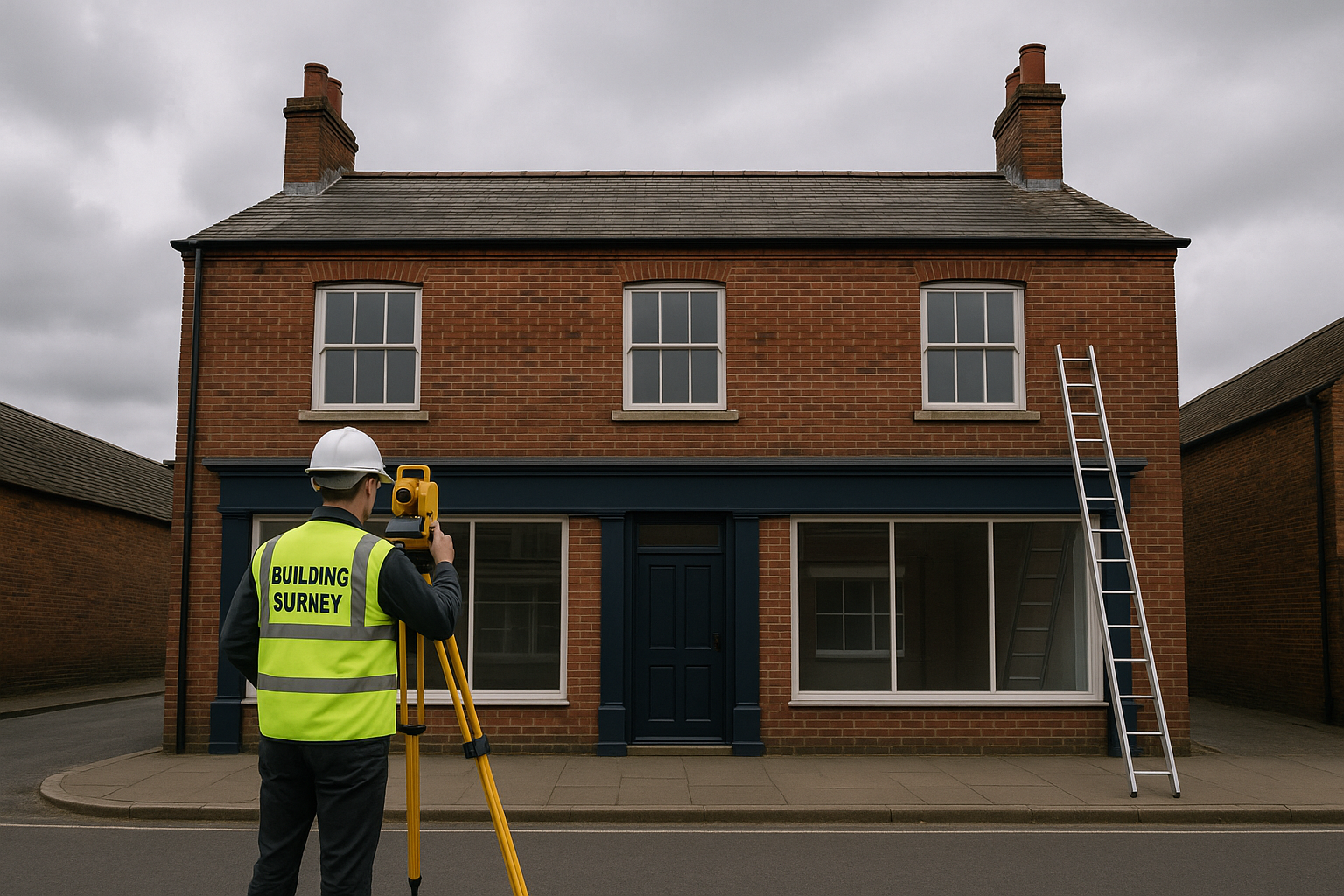
Ancient and early historical uses
Writers from ancient civilisations described fibrous mineral materials used in objects that resisted fire. Accounts from Greek and Roman sources refer to fire-resistant cloths, lamp wicks and other specialist items believed to contain asbestos.
In these early periods, asbestos was rare and unusual rather than a standard construction material. It was valued because it behaved differently from ordinary fibres and fabrics.
- Lamp and ceremonial wicks
- Fire-resistant textiles
- Pottery and composite materials
- Funerary cloths and prestige items
These uses were limited compared with later industrial demand. The major shift came when mining, transport and manufacturing expanded enough to make asbestos cheap and widely available.
Why early use still matters today
Understanding early use helps put modern asbestos risk into context. The material was prized for useful performance, not because people intended harm.
That history explains why asbestos ended up in so many products. Once industry learned it could be mined, processed and blended at scale, asbestos moved from curiosity to routine building material.
How asbestos became common in construction and industry
The rise of asbestos in construction was driven by practicality. Builders, engineers and manufacturers wanted materials that could resist fire, insulate pipework, strengthen cement products and improve durability.
Asbestos delivered all of that at relatively low cost. It could be mixed, bonded, sprayed, woven and moulded into hundreds of products.
Common reasons asbestos was used
- Fire resistance
- Thermal insulation
- Acoustic performance
- Chemical resistance
- Strengthening of cement and composite products
- Durability in friction materials such as brakes and clutches
That is why asbestos appears in so many settings. It was not one niche product. It was a raw material used across construction, engineering, manufacturing, utilities and transport.
Construction products that often contained asbestos
In UK buildings, asbestos was used in both heavy-duty industrial applications and ordinary day-to-day materials. It may still be found in:
- Asbestos cement roof sheets, wall cladding, gutters and flues
- Asbestos insulating board in partitions, soffits, ceiling tiles and firebreaks
- Pipe lagging and thermal insulation
- Sprayed coatings for structural fire protection
- Textured coatings on ceilings and walls
- Floor tiles, bitumen adhesives and backing materials
- Roofing felts and bitumen products
- Gaskets, seals and rope around plant and boilers
- Older toilet cisterns and moulded service components
- Electrical backboards and service riser linings
For anyone responsible for a property, this is the practical point: if a building was built or refurbished before 2000, asbestos may be present until a suitable inspection, survey or sample result proves otherwise.
Types of asbestos
There are six recognised asbestos minerals. They are grouped into two families: the serpentine group and the amphibole group.

All types of asbestos are hazardous. None should be treated as safe.
Serpentine group
The serpentine group contains one asbestos type that is especially well known in UK buildings: chrysotile.
- Chrysotile – commonly called white asbestos
Chrysotile fibres are curly in structure. It was widely used in cement products, floor tiles, textured coatings, gaskets and many general building materials.
Because chrysotile was used so extensively, it is one of the most commonly encountered forms of asbestos in UK premises.
Amphibole group
The amphibole group includes five asbestos minerals. Their fibres are straighter and more needle-like than chrysotile.
- Amosite – commonly called brown asbestos
- Crocidolite – commonly called blue asbestos
- Tremolite
- Actinolite
- Anthophyllite
In UK buildings, amosite and crocidolite are the amphibole types most commonly discussed because they were used in significant quantities in insulation and board products.
Which asbestos types are most common in UK properties?
The three types most often encountered are:
- Chrysotile in asbestos cement, floor tiles, textured coatings and gaskets
- Amosite in asbestos insulating board and some insulation products
- Crocidolite in some spray coatings, insulation and older cement or composite materials
The other amphibole minerals may appear as contaminants or in less common specialist materials. From a management point of view, the key issue is not guessing the type by eye. The safe route is to treat suspect materials cautiously and arrange proper sampling or surveying.
The amphibole group and why it matters
The amphibole group deserves special attention because these asbestos fibres are generally straighter and more brittle than chrysotile fibres. In practical terms, that can make them particularly concerning when materials are damaged and fibres are released.
Amosite was widely used in asbestos insulating board, ceiling tiles, thermal insulation products and fire protection materials. Crocidolite was used in some spray coatings, insulation applications and specialist products requiring strong heat resistance.
Property managers do not need to become mineralogists, but they do need to understand a simple rule: friable asbestos materials, especially insulation, sprayed coatings and damaged board products, can present a much higher risk than firmly bound cement sheets in good condition.
Higher-risk asbestos-containing materials
- Pipe lagging
- Loose fill insulation
- Sprayed coatings
- Damaged asbestos insulating board
Lower-risk asbestos-containing materials
- Asbestos cement sheets in good condition
- Floor tiles in good condition
- Textured coatings with limited damage
Lower risk does not mean harmless. It means the material is generally less likely to release fibres unless disturbed.
Discovery of toxicity: when the danger of asbestos became clear
The discovery of asbestos toxicity did not happen in a single moment. It developed over time as workers exposed to heavy dust began to suffer serious lung disease.
Early industrial use focused on performance, not health. Dusty work environments were common across many industries, and the long delay between exposure and illness meant the danger was not immediately obvious.
How understanding developed
As medical knowledge improved, links were established between asbestos exposure and severe diseases including:
- Asbestosis
- Lung cancer
- Mesothelioma
- Other asbestos-related lung disease and pleural conditions
One of the most troubling aspects of asbestos is latency. Disease may develop many years after exposure, which is why historic exposure is still affecting people today.
That delayed harm is also why modern management matters so much. Even though new use of asbestos is banned, legacy asbestos remains in buildings and can still expose workers and occupants if not identified and controlled properly.
Why the discovery of toxicity still affects today’s dutyholders
For a dutyholder, landlord or facilities manager, the history of toxicity is not just background. It explains why the law requires active management of asbestos rather than a passive approach.
If asbestos is present, you need to know where it is, what condition it is in and how likely it is to be disturbed. If refurbishment or demolition is planned, assumptions are not enough.
How can people be exposed to asbestos?
Asbestos exposure happens when fibres become airborne and are inhaled. You cannot reliably assess that risk by sight alone because the most dangerous fibres are often too small to see.
Exposure is most likely when asbestos-containing materials are disturbed. That disturbance can be dramatic, such as demolition, or routine, such as drilling a wall, replacing a ceiling tile or accessing a service riser.
Common routes of exposure
- Drilling, cutting or sanding suspect materials
- Breaking asbestos cement sheets or boards
- Removing old floor tiles or adhesives
- Damaging pipe insulation during maintenance
- Disturbing debris in lofts, basements or plant rooms
- Poorly controlled refurbishment or demolition work
- Deterioration of old materials over time
Secondary exposure has also been a concern historically, for example where contaminated work clothing carried dust away from the original workplace. The safest modern approach is strict control, competent surveying and proper procedures before work starts.
Who is most at risk?
Higher-risk occupations have included:
- Construction workers
- Electricians
- Plumbers and heating engineers
- Joiners and decorators
- Demolition teams
- Maintenance staff
- Shipyard and factory workers
- Caretakers and site managers in older buildings
That said, asbestos is not only a trade issue. Occupants can also be affected if damaged asbestos-containing materials are left unmanaged in a building.
Practical steps to reduce exposure
- Do not disturb suspect materials.
- Check the asbestos register if one should exist.
- Arrange a suitable survey before maintenance, refurbishment or demolition.
- Use competent, trained professionals for sampling and removal.
- Keep clear records and communicate findings to anyone working on site.
If there is any doubt, stop work first. The cost of delay is minor compared with the risk of uncontrolled fibre release.
Where asbestos is commonly found in buildings
Asbestos can be hidden in obvious places and unexpected ones. Many people still assume it only appears in pipe lagging or garage roofs, but the range is much wider.
Typical locations include:
- Ceiling voids and suspended ceilings
- Plant rooms and boiler houses
- Service risers and ductwork
- Partition walls and door linings
- Soffits, fascias and external panels
- Roof sheets, gutters and flues
- Floor tiles and bitumen adhesives
- Textured wall and ceiling coatings
- Electrical backboards and meter cupboards
- Lift shafts, stair cores and basements
- Old heating systems and pipe runs
The practical lesson is simple: asbestos is often concealed behind finishes, above ceilings, inside boxing, within risers or underneath later refurbishments. You cannot rely on visual assumptions during planned works.
Asbestos laws and regulations in the UK
UK asbestos control is built around the Control of Asbestos Regulations, supported by HSE guidance and survey standards such as HSG264. These rules are central to how asbestos should be identified, managed and, where necessary, removed.
For dutyholders and property managers, the legal position is straightforward in principle: if asbestos may be present, you must manage the risk properly.
The duty to manage asbestos
In non-domestic premises, the duty to manage asbestos requires those in control of a building to take reasonable steps to find out whether asbestos is present, where it is and what condition it is in.
That normally means:
- Identifying asbestos-containing materials, so far as reasonably practicable
- Assessing the risk of fibre release
- Keeping an up-to-date asbestos register
- Preparing and implementing an asbestos management plan
- Providing information to anyone liable to disturb asbestos
This is not a one-off exercise. The condition of materials can change, occupancy can change and maintenance activity can create new risks.
Why HSG264 matters
HSG264 sets out the survey guide used across the industry. It explains how asbestos surveys should be planned, carried out and reported.
Two survey types are especially important:
- Management Survey – used to locate, as far as reasonably practicable, the presence and extent of asbestos-containing materials that could be damaged or disturbed during normal occupation, maintenance or installation work.
- Refurbishment and Demolition Survey – required where refurbishment or demolition work is planned, so asbestos can be identified before intrusive work begins.
Choosing the wrong survey is a common mistake. A management survey is not a substitute for a refurbishment and demolition survey where intrusive works are planned.
Domestic properties and asbestos
Domestic premises are treated differently in some legal respects, but asbestos risk does not disappear because a building is a home. Common parts of domestic buildings, such as corridors, stairwells, plant areas and service risers, can still fall within duty-to-manage responsibilities.
Landlords, managing agents and contractors should be especially careful where works are planned in flats, converted properties or blocks with shared areas.
Actionable compliance advice
- Do not let contractors start intrusive work without checking asbestos information.
- Make sure your asbestos register is accessible and current.
- Review your management plan regularly.
- Arrange reinspection where asbestos-containing materials remain in place.
- Use a refurbishment and demolition survey before major works.
Phasing: how asbestos use was reduced and eventually prohibited
The phasing out of asbestos did not happen overnight. Use reduced in stages as knowledge of health risks improved and legal controls became tighter.
Different asbestos types and products were restricted and prohibited over time, with the result that asbestos use moved from mainstream construction practice to a banned legacy issue. That phased approach is one reason asbestos remains so widespread in the built environment today.
Why phasing matters for property owners
Phasing helps explain why properties from different periods may contain different asbestos materials. A building may have original asbestos products, later asbestos-containing refurbishments or a mix of both.
It also explains why assumptions based on age alone can be risky. A property built earlier may have had later asbestos-containing additions, while a newer-looking fit-out may conceal older asbestos materials behind it.
Practical takeaway from phasing
Do not rely on rough age estimates or verbal reassurance. If the property was built or refurbished before 2000, or if the history is uncertain, asbestos should remain part of your risk assessment until competent survey evidence says otherwise.
Why asbestos still matters in modern construction and refurbishment
Construction and refurbishment remain two of the main situations where asbestos is accidentally disturbed. That is because hidden materials are often only discovered once ceilings are opened, walls are cut or old finishes are stripped back.
Even minor jobs can create significant problems if asbestos is present. Replacing lights, installing data cabling, upgrading heating systems or removing floor finishes can all disturb asbestos-containing materials.
Common construction scenarios that need caution
- Office fit-outs
- Kitchen and bathroom refurbishments
- Roofing work
- Mechanical and electrical upgrades
- Fire stopping and compartmentation works
- Demolition and strip-out
- Planned maintenance in schools, hospitals and public buildings
Before any intrusive work, the right question is not “Do we think there is asbestos?” It is “What evidence do we have that asbestos has been properly checked?”
If the answer is unclear, stop and verify.
What to do if you suspect asbestos
If you come across a material that may contain asbestos, the safest immediate response is simple: do not disturb it.
Do not drill it, cut it, scrape it, break it or try to remove it yourself. Disturbance is what turns hidden asbestos into an active exposure risk.
Immediate steps
- Stop work straight away.
- Keep people away from the area.
- Avoid sweeping, vacuuming or dry cleaning debris.
- Check whether an asbestos register or survey already exists.
- Arrange professional advice, sampling or surveying as appropriate.
If damage has already occurred, isolate the area as far as possible and seek competent assistance. The response will depend on the material, the extent of disturbance and whether fibre release is likely.
Surveying, sampling and managing asbestos properly
Good asbestos management starts with good information. That usually means a suitable survey, accurate reporting and practical recommendations that match the building and the planned activity.
At Supernova Asbestos Surveys, the focus is on helping clients make clear decisions before work starts, not after something has gone wrong.
When a management survey is appropriate
A management survey is typically used where a building is occupied and the aim is to locate asbestos-containing materials that could be disturbed during normal occupation or routine maintenance.
This supports the asbestos register and management plan. It is especially relevant for landlords, facilities teams, managing agents and dutyholders responsible for ongoing building safety.
When a refurbishment and demolition survey is needed
If works will disturb the fabric of the building, a refurbishment and demolition survey is usually required. This survey is more intrusive because it is designed to find asbestos in the areas affected by the planned works.
Skipping this step is one of the most common causes of unexpected asbestos discoveries during projects.
Sampling and analysis
Where a material is suspected to contain asbestos, representative sampling and laboratory analysis can confirm whether asbestos is present. Visual inspection alone is not enough for certainty.
That matters because different materials require different management decisions. Some may be left in place and monitored. Others may need encapsulation, repair or removal by a competent contractor.
Choosing local asbestos survey support
Fast, competent local support makes a real difference when projects are time-sensitive. If you need help in the capital, Supernova can arrange an asbestos survey London property owners and dutyholders can rely on before maintenance or refurbishment begins.
For clients in the North West, our asbestos survey Manchester service helps identify asbestos-containing materials and support compliant project planning.
If your site is in the Midlands, our asbestos survey Birmingham team can assist with management surveys, refurbishment and demolition surveys, and practical reporting.
Practical advice for landlords, dutyholders and property managers
Managing asbestos well is mostly about systems, not guesswork. The buildings that create problems are usually the ones where records are missing, communication is poor or maintenance starts before asbestos information is checked.
- Keep your asbestos register current and easy to access.
- Make sure contractors see relevant asbestos information before work starts.
- Train staff to recognise suspect materials and stop work if needed.
- Use the right survey type for the task.
- Reinspect known asbestos-containing materials at suitable intervals.
- Do not assume old survey data still reflects current site conditions.
If asbestos is in good condition and unlikely to be disturbed, leaving it in place and managing it can be the correct approach. If it is damaged, deteriorating or in the way of planned works, stronger action may be needed.
Frequently Asked Questions
Is asbestos always dangerous?
Asbestos is always hazardous as a substance, but the immediate risk depends on the material, its condition and whether it is disturbed. Intact, well-managed asbestos-containing materials may present a lower short-term risk than damaged or friable materials releasing fibres.
Can I identify asbestos just by looking at it?
No. Some materials may look suspicious, but visual inspection alone cannot confirm asbestos. Proper sampling and laboratory analysis are normally needed for certainty.
Do I need an asbestos survey before refurbishment work?
If refurbishment will disturb the fabric of the building, a refurbishment and demolition survey is usually required. A management survey is not enough for intrusive works.
Where is asbestos most commonly found in UK buildings?
Common locations include asbestos cement roofs and flues, asbestos insulating board, pipe lagging, sprayed coatings, textured coatings, floor tiles, bitumen adhesives, service risers, ceiling voids and plant rooms.
What should I do if I accidentally disturb asbestos?
Stop work immediately, keep others away, avoid creating more dust and seek competent professional advice. Do not sweep or vacuum debris unless specialist controls are in place.
Need help with asbestos?
If you are responsible for a property and need clear, compliant advice on asbestos, Supernova Asbestos Surveys can help. We carry out management surveys, refurbishment and demolition surveys, and asbestos sampling nationwide.
Call 020 4586 0680 or visit asbestos-surveys.org.uk to book a survey or speak to our team about the right next step for your building.