Is Your Home Hiding a Silent Threat? How Asbestos in the UK Impacts Your Family’s Safety
Millions of UK homes built before the late 1980s contain asbestos — and most families living in them have no idea. Understanding how does asbestos UK impact your family’s safety isn’t scaremongering; it’s the most practical thing you can do if you own or rent an older property. The risks are real, the diseases are devastating, and with the right knowledge, you can protect the people you love most.
Where Is Asbestos Hiding in Your Home?
Asbestos wasn’t used in one or two places — it was everywhere. Builders and manufacturers favoured it for its fire resistance, durability, and insulating properties, which is why it ended up woven into the fabric of so many UK properties.
Common locations include:
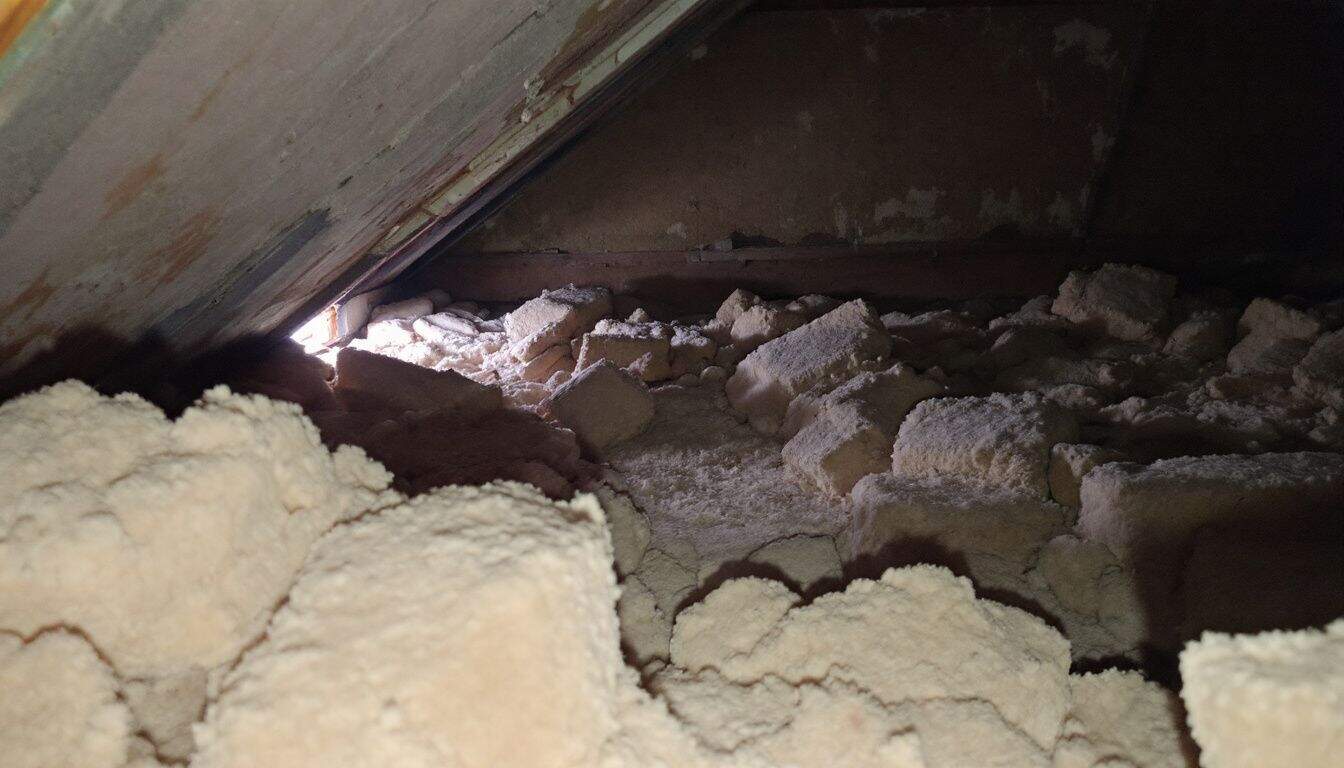
- Loft and wall insulation — loose-fill asbestos insulation was widely used in cavity walls and loft spaces
- Textured coatings — Artex and similar ceiling finishes often contain chrysotile (white asbestos)
- Floor tiles and adhesives — vinyl floor tiles, particularly those from the 1960s to 1980s, frequently contain asbestos
- Pipe and boiler lagging — asbestos was wrapped around hot water pipes, boilers, and heating ducts as insulation
- Roofing and cladding — asbestos cement sheets were used extensively on garages, sheds, and extensions
- Soffit boards and ceiling tiles — particularly in properties built during the post-war housing boom
- Older domestic appliances — some ovens, storage heaters, and electric fires contained asbestos components
The critical point is that asbestos in good condition and left undisturbed poses a lower immediate risk. The danger comes when materials are damaged, drilled, sanded, or disturbed during renovation work — that’s when fibres become airborne and can be inhaled.
The Health Risks: What Asbestos Exposure Actually Does to Your Body
The reason asbestos is so dangerous is straightforward: the fibres are microscopic, virtually invisible, and once inhaled, they cannot be expelled by the body. They lodge permanently in lung tissue and the lining of the chest cavity, causing damage that accumulates over decades.
Asbestosis
Repeated exposure to asbestos fibres causes progressive scarring of the lung tissue, a condition known as asbestosis. Breathing becomes increasingly difficult, and there is no cure — only management of symptoms. It is a debilitating, life-limiting disease that robs people of their quality of life over many years.
Mesothelioma
Mesothelioma is a rare and aggressive cancer that develops in the lining of the lungs, abdomen, or heart. It is almost exclusively caused by asbestos exposure, and survival rates remain very low.
By the time symptoms appear, the disease is typically at an advanced stage. The particular tragedy of mesothelioma is that symptoms can take 20 to 40 years to manifest — meaning someone exposed during a home renovation decades ago might not receive a diagnosis until much later in life.
Lung Cancer
Asbestos exposure significantly increases the risk of lung cancer, particularly in people who smoke. The combination of asbestos fibres and cigarette smoke is considerably more dangerous than either factor alone, multiplying risk in a way that makes avoiding exposure even more critical.
Pleural Plaques and Pleural Thickening
These are changes to the lining of the lungs caused by asbestos exposure. While pleural plaques themselves are not cancerous, they are a marker of past exposure and can be associated with reduced lung function over time.
The World Health Organisation is unequivocal: there is no safe level of asbestos exposure. Even brief, one-off contact with disturbed asbestos-containing materials carries some degree of risk.
How Does Asbestos in the UK Impact Your Family’s Safety at Home?
For most families, the greatest risk comes not from passive exposure to intact asbestos, but from well-intentioned DIY projects. Drilling a hole through an Artex ceiling to fit a light fitting, sanding down old floor tiles, or knocking through a wall without checking what’s inside — these are precisely the scenarios that put families in danger.
Children are particularly vulnerable. Their lungs are still developing, and they breathe more rapidly than adults, meaning they can inhale a proportionally higher volume of airborne fibres. Any disturbance of asbestos-containing materials in a family home puts children at elevated risk.
Before any renovation, refurbishment, or even minor alteration to a pre-1990s property, asbestos testing should be your very first step — not an afterthought. A qualified surveyor can identify exactly what materials are present and advise on whether they can be safely managed in place or need to be removed before work begins.
Asbestos in Schools: A Wider Family Concern
The asbestos risk to your family doesn’t stop at your front door. A significant proportion of state school buildings in England were constructed during the post-war decades when asbestos use was at its peak, and many still contain asbestos-containing materials today.
Children and school staff face ongoing risk if asbestos-containing materials in school buildings are deteriorating or disturbed during maintenance work. The consequences of childhood exposure can take decades to manifest — but when they do, they are often fatal.
Educational institutions are legally required to manage asbestos under the Control of Asbestos Regulations, and regular monitoring is a fundamental part of that duty. If you have concerns about asbestos in your child’s school, you are entitled to ask the school or local authority about their asbestos management plan. Every school should have one, and it should be kept up to date.
The Legal Framework: What UK Law Requires
The Control of Asbestos Regulations place clear legal duties on those who manage non-domestic premises — including landlords, employers, and building owners. These regulations exist because asbestos-related diseases continue to claim lives in the UK every year.
The regulations require duty holders to:
- Identify all asbestos-containing materials in a property
- Assess the condition and risk posed by those materials
- Create and maintain an asbestos register
- Implement a written asbestos management plan
- Monitor and regularly review the condition of asbestos materials
- Use licensed contractors for high-risk removal work
The Health and Safety Executive (HSE) publishes detailed guidance — including HSG264 — on how surveys should be conducted, what types of survey are appropriate in different circumstances, and how duty holders should manage their responsibilities.
Non-compliance is not treated lightly. The HSE has the power to issue improvement and prohibition notices, and prosecutions for asbestos-related failings can result in substantial fines and, in serious cases, custodial sentences.
What About Residential Properties?
Private homeowners are not subject to the same legal duties as commercial landlords or employers — but the risks are identical regardless of legal status. If you are a landlord renting out a residential property built before 2000, you have a duty of care to your tenants.
Failing to identify and manage asbestos in a rental property could expose you to significant legal liability if a tenant or contractor is subsequently harmed. Commissioning a management survey is the most straightforward way to understand what you’re dealing with and demonstrate that you’ve taken your responsibilities seriously.
Detecting and Testing for Asbestos: The Right Approach
You cannot identify asbestos by sight alone. Materials that look perfectly ordinary — a ceiling, a floor tile, a pipe — may contain asbestos fibres that are invisible to the naked eye. The only reliable way to confirm whether a material contains asbestos is through laboratory analysis of a sample taken by a qualified professional.
Here is how the process works:
- Appoint a qualified asbestos surveyor — look for surveyors whose laboratory is UKAS-accredited
- Choose the right type of survey — a Management Survey identifies and assesses asbestos in normally occupied buildings; a Refurbishment and Demolition Survey is required before any intrusive work
- Sample collection — the surveyor takes small samples of suspected materials using appropriate PPE to prevent fibre release during the process
- Laboratory analysis — samples are sent to an accredited laboratory, which confirms the presence, type, and concentration of asbestos fibres
- Risk assessment and report — the surveyor produces a written report detailing findings, risk ratings, and recommended actions
- Air monitoring — in some cases, particularly following disturbance or removal work, air quality testing measures airborne fibre concentrations to confirm the area is safe
Our dedicated asbestos testing service explains the options in plain language so you can make an informed decision before booking.
If you’re based in the capital, our team provides a full asbestos survey London service covering all property types across the city. We also offer a dedicated asbestos survey Manchester service and an asbestos survey Birmingham service for homeowners, landlords, and businesses across the Midlands and North West.
Safe Removal: When Asbestos Has to Go
Not all asbestos needs to be removed. In many cases, the safest course of action is to leave asbestos-containing materials undisturbed and in place, monitor their condition regularly, and ensure anyone working on the property is made aware of their location. This is known as managing asbestos in situ, and it is often the recommended approach.
However, when removal is necessary — because materials are deteriorating, or because renovation work cannot proceed safely around them — it must be carried out by professionals. Certain types of asbestos, including sprayed coatings and asbestos insulating board, can only legally be removed by HSE-licensed contractors.
Professional asbestos removal involves:
- Isolating the work area with sealed enclosures to prevent fibre spread
- Using appropriate respiratory protective equipment (RPE) and disposable coveralls
- Wetting materials during removal to suppress fibre release
- Disposing of all asbestos waste as hazardous material at licensed disposal sites
- Air clearance testing after removal to confirm the area is safe before re-occupation
Never attempt to remove asbestos yourself. Even small amounts of disturbed asbestos can release large numbers of fibres into a confined domestic space, and the consequences can be devastating — both for your immediate health and for the long-term health of everyone in your household.
Renovations and DIY: Essential Precautions Before You Start
If you are planning any work on a property built before 2000, follow these steps before you pick up a drill or a sledgehammer:
- Assume asbestos is present until proven otherwise
- Commission a demolition survey from a qualified surveyor before any intrusive or refurbishment work begins
- Review the survey report and identify all asbestos-containing materials in the areas to be worked on
- Arrange for any high-risk materials to be removed by a licensed contractor before work begins
- Ensure all tradespeople working on the property are informed of any remaining asbestos-containing materials
- Do not disturb any materials flagged in the survey report without professional advice
This applies whether you’re fitting a new kitchen, extending your loft, or simply adding a plug socket. If the property is old enough to contain asbestos, no renovation task is too small to warrant checking first.
Medical Surveillance: Protecting Those Already Exposed
If you know or suspect that you or a family member has been exposed to asbestos — whether through DIY work, occupational exposure, or living in a property where asbestos-containing materials were disturbed — speak to your GP without delay. Be specific about the nature of the exposure, when it occurred, and for how long.
Your GP can refer you to a specialist respiratory physician for assessment. Early detection does not reverse damage already done, but it allows for closer monitoring and faster intervention if disease develops. Keep a written record of any known asbestos exposure, including dates, locations, and circumstances — this information can be critical for diagnosis and, if necessary, for any future legal claim.
Occupational exposure to asbestos may also entitle you to industrial injuries disablement benefit or compensation through the courts. A solicitor specialising in asbestos-related disease can advise on your options.
Buying or Selling a Property: What You Need to Know
Asbestos is not a legal requirement to disclose in a standard property sale in England and Wales — but that doesn’t mean you should ignore it. If you’re buying a pre-2000 property, commissioning an asbestos survey before exchange of contracts gives you a clear picture of what you’re inheriting.
If asbestos is found, you can use the survey findings to renegotiate the purchase price, factor removal costs into your budget, or walk away from the deal entirely. Discovering asbestos after you’ve moved in — particularly after you’ve already started renovation work — is a far more stressful and expensive situation.
If you’re selling, having a current asbestos survey to hand demonstrates transparency and can prevent sales falling through at the last minute when a buyer’s surveyor raises concerns.
Frequently Asked Questions
How does asbestos in the UK impact your family’s safety if it’s not visibly damaged?
Asbestos that is in good condition and left completely undisturbed poses a lower immediate risk than damaged or deteriorating materials. However, it still needs to be identified, recorded, and monitored — because conditions can change. A future DIY project, a leak, or even routine maintenance could disturb materials that were previously stable. The only way to manage the risk properly is to know exactly where asbestos is located in your property and ensure it is kept in good condition.
Can I test for asbestos myself using a home testing kit?
Home testing kits are available, but they carry significant risks. Collecting a sample without proper training and equipment can release asbestos fibres into your home, putting your family at immediate risk. The HSE recommends that sampling is carried out by a qualified professional using appropriate PPE. A UKAS-accredited laboratory analysis, conducted as part of a professional survey, gives you a legally defensible result and a full risk assessment — not just a positive or negative answer.
Do I need an asbestos survey if my house was built in the 1990s?
The use of asbestos in construction was progressively restricted and ultimately banned in the UK, with the final prohibition on all forms of asbestos coming into force in 1999. Properties built or refurbished before that date may contain asbestos-containing materials. If your home was built or significantly renovated before 2000, a survey is advisable before any intrusive work is carried out — even if the property appears relatively modern.
What is the difference between a management survey and a demolition survey?
A management survey is designed for properties in normal occupation. It identifies the location and condition of asbestos-containing materials that could be disturbed during everyday use or minor maintenance, without involving intrusive investigation. A refurbishment and demolition survey is far more thorough — it involves destructive inspection of areas that will be affected by planned work, and it is a legal requirement before any refurbishment or demolition begins. The right survey depends entirely on what you plan to do with the property.
Is asbestos removal always necessary?
No — and in many cases, removal is not the recommended course of action. If asbestos-containing materials are in good condition and are not going to be disturbed, managing them in place with regular monitoring is often safer than attempting removal, which itself carries a risk of fibre release. Removal becomes necessary when materials are deteriorating, when they are in a location that makes disturbance during future work unavoidable, or when a property is being demolished or extensively refurbished. A qualified surveyor will advise on the most appropriate course of action based on the specific materials and their condition.
Speak to Supernova Asbestos Surveys Today
Supernova Asbestos Surveys has completed over 50,000 surveys across the UK, helping homeowners, landlords, and businesses understand exactly what they’re dealing with — and what to do about it. Whether you need a management survey, a pre-renovation inspection, or specialist testing, our UKAS-accredited team is ready to help.
Call us on 020 4586 0680 or visit asbestos-surveys.org.uk to book your survey or request a quote. Don’t leave your family’s safety to chance.