
When was asbestos banned in UK is one of the most common questions property owners and managers ask, and for good reason. The short answer is that asbestos was fully banned in 1999, but the practical reality is more complicated: asbestos did not disappear from buildings when the law changed, and it still turns up regularly in premises across the UK.
If you manage, own or maintain a building constructed or refurbished before 2000, asbestos should stay firmly on your risk radar. Knowing when asbestos was banned in UK helps with context, but it does not tell you whether asbestos is present in your property today. That takes proper inspection, accurate records and the right survey for the work you are planning.
When was asbestos banned in UK: the key dates that matter
If someone asks when was asbestos banned in UK, the legally useful answer is that the ban happened in stages. Some asbestos types were prohibited earlier, while others remained in use until the final ban.
- 1985: blue asbestos (crocidolite) and brown asbestos (amosite) were banned from new importation and use
- 1999: white asbestos (chrysotile) was banned, completing the prohibition on all asbestos types
So the simple answer is full prohibition in 1999. The more practical answer is partially in 1985 and fully in 1999.
That distinction matters on site. A building completed after 1985 is not automatically asbestos-free, because white asbestos continued to be used until the final ban. In day-to-day property management, any building built or refurbished before 2000 should be treated as potentially containing asbestos unless reliable evidence shows otherwise.
Why asbestos was used so widely before the ban
Asbestos was popular because it was cheap, strong, heat resistant and easy to mix into other building products. For decades, it was specified for insulation, fire protection and durability in all sorts of premises.
You still find asbestos-containing materials in offices, schools, warehouses, shops, factories, plant rooms and blocks of flats. It was used in both obvious and hidden locations, which is why older buildings can still present a real risk long after the legal ban.
Common reasons asbestos was specified
- Fire protection around structural steel and service risers
- Thermal insulation on pipes, boilers and plant
- Acoustic and decorative finishes on ceilings and walls
- Strengthening cement products such as roof sheets and cladding
- Floor tiles, backing materials and bitumen adhesives
- Panels, gaskets, rope seals and fire doors
If you are responsible for an older property, the key lesson is simple: age is one of the strongest warning signs. When people ask when was asbestos banned in UK, what they usually need to know is whether their building sits in the high-risk age range. If it predates 2000, the answer is yes.
What changed in 1985 and why it was not the end of the problem
The first major restriction came in 1985, when blue and brown asbestos were banned from new use. These types were widely associated with higher-risk materials such as sprayed coatings, insulation board and thermal lagging.
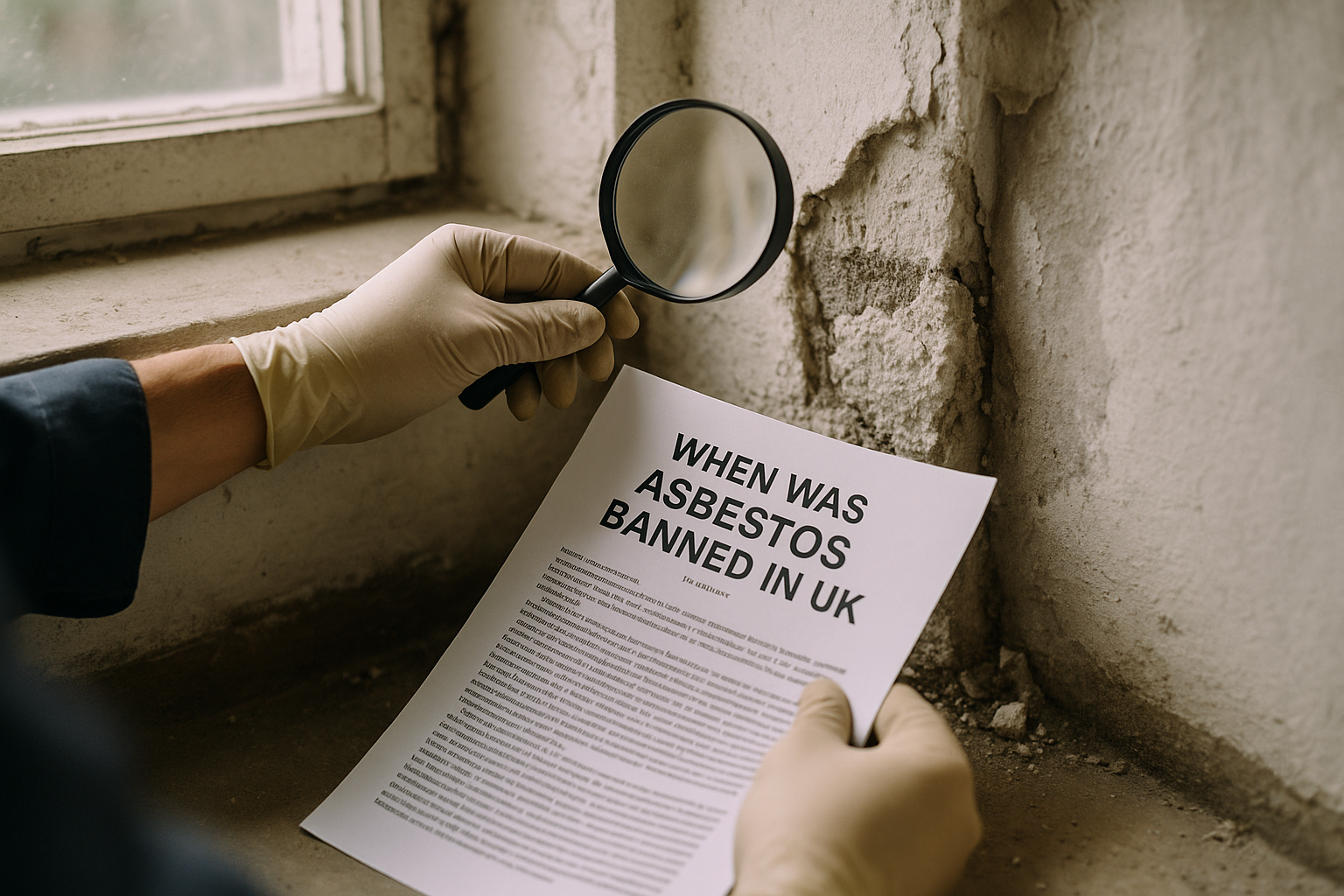
They were recognised as especially dangerous because some of the materials containing them could release fibres more easily when disturbed. Drilling, cutting, breaking, sanding or stripping them out could create significant exposure risks.
Why 1985 did not end asbestos risk
- White asbestos was still legal after 1985
- Existing asbestos in buildings did not have to be removed
- Older materials stayed in place across the built environment
- Refurbishment work could still uncover hidden asbestos
- Building records were often incomplete, vague or later lost
This is why when was asbestos banned in UK is only the starting point. The more useful question for any duty holder is: what asbestos-containing materials are actually in this building now, what condition are they in, and could planned works disturb them?
The full ban in 1999 and what it means now
The final ban came in 1999, when white asbestos was prohibited. From that point, all asbestos types were banned from new supply and installation in the UK.
What the ban did not do was trigger automatic removal of every asbestos-containing material already installed. Many asbestos products remained in place lawfully, provided they were in good condition and managed correctly.
That is where many misunderstandings begin. People hear the date and assume the issue ended there. In reality, the ban stopped new use, but it did not remove the legacy risk in older premises.
What the full ban means in practice
- No new asbestos use was permitted after 1999
- Older asbestos-containing materials could still remain in buildings
- Duty holders still had to identify and manage asbestos risk
- Maintenance, refurbishment and demolition work still required proper checks
So when was asbestos banned in UK? Fully in 1999. But if you are managing a building, the date is only useful as a guide to likelihood. It does not replace a survey, an asbestos register or a management plan.
Where asbestos is still found in older UK properties
Asbestos is still regularly found in buildings constructed or refurbished before 2000. Some materials are easy to spot, but many are concealed in ceiling voids, risers, service ducts, floor voids, loft spaces and behind finishes.
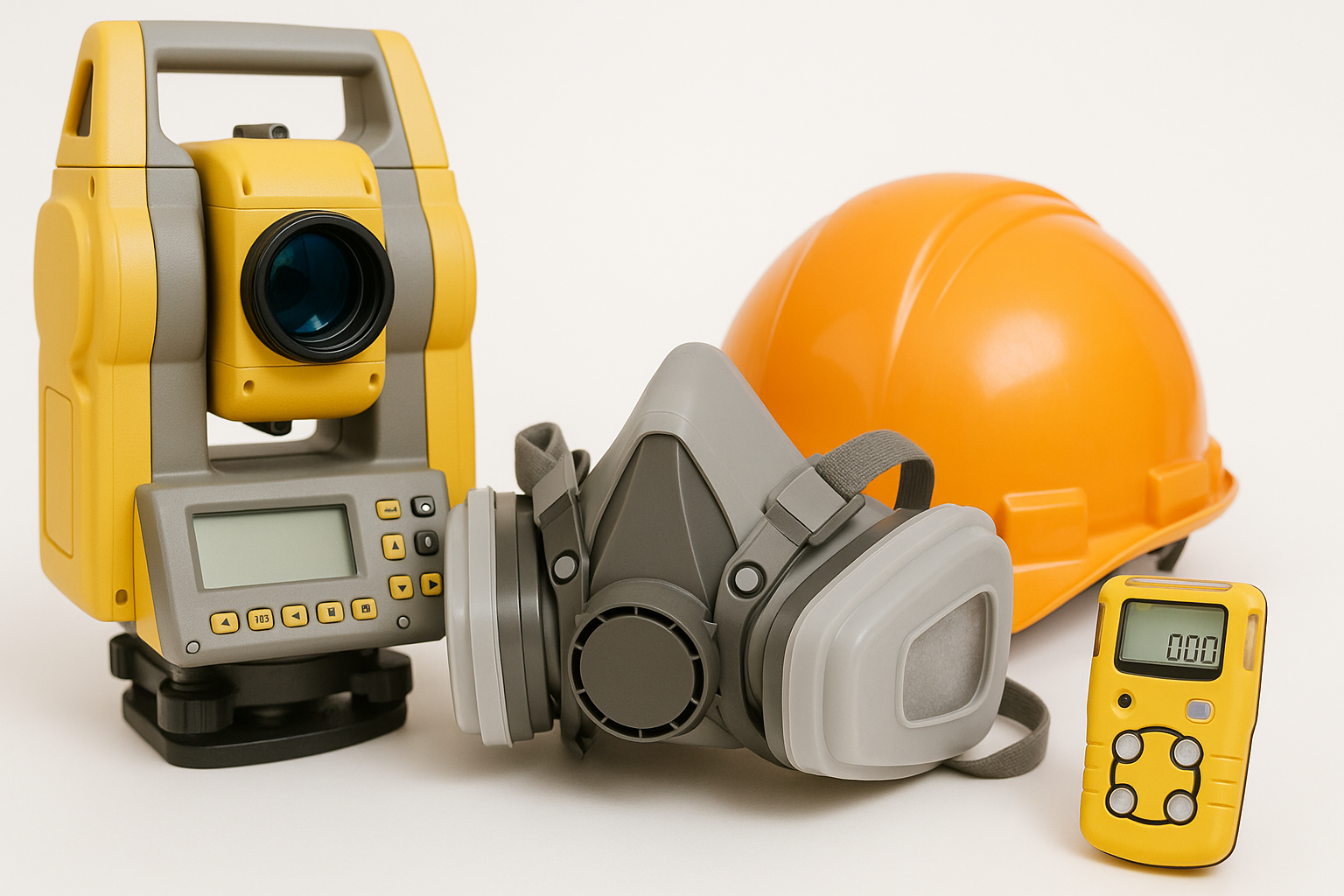
You cannot confirm asbestos by sight alone. Many non-asbestos products look similar, which is why competent inspection and, where appropriate, sampling are essential.
Common asbestos-containing materials
- Pipe insulation and thermal lagging
- Asbestos insulation board in partitions, soffits and ceiling voids
- Sprayed coatings on structural elements
- Textured coatings on walls and ceilings
- Floor tiles and bitumen adhesive
- Cement roof sheets, gutters, downpipes and wall panels
- Boiler and plant room insulation
- Panels, fire doors and rope seals
Condition matters just as much as material type. A sealed and undisturbed asbestos cement sheet may present a lower immediate risk than damaged insulation board in a busy service area where contractors work regularly.
If you need a starting point for occupied premises, a professional management survey helps identify accessible asbestos-containing materials that could be disturbed during normal occupation, maintenance or routine use.
Location can also affect how quickly you arrange support. If you need help in the capital, an asbestos survey London service can help establish what is present before maintenance or fit-out work begins.
For sites in the North West, arranging an asbestos survey Manchester is a practical step before contractors open up ceilings, risers or plant areas.
If your premises are in the Midlands, an asbestos survey Birmingham can provide the evidence you need before refurbishment, strip-out or demolition planning.
Why asbestos is dangerous when disturbed
Asbestos becomes dangerous when fibres are released into the air and inhaled. That usually happens when asbestos-containing materials are drilled, cut, sanded, broken, removed or otherwise disturbed.
The fibres are microscopic. You cannot see them, smell them or judge the level of risk by appearance alone.
Health conditions linked to asbestos exposure
- Mesothelioma
- Asbestos-related lung cancer
- Asbestosis
- Pleural thickening
All asbestos types are hazardous, including white asbestos. That is another reason the question when was asbestos banned in UK should never lead anyone to assume that some asbestos products were safe. They were not.
On site, the immediate issue is rarely the historic date of the ban. The real concern is whether planned work could disturb asbestos that still remains in the building.
What the law says now
The main legal framework is the Control of Asbestos Regulations. These regulations place duties on those who manage non-domestic premises and on those carrying out work that may disturb asbestos.
Surveying work is commonly undertaken in line with HSG264, which sets out recognised expectations for asbestos surveys. HSE guidance also makes clear that duty holders should know where asbestos is, assess its condition and prevent accidental disturbance.
The duty to manage asbestos
If you are the duty holder for non-domestic premises, you must take reasonable steps to determine whether asbestos is present, where it is, what condition it is in and how the risk will be controlled.
This duty often falls on:
- Landlords
- Managing agents
- Employers
- Facilities managers
- Anyone with maintenance responsibility for the premises
In practice, that usually means:
- Identifying asbestos-containing materials or presuming their presence
- Keeping an up-to-date asbestos register
- Assessing the risk of exposure
- Preparing and maintaining an asbestos management plan
- Sharing relevant information with contractors and maintenance teams
- Reviewing the position regularly and after changes to the building
If records are missing, outdated or too general, act before work starts. Old assumptions are not a defence if asbestos is disturbed during maintenance or refurbishment.
When a management survey is not enough
A management survey is designed for normal occupation and routine maintenance. It is not always suitable where planned works will disturb the building fabric.
If you are planning refurbishment, strip-out or demolition, you will usually need a more intrusive survey so hidden asbestos can be identified before work begins. Sending contractors in with partial information is one of the quickest ways to trigger delays, contamination concerns and unexpected cost.
As a rule, match the survey type to the work. Routine occupation needs one level of information. Intrusive building work needs more.
Signs you may need more than basic asbestos information
- Walls, ceilings or floors will be opened up
- Services will be rerouted or replaced
- Plant rooms will be stripped or upgraded
- Partitions, soffits or risers will be removed
- The building is being prepared for demolition
If any of those apply, pause and review your asbestos information before work starts.
What property owners and managers should do next
If your building predates 2000, treat asbestos as a realistic possibility. The safest approach is structured, documented and proportionate to the building and the planned works.
Practical action plan for older buildings
- Check when the building was constructed and whether major refurbishments took place before 2000
- Locate any existing asbestos survey reports, sample results and asbestos register
- Review whether that information is current and suitable for the work you are planning
- Inspect the condition of any known asbestos-containing materials
- Make sure contractors receive asbestos information before they start
- Arrange the correct survey if maintenance, refurbishment or demolition is planned
- Stop work immediately if suspect materials are uncovered unexpectedly
If materials are damaged or likely to be disturbed, do not let general contractors guess their way through it. Suspect materials should be assessed properly and managed with the right controls.
Where removal is necessary, use a competent specialist for asbestos removal and make sure the work is correctly scoped, risk assessed and supervised. Removal is not always the first answer, but uncontrolled disturbance is never acceptable.
Does every asbestos-containing material need to be removed?
No. This is one of the biggest misunderstandings that follows the question when was asbestos banned in UK. A ban on new use does not mean every existing asbestos material must be stripped out immediately.
If asbestos-containing material is in good condition, sealed, protected from damage and unlikely to be disturbed, it can often be managed in place. In some cases, leaving it undisturbed is safer than removing it unnecessarily.
When management in place may be suitable
- The material is in sound condition
- It is in a low-risk location with little chance of disturbance
- It is clearly recorded in the asbestos register
- There is a management plan and periodic reinspection
When removal may be more appropriate
- The material is damaged or deteriorating
- Refurbishment or demolition will disturb it
- It is in an area with repeated maintenance access
- Encapsulation or protection is no longer reliable
The right decision depends on material type, condition, accessibility and future use of the building. That decision should be based on survey evidence and competent advice, not guesswork.
Common mistakes people make after learning when was asbestos banned in UK
Knowing the date helps, but it can also create false confidence. These are the errors that lead to avoidable exposure, project delays and compliance problems.
1. Assuming post-1985 means asbestos-free
It does not. White asbestos remained legal until the full ban in 1999.
2. Assuming post-1999 means zero risk
Buildings are rarely that simple. Older stock, retained structures, undocumented refurbishments and reused materials can all complicate the picture.
3. Relying on memory instead of records
“We think that was removed years ago” is not enough. If there is no reliable report, register or removal paperwork, verify the position properly.
4. Sending contractors in blind
Even minor works such as cabling, drilling, alarm installation or lighting replacement can disturb asbestos if the area has not been checked first.
5. Treating all asbestos materials the same
Risk depends on the type of material, its condition and the likelihood of disturbance. Not all asbestos-containing materials present the same level of immediate risk.
6. Delaying action because the material looks intact
Visual condition matters, but it is not the whole picture. If planned work will affect the area, you still need suitable asbestos information before anyone starts.
How to use the ban date properly when assessing a building
The question when was asbestos banned in UK is useful when it is used as a screening tool rather than a final answer. It helps you judge whether asbestos is likely, but it should never be the only basis for decision-making.
A sensible approach looks like this:
- Use the building age to flag potential asbestos risk
- Check whether refurbishments happened before 2000
- Review existing survey and register information
- Assess whether the planned work could disturb hidden materials
- Arrange the right survey before contractors begin
This avoids two common extremes: assuming every old material is asbestos without evidence, and assuming there is no risk because the building “seems modern enough”.
Frequently Asked Questions
When was asbestos fully banned in UK?
Asbestos was fully banned in the UK in 1999, when white asbestos was prohibited. Earlier restrictions in 1985 banned blue and brown asbestos, but asbestos use did not end completely until the later ban.
Can a building constructed after 1985 still contain asbestos?
Yes. That is a common misunderstanding. Because white asbestos remained legal until 1999, buildings constructed or refurbished after 1985 can still contain asbestos-containing materials.
Does a ban mean asbestos must be removed from all buildings?
No. The ban stopped new use, but it did not require automatic removal of asbestos already in place. If asbestos-containing materials are in good condition and unlikely to be disturbed, they can often be managed safely in place.
What should I do if my property was built before 2000?
Treat asbestos as a realistic possibility. Review any existing asbestos records, check whether they are current and suitable for the work planned, and arrange a professional survey if information is missing or works could disturb the building fabric.
Who is responsible for managing asbestos in non-domestic premises?
Under the Control of Asbestos Regulations, the duty to manage usually falls on whoever has responsibility for maintenance or repair of the premises. That may be a landlord, managing agent, employer, facilities manager or another duty holder depending on the arrangement.
If you need clear, reliable advice on asbestos in an older property, Supernova Asbestos Surveys can help. We provide asbestos surveys, sampling support and guidance for property owners, managers and contractors across the UK. Call 020 4586 0680 or visit asbestos-surveys.org.uk to book the right service for your building.