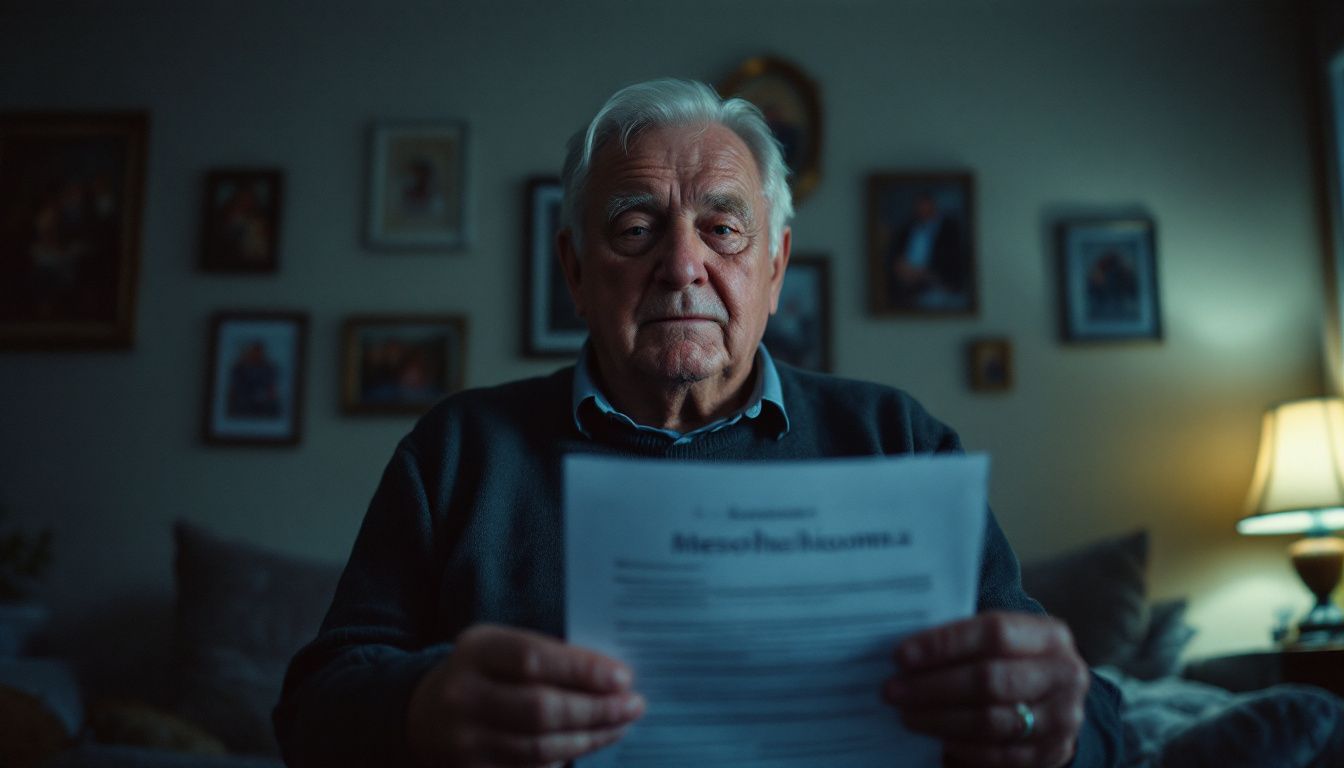
The Fight for Justice Is Still Being Fought
Every year, thousands of people across the UK receive a mesothelioma diagnosis — a devastating cancer with a direct and proven link to asbestos exposure. For many, the illness arrives decades after the exposure occurred, making the pursuit of justice feel both urgent and cruelly delayed.
Mesothelioma awareness in the UK has grown considerably in recent years, but for victims and families living with this disease, awareness alone is never enough. Justice, compensation, and meaningful support matter just as much as recognition — and the fight for all three continues.
What Is Mesothelioma and Who Does It Affect?
Mesothelioma is an aggressive cancer that develops in the lining of the lungs (pleura), abdomen (peritoneum), or heart (pericardium). In the overwhelming majority of cases, asbestos exposure is the direct cause. There is no safe level of exposure — even brief or indirect contact with asbestos fibres can trigger the disease.
What makes mesothelioma particularly devastating is its latency period. The disease can take anywhere from 20 to 50 years to develop after initial exposure. A worker who handled asbestos insulation in the 1970s may only receive a diagnosis today, long after the circumstances of their exposure have become difficult or impossible to reconstruct.
Who Is Most at Risk?
Elderly men aged 75 and older carry the highest risk, reflecting the widespread industrial use of asbestos throughout the mid-20th century. Tradespeople — including plumbers, electricians, builders, and shipyard workers — were among the most heavily exposed groups.
Approximately 2,700 new cases of mesothelioma are diagnosed in the UK each year, and around 2,500 people die from the disease annually. These figures place the UK among the countries with the highest mesothelioma rates in the world — a direct legacy of the country’s industrial history and the delayed prohibition of asbestos use.
Recognising the Symptoms
Symptoms typically include breathlessness, persistent chest pain, and a dry or painful cough. Because these symptoms closely resemble other respiratory conditions, mesothelioma is frequently diagnosed only at an advanced stage.
Early diagnosis significantly improves the options available to patients, which is precisely why public awareness of the warning signs carries such weight. If you or someone you know has a history of occupational asbestos exposure and develops any of these symptoms, prompt medical attention is essential.
The Legal Challenges Facing Asbestos Victims
Securing justice for mesothelioma is rarely straightforward. Victims face a range of legal obstacles that can make the compensation process feel overwhelming — particularly when they are already managing a life-limiting illness and the emotional toll that comes with it.
Proving Asbestos Exposure After Decades
Because of the long latency period, victims must often trace their exposure back 30, 40, or even 50 years. Employers may have gone out of business, employment records may have been destroyed, and witnesses may no longer be available.
Specialist solicitors with experience in asbestos litigation are essential for building a viable claim. Expert testimonies from occupational hygienists and medical professionals play a critical role in establishing the link between a specific workplace and a victim’s diagnosis — without this kind of specialist evidence, claims can fail even when the exposure itself is not genuinely in dispute.
Strict Time Limits on Claims
Mesothelioma claims are subject to strict limitation periods under UK law. Generally, victims have three years from the date of diagnosis — or from the date they had reasonable knowledge of the link to asbestos — to bring a claim.
For families pursuing claims after a loved one’s death, the three-year period typically runs from the date of death. Instructing a specialist solicitor as soon as possible after diagnosis gives the best chance of gathering evidence and meeting court deadlines.
The Compensation Landscape and Government Support
Compensation for mesothelioma through successful civil claims varies considerably depending on the severity of the illness, the victim’s age, loss of earnings, and care needs arising from the disease.
A significant funding gap exists within the asbestos compensation system. Asbestos trust funds — established by companies that have since become insolvent — hold substantial reserves, yet the total value of outstanding claims significantly exceeds those reserves. This shortfall places enormous pressure on victims and highlights the systemic inadequacy of current compensation arrangements.
The Mesothelioma Act: A Safety Net, Not a Solution
The Mesothelioma Act provides a safety net for victims who cannot identify a liable employer or insurer. The scheme was designed to ensure that people who developed mesothelioma through negligent workplace exposure are not left without any recourse simply because their employer’s insurer cannot be traced.
The scheme covers 80% of the average civil settlement, and government updates have raised the lump-sum award to £123,000. While this falls well short of what many victims could recover through a successful civil claim, it provides a meaningful lifeline for those who would otherwise receive nothing.
The scheme represents an important acknowledgement that the state has a responsibility to victims of industrial diseases caused by negligent employers — even where those employers or their insurers are no longer traceable.
Mesothelioma Awareness in the UK: Campaigns Fighting for Justice and Change
Mesothelioma awareness in the UK — and the broader fight for justice for asbestos victims — has been driven by a dedicated network of charities, patient groups, legal professionals, and campaigners. Their work has been instrumental in shaping legislation, raising public understanding, and ensuring that victims know their rights before it is too late to act on them.
Action Mesothelioma Day
Action Mesothelioma Day is held on the first Friday in July each year. The event brings together patients, families, healthcare professionals, and campaigners to remember those lost to the disease and to push for better support and faster access to justice.
Events are held across the UK, with a particular focus on regions with strong industrial heritage where asbestos exposure was historically widespread. The day serves as a powerful reminder that mesothelioma is not a historical problem — it is an ongoing public health crisis affecting thousands of families right now.
What Awareness Campaigns Are Achieving
Beyond raising public understanding, awareness campaigns are driving tangible improvements in policy and practice. Key areas of progress include:
- Pushing for increased funding for mesothelioma research and clinical trials
- Advocating for faster access to benefits and financial support for patients
- Lobbying for improved NHS pathways to ensure rapid diagnosis and specialist referral
- Educating employers and property owners about their ongoing legal duties regarding asbestos
- Supporting families through the legal and emotional challenges of pursuing compensation
Support groups connected to these campaigns provide practical guidance, emotional support, and access to specialist legal and medical advice. For many victims, these groups are the first point of meaningful contact after a diagnosis.
The Ongoing Asbestos Risk in UK Buildings
Mesothelioma awareness in the UK is not purely about historical exposure. Asbestos remains present in a significant proportion of UK buildings constructed before the year 2000, and the risk of exposure continues for anyone who works in or manages these properties without proper precautions.
Under the Control of Asbestos Regulations, duty holders — including landlords, employers, and building managers — have a legal obligation to identify and manage asbestos-containing materials (ACMs) in non-domestic premises. Failure to comply can result in prosecution, significant fines, and most importantly, preventable harm to workers and occupants.
Every mesothelioma diagnosis being made today is the result of an exposure that happened years or decades ago. The decisions that property owners, employers, and duty holders make right now will determine whether the UK continues to see preventable asbestos-related deaths in the decades ahead.
The Importance of Professional Asbestos Surveys
The most effective way to manage the ongoing risk is through a professional asbestos survey carried out by a qualified surveyor. A management survey identifies the location and condition of ACMs in an occupied building, enabling duty holders to manage the risk without unnecessarily disturbing materials.
Where renovation or demolition work is planned, a refurbishment survey is required before any work begins. This more intrusive survey identifies all ACMs in areas that will be disturbed, ensuring that workers are not inadvertently exposed during the project — exactly the kind of exposure that leads to a mesothelioma diagnosis decades later.
Once an asbestos register is in place, a re-inspection survey should be carried out periodically to check that known ACMs remain in a safe condition and that the risk assessment remains accurate. The HSG264 guidance published by the HSE sets out best practice for all types of asbestos survey and should be the benchmark for any duty holder managing asbestos in their premises.
What If You Suspect Asbestos at Home?
For homeowners who suspect asbestos-containing materials in their property, a DIY testing kit allows samples to be collected and sent to an accredited laboratory for analysis. This is a practical and cost-effective first step before commissioning a full professional survey.
Never attempt to disturb or remove suspected asbestos-containing materials without first confirming what they are and taking appropriate precautions. Disturbing ACMs without proper controls is one of the most common ways that domestic asbestos exposure continues to occur in the UK today — and every unnecessary exposure carries the potential for a future mesothelioma diagnosis.
Fire Risk and Asbestos: A Combined Concern
Buildings with known or suspected ACMs often require additional risk management measures beyond asbestos surveys alone. A fire risk assessment should be considered alongside asbestos management, particularly in commercial or multi-occupancy premises where fire damage could disturb ACMs and release fibres into the air.
These two areas of risk management complement each other directly. A building that has a current asbestos register and a current fire risk assessment is significantly better protected — both legally and practically — than one that treats these obligations in isolation.
Preventing Future Cases: Why Proper Management Is an Act of Responsibility
Proper asbestos management is not a bureaucratic exercise. It is a direct contribution to preventing future cases of mesothelioma — and to the broader goal of fighting for justice for asbestos victims by ensuring that no more people are needlessly exposed.
When duty holders take their obligations seriously, commission professional surveys, and maintain accurate asbestos registers, they are actively reducing the risk of exposure for everyone who works in or visits their buildings. The connection between today’s management decisions and tomorrow’s mesothelioma diagnoses is not abstract — it is the same connection that explains why the UK is still recording thousands of deaths from a disease caused by exposures that happened half a century ago.
The choices made now matter. Future generations should not be fighting the same battles that today’s asbestos victims are still fighting. Every survey commissioned, every register updated, and every precaution taken is a small but meaningful act in breaking the cycle of preventable harm.
Supernova Covers the Whole of the UK
Supernova Asbestos Surveys operates nationwide, with experienced surveyors working across every region of the UK. Whether you need an asbestos survey in London, an asbestos survey in Manchester, or an asbestos survey in Birmingham, our qualified surveyors are ready to help you meet your legal obligations and protect the people in your building.
With over 50,000 surveys completed, Supernova is the UK’s most trusted asbestos surveying company. Our surveyors are BOHS-qualified and fully independent, so you can be confident that every report you receive is accurate, impartial, and compliant with HSG264 guidance.
To book a survey or speak to a member of our team, call us on 020 4586 0680 or visit asbestos-surveys.org.uk. We respond quickly, we work around your schedule, and we give you the information you need to manage asbestos safely and legally.
Frequently Asked Questions
What is mesothelioma and what causes it?
Mesothelioma is an aggressive cancer that affects the lining of the lungs, abdomen, or heart. In the vast majority of cases, it is caused by exposure to asbestos fibres. There is no safe level of asbestos exposure — even limited or indirect contact can lead to the disease developing decades later.
How long does it take for mesothelioma to develop after asbestos exposure?
The latency period for mesothelioma is typically between 20 and 50 years. This means someone exposed to asbestos in the 1970s or 1980s may only receive a diagnosis today. This long gap between exposure and diagnosis is one of the reasons why mesothelioma cases continue to be recorded in high numbers across the UK.
Can I claim compensation if I have been diagnosed with mesothelioma?
Yes. Mesothelioma victims in the UK can pursue compensation through a civil claim against a negligent employer or their insurer. Where a liable employer or insurer cannot be traced, the Mesothelioma Act provides a government-backed scheme offering a lump-sum payment. You should instruct a specialist asbestos litigation solicitor as soon as possible after diagnosis, as strict time limits apply.
Do I need an asbestos survey if my building was built before 2000?
If you are a duty holder responsible for a non-domestic building constructed before the year 2000, you are legally required under the Control of Asbestos Regulations to manage any asbestos-containing materials present. This typically begins with a professional management survey to identify what ACMs are present and assess their condition. Domestic properties are not subject to the same legal duty, but surveys are strongly recommended before any renovation or demolition work.
What is Action Mesothelioma Day?
Action Mesothelioma Day takes place on the first Friday in July each year. It is a UK-wide event that brings together patients, families, healthcare professionals, legal experts, and campaigners to remember those who have died from mesothelioma and to push for better support, faster justice, and improved research funding. It plays a central role in maintaining mesothelioma awareness in the UK and keeping pressure on policymakers to act.