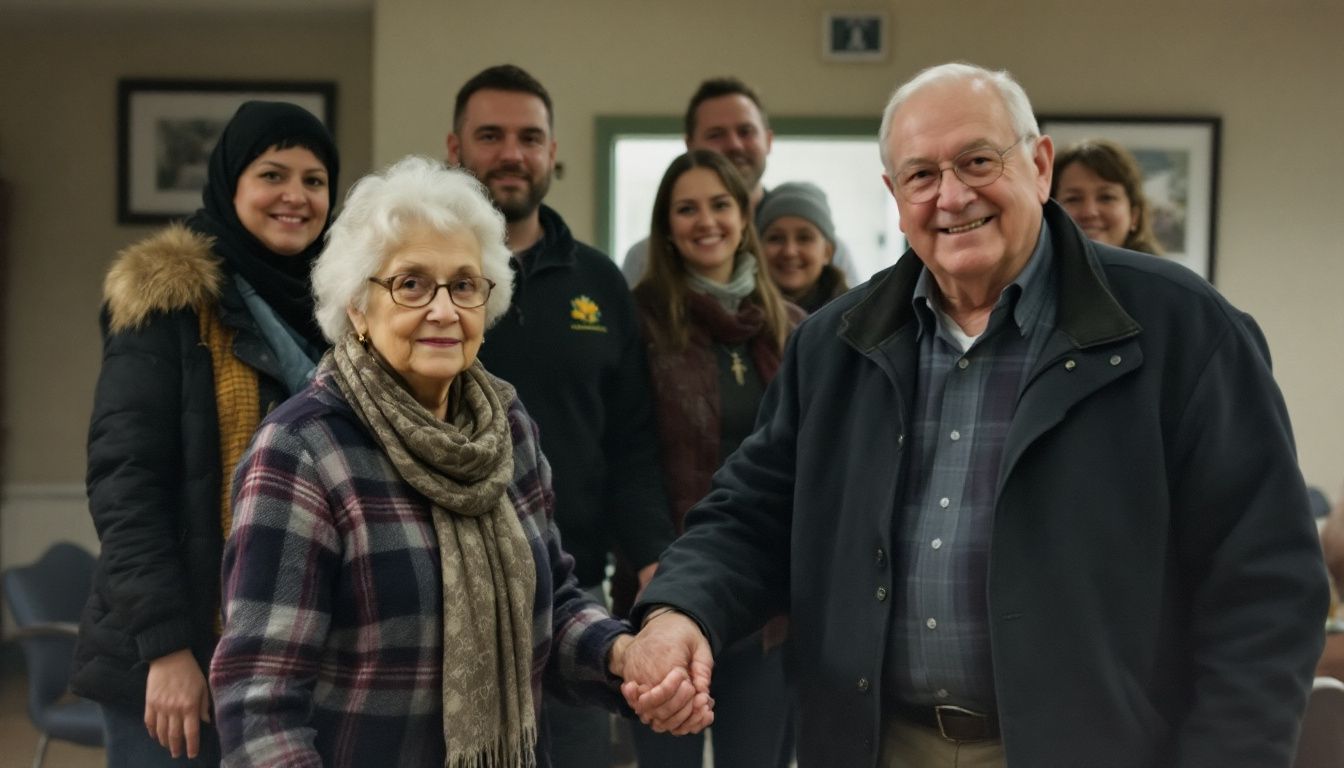
Fighting Asbestos Victims’ Rights: Why Mesothelioma Awareness Has Never Mattered More
Asbestos kills — but it does so quietly, and on a delay that can span half a lifetime. For the thousands of people diagnosed with mesothelioma in the UK every year, fighting asbestos victims’ rights through mesothelioma awareness is not a campaign slogan. It is a matter of survival, justice, and dignity.
Understanding how awareness campaigns, legal advocacy, and proper building management all connect is essential for anyone who wants to see fewer families devastated by this entirely preventable disease.
Understanding Mesothelioma: The Disease Behind the Fight
Mesothelioma is a cancer of the lining of the lungs, abdomen, or heart. It is caused almost exclusively by exposure to asbestos fibres, and what makes it particularly cruel is the latency period — symptoms can take anywhere from 20 to 50 years to appear after the initial exposure.
By the time a diagnosis is confirmed, the disease is typically at an advanced stage. That long delay creates serious legal and financial obstacles for victims, who must trace exposure events that may have happened many decades earlier, often to employers that no longer exist.
The Scale of the Problem in the UK
The UK has one of the highest rates of mesothelioma in the world. This is a direct consequence of the country’s industrial past — shipbuilding, construction, insulation work, and manufacturing all relied heavily on asbestos throughout the 20th century.
Asbestos was not fully banned in the UK until 1999. Despite that ban, millions of buildings constructed before that date still contain asbestos-containing materials (ACMs). Workers and building occupants continue to be exposed every year, often without knowing it.
Who Is Most at Risk?
The risk of asbestos exposure is not limited to those who worked directly with the material. Secondary exposure — where family members inhaled fibres brought home on contaminated clothing — has caused mesothelioma in people who never set foot in an industrial environment.
Those most commonly at risk include:
- Construction and demolition workers
- Electricians and plumbers working in older buildings
- Heating and ventilation engineers
- Former shipyard and factory workers
- Teachers and other staff in older school buildings
- Family members of workers who brought fibres home on clothing
Key Awareness Days: Putting Mesothelioma on the Public Agenda
One of the most powerful tools in fighting asbestos victims’ rights is public visibility. When mesothelioma stays out of public discourse, research funding stalls, legal protections lag, and victims feel isolated.
Two annual dates help drive that visibility and keep the issue firmly in the public eye.
Action Mesothelioma Day
Held on the first Friday of July each year, Action Mesothelioma Day is the UK’s national day of remembrance and action for people affected by mesothelioma. It brings together patients, families, medical professionals, legal advocates, and campaigners to honour those lost and push for better research funding and support.
Events typically include memorial services, fundraising activities, and direct calls on government to strengthen protections for workers and victims.
Mesothelioma Awareness Day
Observed on 26 September each year, Mesothelioma Awareness Day is an international campaign. It aims to educate the public about the dangers of asbestos, amplify the experiences of those affected, and build pressure for stronger global action — including in countries where asbestos is still mined and exported.
Together, these two dates create annual focal points for advocacy — moments when media, policymakers, and the public pay closer attention to an ongoing public health crisis.
Legal Advocacy: Securing Justice for Asbestos Victims
Awareness without action changes very little. Legal advocacy sits at the core of fighting asbestos victims’ rights, ensuring that those harmed by asbestos exposure can access compensation, support, and justice — regardless of how long ago the exposure occurred.
What Legal Support Looks Like in Practice
Many law firms specialising in asbestos claims offer no-win, no-fee arrangements. This removes the financial barrier that would otherwise prevent many victims — often elderly and in poor health — from pursuing the compensation they deserve.
Legal workshops and community outreach sessions, often held in cities with high rates of industrial asbestos use, help victims and families understand their rights. These sessions typically cover:
- How to trace historical asbestos exposure
- What medical evidence is required for a claim
- How compensation is calculated
- What government schemes are available when a former employer is no longer trading
Government Compensation Schemes
For victims whose former employers are no longer in business, the UK government operates specific compensation schemes. The Diffuse Mesothelioma Payment Scheme provides lump-sum payments to eligible sufferers who cannot trace a liable employer or insurer.
Industrial Injuries Disablement Benefit is also available to those whose mesothelioma or other asbestos-related condition arose from employment. These schemes exist because of sustained advocacy — campaigners fought hard to ensure that victims were not left without recourse simply because companies had dissolved.
Public Awareness Campaigns: Building Momentum for Change
Legal frameworks and compensation schemes do not emerge in a vacuum. They are won through sustained public pressure, and awareness campaigns have played a decisive role in shaping UK policy on asbestos and mesothelioma.
Fundraising Events That Make a Difference
Events like Miles for Meso and iWalk4Meso have raised significant funds for mesothelioma research while bringing communities together. These events serve a dual purpose: generating income for vital scientific work and keeping public attention focused on a disease that can otherwise be overlooked.
The Light the World Blue campaign, which saw global landmarks illuminated in blue to mark mesothelioma awareness, demonstrated the international dimension of the asbestos problem. Asbestos continues to be mined and used in many countries where it remains legal, and global pressure is needed to end that practice.
Education as Prevention
Awareness campaigns are not only about supporting existing victims. They are also about preventing future ones. Educating tradespeople, property managers, and building owners about the risks of disturbing asbestos-containing materials is one of the most effective ways to reduce new cases of mesothelioma in the decades ahead.
If you manage a property built before 2000, understanding your legal obligations is essential. A management survey identifies the location and condition of any ACMs in your building, giving you the information you need to manage them safely and comply with the duty to manage under the Control of Asbestos Regulations.
The Role of Advocacy Organisations
Organisations such as the Asbestos Disease Awareness Organisation (ADAO) give victims and their families a unified voice. They provide platforms for personal testimonies, connect victims with legal and medical resources, and lobby for stronger protections at national and international levels.
Their work illustrates a core truth about fighting asbestos victims’ rights: individual cases matter, but collective action is what drives systemic change.
How Awareness Campaigns Led to the UK Asbestos Ban
It is worth pausing to appreciate how far the UK has come — and to recognise that this progress was not inevitable. It was the result of decades of campaigning by victims, their families, trade unions, and advocacy organisations.
The UK banned blue and brown asbestos in 1985. White asbestos was banned in 1999. These milestones came after sustained pressure from campaigners who documented the human cost of asbestos use and demanded that government act.
The same model of evidence-based advocacy continues today — pushing for better compensation, stronger enforcement, and greater public awareness. Countries that have not yet banned asbestos remain a focus of international advocacy efforts, because asbestos exported to developing nations continues to cause preventable deaths.
The Connection Between Asbestos Surveys and Victim Prevention
Every conversation about mesothelioma awareness must eventually turn to prevention. The disease that kills people today was caused by exposures that happened decades ago. The exposures happening today will cause deaths decades from now — unless we act.
Proper asbestos management in buildings is one of the most direct ways to prevent future victims. This is not just a moral obligation; it is a legal one.
Your Legal Duty as a Property Manager or Owner
Under the Control of Asbestos Regulations, the duty holder for any non-domestic premises has a legal obligation to identify, assess, and manage asbestos-containing materials. Failing to do so puts workers, contractors, and visitors at risk — and exposes the duty holder to significant legal liability.
If you are planning renovation or demolition work, a refurbishment survey is legally required before work begins. This ensures that any ACMs are identified and safely managed before they can be disturbed and release dangerous fibres into the air.
Once an asbestos register is in place, it does not simply sit on a shelf. Conditions change, and ACMs must be monitored over time. A re-inspection survey ensures that previously identified materials are reassessed regularly, and that any deterioration is caught before it becomes a hazard.
When You Are Unsure Whether Asbestos Is Present
If you suspect a material may contain asbestos but have not yet commissioned a full survey, a testing kit allows you to collect samples for laboratory analysis. This is a practical first step for homeowners or small property managers who want to establish whether a risk exists before proceeding to a full survey.
For properties where fire safety and asbestos management intersect — particularly in commercial premises — a fire risk assessment should be considered alongside your asbestos management plan. Both are legal requirements for many commercial buildings, and addressing them together is both efficient and cost-effective.
Supporting the Fight: What You Can Do Right Now
You do not need to be a lawyer or a professional campaigner to contribute to fighting asbestos victims’ rights and mesothelioma awareness. There are practical steps that anyone can take:
- Share information about mesothelioma awareness days on social media to reach people who may not know the risks
- Donate to or participate in fundraising events like Miles for Meso or iWalk4Meso
- Report unsafe asbestos to the HSE if you encounter it in a workplace or public building
- Ensure your own building is managed safely — if you are a duty holder, commission the surveys required by law
- Support affected colleagues and family members in accessing legal advice and the compensation schemes available to them
The connection between individual action and systemic change is real. Every property manager who commissions a survey, every tradesperson who refuses to disturb unidentified materials, and every campaigner who shares a victim’s story is contributing to a future with fewer mesothelioma diagnoses.
Asbestos Surveys Across the UK
Wherever you are based, professional asbestos surveying is accessible. If you are in the capital, our team provides an asbestos survey London service across the city and surrounding areas. For those in the north of England, we deliver a full asbestos survey Manchester service covering the wider region.
Our Midlands team carries out thorough asbestos survey Birmingham work for commercial and public sector clients alike. Wherever you are in the UK, Supernova Asbestos Surveys can help you meet your legal obligations and protect the people in your building.
Take Action: Protect Your Building and Support the Cause
Mesothelioma awareness and asbestos management are two sides of the same coin. Honouring the victims of this disease means doing everything in our power to prevent the next generation of diagnoses — and that starts with knowing what is in your building.
Supernova Asbestos Surveys has completed over 50,000 surveys nationwide. Our accredited surveyors work with property managers, employers, local authorities, and housing providers to ensure that asbestos-containing materials are identified, recorded, and managed in full compliance with the Control of Asbestos Regulations and HSE guidance including HSG264.
To book a survey or discuss your requirements, call us on 020 4586 0680 or visit asbestos-surveys.org.uk. Do not wait for an incident to prompt action — the time to manage asbestos safely is before a fibre is ever disturbed.
Frequently Asked Questions
What is mesothelioma and how is it caused?
Mesothelioma is a cancer affecting the lining of the lungs, abdomen, or heart. It is caused almost exclusively by exposure to asbestos fibres. Because symptoms can take 20 to 50 years to appear after exposure, many people are diagnosed at an advanced stage, often long after the exposure event itself.
What legal rights do mesothelioma victims have in the UK?
Mesothelioma victims in the UK have the right to pursue compensation through civil claims against former employers or their insurers. Where a former employer is no longer trading, the Diffuse Mesothelioma Payment Scheme provides lump-sum payments to eligible sufferers. Industrial Injuries Disablement Benefit may also be available. Specialist asbestos solicitors, many of whom work on a no-win, no-fee basis, can guide victims through the claims process.
When is Mesothelioma Awareness Day and why does it matter?
Mesothelioma Awareness Day is observed on 26 September each year. It is an international campaign designed to educate the public about asbestos dangers, amplify the voices of those affected, and build pressure for stronger action globally. In the UK, Action Mesothelioma Day — held on the first Friday of July — serves as the national day of remembrance and advocacy.
What are my legal obligations as a property manager regarding asbestos?
Under the Control of Asbestos Regulations, duty holders for non-domestic premises must identify, assess, and manage any asbestos-containing materials on site. This typically requires a management survey for occupied buildings and a refurbishment survey before any renovation or demolition work. ACMs must be recorded in an asbestos register and monitored through regular re-inspection surveys.
How can I find out if a material in my building contains asbestos?
The only reliable way to confirm whether a material contains asbestos is through laboratory analysis of a sample. You can use a testing kit to collect samples safely for analysis, or commission a professional asbestos survey from an accredited surveyor. If you manage a commercial or public building, a full management survey is strongly recommended to ensure full compliance with your legal duty.