Asbestos and Mesothelioma Risk: What Everyone Needs to Know
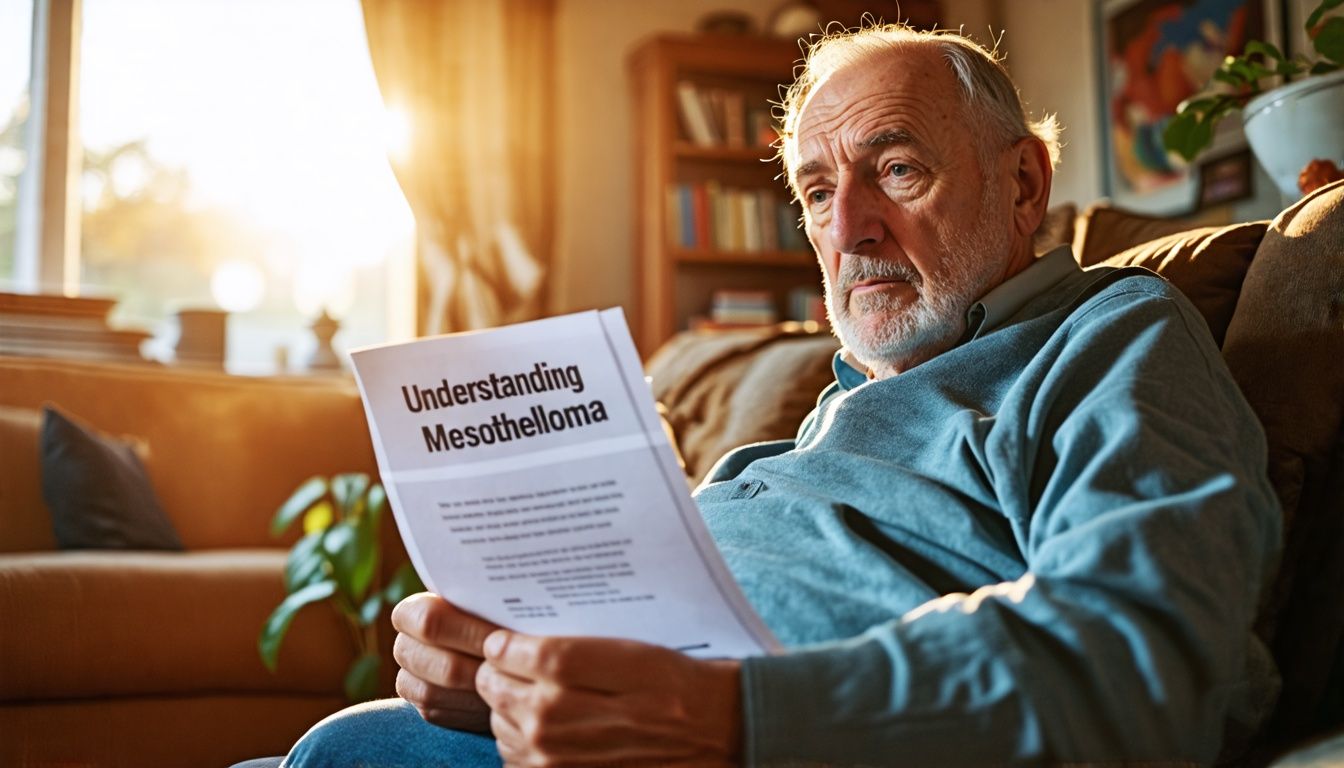
Mesothelioma is one of the most devastating consequences of asbestos exposure — an aggressive, life-limiting cancer that can lie dormant for decades before a single symptom appears. Understanding the link between asbestos and mesothelioma risk is not just medically relevant; it is essential for anyone who has worked in a high-risk industry, lived or worked in a building containing asbestos, or manages property where asbestos-containing materials may still be present.
This disease is almost entirely preventable. But prevention depends on awareness — and on taking asbestos management seriously before exposure ever occurs.
What Is Mesothelioma?
Mesothelioma is a malignant cancer that develops in the mesothelium — the thin tissue lining surrounding the lungs, abdomen, heart, and other internal organs. It is directly and overwhelmingly linked to asbestos exposure.
There are three main types, defined by where in the body the cancer originates:
- Pleural mesothelioma — affects the lining of the lungs; the most common form by far
- Peritoneal mesothelioma — affects the lining of the abdomen
- Pericardial mesothelioma — affects the lining of the heart; relatively rare
What makes mesothelioma particularly dangerous is its latency period. Symptoms typically do not appear until 20 to 50 years after initial asbestos exposure. By the time most patients receive a diagnosis, the disease has already reached an advanced stage — which is precisely why understanding risk factors and acting early on asbestos management matters so much.
The Direct Link Between Asbestos and Mesothelioma Risk
Asbestos is the primary cause of mesothelioma. In the vast majority of cases, it is the only cause. When asbestos-containing materials are disturbed or damaged, they release microscopic fibres into the air.
These fibres, once inhaled or swallowed, can become permanently lodged in the mesothelium, triggering persistent inflammation and cellular damage over many years. The body cannot break them down or expel them effectively — so the damage accumulates silently over time.
There is no established safe level of asbestos exposure. Even relatively brief or low-level contact carries some degree of risk, and that risk increases significantly with repeated or prolonged exposure.
Who Is Most at Risk of Asbestos-Related Mesothelioma?
Mesothelioma has historically been most prevalent among workers in industries where asbestos was widely used before the UK’s total ban in 1999. High-risk occupations have included:
- Construction and building trades — plumbers, electricians, joiners, and laggers
- Shipbuilding and naval work
- Insulation installation
- Manufacturing, particularly of asbestos-containing products
- Demolition and refurbishment work
Secondary exposure is also a serious concern. Family members of workers who brought asbestos fibres home on their clothing, hair, or tools have developed mesothelioma without any direct occupational exposure of their own. This is sometimes called para-occupational exposure, and it underlines just how far the consequences of asbestos mismanagement can reach.
The risk does not stop at the factory gate or building site.
Other Contributing Factors
A small number of mesothelioma cases are associated with other factors, including exposure to erionite (a naturally occurring mineral found in certain regions), prior radiation therapy to the chest or abdomen, and in some instances, inherited genetic mutations such as changes to the BAP1 gene.
These remain far less common than asbestos-related cases. The overwhelming driver of mesothelioma in the UK remains occupational and environmental asbestos exposure.
Recognising the Symptoms of Mesothelioma
Because mesothelioma develops so slowly, early symptoms are often vague and easy to dismiss. They frequently resemble other, less serious respiratory or digestive conditions — which is one of the primary reasons diagnosis is so often delayed.
Pleural Mesothelioma Symptoms
- Persistent chest pain or tightness
- Shortness of breath, even at rest
- A chronic, unexplained cough
- Fluid build-up around the lungs (pleural effusion)
- Unexplained weight loss
- Fatigue and general malaise
- Hoarseness or difficulty swallowing in advanced cases
Peritoneal Mesothelioma Symptoms
- Abdominal pain or swelling
- Nausea and loss of appetite
- Unexplained weight loss
- Changes in bowel habits
- Fluid accumulation in the abdomen (ascites)
When Should You See a Doctor?
If you have any history of asbestos exposure — however brief, however long ago — and you are experiencing any of the symptoms listed above, speak to your GP without delay. Be explicit about your asbestos history; that context is critical for a doctor to make an informed referral decision.
Do not wait for symptoms to worsen. Persistent chest symptoms or unexplained weight loss lasting more than a few weeks warrant investigation regardless of whether you suspect mesothelioma. Early detection significantly improves the range of treatment options available.
How Is Mesothelioma Diagnosed?
Diagnosing mesothelioma is a multi-stage process. No single test confirms the disease — clinicians use a combination of imaging, blood tests, and tissue sampling to reach a diagnosis and determine the stage of the cancer.
Imaging Tests
- Chest X-ray — often the first step; can reveal pleural thickening or fluid accumulation
- CT scan — provides detailed cross-sectional images to identify tumour size and location
- MRI scan — useful for assessing soft tissue involvement
- PET scan — helps determine whether and where cancer has spread
Blood Tests and Biomarkers
Certain biomarkers — proteins associated with mesothelioma — can be elevated in the blood of affected patients. These include mesothelin and fibulin-3. Blood tests alone cannot diagnose mesothelioma, but they support and complement other diagnostic findings.
Fluid and Tissue Sampling
- Thoracentesis — a needle draws fluid from around the lungs for laboratory analysis
- Paracentesis — a similar procedure for abdominal fluid
- Fine-needle aspiration — a thin needle extracts a small tissue sample
Biopsy and Staging
A tissue biopsy is required to confirm mesothelioma. This is typically performed via thoracoscopy — a camera-guided procedure through small chest incisions — or laparoscopy for abdominal cases. In some instances, an open surgical biopsy is necessary to obtain sufficient tissue for analysis.
Once diagnosed, the cancer is staged using the TNM system, which accounts for tumour size and local spread, lymph node involvement, and distant metastasis. Staging runs from Stage 1 (localised) through to Stage 4 (advanced spread), and directly determines which treatment options are viable.
Treatment Options for Mesothelioma
Treatment depends on the type, stage, and location of the cancer, as well as the patient’s overall health. There is currently no cure, but treatment can meaningfully extend life expectancy, control symptoms, and improve quality of life.
Surgery
Surgical intervention aims to remove as much cancerous tissue as possible. For pleural mesothelioma, the two main procedures are pleurectomy/decortication (P/D) — which removes the pleural lining and visible tumours while preserving the lung — and extrapleural pneumonectomy (EPP), a more radical procedure that removes the affected lung along with part of the diaphragm and surrounding tissue.
Surgery is most effective when the cancer is caught at an early stage. Not all patients are suitable candidates — age, fitness, and the extent of disease spread all factor into the decision.
Chemotherapy
Chemotherapy remains the most widely used systemic treatment for mesothelioma. The standard combination of cisplatin and pemetrexed has been the backbone of treatment for many years, typically administered intravenously in cycles alongside surgery or radiotherapy.
Common side effects include nausea, fatigue, and increased infection risk, all of which are managed with supportive medication and careful monitoring throughout the treatment cycle.
Radiotherapy
Radiotherapy uses targeted high-energy beams to kill cancer cells and reduce tumour size. It may be used before surgery to shrink tumours, after surgery to destroy remaining cells, or as a standalone palliative treatment to manage pain and breathlessness.
Emerging and Newer Treatments
Research into mesothelioma treatment is advancing, and several newer approaches are now available through clinical trials or specialist centres:
- Immunotherapy — checkpoint inhibitors such as nivolumab and ipilimumab help the immune system recognise and attack cancer cells, and are now used as second-line treatments in some cases
- Targeted therapy — drugs designed to interfere with specific proteins or genetic mutations driving tumour growth
- Tumour Treating Fields (TTF) — a non-invasive therapy using low-intensity electrical fields to disrupt cancer cell division, now approved for use alongside chemotherapy in malignant pleural mesothelioma
- CAR T-cell therapy — an experimental approach that modifies a patient’s own T-cells to target cancer; early results are promising
- Photodynamic therapy — uses light-activated drugs to destroy localised tumour cells
Your oncology team will advise which options are appropriate for your specific situation. Clinical trials may also be worth exploring — your specialist can confirm whether you are eligible.
Living With Mesothelioma: Support and Practical Help
Managing Symptoms Day to Day
Palliative care plays a central role in mesothelioma management, particularly in later stages. A specialist palliative care team can assist with pain management, breathlessness, fluid drainage procedures to relieve pressure, fatigue management strategies, and emotional wellbeing through counselling and support groups.
Support Organisations in the UK
A mesothelioma diagnosis affects the whole family. Several organisations offer specialist support:
- Mesothelioma UK — the leading specialist charity, offering a free helpline, clinical nurse specialists, and access to support services nationwide
- Asbestos Victims Support Groups Forum UK — connects patients and families with others going through similar experiences
- Asthma + Lung UK (formerly British Lung Foundation) — provides information and support for lung-related conditions
- NHS specialist mesothelioma centres — multi-disciplinary teams with specific expertise in managing this disease
Legal Rights and Compensation
If you or a family member has been diagnosed with mesothelioma as a result of occupational or environmental asbestos exposure, you may be entitled to compensation. The UK has specific legal provisions for this, including access to the Diffuse Mesothelioma Payment Scheme (DMPS) for those who cannot trace a liable employer or their insurer.
A solicitor specialising in asbestos-related disease claims can advise on your options. Many work on a no-win, no-fee basis, meaning there is no financial barrier to seeking advice.
The Role of Asbestos Management in Reducing Mesothelioma Risk
Prevention is where the asbestos management industry plays a critical and irreplaceable role. Asbestos and mesothelioma risk go hand in hand — but mesothelioma is almost entirely preventable if asbestos-containing materials are properly identified, assessed, and managed before they pose a risk to anyone in or around a building.
Under the Control of Asbestos Regulations, duty holders — anyone responsible for the maintenance or management of non-domestic premises — are legally required to manage asbestos on their properties. This means knowing where asbestos is located, what condition it is in, and ensuring it is either safely managed in place or removed by licensed contractors.
The same duty extends to anyone commissioning refurbishment or demolition work. Disturbing unknown asbestos during building work remains one of the most common routes to unintentional exposure in the UK today. A demolition survey carried out before any structural work begins is not just best practice — it is a legal requirement under HSE guidance, and a direct line of defence against the kind of exposure that causes mesothelioma.
Whether you own, lease, or manage a commercial, industrial, or residential building constructed before 2000, the obligation to understand your asbestos risk is clear. An asbestos management survey identifies where asbestos-containing materials are present, assesses their condition, and produces a register that informs every future maintenance or refurbishment decision.
If you are based in or around the capital, our asbestos survey London service covers the full range of survey types across all property categories. For clients in the North West, our asbestos survey Manchester team operates across the entire Greater Manchester area and beyond. And for properties across the West Midlands, our asbestos survey Birmingham service provides the same rigorous, accredited approach to asbestos identification and risk assessment.
Wherever you are in the UK, acting now to understand the asbestos risk in your building is the single most effective step you can take to reduce the long-term asbestos and mesothelioma risk for everyone who uses it.
Frequently Asked Questions
What is the connection between asbestos and mesothelioma risk?
Asbestos is the primary and overwhelming cause of mesothelioma in the UK. When asbestos-containing materials are disturbed, they release microscopic fibres that, once inhaled or swallowed, become permanently embedded in the mesothelium — the tissue lining the lungs, abdomen, and heart. Over time, these fibres cause cellular damage and inflammation that can develop into mesothelioma, sometimes decades after the initial exposure.
How long after asbestos exposure can mesothelioma develop?
Mesothelioma has an unusually long latency period. Symptoms typically do not appear until 20 to 50 years after initial asbestos exposure. This means many people diagnosed today were exposed during working lives in industries that used asbestos heavily before the UK’s total ban in 1999. It also means that people exposed more recently may not develop symptoms for many years to come.
Can you get mesothelioma from low-level or brief asbestos exposure?
There is no established safe level of asbestos exposure. Even brief or low-level contact carries some degree of risk, and secondary or para-occupational exposure — for example, living with a worker who brought fibres home on their clothing — has been sufficient to cause mesothelioma in some cases. Risk increases with the frequency and duration of exposure, but cannot be said to be zero at any level.
What should I do if I think I have been exposed to asbestos?
If you believe you have been exposed to asbestos at any point — whether occupationally, domestically, or through living or working in a building containing asbestos — speak to your GP and make sure they are aware of your exposure history. You do not need to be experiencing symptoms to seek advice. Your GP can monitor your health over time and refer you promptly if any concerning symptoms develop. For property-related concerns, commission a professional asbestos survey to understand what materials are present and what risk they pose.
Are property owners legally required to manage asbestos to protect against mesothelioma risk?
Yes. Under the Control of Asbestos Regulations, duty holders responsible for non-domestic premises are legally required to identify, assess, and manage asbestos-containing materials. This duty exists precisely because unmanaged or disturbed asbestos is a direct cause of mesothelioma and other serious asbestos-related diseases. Failure to comply is a criminal offence and can result in significant penalties — but more importantly, it puts lives at risk.
Speak to Supernova Asbestos Surveys
Supernova Asbestos Surveys has completed over 50,000 surveys across the UK, helping property owners, managers, and employers meet their legal obligations and protect the people in their buildings. Our accredited surveyors operate nationwide, providing management surveys, refurbishment surveys, demolition surveys, and asbestos testing services to the highest professional standards.
If you are concerned about asbestos and mesothelioma risk in a property you own or manage, do not delay. Call us on 020 4586 0680 or visit asbestos-surveys.org.uk to book a survey or speak to a member of our team.