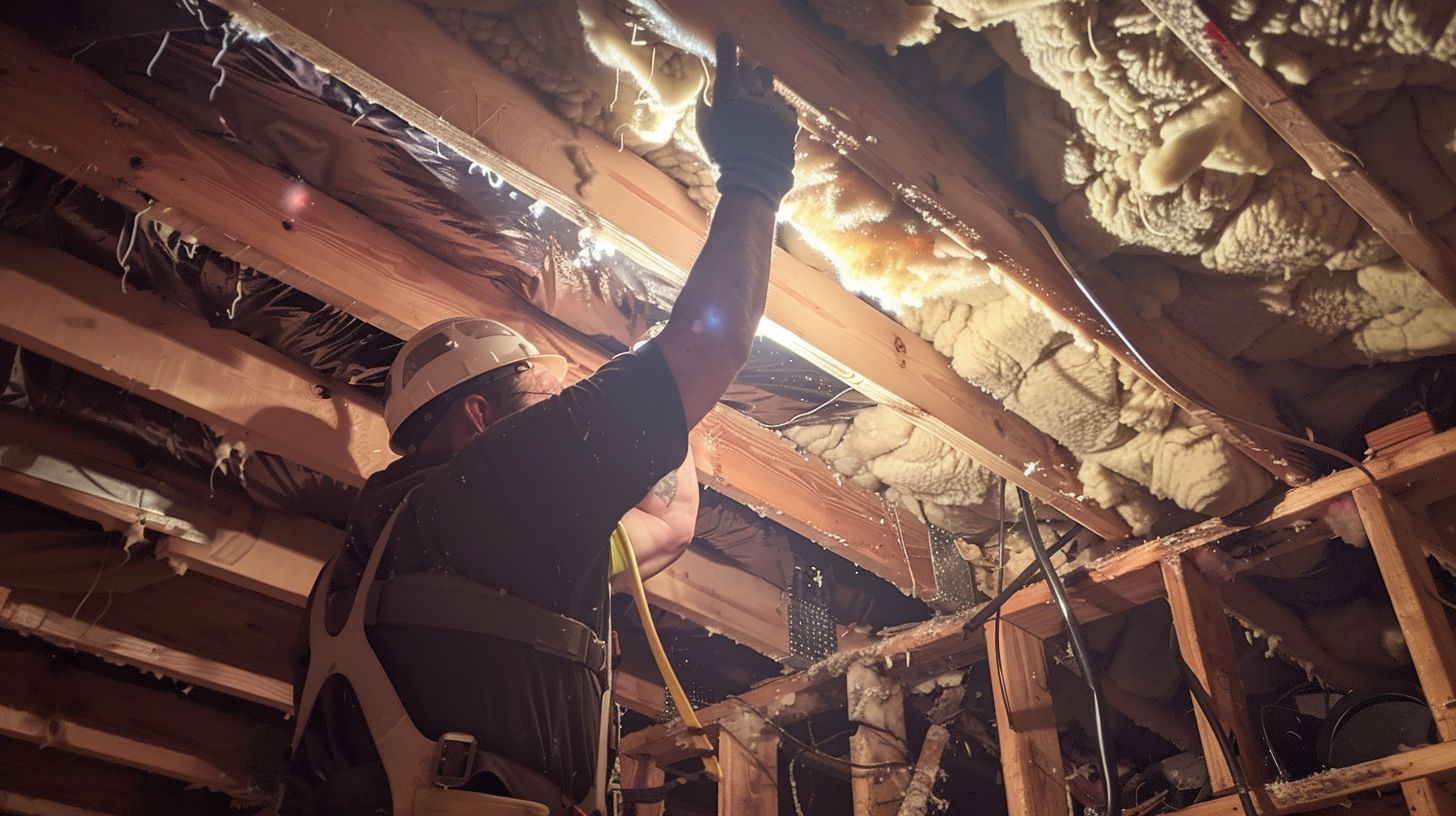
Mesothelioma and Asbestos Exposure: What Every Property Owner and Worker Needs to Know
Mesothelioma is one of the most devastating consequences of asbestos exposure — an aggressive, incurable cancer with a latency period that can span half a century. Despite asbestos being banned in the UK, thousands of people are still diagnosed with asbestos-related diseases every year, and mesothelioma sits at the most serious end of that spectrum. If you’ve been exposed to asbestos through work, a family member’s occupation, or simply living or working in an older building, understanding this disease could be lifesaving.
This post covers mesothelioma in depth — what it is, how it develops, who is most at risk, and what practical steps you can take to prevent exposure in the first place.
What Is Mesothelioma?
Mesothelioma is a rare but aggressive cancer that develops in the mesothelium — the thin protective lining that surrounds the lungs, abdomen, and heart. It is almost exclusively caused by asbestos exposure, and there is no established safe level of asbestos inhalation when it comes to mesothelioma risk.
The most common form is pleural mesothelioma, which affects the lining of the lungs and chest wall. Less commonly, mesothelioma can develop in the peritoneum (the lining of the abdomen) — known as peritoneal mesothelioma — or, very rarely, in the pericardium, the lining around the heart.
Symptoms of Mesothelioma
The symptoms of pleural mesothelioma typically include chest pain, breathlessness, and a persistent cough. The critical problem is that these symptoms frequently don’t appear until 20 to 50 years after the initial asbestos exposure — a latency period that makes early diagnosis extremely difficult.
By the time a diagnosis is confirmed, the disease is often at an advanced stage. This is why awareness of past exposure matters so much: if you know you’ve been exposed to asbestos and you develop respiratory symptoms, tell your GP immediately and specifically mention your exposure history.
Treatment and Prognosis
Treatment for mesothelioma may include surgery, chemotherapy (typically platinum-based combinations), radiotherapy, and increasingly, immunotherapy. These are often used in combination, depending on the stage of the disease and the patient’s overall health.
Prognosis remains poor. Most patients are diagnosed when the disease has already progressed significantly, which limits treatment options. Palliative and supportive care plays a central role in managing quality of life. Organisations such as Mesothelioma UK provide specialist support for patients and their families throughout the process.
Other Serious Diseases Caused by Asbestos Exposure
Mesothelioma is the most well-known asbestos-related disease, but it is not the only serious condition linked to asbestos inhalation. Asbestos fibres are microscopic and, once inhaled, cannot be expelled by the body. They embed themselves in lung tissue and surrounding membranes, causing chronic inflammation and, over decades, a range of severe conditions.
Lung Cancer
Asbestos exposure significantly increases the risk of lung cancer. The relationship is dose-dependent — the greater the exposure, the higher the risk. Smoking combined with asbestos exposure is particularly dangerous, with the two factors multiplying each other’s effects rather than simply adding together.
As with mesothelioma, asbestos-related lung cancer typically takes decades to develop after the original exposure. Symptoms include a persistent cough, chest pain, breathlessness, and unexplained weight loss. Diagnosis involves chest X-ray, CT scanning, and biopsy. Treatment may include surgery, radiotherapy, chemotherapy, targeted drug therapies, or immunotherapy.
Asbestosis
Asbestosis is a chronic, progressive lung disease caused by prolonged inhalation of asbestos fibres. Over time, the fibres cause widespread scarring — known as fibrosis — of the lung tissue, making the lungs increasingly stiff and reducing their capacity to function properly.
Symptoms develop slowly, often 20 to 30 years after exposure, and include persistent breathlessness, a dry cough, chest tightness, and in severe cases, finger clubbing. There is no cure. Treatment focuses on managing symptoms through pulmonary rehabilitation, oxygen therapy, and medication. People with asbestosis also carry an elevated risk of developing lung cancer.
Pleural Plaques and Other Pleural Conditions
Not all asbestos-related conditions are cancerous. Pleural plaques are areas of thickened, hardened tissue on the pleural lining of the lungs and are one of the most common signs of past asbestos exposure. They are not cancerous and don’t usually cause symptoms, but their presence indicates significant past exposure and warrants ongoing medical monitoring.
Diffuse pleural thickening and benign pleural effusions — fluid build-up around the lungs — are also associated with asbestos exposure and can cause breathlessness and reduced lung function over time.
How Does Asbestos Exposure Happen?
Understanding how exposure occurs is the first step in assessing your own risk and taking meaningful preventive action. There are three primary routes through which people encounter asbestos fibres.
Occupational Exposure
Historically, the highest levels of asbestos exposure have occurred in the workplace. Industries most affected include:
- Construction and building trades — plumbers, electricians, carpenters, and roofers
- Shipbuilding and naval industries
- Railway engineering
- Manufacturing — particularly insulation materials, boilers, and pipe lagging
- Power generation
- Automotive repair — brake pads and gaskets historically contained asbestos
Workers who disturbed asbestos-containing materials — by drilling, cutting, sanding, or removing them — were at the greatest risk. Many weren’t given adequate protection or weren’t aware of the danger at the time.
Occupational exposure remains a live concern today. Any tradesperson working in buildings constructed before 2000 may encounter asbestos. Under the Control of Asbestos Regulations, employers have a legal duty to manage this risk, provide appropriate training, and ensure safe working practices are followed.
Environmental Exposure
Environmental exposure occurs when asbestos fibres are released into the surrounding environment — through deteriorating building materials, demolition or refurbishment activities, or from historic industrial sites. People living near former asbestos factories or heavily contaminated sites can be exposed through airborne fibres, contaminated soil, or dust.
Asbestos is present in a significant proportion of properties built before 2000 across the UK, including homes, schools, hospitals, and offices. As long as asbestos-containing materials remain in good condition and are not disturbed, they pose a low risk. The danger arises when they deteriorate or are damaged — for example, during DIY work.
Secondary (Para-Occupational) Exposure
Secondary exposure is often overlooked but is well-documented in the medical literature. Family members of asbestos workers — particularly partners and children — have been diagnosed with mesothelioma and other asbestos diseases as a result of fibres brought home on clothing, hair, and skin.
This type of exposure was common in households where workers didn’t have access to on-site changing facilities or showers. Washing contaminated work clothes at home also spread fibres through domestic environments. The fact that mesothelioma can result from this level of indirect contact underscores just how dangerous asbestos fibres are, even in small quantities.
Are Children Particularly Vulnerable?
Children are more vulnerable to asbestos exposure than adults for several important reasons. Their bodies are smaller, their breathing rates are higher relative to body size, and — critically — they have a longer life expectancy ahead of them, meaning there is more time for asbestos-related diseases such as mesothelioma to develop after exposure.
Children can be exposed through deteriorating materials in older buildings (including some schools), through contaminated soil near former industrial sites, or through secondary contact with a parent or carer who works with asbestos. The long latency period of asbestos-related diseases means that childhood exposure may not manifest as illness until adulthood — sometimes several decades later. This makes prevention in children’s environments especially important.
Diagnosing Asbestos-Related Conditions
If you have a history of asbestos exposure and develop respiratory symptoms, always tell your GP about that exposure history. Early detection improves outcomes where treatment is possible, and your GP can refer you for appropriate investigations.
Diagnostic tools used by medical professionals include:
- Chest X-ray — to identify pleural plaques, thickening, or other abnormalities
- CT scan — provides more detailed imaging of the lungs and pleura
- Pulmonary function tests — measure how well the lungs are working
- Bronchoscopy — allows direct examination of the airways and tissue sampling
- Biopsy — tissue analysis to confirm cancer or identify asbestos fibres
- Thoracentesis — removal and analysis of pleural fluid
- Blood biomarker tests — some markers can indicate the presence of mesothelioma
There is currently no national screening programme for asbestos-related diseases in the UK. Individuals with known significant exposure should discuss monitoring with their GP or an occupational health physician on an ongoing basis.
UK Legal Protections: What the Regulations Require
The UK has some of the most comprehensive asbestos regulations in the world. The Control of Asbestos Regulations places legal duties on those responsible for non-domestic premises — known as dutyholders — to manage asbestos risk proactively. HSE guidance, including HSG264, sets out the standards for asbestos surveying and management.
Key legal obligations include:
- Duty to manage — identify and manage asbestos in non-domestic premises through a documented asbestos management plan
- Surveys before refurbishment or demolition — a refurbishment or demolition survey is legally required before any structural work begins
- Licensed removal — most asbestos removal work must be carried out by a licensed contractor approved by the Health and Safety Executive
- Worker training — anyone who may encounter asbestos in their work must receive appropriate asbestos awareness training
- Air monitoring — fibre concentrations must be monitored during and after licensed removal work
Non-compliance can result in substantial fines and prosecution. More importantly, failing to manage asbestos properly puts lives at risk — including the risk of mesothelioma for those who encounter disturbed fibres without adequate protection.
Practical Steps to Protect Yourself and Others
If you live or work in a building that may contain asbestos, the following steps are essential:
- Don’t disturb it. Asbestos in good condition and left undisturbed is generally low risk. The danger comes when fibres are released into the air.
- Don’t assume it’s safe. If your property was built before 2000, asbestos may be present in floor tiles, ceiling tiles, pipe lagging, roof felt, and textured coatings such as Artex. Never assume a material is safe without professional testing.
- Commission a professional survey. Before any refurbishment or renovation work, arrange a professional asbestos survey. In non-domestic buildings, this is a legal requirement. A management survey is the starting point for understanding what asbestos is present in an occupied building, while a demolition survey is required before any major structural work or demolition takes place.
- Use a licensed contractor for removal. Never attempt to remove asbestos yourself. Only licensed contractors should handle the removal of high-risk asbestos materials. Professional asbestos removal ensures fibres are safely contained and disposed of in accordance with legal requirements.
- Keep records. If an asbestos survey has been carried out, keep the report and update it whenever conditions change. This documentation is a legal requirement for non-domestic premises and a practical safeguard for everyone who enters the building.
- Inform workers and tradespeople. Anyone working in a building where asbestos is present must be informed of its location and condition before they begin work. This is a basic but critical step in preventing accidental disturbance.
Mesothelioma Risk in Your Area: Nationwide Coverage
Asbestos exposure and the risk of mesothelioma are not limited to any one part of the UK. The legacy of industrial asbestos use means that asbestos-containing materials are found in buildings across every region of the country — from city centre offices to suburban schools and rural commercial properties.
If you’re based in the capital and need professional advice, our team provides expert asbestos survey London services across all London boroughs. For those in the north-west, our specialist team offers a full asbestos survey Manchester service covering the greater Manchester area. In the Midlands, we provide a dedicated asbestos survey Birmingham service for commercial and residential properties alike.
Wherever your property is located, the risk of mesothelioma from unmanaged asbestos is the same. Professional surveying is the only reliable way to know what you’re dealing with.
Compensation and Legal Rights for Mesothelioma Patients
If you or a family member has been diagnosed with mesothelioma, you may be entitled to compensation. The UK has established legal routes for pursuing claims against former employers or their insurers, even when the company responsible has ceased trading.
The Diffuse Mesothelioma Payment Scheme provides a route to compensation for those who cannot trace a liable employer or insurer. Industrial injuries benefits may also be available through the Department for Work and Pensions. A specialist asbestos disease solicitor can advise on the options available to you.
Legal action won’t undo the harm caused by mesothelioma, but it can provide financial security for patients and their families during an incredibly difficult time. Acting promptly is important, as time limits apply to personal injury and industrial disease claims.
The Ongoing Public Health Challenge
Although asbestos was banned in the UK, the public health challenge it presents is far from over. The long latency period of mesothelioma means that cases arising from historical exposures — particularly those that occurred during the peak of industrial asbestos use — continue to be diagnosed today.
The UK consistently records one of the highest rates of mesothelioma in the world, a direct consequence of the country’s industrial history and the widespread use of asbestos in construction, shipbuilding, and manufacturing throughout the twentieth century. This is not a problem from the past — it is an active public health issue that requires ongoing vigilance, professional management of asbestos in existing buildings, and clear awareness among workers and property owners alike.
Reducing future mesothelioma diagnoses depends on preventing new exposures. That means managing asbestos properly in the millions of buildings where it still exists, ensuring tradespeople are trained and protected, and making certain that no one disturbs asbestos-containing materials without first understanding what they’re dealing with.
Frequently Asked Questions
What is mesothelioma and what causes it?
Mesothelioma is an aggressive cancer that develops in the lining of the lungs, abdomen, or heart. It is almost exclusively caused by inhaling asbestos fibres. There is no established safe level of asbestos exposure when it comes to mesothelioma risk, and the disease can develop even from relatively brief or indirect contact with asbestos.
How long after asbestos exposure does mesothelioma develop?
Mesothelioma has a latency period of between 20 and 50 years. This means that symptoms may not appear until decades after the original exposure. By the time the disease is diagnosed, it is often at an advanced stage, which is why anyone with a known history of asbestos exposure should inform their GP and seek monitoring even if they feel well.
Can mesothelioma result from living with someone who worked with asbestos?
Yes. Secondary or para-occupational exposure is well-documented. Family members of asbestos workers have been diagnosed with mesothelioma after being exposed to fibres brought home on clothing, skin, and hair. This type of exposure was particularly common before adequate workplace hygiene measures were in place.
What should I do if I think my building contains asbestos?
Do not disturb any materials you suspect may contain asbestos. Commission a professional asbestos survey carried out by a qualified surveyor. In non-domestic premises, this is a legal requirement under the Control of Asbestos Regulations. If asbestos is confirmed and requires removal, only a licensed contractor should carry out the work.
Is there a cure for mesothelioma?
There is currently no cure for mesothelioma. Treatment options — including surgery, chemotherapy, radiotherapy, and immunotherapy — can extend survival and manage symptoms, but prognosis remains poor for most patients. Palliative care plays a significant role in supporting quality of life. Organisations such as Mesothelioma UK offer specialist support for patients and families.
Protect Your Building, Protect Your People
Mesothelioma is preventable. The disease is caused by asbestos exposure, and asbestos exposure can be managed, controlled, and eliminated through professional surveying, proper management, and licensed removal where necessary.
At Supernova Asbestos Surveys, we’ve completed over 50,000 surveys across the UK. Our UKAS-accredited surveyors provide fast, accurate, and fully compliant asbestos surveys for commercial, industrial, and residential properties nationwide. Whether you need a management survey, a demolition survey, or advice on asbestos removal, we’re here to help.
Call us today on 020 4586 0680 or visit asbestos-surveys.org.uk to book your survey and take the first step towards protecting everyone in your building.