A diagnosis linked to past exposure can hit with no warning at all. Good asbestos support helps people regain some control, whether they are dealing with symptoms, a confirmed illness, a relative’s exposure history, or the practical pressure of medical appointments, benefits and building safety concerns.
For many families and property professionals, the first problem is not a lack of options. It is knowing which step comes first, who to trust, and how to separate reliable advice from noise. The best asbestos support gives you clear medical signposting, practical help, and sensible action to reduce any ongoing risk.
Why asbestos support matters
Asbestos-related illnesses often appear decades after exposure. That long delay can leave people shocked and unsure how work carried out many years ago could be connected to symptoms now.
Proper asbestos support is not only about treatment. It also includes emotional support, guidance for carers, financial advice, legal signposting, and practical help where asbestos may still be present in a building.
If you are helping someone with mesothelioma, asbestosis, pleural thickening or asbestos-related lung cancer, start with three immediate actions:
- Get medical advice quickly from a GP or specialist team.
- Write down the person’s work and exposure history as clearly as possible.
- Speak to a reputable support organisation about benefits, local services and legal options.
Those steps make later decisions far easier. They also reduce the risk of key details being forgotten when stress levels are high.
Where to find asbestos support in the UK
The UK has a well-established network of charities, patient groups and specialist services for people affected by asbestos-related disease. Some operate nationally, while others provide local face-to-face help that can be especially valuable for patients and carers.
Mesothelioma UK
Mesothelioma UK is one of the best-known specialist services for people living with mesothelioma. It offers clinical information as well as day-to-day support for patients and families.
They may help with:
- Access to specialist nurses
- Information on treatment pathways
- Support before and after appointments
- Emotional help for patients and carers
- Signposting to local services
If mesothelioma is suspected or confirmed, this is often one of the first places people turn for asbestos support.
Asbestos Victims Support Groups Forum UK
This organisation connects local asbestos victim support groups across the country. It is useful for people affected by a wider range of asbestos-related conditions, not just mesothelioma.
Its strength is practical advice grounded in local experience. Families often benefit from speaking to people who already understand hospital referrals, compensation questions and the emotional impact of diagnosis.
Regional support groups and local charities
Local groups can be especially helpful if you want in-person support rather than phone or online contact. Some areas have long-established asbestos support networks, particularly in places with industrial histories such as shipbuilding, engineering, power generation and construction.
Your GP, respiratory consultant, clinical nurse specialist or local hospice may know what is available nearby. Macmillan services can also help with emotional support and financial guidance.
General cancer and palliative care services
Not every patient needs a disease-specific charity first. Some people need practical help with transport, symptom control, benefits or carer support, and general cancer services can often provide that quickly.
Hospices and palliative care teams are worth contacting much earlier than many people expect. They do far more than end-of-life care and can support comfort, planning and quality of life throughout treatment.
Medical asbestos support: getting the right help quickly
When symptoms appear, timing matters. If there is any known or suspected exposure history, tell your GP directly rather than assuming the connection will be obvious.
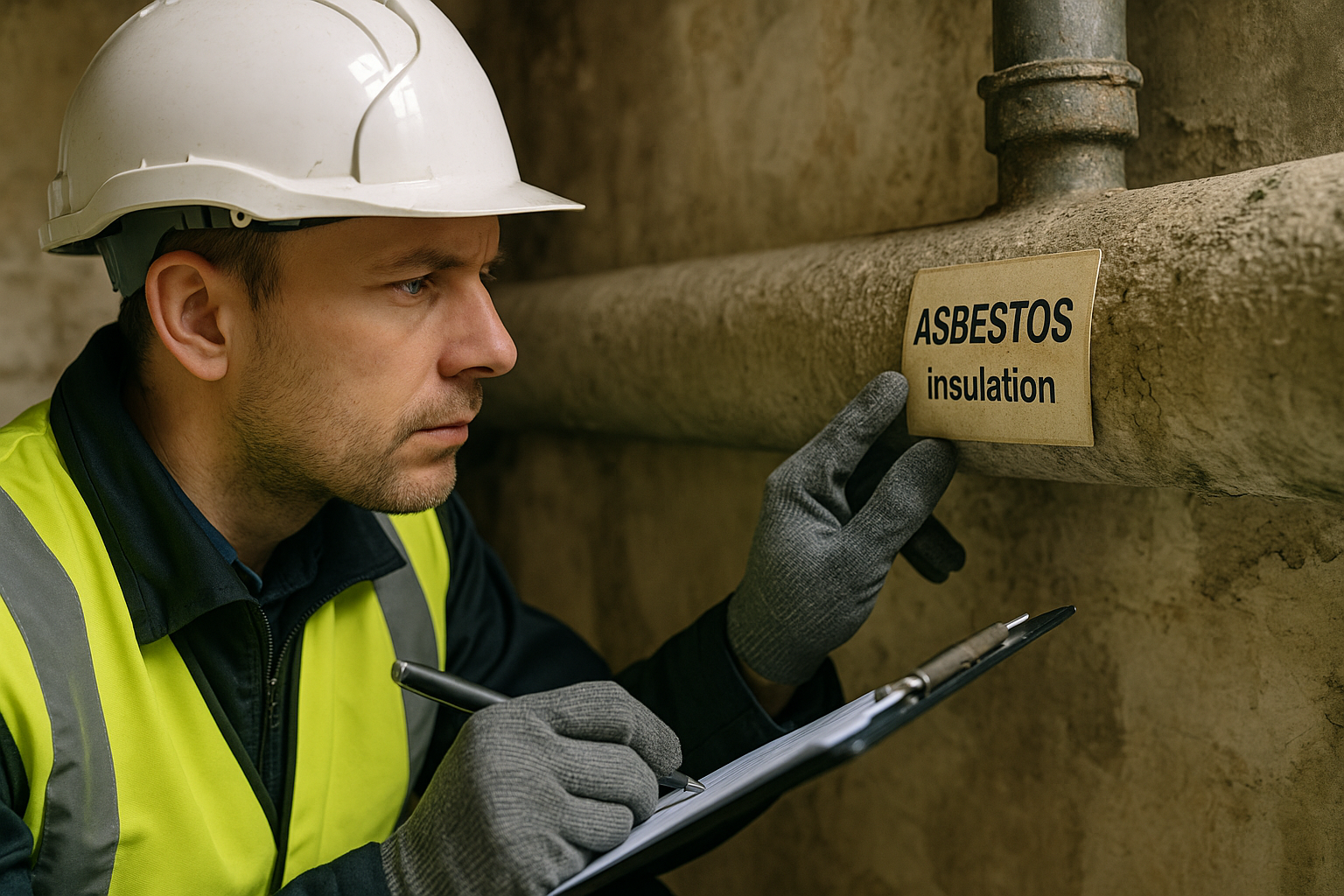
Be specific about the type of work done, where it happened, how long it lasted, and whether there was direct contact with insulation, lagging, sprayed coatings, ceiling tiles, textured coatings, asbestos cement or other suspect materials.
Symptoms that should not be ignored
Asbestos-related disease can present in different ways, but common warning signs include:
- Persistent cough
- Breathlessness
- Chest pain
- Unexplained weight loss
- Fatigue
- Ongoing respiratory discomfort
These symptoms can have many causes, so they do not automatically point to asbestos disease. Even so, any known exposure history should always be mentioned when seeking medical advice.
Specialist referrals and multidisciplinary teams
If mesothelioma or another serious asbestos-related condition is suspected, ask whether the case will be reviewed by a specialist multidisciplinary team. These teams commonly involve respiratory physicians, oncologists, radiologists, pathologists, palliative care specialists and clinical nurse specialists.
This joined-up approach often leads to better coordination and clearer treatment planning. It also gives patients and families a firmer basis for asking informed questions.
Preparing for appointments
Good asbestos support starts before you enter the clinic room. Take a written timeline so key details are easy to explain.
Include:
- Jobs held and approximate dates
- Known workplaces where asbestos may have been present
- Any direct handling of suspect materials
- Family or secondary exposure history
- Current symptoms and when they began
This helps clinicians assess risk more accurately. It also reduces the chance of important details being missed under pressure.
Financial and legal asbestos support
Many asbestos-related illnesses are linked to workplace exposure. That means financial help may be available through state benefits, compensation schemes or legal claims, depending on the circumstances.
People often delay seeking advice because they assume it will be expensive or complicated. In practice, specialist guidance is usually the fastest way to understand what may apply.
Benefits and compensation schemes
Depending on diagnosis and exposure history, support may include Industrial Injuries Disablement Benefit and lump sum payments under relevant compensation schemes. Eligibility depends on the disease, how exposure happened, and whether an employer or insurer can be traced.
A support group, welfare adviser or specialist solicitor can explain what evidence is needed. Keep copies of medical letters, employment records and any documents showing where and when exposure may have occurred.
Legal claims
Where a responsible employer or insurer can be identified, a civil claim may be possible. Secondary exposure cases may also be considered in some situations, particularly where fibres were brought home on work clothing.
Practical steps include:
- Write down names of employers, sites and job roles
- List former colleagues who may confirm working conditions
- Keep all medical correspondence in one file
- Ask a specialist solicitor whether any time limits may affect the case
Reliable asbestos support should help you understand options without pressure. If someone is pushing you to act before reviewing the facts properly, get a second opinion.
Grants and day-to-day help
Some charities and local services can help with travel costs, heating, home adaptations, carer support or practical household needs. These smaller forms of asbestos support can make a real difference, especially when income falls or hospital visits become frequent.
Asbestos support for families and carers
Families often carry a large share of the burden. They may be trying to understand a diagnosis, attend appointments, manage paperwork and keep the household running while coping with shock and uncertainty.
Carers need support in their own right. That may include emotional help, respite, benefits advice and practical guidance from nurses, hospices and local charities.
Secondary exposure in the home
One of the most distressing issues for families is the possibility of secondary exposure. This can happen when asbestos fibres are brought home on contaminated clothing, footwear, skin or hair.
Historically, this affected spouses and other family members who washed dusty workwear or had repeated close contact with someone employed in a high-risk trade. If this sounds familiar, tell your GP about that history clearly.
Useful steps for families include:
- Record the worker’s job history as fully as possible
- Note whether dusty work clothes were brought home
- Seek medical advice if respiratory symptoms appear
- Ask a specialist adviser whether legal support may be available
The issue here is exposure, not inheritance. That distinction matters when discussing family history with clinicians.
Emotional support for carers
Carers often put their own needs last. In reality, they cope better when they have somewhere to ask questions, raise concerns and get practical advice.
Support may come from nurse specialists, local groups, counselling services, hospices and national charities. If you are a carer, ask directly what help is available for you as well as the patient.
Reliable information online and how to avoid bad advice
When people search in a panic, they can end up reading misleading or irrelevant material. Good asbestos support depends on using trusted UK sources and being cautious with anything that oversimplifies diagnosis, compensation or building risk.
Reliable starting points include the NHS for medical information, HSE guidance for workplace and property risk, and specialist charities for patient support. For dutyholders and property managers, the Control of Asbestos Regulations, HSG264 and current HSE guidance set the framework for survey standards and asbestos management decisions.
Be careful with online advice that:
- Applies foreign legal rules to UK cases
- Suggests all old materials automatically need removal
- Claims symptoms always mean asbestos disease
- Promises instant compensation without reviewing evidence
- Confuses surveying, sampling and removal work
Accurate asbestos support should make the situation clearer, not more dramatic.
Practical asbestos support for property owners, landlords and dutyholders
For many people, asbestos support is not only about illness after the event. It is also about preventing exposure through proper surveys, risk assessment, management and, where necessary, licensed removal.
If you manage non-domestic premises, the Control of Asbestos Regulations place duties on those responsible for maintenance and repair. In simple terms, if asbestos may be present, you need to know where it is, assess the risk, and manage it properly.
That starts with choosing the correct survey for the building and the work planned.
Management surveys
A management survey is designed to locate, as far as reasonably practicable, asbestos-containing materials that could be damaged or disturbed during normal occupation, including routine maintenance.
This is often the starting point for occupied buildings. It helps dutyholders create or update an asbestos register and management plan.
If you are responsible for offices, schools, shops, communal areas or industrial premises, this type of asbestos support is often what keeps risk under control day to day.
Demolition and major strip-out work
If intrusive works are planned, a management survey is not enough. Before structural alteration, major strip-out or demolition, you will usually need a demolition survey to identify asbestos that could be disturbed during the project.
This survey is intentionally intrusive. It is essential for protecting contractors and aligning the project with HSE expectations and survey practice under HSG264.
Re-inspections
Known asbestos-containing materials should not be logged and forgotten. Their condition can change because of wear, leaks, vibration, accidental damage or poor maintenance.
A periodic re-inspection survey helps confirm whether identified materials remain stable or whether action is needed. This is a practical form of asbestos support that prevents small issues turning into expensive problems.
What dutyholders should do in practice
If you are responsible for a building, take these steps:
- Check whether an up-to-date asbestos survey exists.
- Review the asbestos register before maintenance or contractor access.
- Make sure anyone likely to disturb materials has the right information.
- Arrange re-inspections where asbestos-containing materials are being managed in place.
- Do not start refurbishment or demolition without the correct intrusive survey.
These are straightforward actions, but they are often where mistakes begin. The biggest failures usually come from assumptions, missing paperwork or poor communication with contractors.
Asbestos support in homes, rented property and communal areas
Homeowners and landlords often worry after spotting old textured coatings, cement sheets, floor tiles or boxing around pipes. The right asbestos support starts with calm assessment rather than immediate panic.
Not every suspect material is dangerous simply because it is old. Risk depends on whether the material contains asbestos, what type it is, what condition it is in, and whether it is likely to be disturbed.
For landlords and managing agents
Landlords and managing agents should keep clear records for communal areas and any parts of the property where they retain maintenance responsibility. If contractors are attending site, they need relevant asbestos information before work starts.
Shortcuts here are risky. If a tradesperson drills, cuts or removes a suspect material without the right information, exposure can happen in seconds.
For homeowners
If you are planning works in an older property, do not rely on guesswork. Arrange proper surveying or sampling before disturbing suspect materials.
Do not sand, drill, scrape or break materials just to “see what is underneath”. That approach can create the very risk you were trying to avoid.
Choosing professional asbestos support in your area
Whether the issue is health, compliance or project planning, local knowledge matters. Access to professional asbestos support should be quick, clear and based on the type of property and work involved.
If you need help in the capital, arranging an asbestos survey London service can help you deal with occupied buildings, refurbishment planning and dutyholder responsibilities efficiently.
For clients in the North West, an asbestos survey Manchester appointment can provide the right starting point before maintenance, refurbishment or demolition work begins.
If your site is in the Midlands, booking an asbestos survey Birmingham service can help you identify risks early and avoid delays later in the project.
Wherever the property is located, choose a surveyor who understands HSG264, provides clear reporting, and explains what action is actually needed. Good asbestos support should be practical, proportionate and easy to use.
What good asbestos support looks like in practice
The phrase gets used broadly, but effective asbestos support usually has a few things in common. It is clear, evidence-based and tailored to the problem in front of you.
For a patient, that may mean specialist nursing advice, symptom support and help with benefits. For a family, it may mean understanding exposure history and finding local emotional support. For a dutyholder, it may mean the right survey, a workable management plan and sensible re-inspection intervals.
Look for asbestos support that does the following:
- Explains risk without exaggeration
- Separates medical advice from legal and property issues
- Uses UK regulations and HSE guidance correctly
- Gives clear next steps rather than vague warnings
- Provides written records you can act on
If advice leaves you more confused than when you started, it is probably not the right advice.
Common mistakes to avoid
People dealing with asbestos-related illness or property risk often make the same avoidable errors. Spotting them early can save time, money and stress.
- Waiting too long to mention exposure history to a GP or specialist.
- Throwing away old employment records that may help with benefits or claims.
- Assuming old materials must always be removed rather than assessed.
- Starting refurbishment without the correct survey.
- Failing to share asbestos information with contractors.
- Relying on online forums over professional advice.
Good asbestos support is often about getting basic decisions right at the right time. That is true in healthcare, legal claims and building management alike.
Frequently Asked Questions
What is the first step if I think an illness may be linked to asbestos?
Speak to your GP or specialist as soon as possible and explain the exposure history clearly. Write down former jobs, likely exposure sites and current symptoms before the appointment so nothing important is missed.
Can family members get asbestos-related illness from someone else’s work clothes?
Yes, secondary exposure can happen when fibres were brought home on contaminated clothing, footwear, skin or hair. If there is a history of dusty workwear in the home, mention it to your GP when discussing symptoms or medical concerns.
Do all asbestos materials need to be removed?
No. If asbestos-containing materials are in good condition and unlikely to be disturbed, they can often be managed in place. The correct approach depends on the material, its condition, location and the likelihood of disturbance.
When do I need an asbestos survey for a building?
You may need a survey when managing an older non-domestic property, before maintenance work, or before refurbishment or demolition. The type of survey depends on how the building is used and what work is planned.
How can Supernova help with asbestos support?
Supernova provides practical asbestos support through professional surveys, clear reporting and nationwide service for property owners, landlords, managing agents and dutyholders. If you need expert help, call 020 4586 0680 or visit asbestos-surveys.org.uk to arrange the right survey for your property.
If you need reliable asbestos support for an occupied building, planned works, or ongoing compliance, Supernova Asbestos Surveys can help. We carry out management, demolition and re-inspection surveys nationwide, with clear reports and practical advice you can act on. Call 020 4586 0680 or visit asbestos-surveys.org.uk to book your survey.