One careless cut into the wrong board, ceiling tile or pipe covering can turn a routine job into a serious asbestos safety incident. In older UK buildings, the real danger is often not the obvious damaged material everyone spots, but the hidden asbestos-containing material disturbed during maintenance, repairs or fit-out work before anyone realises what has happened.
If you manage property, instruct contractors or oversee works in premises built or refurbished before 2000, asbestos safety needs to be treated as an everyday operational issue. The safest approach is never guesswork. It starts with proper identification, clear records and controls that stop suspect materials being disturbed without the right assessment.
Why asbestos safety matters in day-to-day building work
Asbestos becomes dangerous when fibres are released and inhaled. That release can happen during drilling, sanding, cutting, breaking, cable installation, plumbing work, ceiling access, flooring uplift or even minor maintenance where a material is already damaged.
The practical problem is simple: you cannot confirm asbestos by sight alone. Many common building products look harmless, and some materials that seem low risk can still create a major asbestos safety issue if they are broken, drilled or mishandled.
In pre-2000 premises, asbestos may still be found in:
- Insulation board in partitions, risers and soffits
- Pipe lagging and thermal insulation
- Textured coatings
- Floor tiles and bitumen adhesives
- Ceiling tiles
- Roof sheets, gutters and downpipes
- Boiler and plant room materials
- Sprayed coatings and loose insulation in higher-risk areas
Good asbestos safety is about preventing disturbance before it happens. Once fibres are released, the issue becomes more disruptive, more expensive and harder to control.
Who needs to think about asbestos safety?
Asbestos safety is not only relevant to demolition contractors or licensed removal teams. It affects anyone responsible for older buildings and anyone likely to disturb the fabric of a property during normal work.
That includes:
- Property managers
- Commercial landlords
- Facilities managers
- Housing providers
- Schools, healthcare and public sector estates teams
- Builders and principal contractors
- Electricians, plumbers and heating engineers
- Roofers and decorators
- Homeowners planning refurbishment
For dutyholders in non-domestic premises, asbestos safety is not optional. Under the Control of Asbestos Regulations, asbestos must be identified and managed where it is present or liable to be present. HSE guidance and HSG264 set out the expected standards for surveying and managing asbestos in buildings.
Legal duties that shape asbestos safety decisions
The legal framework is straightforward in principle: if asbestos may be present, the risk must be assessed and managed. In practice, that means having the right information before work starts, keeping it current and making sure contractors actually use it.
The duty to manage asbestos
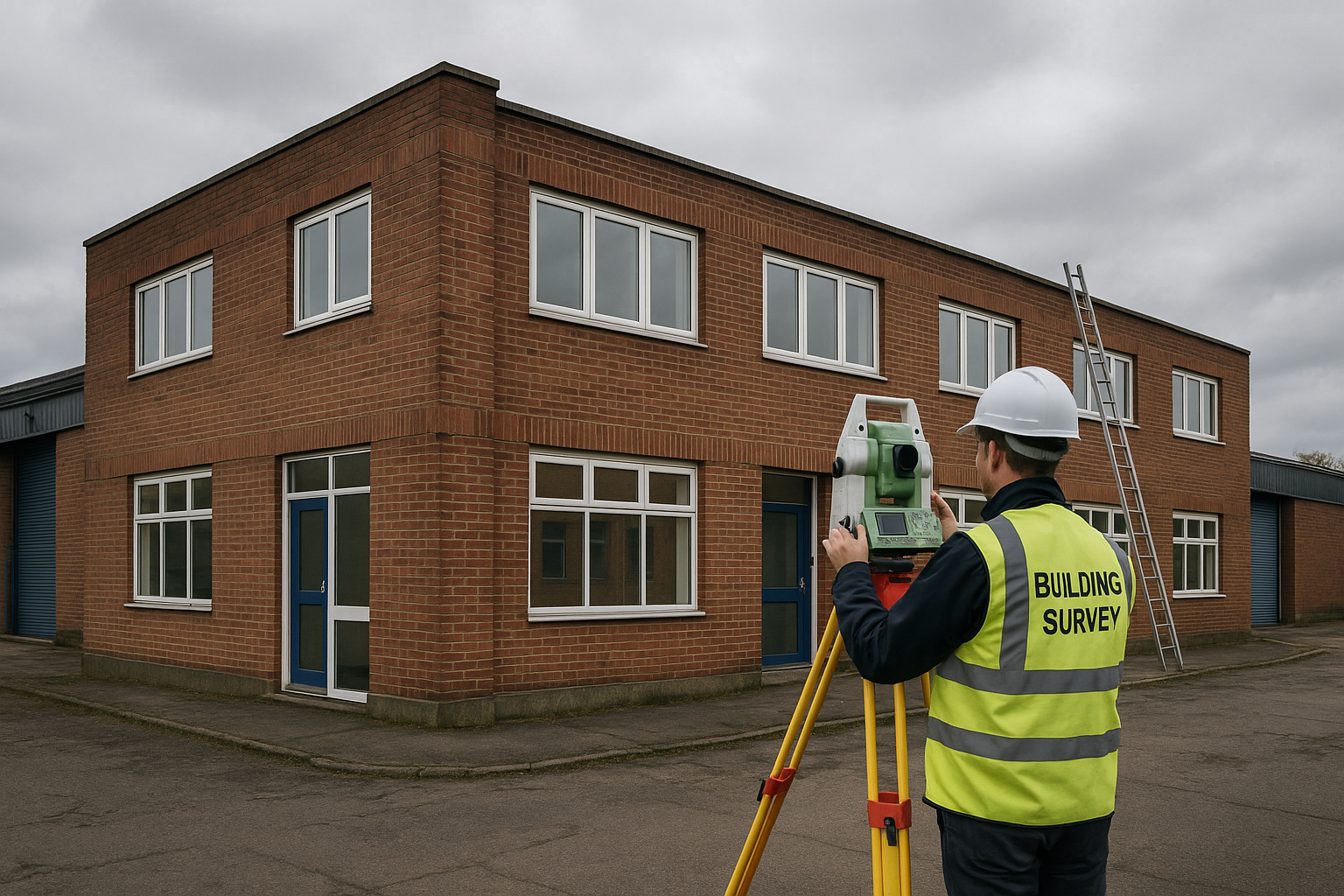
If you are responsible for non-domestic premises, you must take reasonable steps to find out whether asbestos is present, where it is located and what condition it is in. You must also assess the risk and put a management plan in place.
For normal occupation and routine maintenance, this usually means arranging a management survey. A suitable survey helps you build or update the asbestos register and make informed decisions about monitoring, repair, encapsulation and contractor controls.
Before refurbishment work starts
A standard management-level inspection is not enough for intrusive work. If the job involves upgrades, strip-out, significant alterations or access into hidden voids, you will normally need an refurbishment survey.
This type of survey is designed to locate asbestos that could be disturbed during the planned works. Starting intrusive work without the right survey is one of the most common causes of accidental exposure.
Before demolition
Where a structure is due to be taken down, a demolition survey is required. It is fully intrusive because the purpose is to identify asbestos-containing materials throughout the areas due for demolition.
Demolition without suitable asbestos information is a major asbestos safety failure. It puts workers, waste streams and neighbouring areas at unnecessary risk.
Ongoing review matters
Finding asbestos once is not the end of the job. Materials left in place must be checked over time because condition can change due to vibration, water ingress, maintenance activity, tenant damage or general wear.
That is why many dutyholders arrange a re-inspection survey for known asbestos-containing materials. Regular review is a practical part of asbestos safety, especially in busy buildings where conditions change quickly.
How to identify asbestos risk before work starts
The safest assumption in older buildings is that suspect materials may contain asbestos until proven otherwise. That does not mean every old board, panel or tile contains asbestos. It means nobody should disturb it based on a visual guess.
Before approving maintenance, installation or building work, use this checklist:
- Check the asbestos register and management plan.
- Review whether the task could disturb the building fabric.
- Confirm that the survey information matches the exact work area.
- Stop if there is uncertainty.
- Arrange further inspection, sampling or the correct survey before proceeding.
If a material needs to be checked, professional asbestos testing can confirm whether asbestos is present. Sampling should be carried out carefully and by a competent person where needed, because poor sampling can create the very risk you are trying to avoid.
For isolated suspect materials, laboratory sample analysis can be useful when the sample has been taken safely. Some clients also use a postal testing kit where appropriate, but the same rule applies every time: do not damage materials casually just to satisfy curiosity.
If you need another route for arranging checks, Supernova also provides asbestos testing through its dedicated service page. The key is to get reliable identification before anyone starts drilling, cutting or stripping out.
Practical asbestos safety precautions that actually reduce risk
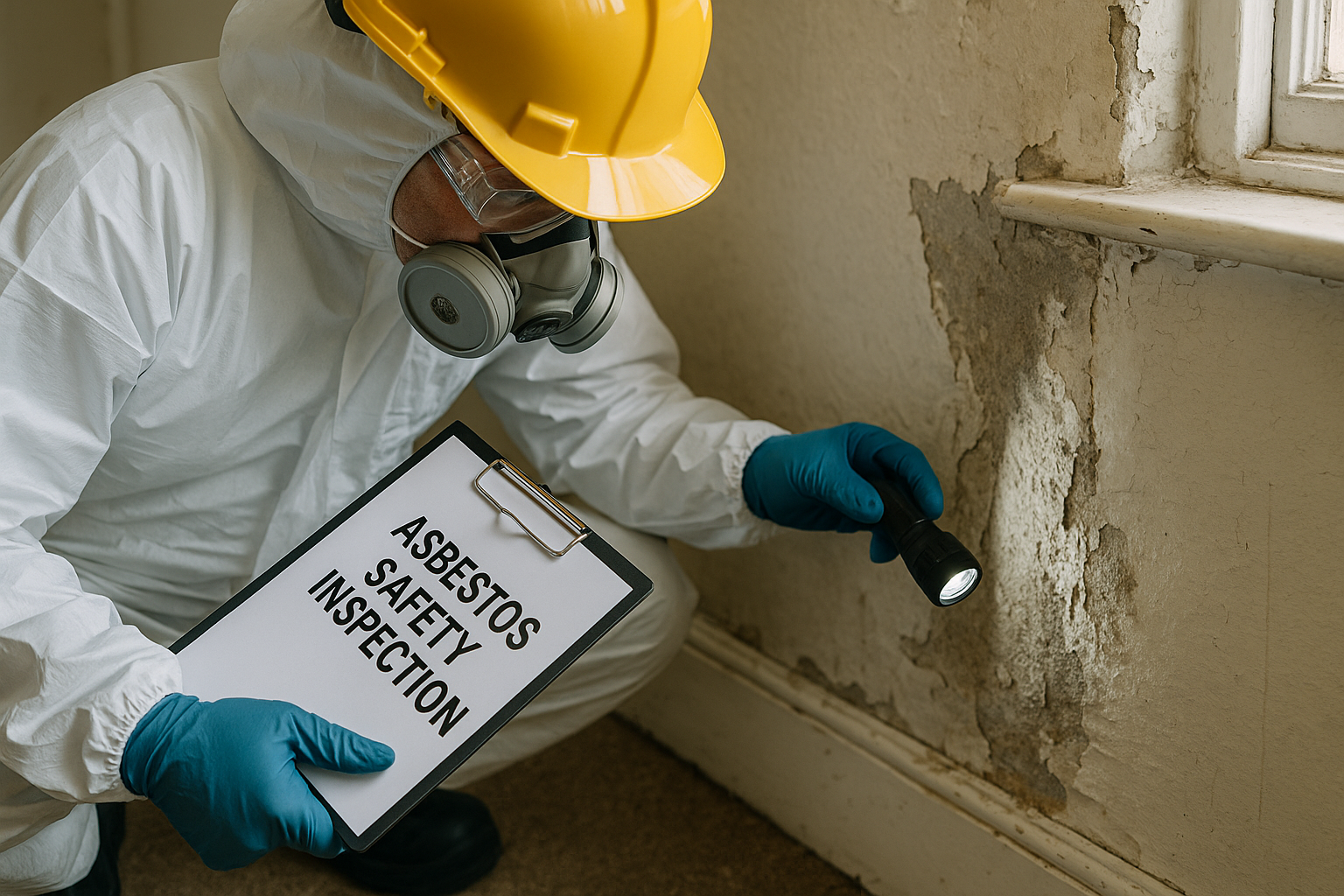
Good asbestos safety depends on planning, control and discipline. Personal protective equipment has a role, but it is not the first control and it is never a substitute for proper identification and work planning.
1. Stop work immediately if asbestos is suspected
If an operative uncovers suspicious board, lagging, insulation, debris or dust during a job, stop work straight away. Do not carry on to finish the task or tidy up the area first.
A short delay for assessment is far better than contaminating a room, riser, corridor or occupied workspace.
2. Restrict access to the area
Isolate the area as soon as possible. Close doors, use signage where available and prevent unnecessary movement nearby that could spread dust or debris.
If the material has been damaged, avoid dry sweeping or any action that may move fibres around. Keep the area controlled until competent advice is obtained.
3. Avoid high-disturbance methods
Never drill, sand, scrape, saw, break or otherwise disturb a suspect material unless the risk has been assessed and the method of work is suitable. Power tools can release fibres quickly and turn a small problem into a wider contamination issue.
This is one of the most basic asbestos safety rules on any site: if you do not know what the material is, do not start cutting into it.
4. Use the right controls for the task
Where work involving asbestos is legally permitted and properly assessed, controls may include:
- Carefully controlled wetting techniques
- Suitable local control measures
- HEPA-filtered vacuum equipment designed for hazardous dust
- Controlled waste handling
- Task-specific PPE and respiratory protective equipment
Standard domestic vacuums, paper masks and improvised dust sheets are not suitable asbestos safety controls.
5. Decontaminate properly
One of the easiest ways to spread asbestos is through poor decontamination. Clothing, footwear, tools and waste can carry contamination beyond the original work area if they are not handled correctly.
Single-use protective clothing should be treated as contaminated waste where appropriate. Reusable equipment must be cleaned using proper methods, not brushed off or blown clean.
PPE and RPE: where they fit into asbestos safety
Personal protective equipment is the last line of defence, not the first. The main aim is always to avoid disturbing asbestos or to use a properly designed system of work where disturbance is unavoidable and legally permitted.
Where PPE and respiratory protective equipment are required, they must be suitable for the task, worn correctly and supported by training. Tight-fitting respirators require face-fit testing. If the seal is poor, the protection is poor.
Key points to remember:
- Disposable overalls should be suitable for hazardous dust work
- Footwear should not spread contamination beyond the work area
- Gloves should be selected for the task and disposed of or cleaned correctly
- Respiratory protection must match the expected exposure risk
- Removal of PPE must be controlled to avoid secondary contamination
For most property managers, the practical takeaway is simple. If a job appears to need specialist asbestos PPE, it probably also needs specialist asbestos advice before anyone starts.
When asbestos can remain in place safely
Not every asbestos-containing material has to be removed. In many situations, asbestos safety is best achieved by leaving the material in place if it is in good condition, sealed, protected from damage and unlikely to be disturbed.
This is a legitimate management approach under an asbestos plan. The decision should be based on material type, condition, location, accessibility and the likelihood of future disturbance.
Management options may include:
- Recording the material clearly in the asbestos register
- Labelling where appropriate
- Restricting access to the area
- Encapsulation with a suitable coating or enclosure
- Routine condition checks
- Reviewing the area before future works
Where asbestos is damaged, friable, exposed to impact or likely to be disturbed, removal may be the safer option. If that point is reached, use a competent contractor for asbestos removal rather than trying to manage a deteriorating risk indefinitely.
What to do after accidental disturbance
Accidental disturbance is one of the most common asbestos safety failures in occupied buildings. It often happens during minor works such as a cable penetration, leak investigation, ceiling opening, flooring uplift or access into a riser.
If you suspect asbestos has been disturbed, take these steps immediately:
- Stop work at once.
- Evacuate the immediate area if needed.
- Prevent re-entry and restrict access.
- Do not sweep, vacuum with standard equipment or touch debris.
- Report the incident to the responsible manager.
- Arrange competent assessment and, where necessary, remedial cleaning or further investigation.
- Record what happened, where it happened and who may have been affected.
Do not let well-meaning staff start cleaning up. That is how a localised incident becomes wider contamination.
Where clothing may have been contaminated, handle it carefully and seek professional advice on disposal or decontamination. Where workers may have been exposed, employers should follow internal reporting procedures and obtain competent health and safety advice.
Asbestos safety for property managers and dutyholders
For property managers, asbestos safety is usually not about carrying out the work yourself. It is about controlling information, contractors and decisions.
A sensible asbestos management system should include:
- An up-to-date asbestos register
- A current asbestos management survey where required
- A management plan that reflects how the building is actually used
- Clear communication to contractors before work starts
- Permit-to-work or approval procedures for intrusive tasks
- Regular review of known asbestos-containing materials
- Escalation procedures if suspect materials are found
One of the biggest practical failures is assuming the survey exists somewhere in a file, so the risk is covered. It is not covered unless the right people can access the information, understand it and use it before the job begins.
Useful day-to-day habits include:
- Checking survey scope against the exact work area
- Briefing contractors at induction and before intrusive works
- Stopping jobs where the asbestos information is unclear
- Reviewing changes in occupancy, damage or maintenance history
- Keeping records organised and easy to retrieve
These steps are simple, but they make asbestos safety far more reliable in real buildings with real deadlines.
Common asbestos safety mistakes to avoid
Most asbestos incidents do not happen because nobody has heard of asbestos. They happen because people assume, rush or rely on incomplete information.
Watch out for these common mistakes:
- Assuming a material is safe because it looks modern
- Relying on old survey information that does not cover the work area
- Letting contractors start before they have seen the asbestos register
- Treating minor maintenance as too small to need checking
- Using untrained staff to take samples or clean debris
- Ignoring damaged materials because they are tucked away in a plant room or riser
- Believing PPE alone makes an unsafe task acceptable
Good asbestos safety comes from disciplined decision-making. If there is doubt, pause the work and verify the risk properly.
Frequently Asked Questions
What is the most important rule for asbestos safety?
The most important rule is simple: do not disturb suspect materials unless you know what they are and the work has been properly assessed. Most asbestos safety failures start with avoidable disturbance during routine jobs.
Can asbestos be identified just by looking at it?
No. You cannot confirm asbestos by sight alone. Many asbestos-containing materials look similar to non-asbestos products, which is why surveys and testing are so important.
Do I always need to remove asbestos if it is found?
No. If the material is in good condition, sealed and unlikely to be disturbed, it can often remain in place and be managed. Removal is usually considered where the material is damaged, friable or likely to be affected by future work.
What survey do I need before building work?
That depends on the work. Routine occupation and normal maintenance usually call for a management survey, while intrusive alterations generally need a refurbishment survey. If the building or part of it is being taken down, a demolition survey is required.
What should I do if asbestos is accidentally disturbed?
Stop work immediately, isolate the area, prevent access and avoid touching or cleaning debris. Then arrange competent assessment and follow your internal reporting procedures.
Need expert help with asbestos safety?
If you need clear advice, fast surveying or support with asbestos testing, management plans or removal decisions, Supernova Asbestos Surveys can help. We have completed more than 50,000 surveys nationwide and support property managers, landlords, contractors and homeowners across the UK.
Call 020 4586 0680 or visit asbestos-surveys.org.uk to arrange the right asbestos service for your property.