
A cough that will not clear. Breathlessness that seems out of proportion to your age or fitness. A heavy feeling in the chest that keeps returning. These are often the moments when people start searching what are the first signs of asbestos poisoning and wondering whether past exposure could be catching up with them.
The difficult truth is that asbestos-related disease rarely starts with one dramatic warning sign. In most cases, people feel completely well for years after exposure. By the time symptoms appear, they are often vague enough to be mistaken for asthma, a chest infection, ageing, smoking-related problems or simple lack of fitness.
For landlords, property managers, employers and dutyholders, this matters on two levels. First, anyone with a history of exposure needs to recognise symptoms early and seek medical advice. Second, under the Control of Asbestos Regulations, asbestos in non-domestic premises must be identified and managed properly, with surveying carried out in line with HSG264 and wider HSE guidance. Preventing exposure is always better than dealing with the consequences years later.
What are the first signs of asbestos poisoning?
When people ask what are the first signs of asbestos poisoning, they are usually referring to the earliest symptoms of asbestos-related illness after fibres have been inhaled. Asbestos does not usually cause “poisoning” in the way many people imagine. It is more accurate to think in terms of damage caused over time after asbestos fibres become lodged in the lungs or pleura.
There is no single symptom that proves asbestos-related disease. Even so, several early warning signs appear again and again in people later diagnosed with asbestosis, pleural disease, mesothelioma or asbestos-related lung cancer.
- Shortness of breath, especially on exertion
- A persistent cough, often dry
- Chest pain or chest tightness
- Wheezing or restricted breathing
- Unusual fatigue
- Finger clubbing in some cases
- Unexplained weight loss
- Repeated chest infections
Breathlessness is one of the most common early changes. You may notice stairs feel harder than they used to, walking uphill leaves you unusually winded, or ordinary physical tasks take more effort than before.
A persistent cough is another common concern. It may linger for weeks, feel irritating rather than chesty, and fail to improve in the usual way. That does not automatically mean asbestos-related illness, but it should not be ignored if there is a history of exposure.
Chest discomfort can vary. Some people describe a dull ache, others a tight or heavy feeling, and some notice pain when taking a deep breath. Where the pleura is affected, the chest can feel restricted rather than sharply painful.
Why early symptoms are often missed
One reason so many people ask what are the first signs of asbestos poisoning is that the symptoms overlap with many common conditions. Breathlessness can be blamed on getting older. A cough may be put down to a cold that lingers. Chest tightness may be mistaken for muscle strain, stress or poor fitness.
That overlap makes self-diagnosis unreliable. It also means some people delay seeing a GP until symptoms have been present for quite some time.
If you think asbestos exposure may have happened in the past, take a practical approach:
- Do not assume symptoms are harmless just because they seem mild.
- Make a note of when the symptoms started and whether they are getting worse.
- Tell your GP clearly about any work, building or contractor-related asbestos exposure.
- If you manage staff, encourage workers to report concerns rather than carrying on regardless.
For property professionals, there is another lesson here. Staff and contractors often work in older buildings without understanding how easy it is to disturb hidden asbestos during maintenance, repairs and fit-outs. Awareness and proper surveys reduce that risk significantly.
How asbestos affects the body
To understand what are the first signs of asbestos poisoning, it helps to know what happens after fibres are inhaled. When asbestos-containing materials are drilled, cut, broken, sanded or otherwise disturbed, microscopic fibres can become airborne. These fibres are small enough to be breathed deep into the lungs.

Some fibres lodge in lung tissue. Others affect the pleura, which is the lining around the lungs. The body cannot easily break down or remove them. Over time, the presence of these fibres can trigger inflammation, scarring and cellular damage.
This may lead to:
- Fibrosis or scarring in the lungs
- Pleural thickening
- Fluid build-up around the lungs
- Reduced lung function
- Cancerous change in some cases
The damage usually develops slowly. Someone searching what are the first signs of asbestos poisoning today may actually be experiencing symptoms caused by exposure from decades earlier. That long delay is one of the reasons asbestos remains such a serious health issue in the UK.
Why asbestos disease can take so long to appear
Most asbestos-related conditions have a long latency period. In plain terms, symptoms often do not appear until many years after the original exposure. People are often surprised by this, especially if they felt completely fine at the time.
Risk depends on several factors, including:
- How much asbestos was inhaled
- How often exposure happened
- The type and condition of the asbestos-containing material
- Whether the material was friable or badly damaged
- Whether exposure happened repeatedly over time
- Smoking history and overall lung health
Heavy occupational exposure has historically carried the highest risk, particularly in insulation work, demolition, shipyards, industrial maintenance and older construction settings. Lower-level exposure can still matter, especially if it happened repeatedly.
Symptoms by asbestos-related condition
There is no universal symptom pattern that answers what are the first signs of asbestos poisoning for every person. Different asbestos-related conditions can start in different ways.
Asbestosis
Asbestosis is a chronic scarring disease affecting the lungs. It is generally linked to repeated or prolonged exposure rather than a one-off brief event.
Typical early symptoms include:
- Gradual breathlessness
- Persistent cough
- Reduced exercise tolerance
- Feeling that breathing takes more effort
As scarring progresses, physical activity becomes more difficult and the lungs become less efficient.
Pleural plaques
Pleural plaques usually cause no symptoms at all. They are often found incidentally on imaging carried out for another reason. Even so, they can indicate past asbestos exposure.
Diffuse pleural thickening
This condition can cause breathlessness, chest discomfort and restricted lung expansion. Some people describe a constant tightness or heaviness in the chest rather than pain.
Mesothelioma
Mesothelioma is a cancer affecting the lining of the lungs or, less commonly, the abdomen. Early symptoms may be vague and easy to dismiss.
- Chest pain
- Breathlessness
- Fatigue
- Weight loss
- Abdominal pain or swelling where the abdominal lining is affected
Asbestos-related lung cancer
Possible symptoms include:
- A persistent cough
- Breathlessness
- Chest pain
- Coughing up blood
- Repeated chest infections
- Fatigue
- Unexplained weight loss
These symptoms overlap with many other illnesses, which is why exposure history is so important when speaking to a doctor.
Higher-risk exposure settings and common asbestos materials
When people ask what are the first signs of asbestos poisoning, they are often also trying to work out whether they were ever exposed in the first place. That exposure may have happened at work, during building maintenance, while carrying out refurbishment, or through poor control of contractors in older premises.
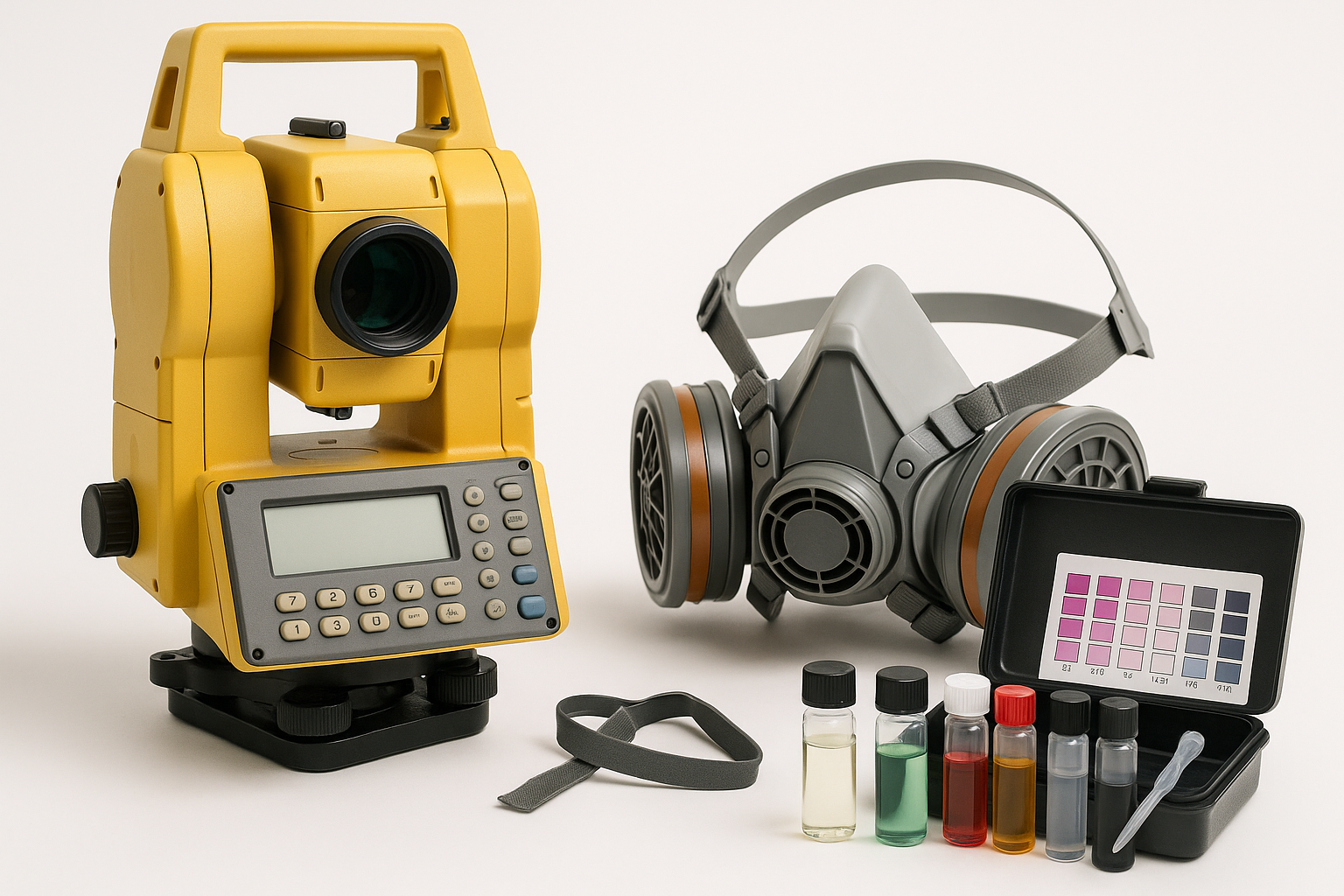
Historically, higher-risk settings have included:
- Construction and demolition
- Shipbuilding and dockyard work
- Boiler and pipe insulation
- Heating and ventilation work
- Roofing and cladding
- Plumbing and electrical work in older buildings
- Manufacturing involving asbestos-containing materials
- Railway, power station and industrial maintenance
Common asbestos-containing materials in older buildings can include:
- Pipe lagging
- Sprayed coatings
- Asbestos insulating board
- Cement sheets and roof panels
- Textured coatings
- Floor tiles and bitumen adhesives
- Gaskets, seals and rope products
- Soffits, ceiling tiles and service riser materials
If you manage an older property, the practical step is simple: identify suspect materials before any work starts. Maintenance teams, fit-out contractors and even minor repair works can disturb asbestos if nobody checks first.
If works are planned in the capital, arranging an asbestos survey London service before contractors begin can confirm where asbestos-containing materials are located and what action is needed.
For regional portfolios in the North West, an asbestos survey Manchester helps you understand risk before refurbishment, repair or occupation changes take place.
For sites across the Midlands, booking an asbestos survey Birmingham is a sensible way to avoid accidental disturbance in older building fabric.
What complications can asbestos exposure lead to?
If you are searching what are the first signs of asbestos poisoning, it also helps to understand where asbestos-related illness can lead. Some conditions are non-cancerous but still serious. Others are cancers strongly associated with asbestos exposure.
Complications of asbestosis
Asbestosis causes permanent scarring in the lungs. As the lungs become stiffer, breathing becomes harder and daily life can be affected significantly.
- Progressive shortness of breath
- Reduced exercise tolerance
- Greater vulnerability to chest infections
- Respiratory failure in advanced cases
- Strain on the heart where lung disease becomes severe
Complications of pleural disease
Asbestos can affect the pleura even where the lung tissue itself is less involved. Pleural plaques are often symptom-free, but diffuse pleural thickening can reduce lung function and restrict breathing.
Pleural effusion, where fluid builds around the lungs, can also occur. This may cause chest heaviness, pain and breathlessness, and it needs proper medical investigation.
Mesothelioma and lung cancer
Mesothelioma and asbestos-related lung cancer are the most serious recognised outcomes. Early symptoms can be non-specific, which is why persistent chest symptoms should never be brushed aside where there is known exposure.
Smoking also matters. The risk of lung cancer is far higher when smoking and asbestos exposure are combined than with either risk alone.
Other recognised cancers
When discussing what are the first signs of asbestos poisoning, many people focus only on mesothelioma. That is understandable, but asbestos exposure is also linked to other recognised cancers, including cancers of the larynx and ovary.
Any persistent unexplained symptom deserves proper assessment on its own merits. It is never sensible to assume a symptom is minor just because another explanation seems possible.
When to seek medical help
You do not need to wait until symptoms become severe before speaking to a GP. If you have a history of asbestos exposure and new respiratory symptoms, earlier assessment is the sensible approach.
Seek medical advice if you have:
- Breathlessness that is new or getting worse
- A cough lasting more than a few weeks
- Chest pain or ongoing tightness
- Repeated chest infections
- Unexplained fatigue
- Unexplained weight loss
- Wheezing or reduced exercise tolerance
- Coughing up blood
When you speak to a doctor, be specific about your exposure history. Mention the type of work you did, the buildings you worked in, whether asbestos-containing materials may have been disturbed, and roughly when this happened. That context can help shape the next steps.
What a GP may do next
The exact process depends on your symptoms, but a GP may:
- Take a full history of work and exposure
- Listen to your chest and assess breathing
- Arrange a chest X-ray or other imaging
- Request lung function tests
- Refer you to a respiratory specialist if needed
Do not rely on internet searches alone. Looking up what are the first signs of asbestos poisoning can help you recognise a pattern, but it cannot diagnose the cause.
What property managers and dutyholders should do now
For those responsible for buildings, the most useful response is not panic. It is control. The legal duty to manage asbestos exists because exposure often happens during ordinary building work rather than major demolition.
Practical steps include:
- Check whether an up-to-date asbestos survey is in place.
- Review the asbestos register before maintenance or contractor visits.
- Make sure suspect materials are not drilled, cut or disturbed without proper assessment.
- Use refurbishment or demolition surveys before intrusive works.
- Share asbestos information with anyone likely to work on the building.
- Act quickly if materials are damaged or deteriorating.
If a material is suspected to contain asbestos, do not disturb it to “see what is inside”. Stop work, restrict access and arrange professional advice. A sample, survey or risk assessment carried out properly is far safer than guesswork.
This is especially relevant in schools, offices, industrial units, retail premises, plant rooms and residential blocks with communal areas. Many of these buildings still contain asbestos in one form or another, and routine works can create avoidable exposure if management is poor.
Can you have been exposed and feel fine?
Yes. That is one of the reasons the question what are the first signs of asbestos poisoning keeps coming up. Many people exposed to asbestos feel completely normal at the time and may remain symptom-free for many years.
A lack of immediate symptoms does not prove an exposure event was harmless. It simply reflects the way asbestos-related disease develops. The effects, where they occur, are typically delayed.
That said, not everyone exposed to asbestos will go on to develop asbestos-related disease. Risk varies depending on the amount inhaled, how often exposure happened, the material involved and other factors such as smoking history. The sensible response is not to assume the worst, but not to ignore the issue either.
How to reduce the risk of future exposure
If you are responsible for buildings or contractors, prevention should be your priority. Once fibres are inhaled, the opportunity to avoid exposure has already been lost.
Use these practical measures:
- Identify asbestos-containing materials through the right type of survey
- Keep an accurate asbestos register
- Label or clearly communicate known asbestos locations where appropriate
- Plan maintenance carefully before intrusive work starts
- Use competent asbestos professionals for surveying, sampling and advice
- Ensure contractors have the information they need before starting work
- Monitor the condition of known asbestos materials over time
Good asbestos management is not just about legal compliance. It is about preventing exposure that could lead someone to ask what are the first signs of asbestos poisoning years down the line.
Frequently Asked Questions
What are the first signs of asbestos poisoning?
The earliest signs are often breathlessness, a persistent cough, chest pain or tightness, fatigue and reduced exercise tolerance. There is no single symptom that proves asbestos-related disease, so anyone with a history of exposure should seek medical advice if symptoms develop.
How long after exposure do asbestos symptoms appear?
Asbestos-related disease usually takes many years to develop. Symptoms often appear decades after exposure rather than soon afterwards, which is why people may feel completely well for a long time.
Can one exposure to asbestos make you ill?
A single exposure does not automatically mean you will become ill, but it should still be taken seriously. Risk depends on how much fibre was inhaled, the type of material involved, whether it was disturbed badly, and whether exposure happened more than once.
Should I see a doctor if I have a cough and worked around asbestos years ago?
Yes. A persistent cough, breathlessness, chest discomfort or repeated chest infections should be discussed with a GP if you have a past history of asbestos exposure. Make sure you mention that history clearly during the appointment.
What should I do if I manage an older building with suspected asbestos?
Do not disturb the material. Review your asbestos information, stop any work that could affect it, and arrange professional surveying or assessment. Supernova can help with surveys, sampling and practical asbestos management advice across the UK.
If you need clear, reliable help with asbestos in a commercial, public or residential property, Supernova Asbestos Surveys can assist with management surveys, refurbishment surveys, sampling and expert advice nationwide. Call 020 4586 0680 or visit asbestos-surveys.org.uk to book a survey or discuss your building.