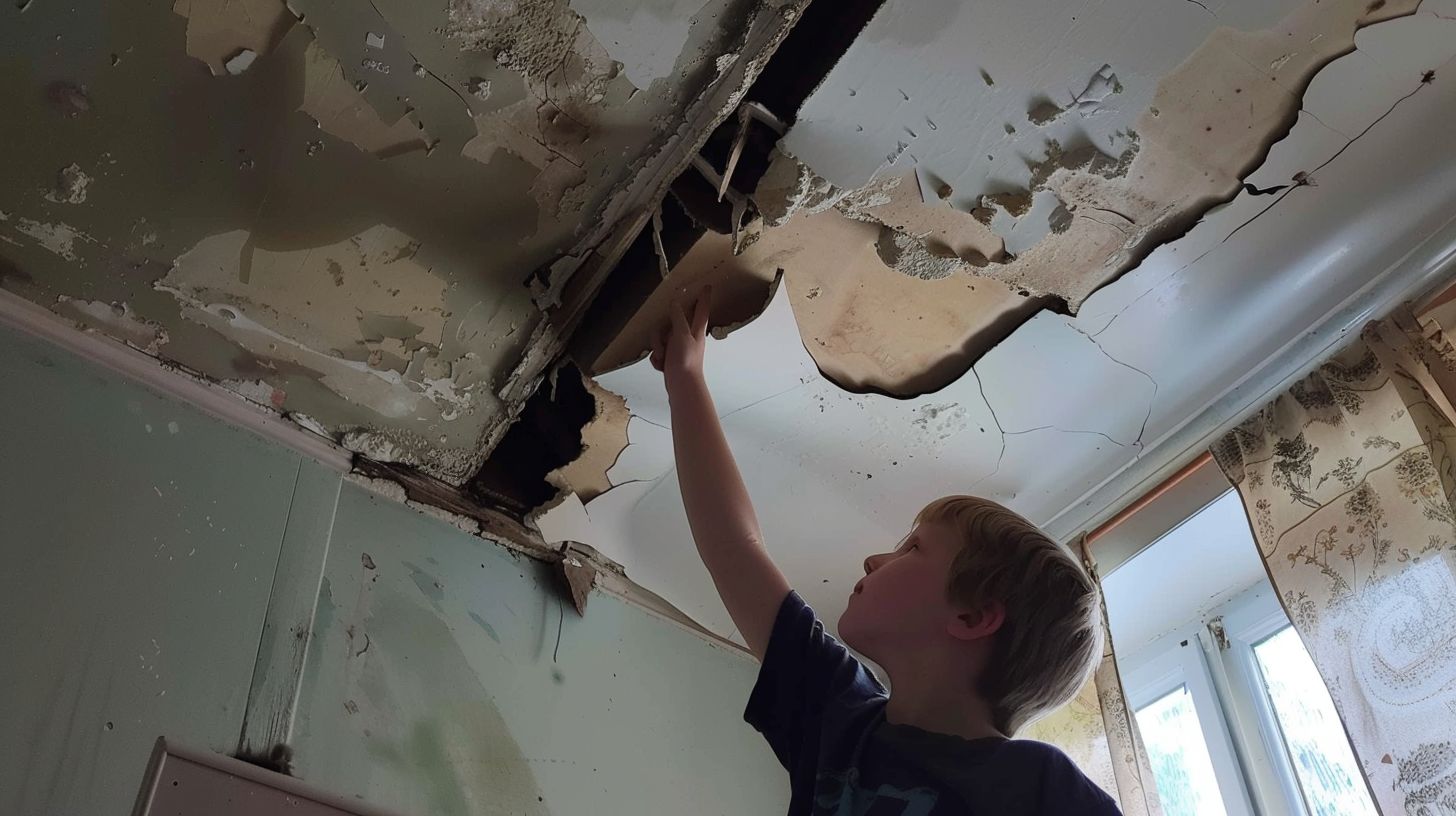
Why Are Younger People at a Greater Risk of Developing Asbestos-Related Diseases?
The question of why younger people are at a greater risk of developing asbestos-related diseases, compared to those who are exposed later in life, is one that every parent, school governor, and property manager in the UK needs to genuinely understand. This is not simply about how much asbestos someone breathes in. The biology of a developing body, combined with the brutal mathematics of latency, means that asbestos exposure in childhood or early adulthood can take decades to surface — by which point the damage is already done.
Understanding this risk is not about generating panic. It is about making informed decisions — whether you manage a school, own an older property, or work in a trade where asbestos contact is possible. The science is clear, the exposure routes are real, and the steps to reduce risk are practical.
The Science Behind Age and Asbestos Risk
Latency Periods and Lifetime Risk
Asbestos-related diseases are not immediate. After fibres are inhaled and lodge in the lining of the lungs, chest wall, or abdomen, the body’s response — scarring, chronic inflammation, and in some cases malignant change — unfolds over decades. The latency period for mesothelioma, the most serious asbestos-related cancer, is typically between 20 and 50 years from first exposure.
This is the central reason why younger people face greater overall risk. A child exposed to asbestos fibres at age eight has 40 or 50 years ahead of them for that disease to develop. An adult first exposed at age 50 has a significantly shorter biological window. The disease process is the same — but the time available for it to run its course is not.
The relationship between exposure and disease is also not purely linear. Evidence consistently supports the view that earlier exposure creates a longer period during which cumulative biological damage can accumulate, increasing the probability that disease will eventually manifest. Earlier exposure does not just mean more time — it means more opportunity for that damage to compound.
Developing Bodies Respond Differently
Children breathe faster than adults. A higher respiratory rate means that, in a contaminated environment, a child can inhale a proportionally greater volume of airborne fibres over the same period of time. Their lung tissue is still developing, which may make it more susceptible to the kind of fibre-induced damage that eventually leads to disease.
Children also behave differently in spaces. They spend more time on floors where settled dust may have accumulated. They touch surfaces and put hands near their mouths. These behavioural factors increase the overall dose they receive in any contaminated environment, even if the ambient fibre concentration appears relatively low.
There Is No Safe Level of Exposure
The Health and Safety Executive is clear that there is no known safe threshold of asbestos exposure below which mesothelioma risk is completely eliminated. This matters enormously when thinking about children and young people.
Even relatively brief, low-level exposure during childhood — the kind that might occur during a poorly managed school maintenance job, or a botched DIY project at home — carries a non-zero lifetime risk that is greater than the equivalent exposure experienced in middle age. The dose matters, but so does the age at which that dose is received.
How Young People Come Into Contact With Asbestos in the UK
Schools and Educational Buildings
The UK’s school building stock is old. A very large proportion of schools were constructed during the post-war building boom of the 1950s, 60s, and 70s — precisely when asbestos use in construction was at its peak. Ceiling tiles, floor tiles, pipe lagging, insulation boards, textured coatings, and roofing materials all commonly contained asbestos during this period.
In most cases, asbestos-containing materials (ACMs) that are intact, well-bonded, and undisturbed do not release fibres into the air. The risk arises when those materials deteriorate, are damaged accidentally, or are disturbed during maintenance and renovation work. A ceiling tile cracked during routine work, or pipe lagging disturbed by an uninformed contractor, can release fibres into a space where children spend their days.
Under the Control of Asbestos Regulations, duty holders — including schools and local authorities — are legally required to identify ACMs, assess their condition, and manage them appropriately. That means maintaining an up-to-date asbestos register and a written management plan. A management survey is the starting point for meeting this legal duty, and it must be kept current. Compliance across the UK school estate is not uniform, and that remains a genuine concern.
The Family Home
Any property built or refurbished before the year 2000 may contain asbestos. Textured coatings such as Artex, floor tiles, soffit boards, garage roofing, and pipe lagging are all common sources. In an intact state, these materials are generally low risk.
The problem arises when homeowners — often unaware of what they have — drill, sand, scrape, or cut these materials during DIY work. A single poorly managed DIY job can release a significant concentration of fibres into a living space. Children in that home may be exposed for hours or days before anyone realises what has happened.
If you are planning any renovation work in a pre-2000 property, having materials tested before you start is not excessive caution — it is the sensible minimum. A refurbishment survey carried out by an accredited surveyor will identify what is present and what needs to be managed before work begins.
Secondary Exposure — Fibres Brought Home
Tradespeople working in older buildings — plumbers, electricians, carpenters, demolition workers — can inadvertently carry asbestos fibres home on their clothing, tools, and skin. Children who have close contact with a parent returning from a contaminated site, or who come into contact with unwashed work clothes, can inhale fibres as a result.
Historical data has shown that family members of asbestos workers — particularly those who handled work clothing — have faced a measurably elevated risk of mesothelioma through this secondary route. Awareness has improved considerably, but the legacy of this exposure is still visible in clinical settings today.
If you work in any trade where asbestos contact is possible, changing clothes before leaving the site and washing work clothing separately are basic but important protective steps for everyone in your household.
Natural Asbestos Deposits
While less relevant to the majority of UK families, asbestos occurs naturally in certain geological formations. In areas where surface deposits are subject to erosion or disturbance, fibres can become airborne in the local environment. This is a more significant concern in some parts of the world than in the UK, but it is a recognised exposure pathway worth being aware of if you live or work near known geological deposits.
The Health Conditions Linked to Early Asbestos Exposure
Mesothelioma
Mesothelioma is a rare but aggressive cancer affecting the lining of the lungs (pleural mesothelioma), the abdomen (peritoneal mesothelioma), or — less commonly — the heart. It is almost exclusively caused by asbestos exposure. By the time symptoms appear, the disease is typically at an advanced stage, and prognosis remains poor despite advances in treatment.
For young people, the concern is the latency period. Fibres inhaled during childhood may not cause symptoms until a person is in their 40s, 50s, or beyond. There are documented cases of people diagnosed with mesothelioma whose primary exposure occurred during childhood — at school, in a family home, or through a parent’s occupation. This is not a theoretical risk. It is a pattern that has been observed in real patients.
Lung Cancer
Asbestos is a recognised cause of lung cancer, independent of smoking. The risk is substantially compounded when both exposures occur. A young person exposed to asbestos who subsequently smokes as an adult faces a lung cancer risk that is significantly greater than either factor alone would suggest.
This multiplicative effect makes early asbestos exposure a long-term concern that interacts with lifestyle choices made years or even decades later. It is another reason why limiting exposure in childhood carries disproportionate long-term benefit.
Asbestosis
Asbestosis is a chronic, progressive scarring of the lung tissue caused by prolonged inhalation of asbestos fibres. It causes breathlessness, persistent cough, and in advanced cases, respiratory failure. It is more typically associated with heavy, sustained occupational exposure, but the fibre burden that contributes to the condition can begin accumulating early in life. There is no reversal of the scarring once it has occurred.
Pleural Plaques and Pleural Thickening
These are changes to the pleural lining of the lungs that can follow asbestos exposure. Pleural plaques are generally benign in themselves, but their presence is a marker of significant past exposure and indicates that the individual warrants ongoing medical monitoring.
Pleural thickening can cause breathlessness and reduced lung function over time, affecting quality of life significantly. Neither condition should be dismissed as a minor finding — both point to a history of exposure that needs to be taken seriously.
The UK Legal Framework — What Duty Holders Must Do
The Control of Asbestos Regulations set out clear legal duties for anyone who manages or has responsibility for non-domestic premises. This includes schools, nurseries, hospitals, sports centres, and any other building where children and members of the public spend time.
Key obligations for duty holders include:
- Conducting a suitable and sufficient asbestos survey to identify ACMs and assess their condition
- Maintaining an asbestos register — a documented record of all ACMs, their location, type, and condition
- Producing a written asbestos management plan setting out how ACMs will be monitored, managed, and if necessary removed
- Informing contractors, maintenance staff, and others likely to disturb ACMs about what is present and where
- Carrying out regular re-inspection survey assessments — typically annually — to check whether condition has changed
Annual re-inspections are not optional extras. They are the mechanism by which duty holders demonstrate ongoing management of known risks, and they are an essential safeguard in buildings where children are present.
For domestic properties, the legal position is different. Homeowners have no statutory duty to survey their own home. However, any contractor working on a domestic property has duties under the same regulations if the work could disturb ACMs. And any homeowner has a clear duty of care to the people — including children — living in that property.
Before any significant building work, a demolition survey or refurbishment survey is required. A management survey alone is not sufficient for intrusive work.
Practical Steps to Protect Young People
For Schools and Local Authorities
- Ensure a current, accurate asbestos register is in place and reviewed regularly
- Commission a management survey if one has never been done, or if the existing survey is outdated
- Make the asbestos register available to all contractors before any maintenance or renovation work begins
- Schedule annual re-inspections to monitor the condition of all identified ACMs
- Commission a refurbishment or demolition survey before any significant building work — a management survey does not cover intrusive works
- Ensure relevant site staff receive asbestos awareness training
- Have a clear, documented emergency protocol in place in case of accidental disturbance
For Parents and Homeowners
- If your home was built before 2000, treat it as potentially containing asbestos until proven otherwise
- Never sand, drill, or scrape textured coatings, floor tiles, or pipe lagging without having materials tested first
- Use an accredited asbestos surveyor — not a general builder — to assess suspect materials before renovation work
- If you work in the trades, change out of work clothes before returning home and wash them separately
- If you suspect a disturbance has occurred in your home, vacate the affected area, ventilate if safe to do so, and seek professional advice before re-entering
For Tradespeople and Contractors
- Assume asbestos is present in any building constructed before 2000 until a survey confirms otherwise
- Check the asbestos register before starting any work on a non-domestic property
- Do not disturb suspect materials without appropriate assessment and, where required, a licensed contractor
- Follow HSE guidance on asbestos awareness — it is a legal requirement for anyone working in the built environment
- Decontaminate properly before leaving site to avoid carrying fibres home
Why the Age of Exposure Matters More Than Most People Realise
To answer the question directly: younger people are at a greater risk of developing asbestos-related diseases compared to those exposed later in life primarily because of latency. The longer the period between first exposure and the end of a person’s life, the greater the opportunity for disease to develop and progress.
But latency is only part of the picture. Developing bodies are physiologically more vulnerable. Behavioural patterns increase the dose received. And the interaction between early asbestos exposure and later lifestyle factors — particularly smoking — can multiply risk in ways that are not fully apparent until decades have passed.
This is why asbestos management in schools is not a bureaucratic exercise. It is a direct safeguard for the long-term health of children who have no say in the buildings they occupy. It is why homeowners undertaking renovation work in older properties need to take the question of asbestos seriously before they pick up a power tool. And it is why tradespeople have both a legal and a moral obligation to manage their own exposure — not just for themselves, but for the families they return home to.
The good news is that the risk is manageable. Asbestos that is in good condition and left undisturbed presents minimal risk. Proper surveying, accurate record-keeping, and professional management of ACMs are effective tools. The problem is not asbestos that is known about and managed — it is asbestos that is unknown, ignored, or disturbed without proper precaution.
Whether you need an asbestos survey in London, an asbestos survey in Manchester, or an asbestos survey in Birmingham, the starting point is always the same: find out what you have, understand its condition, and manage it properly.
Frequently Asked Questions
Why are younger people at a greater risk of developing asbestos-related diseases compared to those exposed later in life?
The primary reason is latency. Asbestos-related diseases — particularly mesothelioma — can take 20 to 50 years to develop after first exposure. A child exposed at a young age has a much longer biological window for the disease to progress than an adult exposed in middle age. Additionally, children breathe faster than adults, potentially inhaling a greater volume of fibres in the same environment, and their developing lung tissue may be more susceptible to fibre-induced damage.
Is asbestos in schools a current risk for children in the UK?
Many UK schools were built during the post-war decades when asbestos use in construction was widespread. Where ACMs are intact and undisturbed, the risk is low. The risk increases when materials deteriorate or are disturbed during maintenance work. Under the Control of Asbestos Regulations, schools and local authorities have a legal duty to identify, manage, and monitor ACMs — including maintaining an up-to-date asbestos register and management plan.
Can children be exposed to asbestos at home?
Yes. Any property built or refurbished before 2000 may contain asbestos in materials such as textured coatings, floor tiles, pipe lagging, and soffit boards. DIY work that disturbs these materials can release fibres into the living environment. Children can also be exposed through secondary contact — for example, if a parent working in the trades brings fibres home on their clothing.
What types of asbestos surveys are available for different situations?
There are several types of survey depending on the circumstances. A management survey identifies and assesses ACMs in a building that is in normal use. A refurbishment survey is required before any renovation or intrusive work. A demolition survey is required before a building is demolished. A re-inspection survey is carried out periodically to monitor the condition of known ACMs. Each serves a different purpose and they are not interchangeable.
What should I do if I think asbestos has been disturbed in a building where children are present?
Evacuate the affected area immediately and prevent others from entering. Do not attempt to clean up dust or debris yourself. Ventilate the space if it is safe to do so without spreading contamination further. Contact an accredited asbestos professional to assess the situation, carry out air testing if required, and advise on remediation. Do not allow the area to be reoccupied until it has been declared safe by a qualified specialist.
Speak to Supernova Asbestos Surveys
Supernova Asbestos Surveys has completed over 50,000 surveys across the UK, working with schools, local authorities, housing providers, and commercial property managers. Our UKAS-accredited surveyors provide management surveys, refurbishment surveys, demolition surveys, and re-inspection surveys — all underpinned by HSE-compliant methodology and clear, actionable reporting.
If you manage a building where children are present, or you are planning work on an older property, do not leave asbestos risk to chance. Call us on 020 4586 0680 or visit asbestos-surveys.org.uk to book a survey or speak to one of our team.