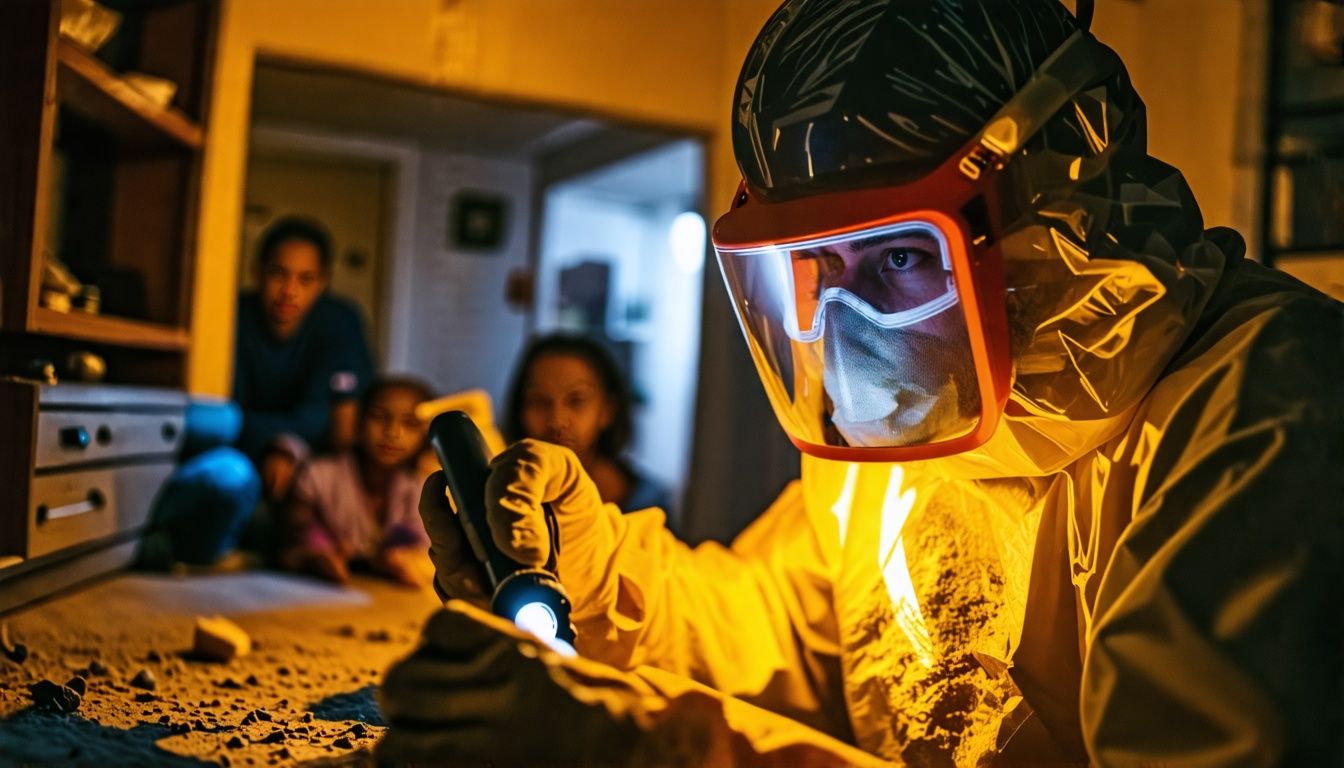
Found Asbestos in Your Home? Here’s What to Do Next
Discovering asbestos in your home is unsettling — but it doesn’t have to become a crisis. The real danger isn’t the material sitting quietly behind your walls or above your ceiling; it’s disturbing it without knowing what you’re dealing with. Panic leads to exactly the wrong response.
What actually protects your family is understanding where asbestos hides, how to respond when you find it, and when to call in a qualified professional. From spotting suspect materials to understanding your legal position as a UK homeowner, here’s everything you need to know.
Where Is Asbestos Typically Found in a Home?
Asbestos was used extensively in UK construction until it was fully banned in 1999. If your property was built or significantly refurbished before that date, there’s a realistic chance asbestos is present — often in several places at once.
The material was cheap, fire-resistant, and remarkably durable, which is exactly why builders reached for it so often. Common locations include:
- Artex and textured coatings — sprayed or trowelled onto ceilings and walls, particularly widespread in homes from the 1970s and 1980s
- Floor tiles — vinyl and thermoplastic tiles, along with the adhesive used to fix them
- Pipe lagging and boiler insulation — often loose or crumbling in older heating systems
- Roof tiles and cement sheets — flat or corrugated roofing in garages, outbuildings, and extensions
- Soffit boards and ceiling tiles — particularly in garages and utility rooms
- Insulation board — used around fireplaces, in partition walls, and as fire breaks
- Loose-fill loft insulation — looks like grey or blue fluffy material, used in some homes during the 1960s and 1970s
Asbestos also turns up in less obvious spots: behind bath panels, under linoleum, inside airing cupboards, and in older storage heaters. It’s rarely where you’d expect it, which is exactly why a professional survey is so valuable.
Can You Identify Asbestos in Your Home by Looking at It?
Honestly — no, not with any certainty. You cannot reliably identify asbestos-containing materials (ACMs) by sight alone. Many ACMs look identical to materials that contain no asbestos whatsoever.
Even qualified surveyors won’t confirm the presence of asbestos without laboratory analysis of a physical sample. What you can do is recognise materials that are likely to contain asbestos based on their age, appearance, and location — and treat them with appropriate caution until they’re properly tested.
Visual Warning Signs to Watch For
- Textured or stippled ceiling coatings in pre-2000 properties
- Corrugated cement roofing on garages or sheds
- Old floor tiles with a grey or mottled appearance
- Fibrous or fluffy insulation around pipework or inside walls
- Crumbling or deteriorating materials that produce fine dust when touched
- Grey, loosely packed loft insulation that doesn’t resemble modern mineral wool
If a material is in poor condition — crumbling, flaking, or visibly damaged — treat it as a potential ACM until you know otherwise. The condition of the material matters just as much as its composition.
Immediate Steps If You Suspect Asbestos in Your Home
If you’ve uncovered something suspicious during a renovation, a repair, or routine maintenance — stop what you’re doing immediately. The risk from asbestos comes almost entirely from airborne fibres. Intact, undisturbed asbestos is far less dangerous than material that has been broken, sanded, drilled, or cut.
Step 1: Stop Work and Don’t Disturb the Area
Put your tools down. Don’t sweep up dust, vacuum the area with a standard hoover, or continue cutting or drilling. Ordinary vacuum cleaners are not designed to trap asbestos fibres — they simply recirculate them back into the air you’re breathing.
Step 2: Seal Off the Area
Use heavy-duty polythene sheeting and adhesive tape to close off the affected space. If it’s a room, keep the door shut and let other household members know to stay away. You don’t need to turn your home into a hazmat scene — just prevent unnecessary access until the area has been properly assessed.
Step 3: Don’t Attempt to Clean It Yourself
If dust or debris has been disturbed, resist the urge to clean it up immediately. Lightly dampening the area can help suppress loose fibres, but anything beyond that should be left to a professional with appropriate equipment and PPE.
Step 4: Ventilate Sensibly
Open windows in the affected area to allow air to circulate and fibres to disperse. Avoid creating draughts that pull air from the suspect area into the rest of your home, and keep internal doors between the affected room and your living spaces closed.
Step 5: Get It Tested
The only way to know for certain whether a material contains asbestos is to have it tested. Don’t make decisions about removal, renovation, or continued use of the space based on guesswork. Arrange either a professional survey or, for an initial answer, use an asbestos testing kit to send a sample to an accredited laboratory.
Getting a Professional Asbestos Survey
For most homeowners, arranging a professional asbestos survey is the single most important step you can take. It gives you accurate, actionable information about what’s in your property — and what, if anything, needs to be done about it.
Types of Survey Available
There are three main types of survey, and choosing the right one depends on your situation:
- Management survey — A general assessment to identify ACMs that could be disturbed during normal occupation or minor maintenance. This is the appropriate starting point for most homeowners who haven’t got building work planned. It gives you a clear picture of what’s present and what condition it’s in.
- Refurbishment survey — Required before any significant renovation, extension, or alteration work. It’s more intrusive than a management survey because the surveyor needs to access areas that will be disturbed during construction. If you’re planning a kitchen refit, loft conversion, or extension, this is the appropriate choice.
- Demolition survey — Required before any demolition work takes place. This is the most thorough and intrusive type, designed to locate all ACMs throughout the entire structure before it comes down.
If you’ve simply discovered something suspicious during routine maintenance, a management survey or targeted asbestos testing may be sufficient. If building work is on the horizon, don’t delay commissioning a refurbishment survey — it’s a legal requirement before work begins.
What Happens During a Survey?
A qualified surveyor will inspect your property thoroughly, visually assessing materials and taking small samples from suspected ACMs for laboratory analysis. Samples are collected carefully to minimise disturbance, and the surveyor will wear appropriate PPE and follow proper sampling protocols throughout.
You’ll receive a detailed written report confirming which materials contain asbestos, what type is present, the condition of each material, and a risk assessment. This report forms the basis for any decisions about ongoing management or removal.
Who Should You Use?
Always use a surveyor with qualifications recognised by the British Occupational Hygiene Society (BOHS) — specifically the P402 certificate for building surveying and sampling. Check that the company uses a UKAS-accredited laboratory for sample analysis. Both are clear indicators of technical competence and professional standards.
If you’re based in the capital, Supernova Asbestos Surveys provides fully qualified surveyors across the city. You can find out more about our asbestos survey London service on our website.
Should You Test for Asbestos Yourself?
If you want an initial answer before commissioning a full survey, DIY testing is an option. A testing kit allows you to collect a small sample yourself and send it to an accredited laboratory for analysis.
If you do take a sample yourself, follow these steps carefully:
- Dampen the material slightly before sampling to suppress dust
- Wear gloves and a suitable dust mask as a minimum
- Seal the sample securely in the packaging provided
- Dispose of any materials used during sampling as potential asbestos waste
- Wash your hands thoroughly after completing the process
A DIY kit gives you a yes or no result on a specific sample. What it doesn’t give you is a full picture of your property, a risk assessment, or professional recommendations. For anything beyond confirming whether a single material contains asbestos, a professional survey is the better investment.
Asbestos Removal: What Homeowners Need to Know
This is where many homeowners make costly — and potentially dangerous — mistakes. The rules in the UK are clear, and it’s worth understanding them before making any decisions.
What the Law Says
The Control of Asbestos Regulations set out strict requirements for how asbestos must be managed, handled, and removed. Under these regulations, certain types of asbestos work — including the removal of sprayed coatings, asbestos insulation, and asbestos insulating board — must only be carried out by contractors licensed by the Health and Safety Executive (HSE).
Other lower-risk asbestos work can be carried out without a licence, but still requires specific training, appropriate controls, and notification to the relevant enforcing authority in many cases. The HSE’s guidance document HSG264 provides detailed information on surveying and sampling requirements.
Can Homeowners Remove Asbestos Themselves?
Technically, the Control of Asbestos Regulations are primarily aimed at employers and those carrying out work in commercial or workplace settings. As an owner-occupier, you are not prohibited from working with asbestos-containing materials in your own home in the same way a contractor would be.
However — and this cannot be overstated — that does not mean it’s safe or advisable. Asbestos fibres are a Class 1 carcinogen. There is no known safe level of exposure. Removing ACMs without proper equipment, training, and containment puts you, your family, and your neighbours at serious risk.
The practical advice is straightforward: do not attempt to remove asbestos yourself. If materials are intact and undamaged, the safest option is often to leave them in place and manage them — not to disturb them. When removal is genuinely necessary, use a qualified professional for asbestos removal.
When Is Removal Actually Necessary?
Not all asbestos needs to be removed. Asbestos in good condition, not likely to be disturbed, and inaccessible to building occupants can often be left in place safely. The priority is identifying it, recording it, and monitoring it over time.
Removal becomes necessary when:
- Materials are deteriorating or damaged and releasing fibres
- Building work is planned that will disturb the ACMs
- The material is in an area subject to regular disturbance or wear
- The property is being sold and survey results are causing concern for buyers or lenders
A professional asbestos surveyor can advise on whether removal, encapsulation, or ongoing management is the most appropriate course of action for your specific circumstances.
Your Responsibilities as a Homeowner
The formal duty to manage asbestos under the Control of Asbestos Regulations applies primarily to those who manage non-domestic premises. As an owner-occupier of a domestic property, you don’t carry the same statutory duty that a commercial landlord or building manager would.
However, if you are a landlord — even of a single residential property — your responsibilities increase significantly. You have a duty to ensure asbestos-containing materials in your property are identified, assessed, and properly managed to protect your tenants from harm.
If You’re Selling Your Home
Asbestos doesn’t automatically prevent a property sale, but undisclosed ACMs can create problems down the line. Mortgage lenders and surveyors are increasingly alert to asbestos-related risks, and buyers are entitled to ask questions.
Having a current asbestos survey report to hand demonstrates transparency and can actually smooth the sales process. It shows you’ve taken responsible steps to understand the condition of your property. If ACMs are present but well-managed and in good condition, that’s a very different conversation to having no information at all.
If You’re Planning Renovation Work
Before any contractor starts work on a pre-2000 property, the Control of Asbestos Regulations require that an assessment is made of whether asbestos is likely to be present. Commissioning a refurbishment survey before work begins isn’t just good practice — it’s a legal obligation.
Contractors who disturb asbestos unknowingly can face serious HSE enforcement action. As the person commissioning the work, ensuring they have the information they need to work safely is part of your responsibility too.
Living Safely With Asbestos in Your Home
For many homeowners, the answer isn’t removal — it’s informed management. Millions of UK properties contain asbestos that poses no immediate risk because it’s in good condition and unlikely to be disturbed.
Managing asbestos safely means:
- Knowing where ACMs are located in your property
- Monitoring their condition regularly for signs of deterioration
- Ensuring any tradespeople working in your home are aware of their locations
- Never drilling, cutting, or sanding a suspected ACM without professional assessment first
- Keeping a written record of survey findings and any work carried out
If you’ve had a survey carried out, the report itself is your most important tool. Keep it somewhere accessible and share it with any contractor who works in your home. That single document can prevent a serious incident.
For homeowners who want professional guidance on managing identified ACMs — or who want to arrange asbestos testing for suspect materials — Supernova Asbestos Surveys can help at every stage of the process.
Frequently Asked Questions
Is asbestos in my home dangerous if I leave it alone?
Asbestos that is in good condition, undamaged, and unlikely to be disturbed poses a very low risk. The danger arises when ACMs are broken, drilled, cut, or sanded, releasing microscopic fibres into the air. If you know asbestos is present and it’s intact, the safest approach is usually to leave it in place, monitor it regularly, and ensure anyone working in your home is aware of its location.
How do I know if my home contains asbestos?
You cannot tell by looking. The only reliable way to confirm whether a material contains asbestos is laboratory analysis of a physical sample. If your property was built or refurbished before 2000, it’s sensible to commission a professional asbestos survey or use a home testing kit to check suspect materials before carrying out any work.
Do I need a licence to remove asbestos from my own home?
The Control of Asbestos Regulations place licensing requirements primarily on contractors. As an owner-occupier, you are not legally required to hold a licence to work on your own home. However, certain high-risk materials — such as sprayed coatings, asbestos insulation, and asbestos insulating board — must only be removed by HSE-licensed contractors regardless of who owns the property. For all other ACMs, professional removal is still strongly recommended.
What’s the difference between a management survey and a refurbishment survey?
A management survey identifies asbestos-containing materials that could be disturbed during normal day-to-day use of a property. It’s suitable for homeowners who want to understand what’s present without any building work planned. A refurbishment survey is more intrusive and is required before any renovation, alteration, or extension work begins — it accesses areas that will be affected by the planned works and is a legal requirement under the Control of Asbestos Regulations.
Can I sell my home if it contains asbestos?
Yes. The presence of asbestos does not prevent a property from being sold. However, undisclosed ACMs can cause complications during the conveyancing process, particularly if a buyer’s surveyor identifies suspect materials. Having an up-to-date asbestos survey report demonstrates transparency and can help reassure buyers and lenders. If ACMs are present and well-managed, that’s a far stronger position than having no information at all.
Concerned about asbestos in your home? Supernova Asbestos Surveys has completed over 50,000 surveys across the UK. Our fully qualified surveyors can assess your property, identify any asbestos-containing materials, and give you a clear, practical plan for managing them safely. Call us on 020 4586 0680 or visit asbestos-surveys.org.uk to book your survey today.