A search for an asbestos detector usually starts the same way: you’ve found an old board, ceiling coating, tile or garage roof, and you want a fast answer before anyone touches it. That instinct makes sense. The problem is that asbestos cannot usually be confirmed by a simple handheld device in the way people expect, and relying on the wrong tool can lead to the wrong decision.
In UK properties, especially those built or refurbished before 2000, suspect materials still turn up regularly. Some are low risk if left undisturbed. Others can release fibres if drilled, broken, sanded or stripped out. That is why an asbestos detector is rarely the right answer on its own, while proper surveying, sampling and laboratory analysis are what actually give you a reliable basis for action.
What people mean when they search for an asbestos detector
Most people are not really looking for a single magic machine. When someone searches for an asbestos detector, they are usually thinking of one of three things:
- a scanner or handheld device that gives an instant reading
- a home sampling kit
- a professional inspection or survey
Those options are very different. Only one of them gives you a dependable result without guesswork, and that is a competent inspection backed by suitable sampling and analysis where needed.
Asbestos fibres are microscopic. Identification is normally based on recognising suspect materials, assessing where they are used, taking samples safely where appropriate, and having those samples analysed by a competent laboratory. A consumer asbestos detector does not replace that process.
Can you buy or hire an asbestos detector in the UK?
Yes, you can find products marketed as an asbestos detector online, and some specialist equipment may be available in technical or commercial settings. That does not mean it is suitable for household use, landlord checks, or property management decisions.
If you are responsible for a building, you need evidence that stands up in practice. A vague reading from a device with unclear limitations is not enough when contractors are due on site or when you need to comply with your duties under the Control of Asbestos Regulations.
Consumer devices and quick-scan products
Some products are sold as scanners or rapid detectors. Treat those claims carefully. A surface scan cannot reliably confirm the composition of many building materials, especially where asbestos is mixed into cement, textured coatings, insulation boards, adhesives or floor products.
If a seller suggests their asbestos detector can replace sampling, a survey or lab analysis, that should raise concerns straight away.
Specialist equipment
You may also see references to air monitoring pumps, microscopes or other technical instruments. These are not DIY tools. They are used by trained professionals within controlled procedures, and they answer different questions.
For example, air monitoring is not the same as identifying whether a board or tile contains asbestos. It is a specialist process used in specific circumstances, often alongside removal work or clearance procedures.
Why an asbestos detector is not enough
The biggest issue with any so-called asbestos detector is false confidence. If a device suggests a material is clear when it is not, people carry on drilling, cutting or removing it. That is when exposure risk rises.
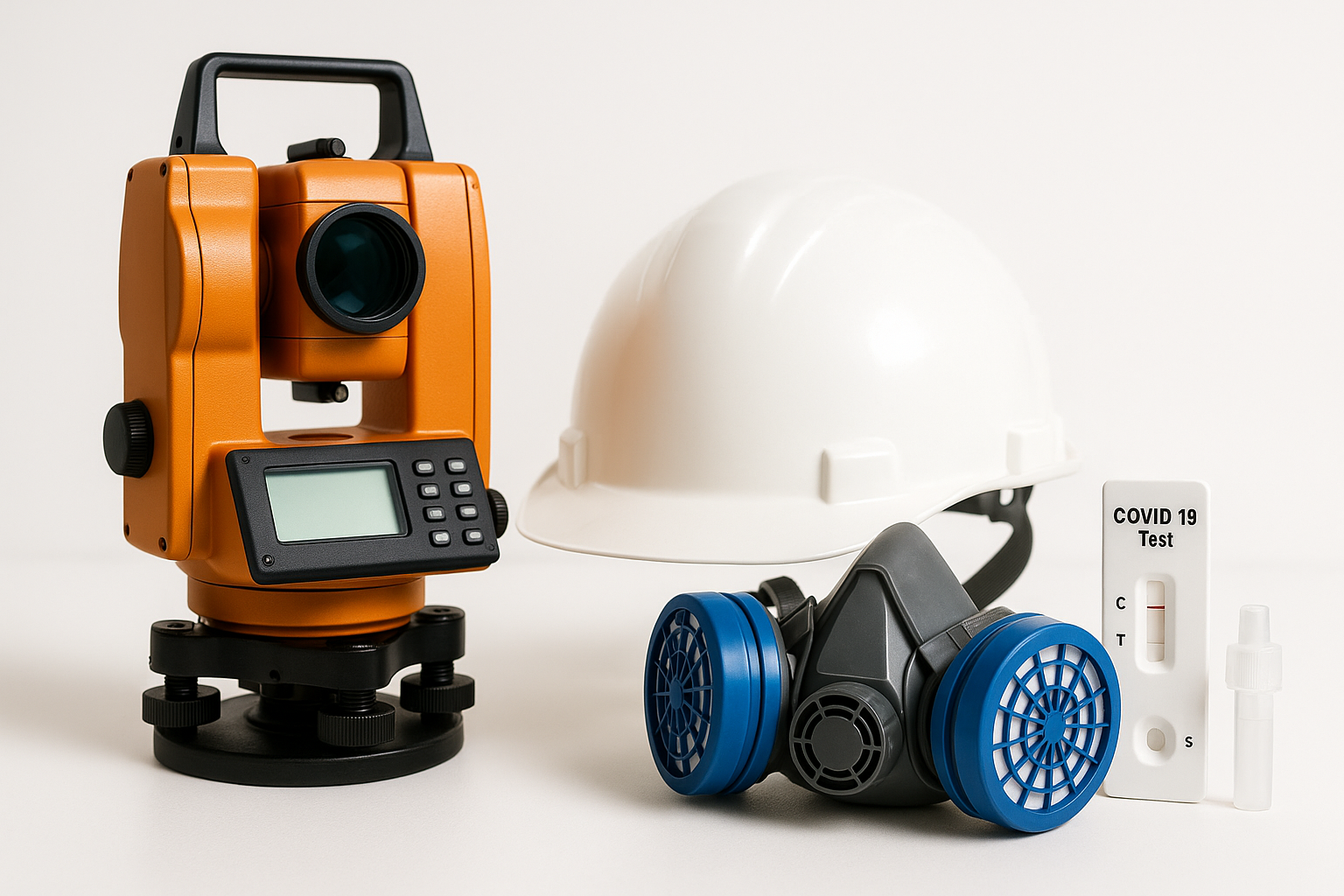
Many asbestos-containing materials look similar to non-asbestos alternatives. Equally, some ordinary-looking materials can contain asbestos in a way that is not obvious at all. Visual appearance alone is not enough, and neither is a gadget that promises certainty without proper analysis.
HSE guidance and HSG264 place the emphasis on competent inspection, suitable survey types, safe sampling and clear reporting. That is because asbestos management is not just about identifying a material. It is about understanding:
- what the material is
- where it is located
- how much is present
- what condition it is in
- how likely it is to be disturbed
- what action is needed next
A simple asbestos detector cannot give you that full picture.
Where asbestos is commonly found in UK properties
If a property was built or refurbished before 2000, asbestos may be present. That does not automatically mean there is immediate danger. It does mean you should be cautious before maintenance, refurbishment or demolition work begins.
Common places where surveyors find asbestos include:
- textured coatings on ceilings and walls
- floor tiles and bitumen adhesive
- soffits, gutters and cement roof sheets
- garage and shed roofs
- pipe lagging and boiler insulation
- asbestos insulating board in partitions, cupboards and service risers
- ceiling tiles
- panels behind heaters or fuse boards
- bath panels, boxing and duct covers
- sprayed coatings in some larger or older premises
- rope seals, gaskets and insulation around plant
This is another reason an asbestos detector is not a shortcut. The level of risk depends on the product type and condition. Bonded asbestos cement in good condition is very different from damaged lagging or insulating board.
What actually works instead of an asbestos detector
If you need a dependable answer, there are practical routes that work far better than relying on an asbestos detector. The right option depends on what you are trying to achieve.
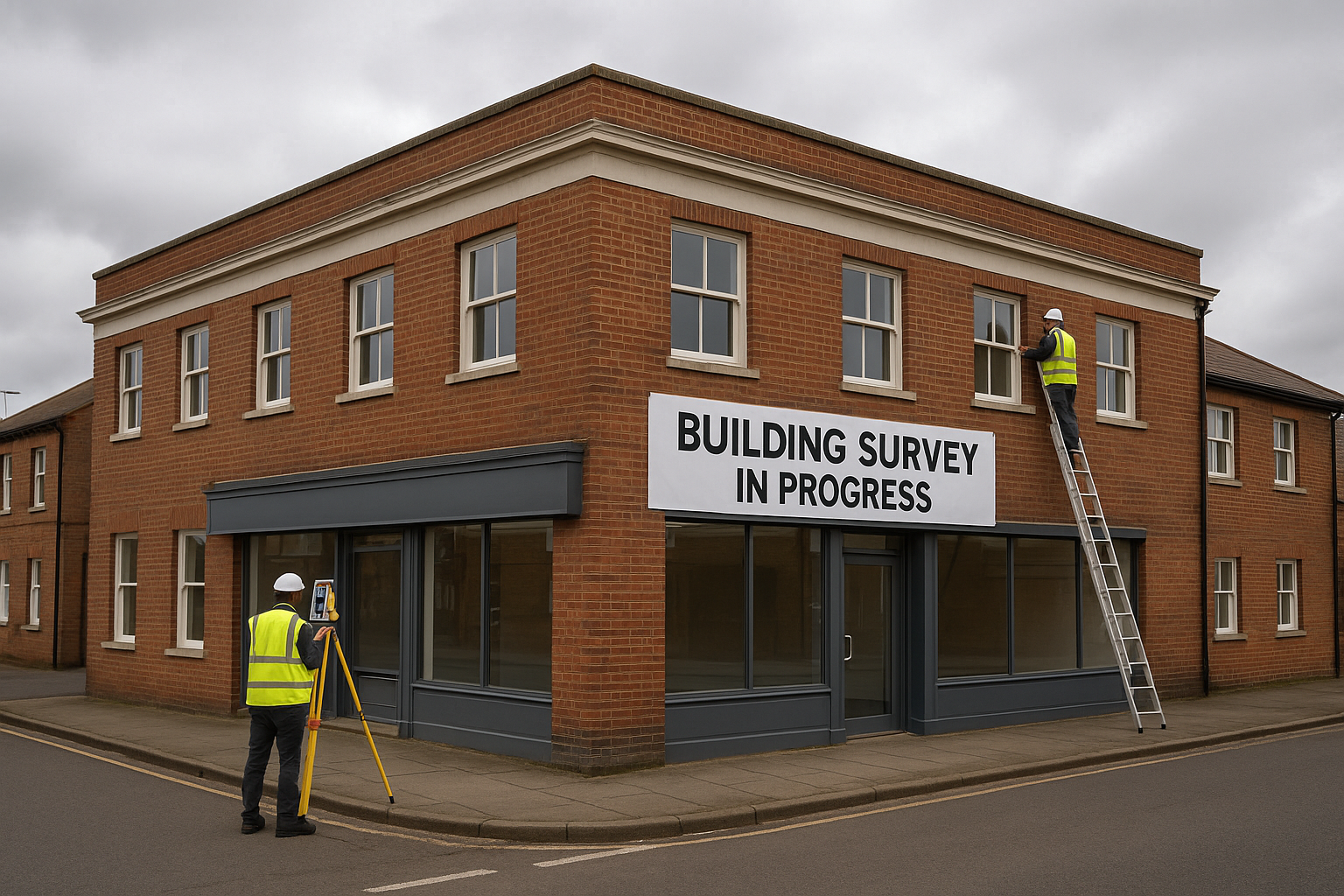
1. Arrange the correct asbestos survey
If you need to understand asbestos risk across a building, a survey is usually the right starting point. For occupied premises, a management survey helps identify asbestos-containing materials that could be disturbed during normal occupation or routine maintenance.
If refurbishment is planned, you need a more intrusive inspection. Before renovation or major alterations, a refurbishment survey is designed to locate asbestos in the areas affected by the work.
Where a structure is due to be taken down, full or partial demolition requires a demolition survey. No asbestos detector can replace that level of investigation.
If asbestos has already been identified and is being managed in place, a re-inspection survey helps check whether its condition has changed and whether the asbestos register remains accurate.
2. Use laboratory testing for suspect materials
If there is a single suspect material and you need to know whether it contains asbestos, proper asbestos testing is far more reliable than an asbestos detector. The result comes from laboratory analysis of the material itself.
For suitable situations, a postal sample analysis service can be a practical way to confirm a suspect item. This is often useful when you have one straightforward material and no wider survey requirement.
3. Use a testing kit only where it is appropriate
A home kit is not an asbestos detector. It is simply a controlled way to collect and send a sample to a laboratory. That distinction matters.
For lower-risk, straightforward cases, an asbestos testing kit may be suitable. Some people also search more generally for a testing kit when they want to submit a sample for analysis.
What the kit does not do is confirm asbestos on the spot. The answer still comes from the lab, not from the kit itself and not from any asbestos detector claim on the packaging.
How asbestos is identified professionally
Professional asbestos identification is a structured process. It does not rely on guesswork, and it does not rely on a single asbestos detector reading.
A competent surveyor will usually:
- review the age, construction and use of the building
- inspect accessible areas for suspect materials
- assess the likelihood of asbestos based on product type and location
- take samples safely where required
- send samples for laboratory analysis
- record the location, extent and condition of any asbestos-containing materials
- provide recommendations for management, repair, encapsulation or removal where appropriate
That process is aligned with HSE expectations and the surveying principles set out in HSG264. It gives property managers and owners something useful: a defensible record that can be shared with contractors and used to plan work safely.
When DIY investigation becomes risky
There is a big difference between being cautious and pushing your luck. If a material is damaged, crumbly, dusty or likely to release fibres, stop. An asbestos detector is not a safe workaround in those cases.
You should avoid DIY sampling and get professional help if:
- the material is pipe lagging, loose insulation or sprayed coating
- asbestos insulating board is damaged or friable
- the area has already been disturbed
- you need ladders, access equipment or intrusive opening-up
- the property is occupied by vulnerable people
- contractors are waiting and you need a clear asbestos record quickly
- you are not confident about controlling dust and packaging waste safely
In those situations, the safest move is to stop work, isolate the area if needed, and arrange professional advice. A cheap asbestos detector can create exactly the wrong kind of reassurance.
How to handle suspected asbestos safely
If you think a material may contain asbestos, the immediate goal is simple: do not disturb it any further. That matters more than finding an asbestos detector online and hoping for a fast answer.
Use this practical approach:
- Stop work immediately. Do not continue drilling, sanding, stripping or breaking out materials.
- Keep people away. Restrict access if the area may have been disturbed.
- Do not clean with a household vacuum. Standard vacuums are not suitable for asbestos debris.
- Do not take repeated samples. More disturbance means more potential fibre release.
- Arrange testing or a survey. Choose the route that matches the scale of the issue.
- Record the location. If you manage premises, note the material and inform anyone who may work nearby.
If dust or debris is already present, get specialist advice before attempting to clean up. The wrong response can spread contamination beyond the original area.
Choosing the right survey type
One of the most common mistakes is using the wrong level of assessment. A single sample result does not replace a full survey where one is required, and no asbestos detector can fill that gap.
Management survey
A management survey is for occupied buildings where the aim is to locate, as far as reasonably practicable, asbestos-containing materials that could be disturbed during normal occupation, including foreseeable maintenance. It supports an asbestos register and management plan.
This is especially relevant for dutyholders responsible for non-domestic premises and common parts of certain residential buildings.
Refurbishment survey
A refurbishment survey is needed before refurbishment work starts in the affected area. It is more intrusive because the surveyor must inspect behind finishes, within voids and in areas that will be disturbed by the planned works.
If you are replacing kitchens, bathrooms, ceilings, heating systems, floor finishes or partitions in an older property, this is often the correct route.
Demolition survey
A demolition survey is required before full or partial demolition. It is fully intrusive and aims to identify all asbestos-containing materials so they can be addressed before demolition begins.
This is one of the clearest examples of why an asbestos detector is not enough. Demolition planning needs certainty, not assumptions.
Legal responsibilities in the UK
The legal position depends on the type of property and who is responsible for it. Under the Control of Asbestos Regulations, dutyholders for non-domestic premises and common parts of certain residential buildings must manage asbestos properly.
In practice, that means they need to:
- find out whether asbestos is present, or presume it is
- keep an up-to-date record of its location and condition
- assess the risk of exposure
- prepare and implement a management plan
- provide information to anyone liable to disturb it
- review the arrangements regularly
HSE guidance is clear that the right survey must be used for the right purpose. A management survey does not replace a refurbishment or demolition survey. Likewise, an asbestos detector does not satisfy the duty to manage asbestos on its own.
For owner-occupiers, the legal framework is different, but the practical risk is still real. If tradespeople disturb asbestos during work in a pre-2000 property, the consequences can be serious for everyone involved.
Should asbestos always be removed?
No. Finding asbestos does not automatically mean it must be removed. In many cases, asbestos-containing materials in good condition are safer left in place and managed properly rather than disturbed unnecessarily.
Removal may be appropriate where:
- the material is damaged or deteriorating
- it will be disturbed by planned works
- it cannot be protected effectively
- its location creates an ongoing risk of accidental damage
Management in place may be suitable where:
- the material is in good condition
- it is sealed or enclosed
- it is unlikely to be disturbed
- there is a clear asbestos register and management plan
This is where professional advice matters. An asbestos detector cannot tell you whether the right next step is removal, encapsulation, repair or routine monitoring.
Practical advice for homeowners, landlords and property managers
If you are making decisions about suspect asbestos, keep the process simple and evidence-based. Do not let the search for an asbestos detector distract you from the real question, which is what information you need to act safely.
- If you have one suspect item, consider lab-based testing.
- If you manage a building, make sure the asbestos register is current and accessible.
- If works are planned, commission the correct survey before contractors start.
- If materials are already known and retained in place, schedule periodic re-inspections.
- If a material is damaged, stop work and get advice before anyone tries to clean or remove it.
For those needing local help in the capital, arranging an asbestos survey London service can be the quickest way to get clear answers before maintenance or refurbishment begins.
If you only need testing rather than a full building survey, there is also a dedicated asbestos testing service for confirming suspect materials through proper analysis.
What to do next if you suspect asbestos
The safest next step is rarely buying an asbestos detector. It is choosing the right level of professional help for the situation in front of you.
If you need clarity across a property, book the right survey. If you need to confirm one suspect material, use proper testing and analysis. If the material is damaged or friable, stop work and get specialist advice before anyone goes near it again.
Supernova Asbestos Surveys has completed more than 50,000 surveys nationwide and can help with asbestos surveys, testing, sampling and re-inspections across domestic, commercial and public sector properties. Call 020 4586 0680 or visit asbestos-surveys.org.uk to arrange the right service quickly and safely.
Frequently Asked Questions
Can an asbestos detector tell me instantly if a material contains asbestos?
Usually no. Products marketed as an asbestos detector should be treated with caution. Reliable identification normally depends on competent inspection, safe sampling where appropriate, and laboratory analysis.
Is a home asbestos testing kit the same as an asbestos detector?
No. A testing kit does not detect asbestos by itself. It allows you to collect and send a sample to a laboratory, where the material is analysed properly. The result comes from the lab, not the kit.
Do I need a survey or just a sample test?
It depends on the situation. If you have one suspect material, a sample test may be enough. If you are responsible for a building, need an asbestos register, or are planning refurbishment or demolition, a survey is usually the correct route.
Should I remove asbestos as soon as I find it?
Not always. If asbestos-containing material is in good condition and unlikely to be disturbed, it may be safer to leave it in place and manage it properly. Damaged materials or areas affected by planned works often need more action.
What should I do if I accidentally disturb suspected asbestos?
Stop work immediately, keep people out of the area, avoid further disturbance, and seek professional advice. Do not sweep up debris dry or use a standard household vacuum. Arrange testing, a survey, or specialist support depending on the extent of the disturbance.