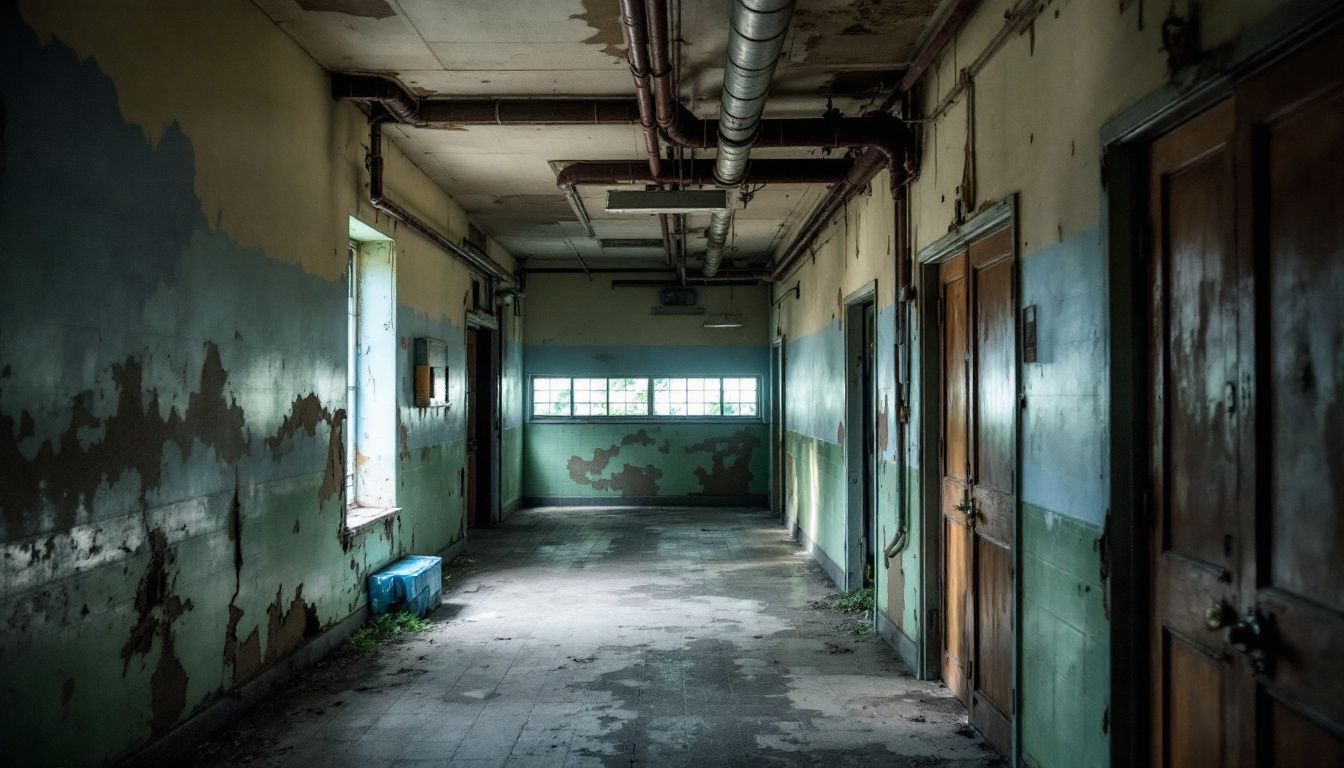
What To Do If a Child Is Exposed to Asbestos
Finding out a child may have been exposed to asbestos is one of the most alarming moments a parent or teacher can face. The instinct is to panic — but knowing exactly what to do if a child is exposed to asbestos in the first hours and days can make a genuine difference to outcomes.
Children’s lungs are still developing, which means any exposure — however brief — warrants a calm, methodical response from parents, schools, and duty holders alike. This is not a situation for vague reassurances or delayed action.
Why Asbestos Exposure in Children Is Taken So Seriously
Asbestos is a naturally occurring mineral that was widely used in UK buildings until it was fully banned in 1999. Schools, homes, and public buildings constructed before 2000 may still contain asbestos-containing materials (ACMs) in floor tiles, ceiling panels, pipe lagging, and textured coatings such as Artex.
The danger arises when these materials are disturbed or damaged, releasing microscopic fibres into the air. When inhaled, those fibres can become lodged in lung tissue and remain there permanently.
The diseases linked to asbestos — including mesothelioma, asbestosis, and lung cancer — typically take decades to develop. That long latency period is precisely why childhood exposure is such a significant concern. A child exposed today may not develop symptoms until well into adulthood, by which point the connection to a single incident decades earlier may be difficult to establish without proper documentation.
To be clear: a single, brief exposure does not guarantee illness. Risk increases with the duration and intensity of exposure, and with repeated incidents over time. That said, no level of asbestos exposure is considered safe, and every incident involving a child must be treated seriously.
Immediate Steps: What To Do If a Child Is Exposed to Asbestos
If you believe a child has been exposed to asbestos fibres, act quickly but calmly. The following steps should be taken as soon as possible after the incident.
1. Remove the Child From the Area Immediately
Get the child away from the source of exposure without delay. Do not allow them to return to the affected area until it has been assessed and formally declared safe by a licensed professional.
If the exposure happened at school, the school’s emergency response team should already be isolating the area. If it happened at home during renovation work, stop all work immediately, seal off the room, and move everyone out of the space.
2. Minimise Further Fibre Inhalation
Move to fresh air outdoors if possible. Avoid shaking or brushing the child’s clothing — this can re-release fibres that have settled on fabric.
If the child’s clothes may be contaminated, remove them carefully by turning them inside out as you do so, then place them in a sealed plastic bag. Wash the child’s hands and face with warm water and soap, and give them a gentle shower if the exposure was significant.
Do not use fans or air conditioning in the affected building, as these can spread fibres into areas that were previously unaffected.
3. Seek Medical Advice Promptly
Contact your GP or call NHS 111 to report the incident. Be specific: explain what happened, how long the child was in the area, and whether there was visible dust or debris in the air.
A doctor may not be able to do much immediately — asbestos-related diseases take years to develop — but creating a medical record of the exposure is essential for any future health monitoring. Your GP can refer you to an occupational health specialist if needed, and in some cases the child may be enrolled in a long-term health monitoring programme, particularly if the exposure was prolonged or involved heavily damaged ACMs.
4. Report the Incident
If the exposure happened at a school or other non-domestic premises, it must be reported. Under RIDDOR (Reporting of Injuries, Diseases and Dangerous Occurrences Regulations), certain asbestos incidents must be reported to the HSE. The duty holder — whether that is a local authority, academy trust, or employer — carries legal responsibility for managing this process.
As a parent, you have every right to request a full written account of what happened, what materials were involved, and what steps are being taken to prevent recurrence. Ask for the asbestos register and the incident report. Do not accept vague reassurances.
Longer-Term Health Monitoring After Asbestos Exposure
One of the most difficult aspects of asbestos exposure is that there is no immediate test to determine whether harm has been done. Asbestos fibres cannot be detected in blood or urine, and the diseases they cause may not appear for 20 to 50 years after exposure.
This does not mean nothing can be done. The most important step is to ensure the exposure is documented thoroughly and that the child’s GP is aware of it. As the child grows, this record becomes part of their medical history and can inform future screening or monitoring decisions.
Keep all paperwork related to the incident, including:
- The incident report from the school or building manager
- Any correspondence with the HSE
- Your own written notes about what happened and when
- Any air monitoring or clearance certificates issued after the event
- Medical records documenting the reported exposure
If the child ever develops symptoms in adulthood — persistent cough, breathlessness, chest pain — this documentation will be vital for diagnosis and any potential legal claim.
Asbestos in Schools: What the Law Requires
Schools built before 2000 are legally required to manage asbestos under the Control of Asbestos Regulations. The duty holder — usually the local authority, academy trust, or governing body — must commission an asbestos management survey of the building, maintain an up-to-date asbestos register, and have a written Asbestos Management Plan in place.
This is not optional. Failure to comply can result in prosecution, substantial fines, and — more importantly — preventable harm to children and staff.
The Asbestos Register and Management Plan
The asbestos register is a record of all known or presumed ACMs in the building, including their location, condition, and risk rating. Every member of staff who might disturb ACMs — including caretakers, maintenance workers, and contractors — must be made aware of the register before any work begins.
The Asbestos Management Plan sets out how identified ACMs will be managed, monitored, and — where necessary — removed. It should also include emergency procedures for what to do if ACMs are accidentally disturbed. If you are a parent and you are unsure whether your child’s school has a current asbestos register, you are entitled to ask. Schools should be transparent about this information.
Annual Reinspection Surveys
An asbestos register is not a one-time document. The condition of ACMs changes over time, particularly in busy school buildings where walls are knocked, ceilings are disturbed, and maintenance work is ongoing.
A reinspection survey should be carried out at least annually to check whether the condition of known ACMs has deteriorated and whether any new materials have been identified. Without regular reinspection, a school’s asbestos register quickly becomes out of date — and an out-of-date register is almost as dangerous as no register at all.
What Schools Should Do Following an Asbestos Incident
If an asbestos incident occurs in a school, the response must be immediate, structured, and fully documented. Here is what should happen.
Immediate Isolation of the Affected Area
All activity in the affected area must stop at once. The area should be sealed off with physical barriers and clear warning signs, and windows and doors should be closed to prevent fibres from spreading through ventilation systems.
The HVAC system serving that part of the building should be switched off immediately to prevent fibres from being drawn into the wider air supply.
Evacuation and Notification
Students and staff must be moved away from the affected zone quickly and calmly. The school’s emergency contacts — including the local authority, HSE, and a licensed asbestos contractor — must be notified without delay.
Parents should be informed as soon as the situation is understood, with clear, factual communication about what happened and what is being done. Schools that communicate transparently and promptly — even when the full picture is not yet clear — maintain trust and reduce anxiety far better than those that delay or stay silent.
Professional Assessment and Air Testing
Only a licensed asbestos professional should assess the affected area. Air monitoring using specialist equipment checks for the presence of airborne fibres, and the area cannot be reopened until a four-stage clearance procedure has been completed and a clearance certificate issued by an independent analyst.
Do not allow pressure from timetables or exam schedules to rush this process. Children must not return to an area that has not been formally cleared.
Safe Removal and Disposal
Where ACMs need to be removed following an incident, this must be carried out by a licensed contractor in accordance with the Control of Asbestos Regulations and HSE guidance document HSG264. The work area must be fully enclosed, operatives must wear appropriate respiratory protective equipment, and all waste must be double-bagged, labelled, and disposed of at a licensed hazardous waste facility.
For schools considering planned asbestos removal rather than waiting for an incident to force the issue, this is often the more cost-effective and safer long-term approach — particularly where ACMs are in poor condition or in high-traffic areas.
Asbestos Exposure at Home: What Parents Need to Know
Asbestos exposure does not only happen in schools. Many UK homes built before 2000 contain ACMs, and DIY renovation work is one of the most common causes of accidental exposure in residential settings.
If a child is present during home renovation work that disturbs suspected ACMs, the same immediate steps apply: remove the child from the area, seek medical advice, and document the incident thoroughly.
If you are planning renovation work on an older property and are unsure whether asbestos is present, commission a survey before work begins. This is the only reliable way to know what materials are in your walls, floors, and ceilings.
Common locations for ACMs in residential properties include:
- Textured ceiling coatings such as Artex applied before the mid-1980s
- Floor tiles and the adhesive beneath them
- Pipe lagging in boiler rooms and airing cupboards
- Roof soffits, guttering, and rainwater pipes in older properties
- Partition walls and ceiling tiles in extensions built before 2000
Supernova Asbestos Surveys carries out residential and commercial surveys across the UK. Whether you need an asbestos survey London, an asbestos survey Manchester, or an asbestos survey Birmingham, our UKAS-accredited surveyors operate nationwide and can mobilise quickly when an incident has occurred.
Preventing Future Incidents: The Role of Proper Surveying
The best way to protect children from asbestos exposure is to know exactly where ACMs are located and to manage them proactively. This starts with a proper asbestos management survey carried out by UKAS-accredited surveyors.
A management survey identifies the location, type, and condition of all suspected ACMs in a building. It forms the foundation of the asbestos register and the management plan. Without it, duty holders are essentially managing blind — and that is when incidents happen.
For schools, the survey should cover every accessible area of the building, including plant rooms, roof spaces, and service ducts. The resulting register must be kept up to date, shared with all relevant staff and contractors, and reviewed whenever building work is planned.
Choosing the Right Surveying Company
Not all asbestos surveyors are equal. Look for a company whose surveyors hold the P402 qualification (Buildings Surveying for Asbestos) and whose laboratory analysis is UKAS-accredited.
The survey report should comply with HSG264, the HSE’s guidance on asbestos surveys, and should clearly identify all sampled and presumed ACMs with photographs, location plans, and condition assessments. A report that does not meet this standard is not fit for purpose.
A Note on Communication: What Parents Can Expect From Schools
If your child’s school has had an asbestos incident, you should receive:
- A prompt notification explaining what happened and where
- Clear information about which children and staff may have been affected
- Details of the immediate actions taken to isolate the area
- Confirmation that a licensed contractor has been engaged
- An update when air clearance testing has been completed and the area has been formally cleared
- Information about any ongoing monitoring or remediation work
If you are not receiving this level of communication, escalate your concerns to the local authority, the academy trust, or — if necessary — the HSE directly. You have a right to this information, and your child’s long-term health may depend on having it properly documented.
Frequently Asked Questions
What should I do immediately if my child has been exposed to asbestos?
Remove the child from the area straight away and move to fresh air. Carefully remove any potentially contaminated clothing, placing it in a sealed plastic bag. Wash the child’s hands and face with soap and warm water, and give them a shower if the exposure was significant. Then contact your GP or NHS 111 to report the incident and create a medical record of the exposure.
Is a single asbestos exposure dangerous for a child?
A single, brief exposure does not guarantee that illness will develop. The risk of asbestos-related disease increases with the duration, intensity, and frequency of exposure. However, no level of asbestos exposure is considered safe, and every incident involving a child should be taken seriously, documented thoroughly, and reported to a GP.
How do I find out if my child’s school has an asbestos register?
You are entitled to ask the school directly. Under the Control of Asbestos Regulations, schools built before 2000 are legally required to have an asbestos management survey, maintain an asbestos register, and operate an Asbestos Management Plan. If the school cannot provide this information, escalate your enquiry to the local authority or academy trust responsible for the building.
Can asbestos exposure be detected through a medical test?
There is currently no blood test, urine test, or immediate scan that can detect asbestos fibres in the body or predict whether disease will develop. The most important step is to document the exposure thoroughly with your GP so that it forms part of the child’s permanent medical record. This documentation becomes critical if symptoms develop in adulthood.
How often should a school’s asbestos be reinspected?
HSE guidance recommends that asbestos in schools should be reinspected at least annually. A formal reinspection survey checks whether the condition of known ACMs has changed, identifies any newly damaged or disturbed materials, and ensures the asbestos register remains current and accurate. Schools in which significant building or maintenance work is taking place may need more frequent inspections.
Get Expert Help From Supernova Asbestos Surveys
If you are a school, local authority, or parent dealing with an asbestos incident — or if you want to commission a survey before one ever occurs — Supernova Asbestos Surveys is here to help. With over 50,000 surveys completed nationwide, our UKAS-accredited team provides management surveys, reinspection surveys, and emergency response support across the whole of the UK.
Call us on 020 4586 0680 or visit asbestos-surveys.org.uk to arrange a survey or speak to one of our specialists.