When Asbestos Becomes an Emergency: What to Do, Who to Call, and Why Speed Matters
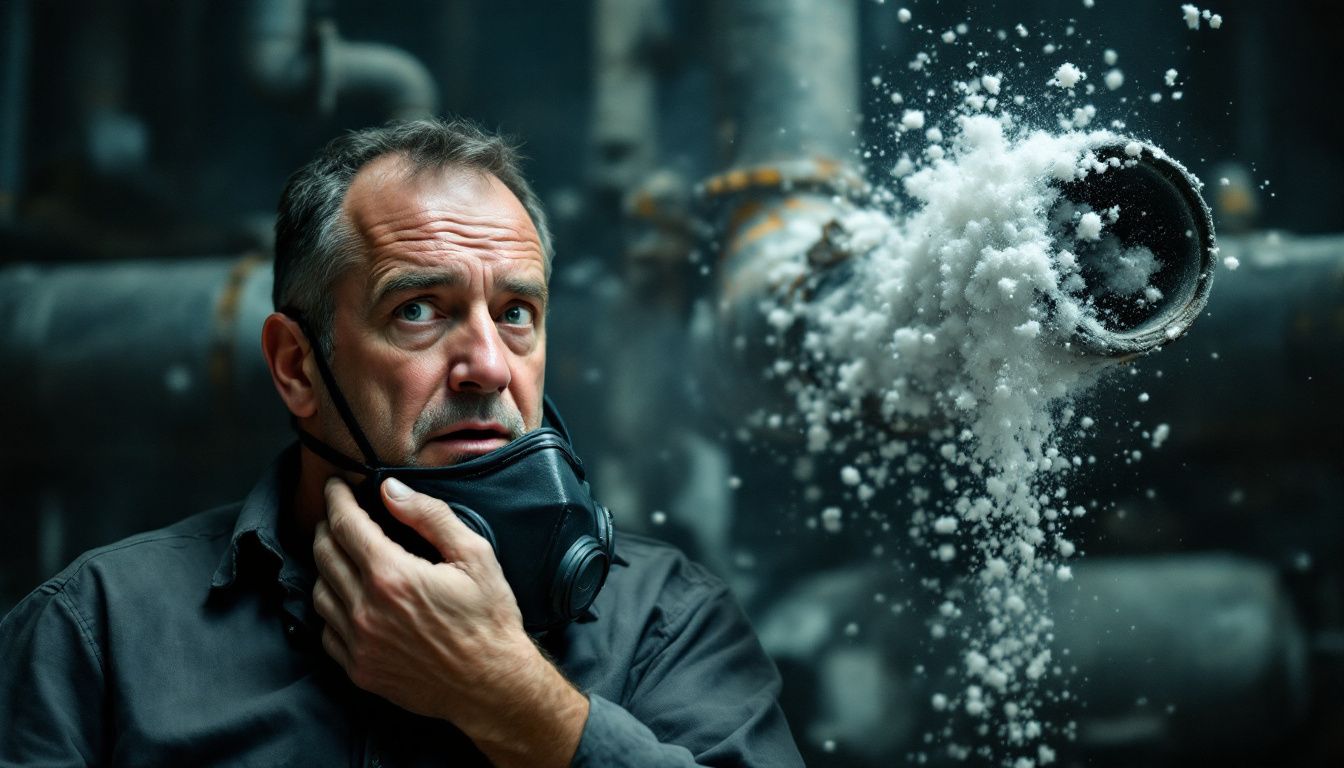
Disturbed or damaged asbestos-containing materials can release microscopic fibres into the air within seconds. Emergency asbestos testing is not a bureaucratic formality — it is the mechanism that tells you whether those fibres are present in dangerous concentrations and whether it is safe to re-enter a building.
Understanding the full response process, from the moment you spot damage through to receiving a clearance certificate, could be the difference between a manageable incident and a serious health crisis. Here is everything you need to know.
What Counts as an Asbestos Emergency?
Not every encounter with asbestos-containing material (ACM) requires an emergency response. The risk level depends on the condition of the material and whether it has been disturbed.
An emergency situation typically involves one or more of the following:
- Visible damage to materials known or suspected to contain asbestos — crumbling ceiling tiles, broken pipe lagging, or fractured insulating board
- Accidental drilling, cutting, or sanding of an ACM during maintenance or refurbishment work
- Fire, flood, or structural damage affecting materials in an older building (pre-2000 construction)
- Workers reporting respiratory symptoms after working in a space with suspected ACMs
- Discovery of loose asbestos debris or dust in an occupied area
If any of these apply, treat the situation as an emergency until a competent professional confirms otherwise. The cost of acting cautiously is negligible compared to the cost of getting it wrong.
Immediate Steps: The First 15 Minutes
The actions taken in the first few minutes of an asbestos incident have an outsized effect on the outcome. Follow these steps in order.
Stop All Work Immediately
If work is underway and you suspect asbestos has been disturbed, stop everything. Put down tools, step back from the area, and do not attempt to clean up dust or debris with a standard vacuum or brush — this will redistribute fibres into the air and make things significantly worse.
Leave any contaminated clothing or tools in place if it is safe to do so. Do not carry items out of the area, as this risks spreading contamination to clean zones.
Evacuate and Isolate the Affected Area
Move everyone out of the immediate area calmly and without rushing — sudden movement disturbs settled dust. Once people are clear, seal the space as effectively as possible.
- Close all doors and windows leading to the affected zone
- Switch off mechanical ventilation systems serving the area — air handling units can carry fibres throughout a building
- Place physical barriers and clear warning signage at all entry points
- Prevent re-entry until a qualified professional has assessed the situation
Only licensed asbestos professionals wearing appropriate respiratory protective equipment (RPE) and disposable coveralls should enter the area after isolation.
Notify the Right People
Inform your building manager, facilities team, or duty holder immediately. In a workplace setting, the person responsible for managing asbestos under Regulation 4 of the Control of Asbestos Regulations must be told without delay.
Document the time you reported the incident. If workers have been exposed, record their names and contact details — this information will be needed for any subsequent health surveillance or RIDDOR reporting obligations.
Emergency Asbestos Testing: What It Actually Involves
Emergency asbestos testing encompasses two distinct processes: bulk material sampling to confirm whether ACMs are present, and air monitoring to determine whether fibres have been released into the breathing zone. Both may be required depending on the circumstances.
Bulk Material Sampling
If the material in question has not previously been identified and logged in an asbestos register, a sample must be taken and analysed before any remediation work begins. Sampling must be carried out by a competent person using correct containment procedures — wetting the material, placing the sample in a sealed container, and decontaminating the sampling area immediately.
Samples are sent to a UKAS-accredited laboratory for analysis under polarised light microscopy (PLM). Turnaround times for emergency submissions can be significantly faster than standard processing — often within 24 hours.
For properties where an asbestos register already exists, consult it immediately to check whether the material was previously identified and risk-rated. If you do not have a register, a management survey should be your first step once the immediate emergency is resolved.
In domestic settings where a low-risk, non-friable material needs to be checked, a testing kit can be posted to you — though this is not a substitute for professional assessment in a commercial or emergency context.
Air Monitoring
Air monitoring is the critical component of emergency asbestos testing that determines whether fibres are present in the air at concentrations that pose a risk to health. It is also the mechanism used to confirm that an area is safe for re-occupation after remediation.
The process involves placing calibrated pumps and filter cassettes at strategic points within and around the affected area. Pumps draw air through the filters at a controlled flow rate over a set period, and the filters are then analysed at a UKAS-accredited laboratory using phase contrast microscopy (PCM) or transmission electron microscopy (TEM), depending on the sensitivity required.
Results are compared against the control limit set under the Control of Asbestos Regulations. Air monitoring must be carried out by a competent analyst — ideally one holding BOHS Certificate of Competence P403 or P404 qualifications. You can find out more about the full scope of asbestos testing services available to duty holders across the UK.
Clearance Inspection
Once remediation work is complete, a four-stage clearance procedure is required before the area can be reopened. This includes a thorough visual inspection, an inspection under enhanced lighting, background air testing, and final air testing. All four stages must be passed before a licensed contractor can issue a clearance certificate.
Do not allow re-occupation of a remediated area based on visual inspection alone. This is non-negotiable, and cutting corners here creates serious legal and health risks.
Decontamination After an Asbestos Incident
Anyone who may have been exposed to asbestos fibres during the incident must follow a proper decontamination procedure. Residual fibres on skin, hair, and clothing can continue to cause exposure after a person has left the affected area.
Removing Contaminated Clothing
Outer clothing should be removed carefully, rolling garments inward to contain any fibres on the surface. Do not shake clothing — this releases fibres into the air. Place all contaminated items into a heavy-duty polythene bag, seal it, and label it as asbestos-contaminated waste. A second bag should be placed over the first.
Contaminated clothing must be disposed of as hazardous waste by a licensed carrier. It cannot be laundered at home or in a standard commercial laundry.
Personal Decontamination
Wash exposed skin thoroughly with soap and warm water, paying particular attention to the face, neck, and hands. Do not use a dry cloth or compressed air to remove dust from skin — both methods disperse fibres rather than remove them.
Shower as soon as practically possible and wash hair carefully. If RPE was worn, decontaminate or dispose of it in accordance with the manufacturer’s guidance and the type of respirator used.
Recording and Reporting: Your Legal Obligations
Thorough documentation is not just good practice — it is a legal requirement in most cases. The records you create in the aftermath of an asbestos incident will inform future risk assessments, protect your organisation in the event of a legal challenge, and help identify patterns that could prevent future incidents.
What to Record
- The date, time, and precise location of the incident
- A description of the materials involved and their condition
- The names of all individuals who may have been exposed
- Actions taken, including who was notified and when
- Photographic evidence of the affected area (taken safely from outside the exclusion zone)
- Air monitoring and sampling results
- Details of any remediation work carried out
RIDDOR Reporting
Under the Reporting of Injuries, Diseases and Dangerous Occurrences Regulations, certain asbestos-related incidents must be reported to the HSE. This includes cases where an employee is diagnosed with an asbestos-related disease and situations that constitute a dangerous occurrence.
Your safety officer or HR team should advise on whether a specific incident triggers a RIDDOR obligation. When in doubt, report — the consequences of failing to notify the HSE when required are far greater than the administrative effort of making a report that turns out not to be strictly necessary.
Updating the Asbestos Register
After any incident involving ACMs, the asbestos register for the property must be updated to reflect the current condition of materials, any remediation carried out, and any changes to risk ratings. If your register is out of date, a re-inspection survey will bring it back into compliance and give you an accurate picture of remaining risks across the property.
How Emergency Asbestos Testing Fits Into Broader Compliance
An emergency response is, by definition, reactive. The goal of good asbestos management is to reduce the likelihood of emergencies occurring in the first place through proactive identification, risk assessment, and monitoring.
Under the Control of Asbestos Regulations, duty holders of non-domestic premises are legally required to identify ACMs, assess their condition and risk, produce a written management plan, and review that plan regularly. A building with a current, accurate asbestos register and a well-maintained management plan is far less likely to suffer an emergency — because risks are known, monitored, and managed before they become crises.
It is also worth noting that asbestos risk does not exist in isolation. Damaged ACMs in areas with inadequate fire compartmentation can present a compound risk. A fire risk assessment carried out alongside your asbestos management programme gives you a complete picture of structural risks within your building.
For a detailed breakdown of the sampling and laboratory analysis process, the HSE’s guidance document HSG264 is the authoritative reference for surveyors and duty holders alike.
Getting Professional Help Quickly
Speed matters in an asbestos emergency, but so does competence. The professionals you call must hold the right qualifications — BOHS P402 for surveyors, P403 or P404 for air monitoring analysts, and an HSE licence for any licensed removal work.
If you are unsure whether the material in your building contains asbestos at all, arranging professional asbestos testing before any further work takes place is the correct first step.
Supernova Asbestos Surveys operates across the UK and can mobilise qualified surveyors rapidly for emergency assessments. Whether you need urgent bulk sampling, air monitoring, or a full emergency response survey, our team is equipped to respond without delay. We cover major cities and surrounding regions, including asbestos survey London, asbestos survey Manchester, and asbestos survey Birmingham, as well as nationwide coverage for multi-site clients.
What Happens After the Emergency Is Over
Once the immediate threat has been dealt with, the work is not finished. A post-incident review should be carried out to understand why the emergency occurred and what changes to procedures, training, or physical controls would prevent a recurrence.
If the incident revealed gaps in your asbestos management — an incomplete register, missing survey data, or materials not previously identified — address those gaps before normal operations resume. Commissioning a fresh management survey of the affected areas, or the whole building if necessary, is the responsible course of action.
Your insurer may also require evidence of a post-incident survey and updated risk assessment. Having a clear paper trail from the moment of discovery through to reinstatement protects your organisation commercially as well as legally.
Frequently Asked Questions
What is emergency asbestos testing and when is it needed?
Emergency asbestos testing refers to the urgent bulk sampling and air monitoring carried out after asbestos-containing materials have been accidentally disturbed, damaged, or discovered in a deteriorated condition. It is needed any time there is a credible risk that asbestos fibres have been released into the air — for example, following accidental drilling into a ceiling tile, structural damage from fire or flood, or the discovery of loose debris in an occupied space. The purpose is to establish whether fibres are present at dangerous concentrations and to determine when it is safe for people to re-enter the affected area.
Can I carry out emergency asbestos testing myself?
Bulk material sampling in low-risk domestic situations can be carried out by a householder using a properly designed testing kit, with the sample sent to a UKAS-accredited laboratory. However, in commercial, industrial, or public buildings — or any situation where significant disturbance has occurred — emergency asbestos testing must be carried out by a competent professional. Air monitoring in particular requires calibrated equipment and a qualified analyst holding BOHS P403 or P404 certification. Attempting to assess fibre levels without proper equipment will not produce reliable results and could leave you legally exposed.
How long does emergency asbestos testing take?
Turnaround times depend on the type of analysis required. Bulk material samples submitted on an emergency basis to a UKAS-accredited laboratory can often be analysed within 24 hours. Air monitoring requires pumps to run for a set period before filters can be sent for analysis, which typically adds several hours to the process. The four-stage clearance inspection carried out after remediation adds further time. Realistically, from the point of incident to receiving a clearance certificate, you should plan for a minimum of one to two days for a straightforward case, and longer for more complex situations.
Who is legally responsible for managing an asbestos emergency in a commercial building?
Under Regulation 4 of the Control of Asbestos Regulations, the duty to manage asbestos in non-domestic premises falls on the duty holder — typically the building owner, landlord, or employer with control over the premises. In an emergency, this person is responsible for ensuring the area is evacuated and isolated, that competent professionals are engaged promptly, and that all required records and reports are completed. Failure to fulfil these duties can result in enforcement action by the HSE, including improvement notices, prohibition notices, and prosecution.
Do I need to update my asbestos register after an emergency?
Yes. Any incident involving asbestos-containing materials must be reflected in the property’s asbestos register. This includes updating the condition rating of affected materials, recording any remediation work carried out, and noting any changes to risk ratings. If your register was incomplete or out of date before the incident, a re-inspection survey is the correct way to bring it back into compliance. Keeping an accurate, current register is not only a legal obligation — it is the most effective way to prevent future emergencies.
Speak to Supernova Asbestos Surveys
If you are dealing with a suspected asbestos emergency right now, do not wait. Call Supernova Asbestos Surveys on 020 4586 0680 to speak directly with a qualified surveyor who can advise on your next steps and arrange rapid deployment if required. You can also visit asbestos-surveys.org.uk to learn more about our emergency response, testing, and surveying services across the UK.