
Few property problems derail a budget as quickly as unexpected asbestos. One minute you are planning repairs, a sale, or a refurbishment; the next, you are searching for asbestos removal grants and wondering whether any financial help actually exists. In the UK, support is possible in some cases, but it is rarely a simple, universal payment available to every owner or landlord.
The reality is more fragmented. Asbestos removal grants are usually wrapped into wider housing assistance, adaptation funding, landlord obligations, or local authority schemes rather than offered as a standalone national fund. That means the right first step is not filling in forms blindly. It is confirming what the material is, whether it presents a risk, and whether removal is genuinely required.
Why asbestos removal grants are often misunderstood
Search results can make asbestos removal grants sound like a standard Government benefit. They are not. In most situations, any help with asbestos costs depends on your circumstances, the type of property, who is responsible for it, and why the work is needed.
This matters because many people start at the wrong end of the process. They look for funding before they have a survey report, before they know whether the material contains asbestos, and before anyone has confirmed whether the safest option is management or removal.
If you want the strongest chance of getting help, follow a sensible order:
- Confirm whether asbestos is present.
- Get written advice on condition and risk.
- Find out whether the material can stay in place safely.
- Obtain quotations if removal is necessary.
- Ask the relevant council, landlord, housing provider, or project funder whether they can contribute.
That sequence avoids wasted time and weak applications. It also helps you avoid paying for unnecessary work.
Start with the asbestos risk, not the funding
Before chasing asbestos removal grants, make sure there is actually an asbestos problem to solve. Not every suspicious board, tile, or roof sheet contains asbestos, and not every asbestos-containing material needs to be removed.
Under the Control of Asbestos Regulations, asbestos risks must be properly identified and managed. HSE guidance and HSG264 are clear on a key point: if asbestos-containing materials are in good condition and unlikely to be disturbed, they can often be managed safely in place.
That is why a proper survey matters. For occupied premises, a management survey is usually the starting point. It helps identify likely asbestos-containing materials, assess their condition, and provide a basis for ongoing management.
If you are planning intrusive work, such as stripping out kitchens, opening ceilings, rewiring, or structural alterations, you may need a more intrusive survey type instead. The survey should always match the work you are proposing.
Why guessing is risky
Trying to identify asbestos by eye is a common and expensive mistake. Many non-asbestos products look similar to asbestos-containing materials, and assumptions can lead either to panic or to unsafe work.
Practical advice is straightforward:
- Do not drill, cut, sand, scrape, or break suspect materials.
- Keep people away if the material is damaged.
- Stop any planned works in that area.
- Arrange competent inspection and sampling.
- Use the written findings to decide what happens next.
If you want an early indication before arranging a visit, a properly used testing kit can help with sample submission. It does not replace a full survey where legal duty to manage applies or where refurbishment work is planned, but it can be a useful first step in the right circumstances.
Where asbestos is commonly found in UK properties
People search for asbestos removal grants so often because asbestos is still present in a wide range of buildings across the UK. It was widely used for insulation, fire protection, durability, and cost control, so it appears in both domestic and commercial settings.
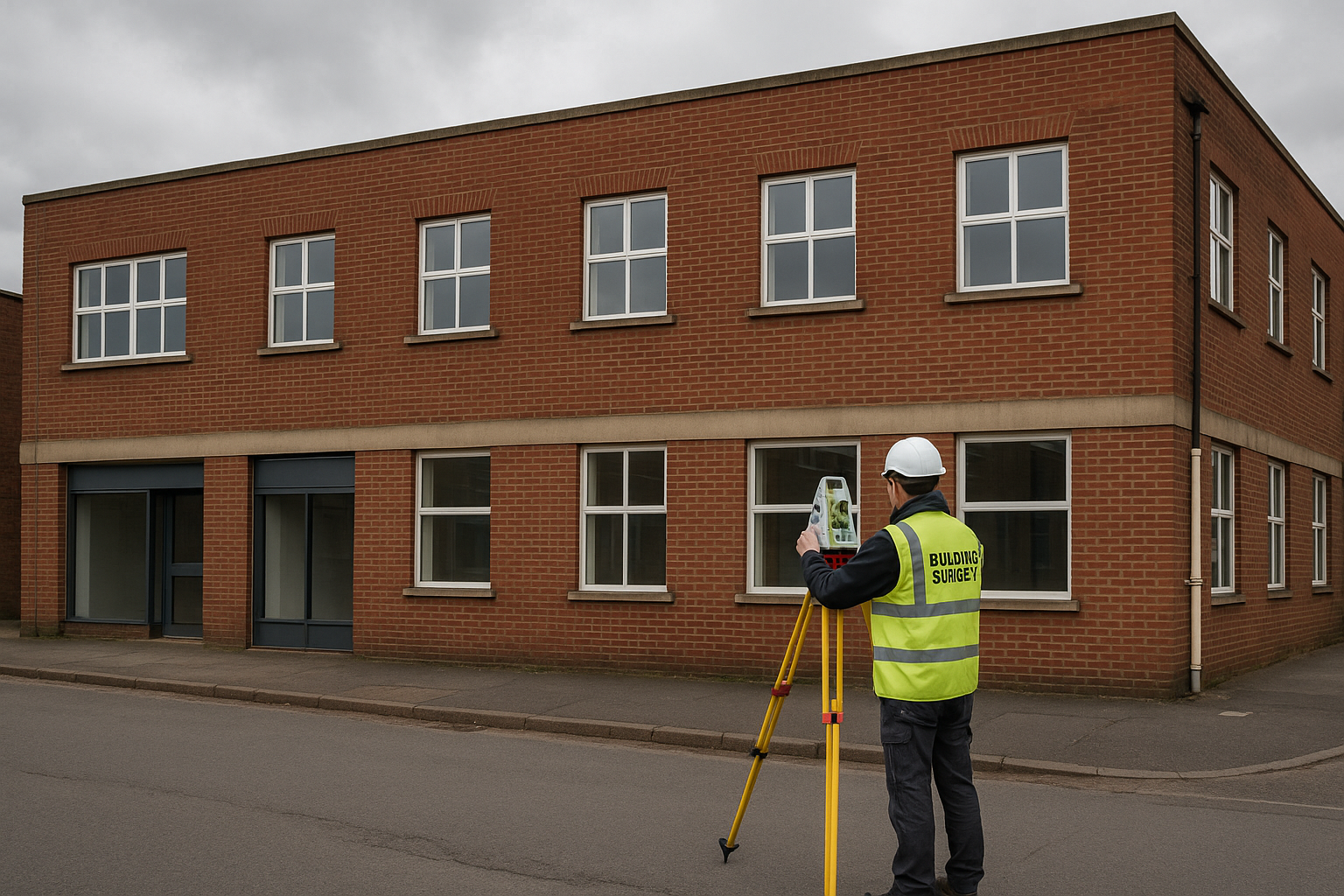
Common locations include:
- Textured coatings on ceilings and walls
- Garage and outbuilding roofs
- Soffits, gutters, and downpipes
- Floor tiles and bitumen adhesive
- Pipe lagging and boiler insulation
- Asbestos insulating board in partitions and service risers
- Ceiling tiles and duct panels
- Roofing sheets and wall cladding in industrial units
- Panels around plant rooms and fire-protection areas
- Older doors, cupboards, and boxed-in service areas
The presence of asbestos does not automatically mean a building is unsafe. Risk depends on the product type, its condition, and whether normal occupation, maintenance, or refurbishment is likely to disturb it.
When removal is necessary and when it may not be
This is the point many owners and managers miss. Searching for asbestos removal grants only makes sense if removal is actually needed. In many cases, a survey report will show that the safer and more proportionate option is to leave the material in place and manage it properly.
Removal is more likely to be necessary when:
- The material is damaged or deteriorating
- It will be disturbed during maintenance or refurbishment
- It is in an exposed area where further damage is likely
- The product is friable or higher risk, such as lagging or sprayed coatings
- There is no practical way to manage the risk in place
Removal may be less likely where the material is bonded, in good condition, sealed, and unlikely to be disturbed. Cement sheets and some floor tiles are very different from pipe lagging or loose insulation. One size does not fit all.
High-risk materials need extra caution
Some asbestos products release fibres more easily than others if disturbed. Pipe lagging, sprayed coatings, and many insulation products are far more hazardous than lower-risk bonded materials.
If a competent surveyor or contractor advises that the work may be licensable or requires specialist controls, do not try to cut corners. The health risks, legal duties, and waste requirements are too serious for improvised solutions.
DIY is not the answer to high asbestos costs
When budgets are tight, it is understandable that people start looking for asbestos removal grants and wonder whether they can save money by doing the work themselves. In most cases, that is a false economy.

Even where some lower-risk work may not require a licensed contractor, asbestos work still has to be properly assessed, controlled, and carried out by competent people in line with HSE guidance. Mistakes can contaminate the property, put occupants at risk, and create bigger costs later.
Why DIY asbestos work goes wrong
- The material may be misidentified
- Breaking it can release respirable fibres
- Dust can spread into nearby rooms and soft furnishings
- Household vacuum cleaners are not suitable
- Dry sweeping can make contamination worse
- Waste packaging and disposal rules are often misunderstood
- Poor handling can affect sales, lettings, insurance, and future works
If asbestos is suspected, stop work and get advice. If removal is necessary, use a professional asbestos removal service that understands the material, the control measures, and the disposal route.
How asbestos disposal works in practice
Disposal is one of the most misunderstood parts of the job. Even where asbestos removal grants or other funding cover some of the cost, the waste still has to be packaged, labelled, transported, and disposed of correctly.
Asbestos waste is not normal construction waste. It should never be mixed with general rubble or thrown into a standard skip. The exact route depends on the material type, quantity, and whether the work is domestic or commercial.
Key points to remember:
- Do not place asbestos waste in a general skip
- Do not mix it with demolition or refurbishment waste
- Check local authority arrangements before taking domestic asbestos waste anywhere
- Use suitable packaging and clear labelling
- Keep any relevant paperwork and consignment records
Some councils provide limited arrangements for small amounts of bonded asbestos from domestic premises. Others do not. For larger quantities, higher-risk materials, or commercial sites, disposal is normally best handled as part of a professional project.
Where asbestos removal grants or funding may actually be available
This is the question behind most searches for asbestos removal grants. The honest answer is that help can exist, but it is usually conditional. There is no blanket national asbestos fund open to every homeowner simply because asbestos has been identified.
Support is more likely to come through one of the routes below.
1. Local authority home improvement assistance
Some councils offer discretionary help for essential repairs, hazard reduction, or works that make a home safe to occupy. If damaged asbestos is creating a genuine housing issue or preventing urgent repairs, you may be able to apply.
These schemes often focus on:
- Low-income owner-occupiers
- Older residents
- Disabled occupants
- Vulnerable households
- Homes with significant disrepair or hazards
The support available varies sharply between councils. Some offer grants, some offer loans, and some only provide assistance in very limited cases. Always ask what evidence they require before you apply.
2. Disabled facilities and adaptation funding
If asbestos must be dealt with so an approved adaptation can go ahead safely, the asbestos element may sometimes be included within the wider funded works. This is often more realistic than expecting a separate asbestos-only payment.
Examples include:
- Bathroom adaptations blocked by asbestos-containing boards or ceilings
- Access works that would disturb asbestos-containing materials
- Heating or ventilation changes where asbestos prevents safe installation
In these cases, the asbestos work usually has to be necessary for the approved adaptation. It is less likely to be funded if it is simply convenient to remove it while other work is happening.
3. Environmental health action in rented property
Private tenants do not usually apply for asbestos removal grants themselves when the issue sits within the landlord’s legal responsibilities. If damaged asbestos in a rented property is being ignored, the route is often through landlord enforcement rather than personal funding.
Take these steps:
- Report the concern to the landlord or managing agent in writing.
- Include photographs if damage is visible.
- Ask what investigation will be arranged and when.
- If nothing happens, contact the local authority environmental health team.
If the council identifies a relevant hazard, it may require the landlord to investigate and remedy the problem.
4. Council and housing association responsibilities
Council tenants and housing association tenants should not normally be paying personally for necessary asbestos investigation or remedial work within the building fabric. Social landlords have duties to manage asbestos risk in the premises they control.
If you are a tenant, do the following:
- Report visible damage immediately
- Ask for asbestos information relevant to your home or block
- Request written confirmation of the next steps
- Keep copies of emails, letters, and photographs
In these situations, the practical route is usually landlord action, not a separate grant application by the tenant.
5. Retrofit, repair, and improvement projects
Some funded home improvement or energy-efficiency schemes can absorb asbestos-related costs where removal is necessary before the main project can proceed. If asbestos is discovered late, projects often stall and costs rise quickly.
Be open about possible asbestos from the start. If you are applying for wider works funding, flag any suspicion early and get the right survey completed before contractors are booked.
6. Discretionary loans and flexible property assistance
Not all support comes in the form of grants. Some areas offer low-interest loans, deferred repayment assistance, or flexible home repair funding. If you are searching for asbestos removal grants, it is worth widening the search to include council loans and property assistance schemes.
A loan is not as attractive as a grant, but it can still make urgent safety work manageable when no grant is available.
7. Insurance and contractual routes
Standard buildings insurance does not usually act as a source of asbestos removal grants. Insurers often exclude the cost of dealing with asbestos itself unless it arises as part of an insured event and the policy wording supports that position.
Even then, cover can be limited. If asbestos is discovered during insured repairs, check the policy carefully and ask the insurer exactly what is and is not included.
Similarly, if asbestos appears during building work, there may be contractual issues to review with your contractor, designer, or project team. That is not grant funding, but it can affect who pays.
How to improve your chances of getting financial help
Applications linked to asbestos removal grants or related assistance are far more likely to succeed when the paperwork is clear and the need is evidenced properly. Councils and housing bodies are not going to fund vague concerns or unsupported assumptions.
Build your case with:
- A survey report from a competent provider
- Sampling results where needed
- Photographs showing damage or deterioration
- A clear explanation of why the work is necessary
- Quotes for the recommended works
- Evidence of income or vulnerability if the scheme requires it
- Details of any linked adaptation, repair, or improvement project
If you are dealing with a deadline, act quickly. Delays can hold up sales, tenanting, maintenance, and construction work.
Location matters when speed matters
If you need answers quickly, local access to a surveyor can make a big difference. Fast reporting helps you decide whether to manage in place, seek quotes, or pursue funding without delaying the wider project.
For properties in the capital, booking an asbestos survey London service can help keep refurbishments and transactions moving. If you are based in the North West, an asbestos survey Manchester appointment can provide the evidence needed before contractors arrive. For the Midlands, an asbestos survey Birmingham visit can give you clarity on both risk and next steps.
What property owners, landlords, and managers should do next
If you are dealing with suspected asbestos, keep the process practical. Do not start with the assumption that removal is required, and do not assume asbestos removal grants will be available.
Instead:
- Stop any work that could disturb the material.
- Prevent access if damage is visible.
- Arrange the right survey or sampling.
- Review whether the material can be managed safely in place.
- If removal is needed, get a clear scope and quotation.
- Check whether the cost can be met by a landlord, council scheme, adaptation budget, or improvement project.
- Make sure disposal is handled correctly.
This approach protects health, keeps you on the right side of the regulations, and gives you the strongest position when asking for financial help.
If you need expert advice, Supernova Asbestos Surveys can help with surveys, sampling, and removal support nationwide. Call 020 4586 0680 or visit asbestos-surveys.org.uk to book a survey, discuss suspected asbestos, or get practical guidance on the next steps.
Frequently Asked Questions
Are there any national asbestos removal grants for homeowners?
There is no universal national fund that automatically pays homeowners for asbestos removal. Support, where available, is usually provided through local authority assistance, adaptation funding, social landlord responsibilities, or wider repair and improvement schemes.
Can I get help with asbestos removal if I rent my home?
If you rent, the first issue is usually landlord responsibility rather than grant funding for the tenant. Report the problem in writing to the landlord or managing agent. If damaged asbestos is ignored, contact the local authority environmental health team.
Do I always need to remove asbestos if it is found?
No. Asbestos in good condition and unlikely to be disturbed can often be managed safely in place in line with HSE guidance and HSG264. A survey is needed to assess the material, its condition, and the risk of disturbance.
Can I use a testing kit instead of booking a survey?
A testing kit can help with sample submission if you want an initial indication, but it does not replace a professional survey where there are legal management duties or planned refurbishment works. The right option depends on what you are trying to achieve.
Will a survey help me apply for asbestos removal grants?
Yes. If you are seeking any form of financial assistance, a survey report provides evidence of what the material is, where it is, what condition it is in, and whether removal is actually necessary. That evidence is often essential for councils, landlords, and project funders.