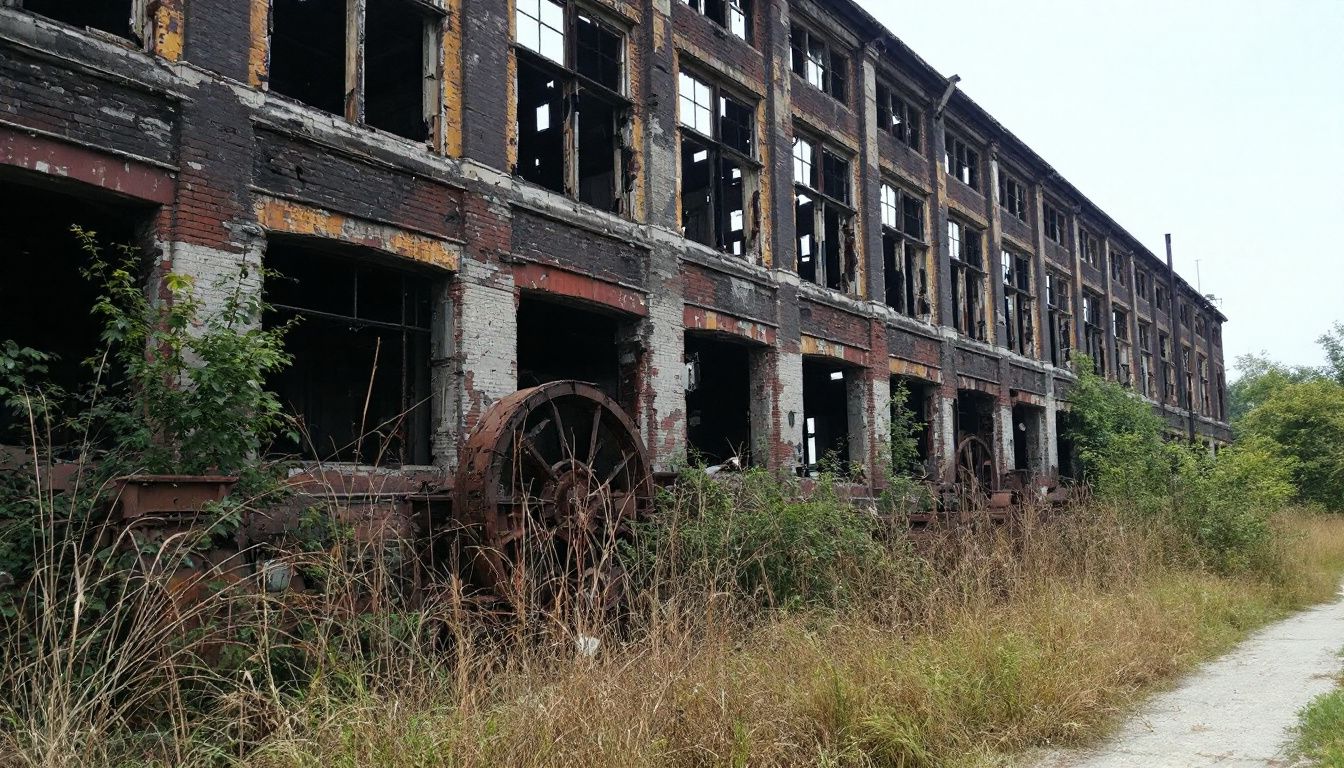
Asbestosis: What It Is, How It Develops, and What Life Looks Like After Diagnosis
Asbestosis does not announce itself quickly. Symptoms can take 20 to 50 years to appear after initial exposure — by which point significant, permanent damage has already been done to the lungs. For many people across the UK, the diagnosis arrives decades after they last set foot in a factory, shipyard, or building site where asbestos was commonplace. It is a disease born of past industrial practices, but the risk of future cases remains very much alive today.
This post covers what asbestosis actually does to the body, how it differs from other asbestos-related diseases, what daily life looks like for those living with it, and — critically — what property owners and employers must do to prevent future cases.
What Is Asbestosis?
Asbestosis is a form of pulmonary fibrosis — scarring of the lung tissue — caused specifically by the inhalation of asbestos fibres. When microscopic fibres lodge deep in the lungs, the body cannot expel them. Over time, the immune system’s repeated attempts to destroy these fibres cause inflammation, and that inflammation leads to irreversible scarring.
That scarring stiffens the lungs. Healthy lung tissue is elastic, expanding and contracting with each breath. Scarred tissue does not move freely, which means every breath requires more effort and delivers less oxygen. The condition is progressive — it does not improve, and it cannot be reversed.
How Asbestosis Differs from Mesothelioma and Lung Cancer
Asbestosis is often mentioned alongside mesothelioma and asbestos-related lung cancer, but they are distinct conditions. Mesothelioma is a cancer of the lining of the lungs, chest wall, or abdomen. Lung cancer can be triggered or worsened by asbestos exposure, particularly in smokers.
Asbestosis, by contrast, is not a cancer — it is a fibrotic disease, meaning its primary mechanism is scarring rather than malignant cell growth. That said, having asbestosis does increase a person’s risk of developing lung cancer. These conditions are not mutually exclusive, and someone diagnosed with asbestosis should receive regular monitoring for other asbestos-related diseases.
Who Gets Asbestosis?
Asbestosis is almost exclusively an occupational disease. It develops after heavy, prolonged exposure to asbestos — typically over many years of working directly with or around asbestos-containing materials (ACMs). The dose and duration of exposure are the key factors in determining risk.
The industries most commonly associated with asbestosis include:
- Construction and demolition
- Shipbuilding and ship repair
- Insulation installation and removal
- Boilermaking and pipe lagging
- Textile manufacturing involving asbestos fibres
- Automotive repair (brake pads and clutch linings historically contained asbestos)
Secondary exposure is also well documented. Family members of workers who brought asbestos dust home on their clothing have developed asbestosis and other related diseases — sometimes referred to as para-occupational exposure. It highlights just how far the risk can extend beyond the worksite itself.
Asbestosis is far less common in people who had only brief or low-level asbestos contact. However, no level of asbestos exposure should be treated as entirely without risk.
Recognising the Symptoms of Asbestosis
Because asbestosis develops so slowly, many people do not seek medical attention until the disease has already progressed significantly. Knowing what to look for matters — both for individuals with a history of asbestos exposure and for healthcare professionals assessing patients with unexplained respiratory decline.
Breathlessness
Shortness of breath is usually the first and most prominent symptom. It starts during physical exertion — climbing stairs, carrying shopping, walking uphill — and gradually worsens until even routine activities become difficult. In advanced cases, breathlessness can occur at rest.
Persistent Cough
A dry, persistent cough is common in asbestosis. Unlike a productive cough associated with infection, this cough does not clear the airways — it is a symptom of the underlying lung damage rather than a response to mucus or pathogens. It can be exhausting and disruptive, particularly at night.
Chest Tightness and Pain
Many people with asbestosis describe a feeling of tightness or pressure across the chest. This can range from a dull, constant ache to sharper discomfort during deep breaths or physical activity. Chest pain should always be assessed medically, as it can also indicate other complications including pleural disease.
Finger Clubbing and Crackling Sounds
Two clinical signs that doctors look for in suspected asbestosis are finger clubbing — a broadening and rounding of the fingertips — and bibasal crackles, a distinctive crackling sound heard through a stethoscope when the patient breathes in. These signs are not exclusive to asbestosis but are strongly associated with it in the context of known asbestos exposure.
Fatigue
The effort required to breathe when lung function is compromised is genuinely exhausting. People with asbestosis frequently report profound fatigue that limits their ability to work, socialise, and carry out daily tasks. This is not simply tiredness — it is a direct consequence of the body working harder to oxygenate itself.
Diagnosing Asbestosis
Diagnosis typically involves a combination of a detailed occupational history, imaging, and lung function tests. A chest X-ray or high-resolution CT scan can reveal the characteristic patterns of fibrosis associated with asbestosis. Pulmonary function tests measure how much air the lungs can hold and how efficiently they transfer oxygen into the bloodstream.
An accurate occupational history is essential. Doctors need to know what industries a patient worked in, for how long, and in what capacity. Without this context, asbestosis can be misdiagnosed as other forms of pulmonary fibrosis.
If you have a history of asbestos exposure and are experiencing respiratory symptoms, make sure your GP is aware of that history. It is not always volunteered in a standard consultation, and it can make a significant difference to the accuracy of your diagnosis and the monitoring you receive.
Living with Asbestosis: The Daily Reality
There is no cure for asbestosis. Treatment focuses on managing symptoms, slowing progression where possible, and maintaining the best possible quality of life. For many people, this means a significant adjustment to how they live.
Medical Management
Treatment typically includes pulmonary rehabilitation — structured exercise and breathing programmes designed to maximise remaining lung function. Supplemental oxygen may be prescribed for people whose oxygen levels are consistently low. Vaccinations against influenza and pneumococcal pneumonia are strongly recommended, as respiratory infections can be far more dangerous for people with compromised lungs.
Smoking cessation is critical for anyone with asbestosis who still smokes. Smoking dramatically accelerates lung damage and significantly increases the risk of developing lung cancer alongside the existing condition.
Emotional and Psychological Impact
A diagnosis of asbestosis carries a significant psychological weight. Many people feel anger — at employers who failed to protect them, at a system that allowed widespread asbestos use for decades, and at the knowledge that their illness was preventable. Anxiety about disease progression and the future is common, as is depression.
Support groups, both in person and online, play a meaningful role for many people. Connecting with others who understand the specific experience of living with an asbestos-related disease can reduce isolation and provide practical advice. Charities such as Mesothelioma UK and the British Lung Foundation offer resources and signposting to specialist support.
Impact on Work and Independence
As asbestosis progresses, many people find they can no longer work, drive, or manage independently. This loss of independence — often experienced by people who have spent decades in physically demanding jobs — can be deeply difficult to accept.
Accessing welfare benefits, disability support, and legal compensation can help, but navigating these systems while managing a serious illness adds another layer of stress. Legal claims for asbestosis are possible in many cases, particularly where negligent employer conduct can be demonstrated. Specialist solicitors deal exclusively with asbestos-related disease claims and can advise on eligibility even where the original employer no longer exists.
The Connection Between Asbestosis and Asbestos Still Present in UK Buildings
Asbestosis is a disease of the past in the sense that it results from exposures that occurred before the UK’s full asbestos ban. But the risk of future cases is not historical — it is ongoing. Asbestos-containing materials remain present in a large proportion of UK buildings constructed before 2000, and every time those materials are disturbed without proper controls, fibres are released into the air.
Construction workers, maintenance staff, electricians, plumbers, and decorators are among those most at risk of ongoing exposure today. While the cumulative doses involved may be lower than those experienced by industrial workers in the mid-20th century, repeated unprotected exposure still carries real risk.
This is precisely why asbestos surveys are a legal requirement before any refurbishment or demolition work on pre-2000 buildings, and why duty holders in non-domestic properties must manage asbestos in accordance with the Control of Asbestos Regulations. A management survey identifies where asbestos-containing materials are located, assesses their condition, and informs a management plan that keeps workers and occupants safe.
What the Law Requires — and Why It Matters for Prevention
The Control of Asbestos Regulations place a legal duty on those who manage non-domestic premises to identify, assess, and manage asbestos. This is not a bureaucratic formality — it is a direct response to decades of preventable illness and death.
Under HSE guidance, including HSG264, asbestos surveys must be carried out by competent, accredited surveyors. The type of survey required depends on the work being planned:
- Management surveys are required for routine maintenance and to fulfil the duty to manage in non-domestic properties.
- Refurbishment and demolition surveys are required before any intrusive work or demolition, and must cover all areas to be disturbed.
A demolition survey is the most thorough form of inspection available and is legally required before a building is demolished or undergoes major structural work.
Failing to comply with these requirements is not only a criminal offence — it puts workers at risk of developing asbestosis, mesothelioma, and lung cancer decades down the line. The latency period means that a failure of duty today may not manifest as illness until well into the future, by which point the responsible party may be long gone. The human cost, however, does not disappear.
Preventing Asbestosis: Practical Steps for Property Owners and Employers
If you manage, own, or are responsible for a building constructed before 2000, there are concrete steps you should take now:
- Commission an asbestos survey if you do not already have an up-to-date asbestos register. Do not assume someone else has done this — verify it.
- Ensure your asbestos register is current and that all contractors working on the building have access to it before they start work.
- Never disturb suspected ACMs without first having them assessed by a competent surveyor and, where necessary, removed by a licensed contractor.
- Train staff who work in or manage the building to recognise potential ACMs and understand the reporting procedure.
- Review your asbestos management plan regularly — conditions change, materials deteriorate, and plans must reflect the current state of the building.
These steps are not optional extras. They are the minimum required to protect the people who work in and around your building — and to ensure that the next generation does not face the same diagnoses that have devastated so many lives already.
Asbestos Surveys Across the UK
Supernova Asbestos Surveys operates nationwide, providing fully accredited asbestos surveys to property owners, landlords, employers, and contractors. Whether you need a survey in the capital or further afield, our experienced surveyors are ready to help.
If you are based in the capital, our team carries out asbestos survey London work across all boroughs and property types. We also provide a full asbestos survey Manchester service covering the Greater Manchester area, as well as a dedicated asbestos survey Birmingham service for properties across the West Midlands.
No matter where your property is located, getting a professional survey in place is the single most effective step you can take to prevent future asbestos exposure — and future cases of asbestosis.
Frequently Asked Questions
What is the difference between asbestosis and mesothelioma?
Asbestosis is a non-cancerous fibrotic lung disease caused by the scarring of lung tissue following prolonged asbestos fibre inhalation. Mesothelioma is a cancer of the lining of the lungs, chest wall, or abdomen, also caused by asbestos exposure. Both are serious and irreversible, but they are distinct conditions with different mechanisms, prognoses, and treatment pathways. Having asbestosis does increase the risk of developing lung cancer, but it does not directly cause mesothelioma.
How long does it take for asbestosis symptoms to appear?
The latency period for asbestosis is typically between 20 and 50 years from the time of initial exposure. This means many people are not diagnosed until they are well into retirement age, long after the exposure that caused the disease. The delayed onset is one reason why asbestosis is often misdiagnosed or overlooked without a thorough occupational history.
Can asbestosis be cured or treated?
There is currently no cure for asbestosis. The lung scarring it causes is permanent and irreversible. Treatment focuses on managing symptoms and slowing further deterioration. This can include pulmonary rehabilitation, supplemental oxygen, vaccinations to protect against respiratory infections, and smoking cessation support. The goal is to maintain the best possible quality of life for as long as possible.
Is asbestosis still a risk today, even though asbestos is banned in the UK?
Yes. While the UK has banned the use of asbestos, a large proportion of buildings constructed before 2000 still contain asbestos-containing materials. Any time these materials are disturbed — during maintenance, refurbishment, or demolition — fibres can be released. Workers in construction, plumbing, electrical trades, and property maintenance remain at risk if proper controls are not in place. This is why the Control of Asbestos Regulations require duty holders to identify and manage asbestos in non-domestic premises.
What type of asbestos survey do I need to protect workers from asbestos exposure?
The type of survey depends on the work being planned. A management survey is required for occupied buildings to fulfil the duty to manage asbestos under the Control of Asbestos Regulations. A refurbishment and demolition survey is required before any intrusive or structural work. Both must be carried out by a competent, accredited surveyor in line with HSE guidance set out in HSG264. If you are unsure which survey applies to your situation, contact Supernova Asbestos Surveys for advice.
Speak to Supernova Asbestos Surveys
With over 50,000 surveys completed nationwide, Supernova Asbestos Surveys is one of the UK’s most experienced and trusted asbestos surveying companies. Our fully accredited surveyors work with property owners, employers, landlords, and contractors to ensure legal compliance and — more importantly — to protect people from the kind of exposure that leads to asbestosis.
Call us on 020 4586 0680 or visit asbestos-surveys.org.uk to book a survey or get expert advice on your asbestos management obligations.