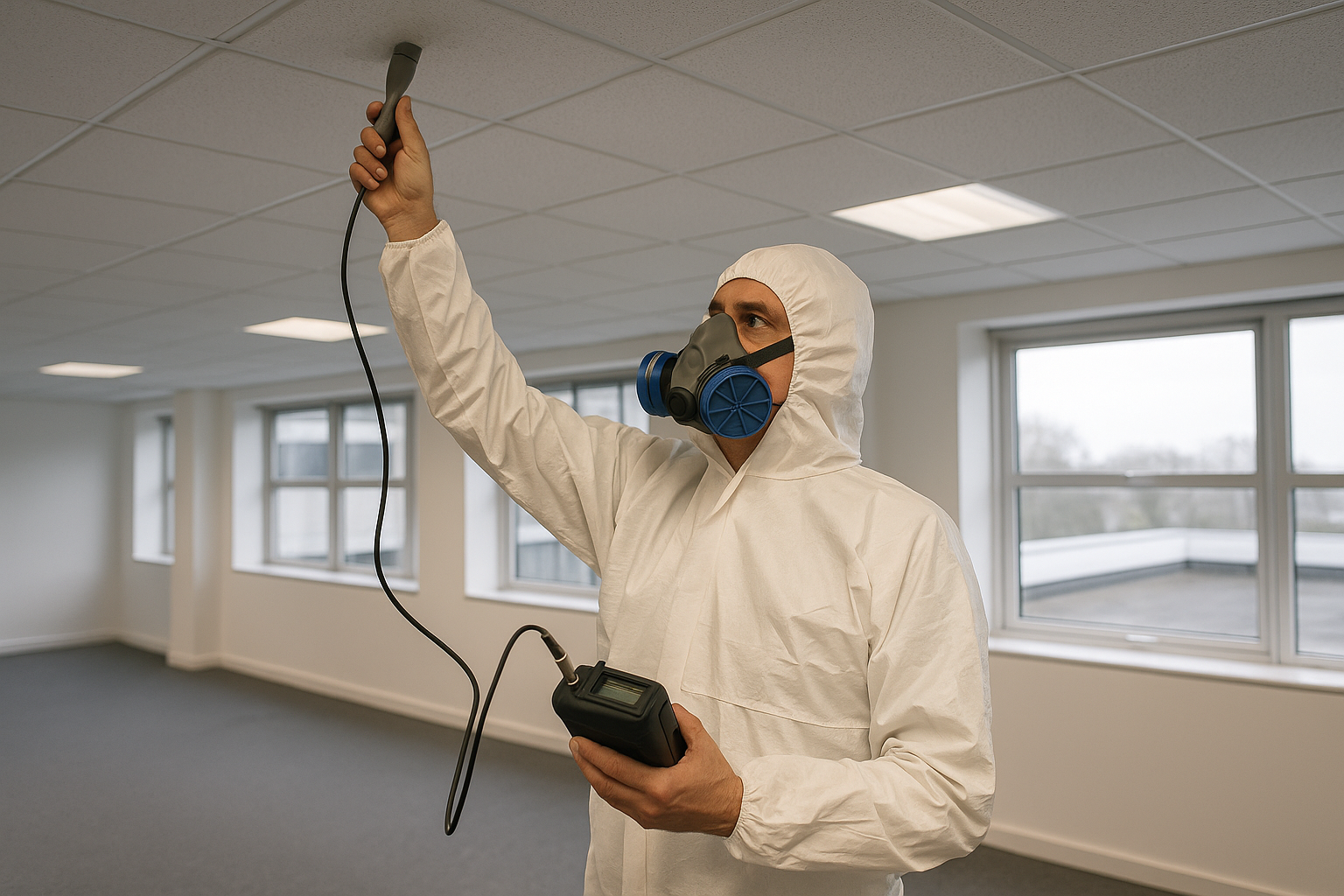
Search for asbestos surveyor jobs and you will quickly find that the title covers far more than one type of role. Some positions are pure surveying. Others blend site inspections with sampling, analytical work, client reporting, project support or portfolio compliance advice, so reading the detail behind the headline matters.
For the right person, asbestos surveying offers steady demand, clear progression and work that directly protects people in buildings. It is also a profession with real technical standards. Employers are not just looking for someone willing to walk around a site with a tablet. They want sound judgement, accurate records and a proper grasp of what dutyholders need under the Control of Asbestos Regulations, HSG264 and wider HSE guidance.
If you are weighing up asbestos surveyor jobs, it helps to understand what the work looks like day to day, what qualifications employers expect, how dual surveyor and analyst roles differ, and how to tell a good vacancy from a poor one. That is where many applicants go wrong. They apply to anything with the word asbestos in the title, then wonder why the role is not what they expected.
What asbestos surveyor jobs actually involve
Most asbestos surveyor jobs sit within asbestos consultancies, environmental compliance firms, health and safety businesses, multidisciplinary surveying practices and specialist property services companies. The employer may differ, but the core purpose is usually the same: identify or presume asbestos-containing materials, assess their condition, record findings properly and provide information the client can act on.
That means the role is part technical inspection and part communication. You need to inspect buildings methodically, take samples safely where appropriate, document limitations, photograph findings, draw or verify plans and write reports that make sense to non-specialists.
A good surveyor does not simply spot likely asbestos. They understand building construction, common asbestos uses, access constraints, survey scope and the difference between what can be confirmed on site and what must go to a laboratory for analysis.
Typical duties in asbestos surveyor jobs
- Inspecting domestic, commercial, industrial and public sector properties
- Identifying suspected asbestos-containing materials
- Taking bulk samples in line with procedure and safe working methods
- Assessing material condition, surface treatment and extent
- Recording accessibility and any survey limitations
- Producing reports with plans, photographs and practical recommendations
- Explaining findings to clients, contractors and dutyholders
- Working within quality systems and documented procedures
- Following HSG264 and relevant HSE guidance
On some days you may complete several straightforward visits. On others, one large site can take the full day because of access issues, complex plant areas or coordination with the client. That variety is one reason asbestos surveyor jobs appeal to people who like field work but still want a technical career.
Types of asbestos surveyor work employers advertise
Not all asbestos surveyor jobs are the same. Many adverts assume applicants already understand the difference between survey types. If you do not, it is easy to apply for a role that does not match your experience.
The safest approach is to look at the survey work mentioned in the advert and compare it with the actual services clients need. In practice, most vacancies involve one or more of the following.
Management survey roles
A management survey is used to locate, as far as reasonably practicable, the presence and extent of asbestos-containing materials that could be disturbed during normal occupation, routine maintenance or foreseeable use of the premises. This is one of the most common service lines in the market.
If you want to understand the type of work involved, look at how a management survey is delivered in practice. These roles often involve occupied buildings such as offices, schools, shops, blocks of flats and healthcare premises.
Surveyors in this area need to work carefully around occupants, minimise disruption and communicate clearly with site contacts. Employers value consistency because portfolio clients may rely on your reports across dozens or hundreds of properties.
Refurbishment survey roles
A refurbishment survey is more intrusive and is required before refurbishment or upgrade works disturb the fabric of a building. This usually means opening up voids, inspecting behind fixed finishes, checking risers and dealing with restricted or partially stripped areas.
Anyone considering project-based asbestos surveyor jobs should understand the demands of a refurbishment survey. These roles suit surveyors who are comfortable on active sites and can coordinate with project managers, contractors and building managers.
The paperwork also tends to be more sensitive. If a refurbishment survey misses asbestos in an area due to poor access planning or weak scope definition, the consequences can affect the whole programme of works.
Demolition survey roles
A demolition survey is required before a building or structure is demolished. The aim is to identify all asbestos-containing materials, so they can be addressed before demolition proceeds.
If a vacancy mentions industrial sites, derelict premises, strip-out projects or high-access work, it may involve the kind of intrusive inspection seen in a demolition survey. These are often among the more demanding asbestos surveyor jobs because site conditions can be rough, access can be difficult and planning needs to be tight.
Surveyors in this area need good situational awareness. You may be working in vacant buildings with poor lighting, damaged surfaces, exposed services or restricted areas, so practical site judgement matters as much as technical knowledge.
Re-inspection survey roles
A re-inspection survey checks known or presumed asbestos-containing materials at suitable intervals to confirm whether their condition has changed and whether management information remains accurate. These roles are common on housing, education, healthcare and facilities management portfolios.
To see how this works on live estates, review the scope of a re-inspection survey. Some asbestos surveyor jobs involve a high volume of this work, often across multiple sites in a single day.
This can suit organised surveyors who like routine, efficient planning and consistent reporting. It also demands discipline. Re-inspection work may sound repetitive, but small changes in condition or accessibility can alter the risk picture significantly.
Asbestos surveyor, analyst and dual-role vacancies explained
One of the biggest sources of confusion in asbestos surveyor jobs is the mix of titles used by employers and recruiters. A role called asbestos surveyor is not the same as asbestos analyst. A role called asbestos surveyor / analyst is something else again.
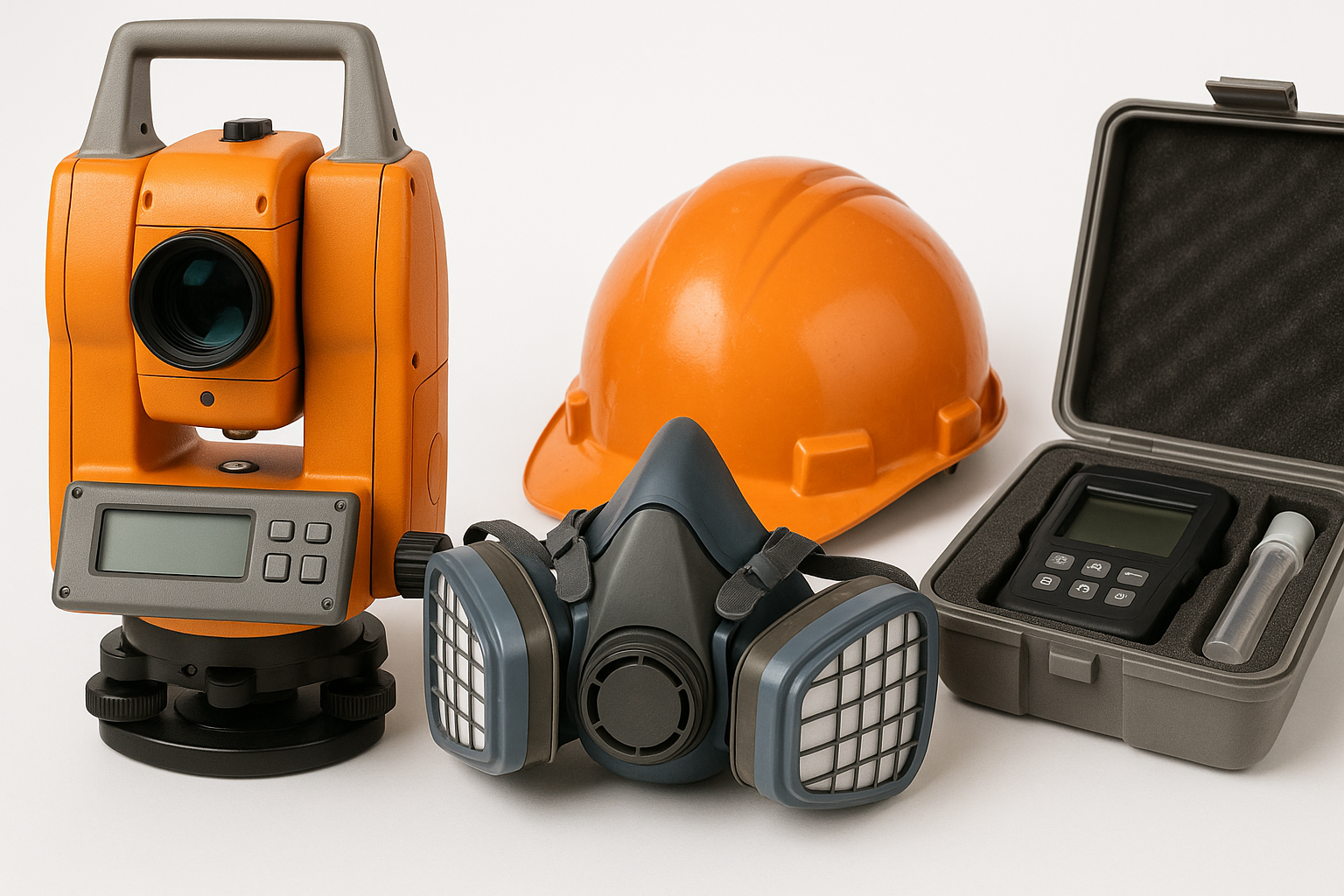
Before applying, make sure you understand what each title usually means in practice.
Asbestos surveyor
An asbestos surveyor focuses on inspecting buildings, identifying suspected asbestos-containing materials, taking bulk samples where required and producing survey reports. This is the role most people mean when they search asbestos surveyor jobs.
Employers usually expect experience with management surveys, refurbishment surveys and, depending on the position, demolition surveys. Reporting quality is a major part of the role.
Asbestos surveyor / analyst
An asbestos surveyor / analyst role combines surveying with analytical duties. Depending on the employer, that may include air monitoring, reassurance testing, background testing, leak testing or support around four-stage clearance processes.
These dual positions can be attractive because they broaden your technical exposure and may increase earning potential. They also require wider competence, more varied equipment use and a stronger understanding of where surveying ends and analytical work begins.
If you are early in your career, check whether the employer genuinely offers support and mentoring. Some adverts bundle several disciplines into one job title but do not provide the training structure needed to do them well.
Asbestos analyst – static site
You may also see listings for asbestos analyst – static site. This usually means you are based on one major project or client location rather than travelling between multiple survey sites.
That can suit people who prefer routine and less travel. It is not, however, the same as mainstream asbestos surveyor jobs. If your goal is to build a surveying career, read the advert carefully and check how much actual surveying is involved.
Commercial asbestos surveyor
A commercial asbestos surveyor role usually focuses on offices, retail, industrial units, warehouses, hospitality premises and mixed-use portfolios. Employers may use this title to distinguish the work from domestic housing stock or public sector estates.
These roles often require confidence dealing with facilities teams, managing agents, landlords and commercial tenants. Fast reporting, professional communication and the ability to work around operational constraints are especially valuable.
Contract asbestos surveyor
A contract asbestos surveyor is typically hired for a fixed period, a defined project or a temporary increase in workload. Contract roles can be attractive if you already have strong experience and want flexibility, higher day rates or exposure to major projects.
They can also be less forgiving than permanent positions. Employers often expect contractors to start quickly, understand systems fast and work with minimal supervision.
Asbestos survey assist and support roles
The phrase asbestos survey assist appears in some adverts for junior, trainee or support positions. These roles may involve helping qualified surveyors with equipment, access arrangements, note-taking, sample handling, site logistics and basic data entry.
For newcomers, this can be a useful route into the sector. You see real site work, learn how inspections are structured and start to understand why survey scope and documentation matter so much.
If you apply for an asbestos survey assist role, ask clear questions:
- Will you receive formal training towards recognised qualifications?
- Will you shadow experienced surveyors regularly?
- How quickly are assistants expected to progress?
- Will you be involved in reporting, not just site support?
- Is there a path into full asbestos surveyor jobs within the business?
Qualifications and competence for asbestos surveyor jobs
Most employers advertising asbestos surveyor jobs want recognised asbestos training rather than general construction experience alone. A building background helps, especially if you understand fabric, services and common materials, but formal competence is what makes you employable.
The qualification most commonly requested for surveying roles is BOHS P402. Employers may list it as essential for qualified positions and desirable for trainee roles where support is available.
What employers usually look for
- BOHS P402 or equivalent recognised surveying competence
- Experience with management, refurbishment and demolition surveys
- Knowledge of HSG264 survey requirements and terminology
- Understanding of the Control of Asbestos Regulations
- Ability to assess condition and record limitations properly
- Strong report writing and digital data capture skills
- Awareness of quality procedures and audit requirements
- Professional communication with clients and contractors
You do not usually need a degree to secure asbestos surveyor jobs. Many capable surveyors come from trades, maintenance, facilities management, construction support, fire safety, environmental services or wider property compliance roles.
What competence really means
Competence is more than holding a certificate. A competent surveyor can define the survey scope, inspect methodically, sample safely, recognise limitations, understand access restrictions, record findings accurately and produce a report that stands up to scrutiny.
That matters because survey reports are used by dutyholders to manage occupied premises, plan maintenance and control refurbishment or demolition work. Poor surveying can create real risk for maintenance teams, contractors and building occupants.
Do you need experience before applying?
Not always. Some asbestos surveyor jobs are aimed at experienced surveyors who can work independently from the start. Others are trainee or junior roles with mentoring and supervised site work.
If you are new to the sector, focus your application on transferable skills:
- Attention to detail
- Accurate written reporting
- Confidence in varied site environments
- Ability to follow procedure without cutting corners
- Understanding of building layouts and materials
- Professional behaviour with clients and contractors
- Good time management and route planning
Do not overstate your competence. In this industry, honesty about what you can and cannot do is far more valuable than trying to sound experienced on paper.
Where asbestos surveyor jobs are available across the UK
Demand for asbestos surveyor jobs exists across the UK because asbestos remains present in many older buildings. Work is not limited to one region. You will find vacancies in major cities, regional towns and mixed portfolios that cover both urban and rural sites.
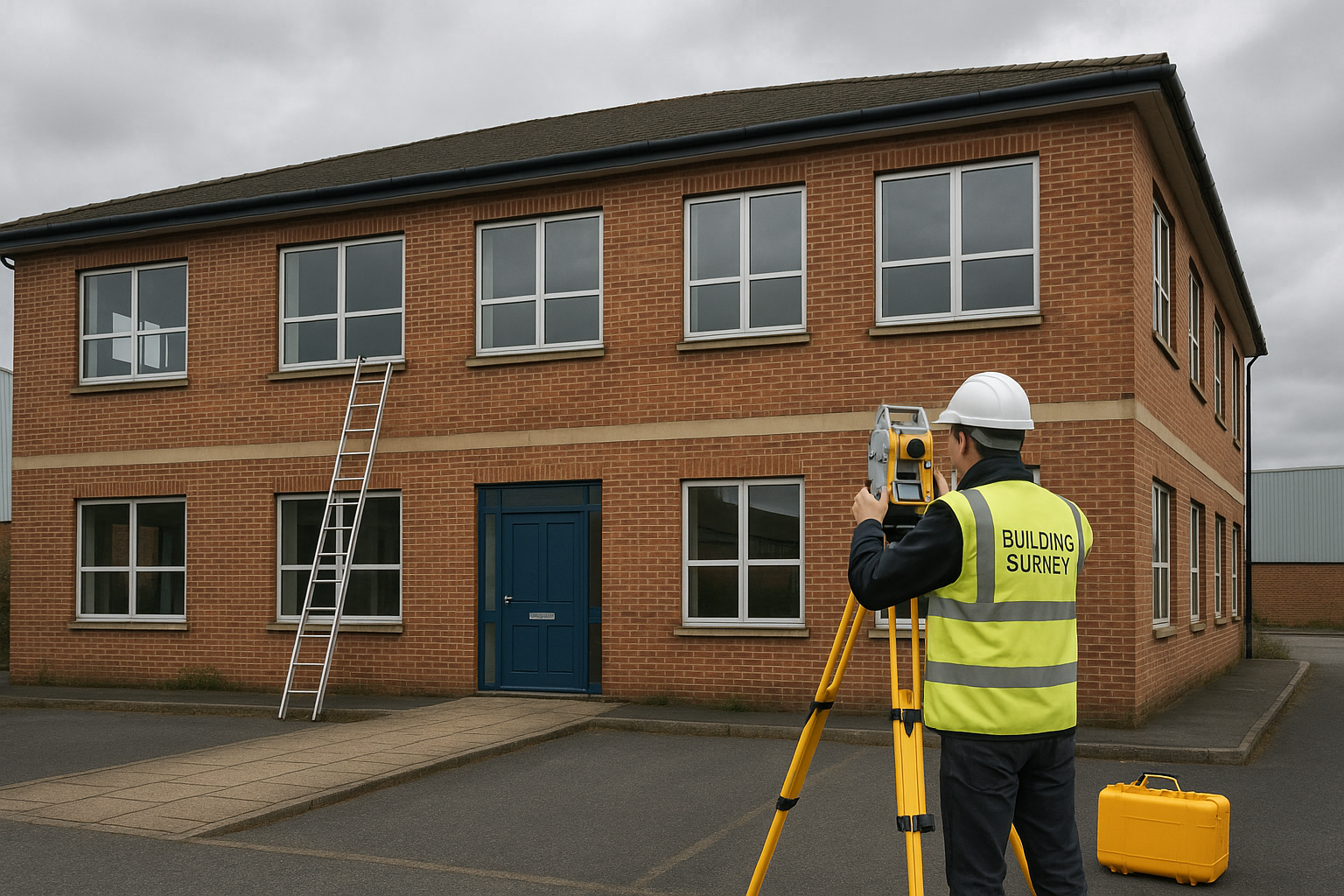
Job adverts often cluster around areas with dense commercial property, active refurbishment pipelines, public sector estates and older industrial stock. In practice, that means London, the Midlands, the North West, Yorkshire, the South East and other large urban areas regularly generate opportunities.
London and the South East
London offers a broad mix of offices, schools, retail premises, housing stock, healthcare buildings and heritage properties. Surveyors in the capital often deal with occupied sites, tight access windows and demanding reporting standards.
If you are researching the local market, it helps to look at the practical demand around an asbestos survey London service area. It gives a realistic picture of the variety of premises and client expectations you may encounter.
Many London-based asbestos surveyor jobs involve travel across the wider South East, so check the patch carefully rather than assuming the role is city-centre only.
Manchester and the North West
Manchester and the wider North West continue to generate demand through commercial redevelopment, education estates, industrial units and housing portfolios. Surveyors here may cover city-centre projects as well as regional work across surrounding towns.
For context, review how an asbestos survey Manchester service is positioned. It helps you understand the kind of building stock and survey needs common in the region.
North West asbestos surveyor jobs can suit people who do not mind a varied travel pattern and a mix of occupied and vacant properties.
Birmingham and the Midlands
Birmingham is another strong market for asbestos surveyor jobs, with demand linked to commercial stock, schools, healthcare buildings, industrial premises and transport-linked development.
Looking at the profile of an asbestos survey Birmingham service can help you picture the range of work in the area. Midlands roles often cover neighbouring counties as well as the city itself.
If you prefer regional travel rather than long national runs, the Midlands can offer a good balance of variety and manageable geography.
Other locations commonly seen in job listings
- Leeds and West Yorkshire
- Liverpool and Merseyside
- Newcastle and the North East
- Bristol and the South West
- Nottingham, Derby and Leicester
- Glasgow and central Scotland
- Cardiff and South Wales
- Portsmouth, Southampton and the South Coast
Many employers recruit by region rather than by one town. A vacancy may be advertised under a major city name, but the actual coverage could include several counties. Always check mileage arrangements, overnight stay expectations and how reporting time is handled.
How to read asbestos surveyor job adverts properly
Job boards can be messy. Search asbestos surveyor jobs and you will often see surveying roles mixed with analyst positions, removal work, health and safety posts and wider compliance jobs. Good filtering saves time.
More importantly, reading the advert critically helps you avoid roles that sound attractive but are vague, under-supported or poorly structured.
Filters worth using on job boards
- Location and realistic travel radius
- Salary range suited to your experience
- Permanent, contract or temporary status
- Mobile, hybrid or static-site working pattern
- Surveying only or surveyor / analyst combination
- Commercial, domestic or mixed property focus
What to look for in the advert itself
- Clear survey scope – Does it say management, refurbishment, demolition or mixed work?
- Qualification expectations – Is P402 essential, desirable or supported after joining?
- Travel detail – Is the patch local, regional or national?
- Reporting expectations – How much emphasis is placed on report quality and turnaround?
- Support structure – Will you have technical review, mentoring and quality checks?
- Equipment and systems – Does the employer mention tablets, software or quality procedures?
If an advert is vague on all of the above, ask questions before applying or at interview. Good employers are usually clear about the work because they understand the importance of competence and scope.
Warning signs to watch for
- One title trying to cover surveying, analysis, removal and consultancy all at once
- No mention of qualifications or competence requirements
- Unclear travel expectations
- Heavy workload promises with no detail on quality review
- Very broad responsibilities with little mention of training
- Pressure on speed without reference to accuracy or procedure
In asbestos surveyor jobs, speed matters, but accuracy matters more. A well-run employer knows that.
Permanent, contract and static-site roles: which suits you?
When people compare asbestos surveyor jobs, they often focus on salary first. That matters, but the structure of the role matters just as much. Permanent, contract and static-site positions can feel very different in practice.
Permanent asbestos surveyor jobs
Permanent roles usually offer the clearest route for development. You are more likely to get structured mentoring, internal quality support, regular technical review and broader progression into senior surveyor, auditor, trainer or management roles.
They can be a strong option if you want stability and a longer-term career path rather than short project cycles.
Contract asbestos surveyor roles
Contract asbestos surveyor positions can offer flexibility and attractive day rates, especially on large projects or during busy periods. They often suit experienced surveyors who are already confident working independently.
Before accepting contract asbestos surveyor jobs, check:
- Expected output per day
- Who signs off your reports
- Whether equipment is supplied
- How travel and accommodation are handled
- Whether the project scope is clearly defined
Contract work can be rewarding, but only if the operational side is organised properly.
Static-site analyst roles
Asbestos analyst – static site roles are different again. You are generally based at one location, often on a major project, rather than moving between survey appointments.
If you want less travel and more routine, that can be appealing. If you specifically want surveying experience across many property types, mainstream mobile asbestos surveyor jobs may be a better fit.
Skills that help you stand out in asbestos surveyor jobs
Technical training gets you through the door, but employers often hire based on how well you can apply that training on real sites. The best candidates for asbestos surveyor jobs combine technical accuracy with practical judgement.
Most useful professional skills
- Observation – spotting likely asbestos uses and changes in condition
- Building knowledge – understanding construction methods and likely hidden areas
- Report writing – turning site notes into clear, useful documents
- Planning – organising routes, access and time on site efficiently
- Communication – speaking clearly with clients, occupants and contractors
- Integrity – recording limitations honestly rather than guessing
- Adaptability – dealing with everything from offices to plant rooms
One of the simplest ways to improve your application is to show evidence of these skills rather than just listing them. Mention the types of buildings you have worked in, the reporting systems you have used and the level of responsibility you have held.
Practical advice for applicants
- Tailor your CV to the specific survey type in the advert
- State your qualifications clearly near the top
- Mention property sectors you know well
- Be honest about whether you have worked independently or under supervision
- Include software, reporting and tablet-based systems you have used
- Show that you understand quality, not just site output
This is especially useful if you are moving from an asbestos survey assist role into full surveying work. Employers want to see progression, not just attendance.
Career progression in asbestos surveyor jobs
There is a practical career ladder within asbestos surveyor jobs, although the route varies by employer. Some people start as assistants, some join as trainees, and others move across from construction or compliance backgrounds.
A typical progression path might look like this:
- Asbestos survey assist or trainee support role
- Junior asbestos surveyor under supervision
- Independent asbestos surveyor
- Commercial asbestos surveyor or specialist project surveyor
- Asbestos surveyor / analyst dual role
- Senior surveyor, technical reviewer or auditor
- Operations, quality or regional management
Progression is not just about time served. It depends on report quality, technical consistency, judgement on site and how well you understand scope and limitations.
If you want to move up, ask for feedback on your reports, not just your site output. That is often where stronger surveyors separate themselves from average ones.
How employers and clients judge good asbestos surveyors
When clients hire surveyors, they are not buying a form-filling exercise. They are relying on competent inspection and dependable information. That is why the best employers look beyond whether someone can complete a busy diary.
Strong performance in asbestos surveyor jobs usually comes down to a few consistent behaviours:
- Understanding the exact survey requirement before arriving on site
- Explaining access needs and limitations clearly
- Inspecting thoroughly without overstepping the agreed scope
- Taking samples safely and documenting them properly
- Producing reports that are clear, logical and actionable
- Communicating professionally when conditions change
Clients remember surveyors who make life easier, not harder. That means being punctual, prepared, realistic about access and clear about what was and was not inspected.
Let similar jobs come to you without wasting time
There is nothing wrong with browsing job boards, but manually repeating the same search for asbestos surveyor jobs every day is not the best use of time. A better approach is to set up focused alerts and keep your criteria tight.
If you want to let similar jobs come to you, use alerts based on specific titles and locations rather than broad asbestos terms. Otherwise you will end up with removal, analyst and general health and safety vacancies that are not relevant.
Set up alerts using:
- Asbestos surveyor
- Commercial asbestos surveyor
- Contract asbestos surveyor
- Asbestos surveyor / analyst
- Asbestos survey assist
Then narrow them by region, salary and job type. This makes it much easier to compare genuine opportunities and spot the employers who consistently advertise clear, well-structured roles.
Why understanding the client side makes you a better applicant
One of the best ways to improve your chances in asbestos surveyor jobs is to understand what property managers and dutyholders actually need. They are not looking for jargon. They need accurate asbestos information they can use to manage risk, plan work and meet legal duties.
That means good surveyors think beyond the site visit. They consider how the report will be used, whether the survey scope matches the planned activity and whether limitations have been explained properly.
If you can speak confidently about survey purpose, not just survey process, you will come across as more credible in interviews. That is especially true for roles involving commercial portfolios, refurbishment planning or client-facing compliance advice.
Frequently Asked Questions
What qualifications do I need for asbestos surveyor jobs?
Most employers expect recognised asbestos surveying training, commonly BOHS P402, along with practical understanding of survey types, HSG264 and the Control of Asbestos Regulations. Some trainee roles offer support towards qualifications, but experienced positions usually expect you to be job-ready.
What is the difference between an asbestos surveyor and an asbestos analyst?
An asbestos surveyor inspects buildings, identifies suspected asbestos-containing materials, takes bulk samples and produces survey reports. An asbestos analyst focuses on analytical duties such as air monitoring and related testing activities. A surveyor / analyst role combines both, so the competence requirements are broader.
Are contract asbestos surveyor roles suitable for beginners?
Usually, contract asbestos surveyor roles are better suited to experienced professionals who can work independently and adapt quickly to project demands. Beginners are often better placed in permanent or trainee roles where mentoring, technical review and structured development are available.
What does asbestos survey assist mean in a job advert?
Asbestos survey assist usually refers to a junior or support role helping qualified surveyors with site logistics, equipment, access arrangements, note-taking and basic data handling. It can be a good route into the sector if the employer offers real training and progression.
Where are asbestos surveyor jobs most commonly available?
Asbestos surveyor jobs are regularly advertised across London, Manchester, Birmingham, the wider Midlands, the North West, Yorkshire, the South East and other major urban centres. Demand tends to be strongest where there is older building stock, active refurbishment work and large commercial or public sector estates.
If you need expert support from a trusted asbestos surveying company, Supernova Asbestos Surveys provides nationwide services for commercial, public sector and residential clients. For a management survey, refurbishment inspection, demolition survey or re-inspection, call 020 4586 0680 or visit asbestos-surveys.org.uk to arrange fast, compliant advice.