Asbestos detection usually becomes urgent at the worst possible moment: when a contractor has opened a ceiling, a tenant has reported damage, or a refurbishment is ready to start and nobody can confirm what is in the building fabric. In older UK properties, that uncertainty is risky, expensive and entirely avoidable with the right checks carried out early.
If a property was built or refurbished before 2000, asbestos-containing materials may still be present. That does not mean every older building is dangerous, but it does mean asbestos detection should be treated as a practical first step before drilling, sanding, stripping out or demolishing anything.
Why asbestos detection matters
Asbestos was used widely in UK construction because it resisted heat, added strength and fitted into a huge range of products. It was installed in homes, schools, offices, warehouses, shops and communal areas, often in places people do not expect.
The problem starts when asbestos-containing materials are damaged or disturbed. Fibres can be released into the air and inhaled, which is why early asbestos detection matters before maintenance, refurbishment or demolition begins.
Materials that may contain asbestos include:
- Textured coatings on ceilings and walls
- Vinyl floor tiles and bitumen adhesive
- Asbestos cement roofs, sheets and wall panels
- Soffits, gutters and downpipes
- Asbestos insulating board in partitions, cupboards and risers
- Ceiling tiles and service panels
- Pipe lagging and thermal insulation
- Panels behind fuse boards or heaters
- Flues, fireproof linings and boxing
You cannot confirm asbestos by sight alone. Some non-asbestos products look almost identical, so reliable asbestos detection depends on inspection, sampling and proper analysis.
Is asbestos likely in your property?
If your property was built or significantly refurbished before 2000, asbestos is possible. That applies to domestic homes, rental stock, commercial units and mixed-use buildings.
Age on its own does not prove asbestos is present, and a newer finish does not prove it is absent. Refurbishment works often cover older materials rather than removing them, so hidden asbestos can still sit behind modern-looking surfaces.
Common places asbestos is found
For property managers and owners, the most practical approach is to think about where work is planned and what materials are likely to be disturbed. Asbestos detection is especially relevant in these areas:
- Ceilings before rewiring or lighting changes
- Floor finishes before replacement
- Service risers and boxing before plumbing works
- Garage roofs and outbuildings before repair or removal
- Partition walls before reconfiguration
- Plant rooms, basements and storerooms in older buildings
- Communal areas in blocks of flats
If you are unsure, do not rely on guesswork from age, colour or texture. Arrange a competent inspection before work starts.
Simple checks before any work begins
- Confirm the building age and whether major refurbishment has taken place.
- List the materials likely to be drilled, cut, removed or damaged.
- Check whether there is an existing asbestos register or previous survey.
- Arrange testing or a survey if suspect materials are present.
- Make sure contractors see the information before they start.
Common methods used for asbestos detection
Proper asbestos detection is a process, not a visual guess. Depending on the building and the planned work, that process may involve a survey, targeted sampling, laboratory analysis and, in some cases, air monitoring.
1. Visual inspection
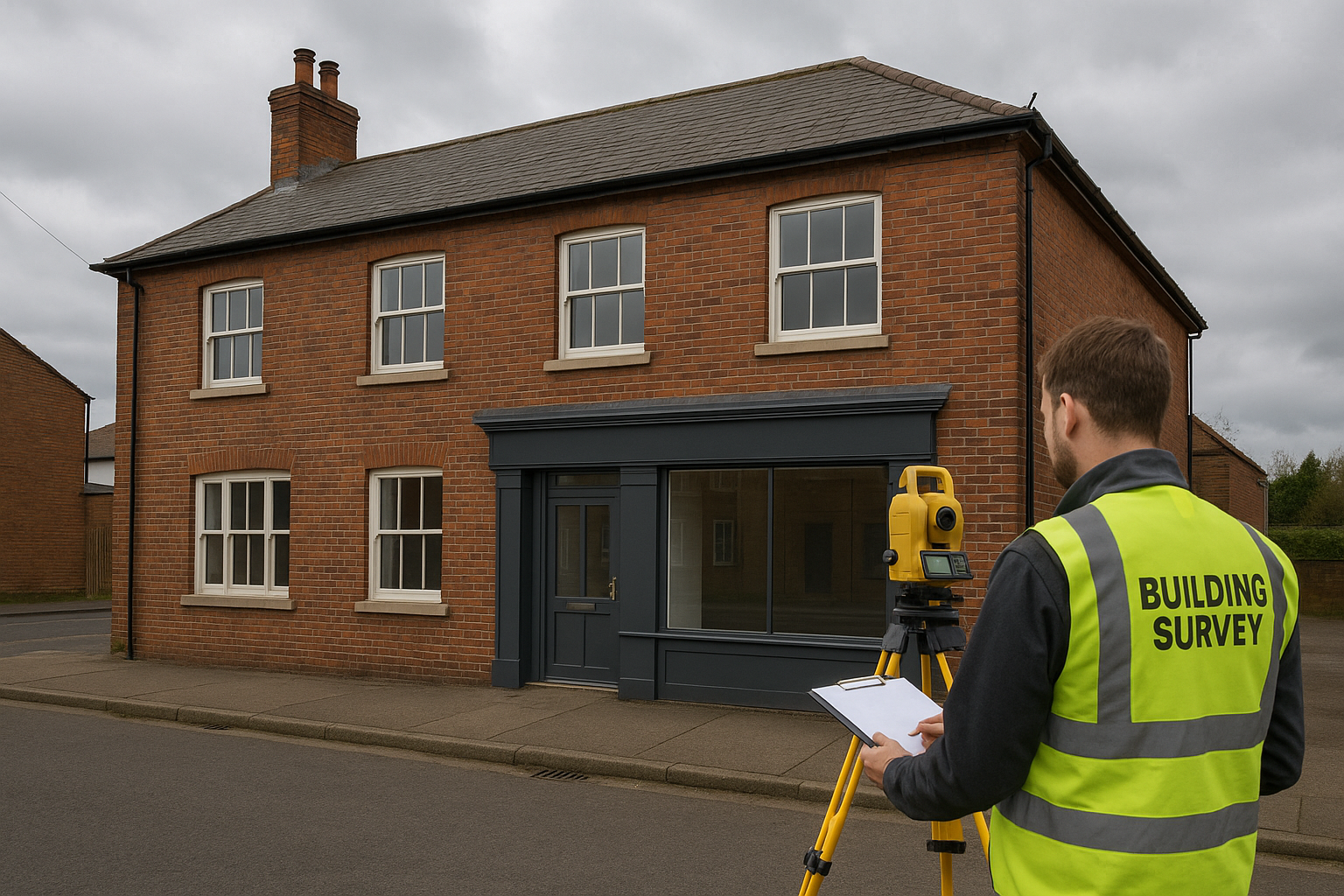
A trained surveyor will inspect the property and identify materials that are suspected to contain asbestos based on location, age, product type, condition and use. This is an essential first step, but it is not confirmation.
Visual inspection helps answer practical questions such as:
- What materials are suspicious?
- How accessible are they?
- Are they damaged or likely to be disturbed?
- Is targeted sampling enough, or is a full survey needed?
2. Bulk sampling
Bulk sampling is one of the most common forms of asbestos detection. A small representative sample is carefully taken from a suspect material, sealed, labelled and sent for analysis.
This is often the right option when you need a clear answer about one or two items, such as a textured ceiling, cement sheet, floor tile or insulation board. If you need targeted sampling, Supernova provides asbestos testing for suspect materials that need to be checked before work proceeds.
3. Laboratory analysis
Once samples are taken, they are analysed to determine whether asbestos fibres are present and, where possible, what type of asbestos has been identified. This is the stage that turns suspicion into evidence.
Good asbestos detection relies on clear sample identification, controlled handling and reporting that is easy to act on. A vague result is not enough when contractors are waiting on site.
4. Asbestos surveys
Where more than one material may be present, or where a wider area needs to be assessed, a survey is usually more useful than isolated samples. Surveys are designed to locate asbestos-containing materials as far as reasonably practicable and assess how they should be managed.
For occupied premises and routine maintenance, a management survey helps identify materials that could be disturbed during normal occupation or foreseeable maintenance. If major intrusive work is planned, a demolition survey is needed to locate asbestos in the areas affected by strip-out or demolition.
5. Air monitoring
Air monitoring is not usually the first method used to confirm asbestos in a solid material. Instead, it is used in specific situations, such as after disturbance or removal work, to assess fibre levels in the air.
For most property owners and managers, air monitoring sits later in the process. Early asbestos detection still starts with inspection, sampling and the right survey type.
When should you arrange asbestos detection?
The best time is before any work starts. Once ceilings are opened, old flooring is lifted or wall panels are broken, the project becomes harder to control and more expensive to pause.
You should consider asbestos detection if:
- The property was built or refurbished before 2000
- You are planning refurbishment, rewiring or plumbing work
- A contractor has flagged a suspect material
- You have noticed cracking, water damage or deterioration
- You are buying or taking over an older property
- You manage rental, commercial or mixed-use premises
- You are planning structural alteration or demolition
Before DIY or small maintenance jobs
Many accidental disturbances happen during minor jobs. Fitting spotlights, replacing a consumer unit, removing old tiles or opening boxing can all expose hidden materials.
Arrange asbestos detection before:
- Drilling textured coatings
- Removing floor tiles
- Breaking cement sheets
- Opening service ducts or risers
- Taking down ceiling panels
- Stripping wall linings or partitions
If you uncover a suspect material unexpectedly, stop work at once. Do not sweep dust, do not use a domestic vacuum and do not keep breaking the material to “check what it is”.
Before contractors arrive
Contractors need reliable information to plan safely. If suspect asbestos is only discovered halfway through a job, you can face delays, extra costs and possible contamination of the work area.
For planned works, early asbestos detection is usually far cheaper than reactive testing after the site has already been disturbed.
What UK regulations and guidance mean in practice
Work involving asbestos should be approached in line with the Control of Asbestos Regulations, HSG264 and wider HSE guidance. For property managers, landlords and dutyholders, that means identifying suspect materials before work, using competent professionals and making decisions based on evidence rather than assumptions.
In owner-occupied homes, there is no general duty to manage asbestos in the same way that applies to non-domestic premises. Even so, sensible risk control still matters. If works are arranged without checking obvious suspect materials first, tradespeople and occupants may be exposed unnecessarily.
Where responsibilities become more complex
The legal picture changes where domestic property overlaps with shared or non-domestic space. That commonly includes:
- Blocks of flats with communal corridors, risers or plant rooms
- Rental properties with shared access areas
- Mixed-use buildings with commercial units
- Managed residential portfolios
- Outbuildings or workspaces used for business purposes
In these settings, those responsible for shared or non-domestic areas may need to manage asbestos risk, keep records and provide information to anyone liable to disturb asbestos. That is where proper asbestos detection becomes part of day-to-day compliance, not just a one-off precaution.
What happens if asbestos is found?
Finding asbestos does not automatically mean a building is unsafe or that everything must be removed. The right response depends on the material type, condition, location and the likelihood of disturbance.
After asbestos detection, the outcome usually falls into one of these categories:
- Leave in place and manage if the material is in good condition and unlikely to be disturbed
- Encapsulate if the surface needs protection to reduce the chance of fibre release
- Repair where minor damage can be dealt with appropriately
- Restrict access until further action is taken
- Remove if the material is damaged, higher risk or in the way of planned works
High-risk materials such as pipe lagging, loose insulation and some insulation boards need particularly careful handling. Lower-risk materials, such as asbestos cement, may sometimes remain safely in place if intact and undisturbed.
Do not disturb it to investigate
If asbestos is suspected, avoid drilling, scraping, snapping or breaking the material. Do not use power tools and do not bag waste with ordinary household rubbish unless you have had proper advice on disposal.
Where removal is needed, use experienced professionals. Supernova can help arrange asbestos removal where materials need to be dealt with safely and in line with the level of risk.
Choosing the right service for the job
Not every situation needs the same approach. One of the most common mistakes in asbestos detection is ordering the wrong service and either getting too little information or paying for work that does not match the task.
When testing is enough
Targeted sampling is often suitable when there are only one or two suspect materials and you need a straightforward answer. Examples include:
- A garage roof before replacement
- A textured ceiling before electrical work
- Floor tiles before lifting
- A panel behind a fuse board before upgrade works
If you need a fast answer on a specific material, you can also use Supernova’s asbestos testing service for focused checks.
When a survey is the better option
A survey is usually better when:
- The building is larger or more complex
- Several suspect materials are present
- Contractors need a wider scope of information
- There are communal or non-domestic areas
- Refurbishment or demolition is planned
In those cases, broader asbestos detection gives you a usable picture of risk across the affected area rather than isolated answers.
What quality asbestos detection should look like
When decisions about safety, contractor access and project timing depend on the result, quality matters. Poor sampling, unclear reports or informal opinions can leave you exposed to delay and liability.
Reliable asbestos detection should include:
- Clear identification of the sampled or surveyed material
- Controlled sampling methods
- Secure labelling and handling of samples
- Analysis through recognised quality systems
- Practical reporting that people on site can understand
- Recommendations that reflect the actual level of risk
What a useful report should tell you
A report should not leave you guessing. It should clearly explain:
- Where the suspect or confirmed material is located
- What material was inspected or sampled
- Whether asbestos was identified
- The condition of the material
- Whether management, encapsulation or removal is recommended
- What needs to happen before further works continue
That is the difference between a box-ticking exercise and asbestos detection that genuinely helps a project move forward safely.
Practical advice for property managers, landlords and owners
If you manage older property, the simplest way to avoid disruption is to treat asbestos checks as part of early planning. Do not wait for a contractor to raise concerns once labour is booked and materials are on site.
Use this practical approach:
- Review the age and history of the building before any works package is issued.
- Check whether an existing survey is still relevant to the planned scope.
- Identify areas where access, drilling or strip-out will take place.
- Book asbestos detection early enough for results to be reviewed properly.
- Share the findings with contractors before they start.
- Update records if materials are removed, repaired or newly identified.
If you oversee property in the capital or other major cities, local support can help keep projects moving. Supernova offers asbestos survey London services, as well as regional support for asbestos survey Manchester and asbestos survey Birmingham.
Why acting early saves time and disruption
Most asbestos problems on site are not caused by the material itself. They are caused by late discovery, poor information and rushed decisions after work has already started.
Early asbestos detection helps you:
- Prevent accidental disturbance
- Avoid unnecessary project delays
- Give contractors clear instructions
- Plan removal or management properly
- Reduce the risk of exposing occupants or workers
- Keep records that support compliance in shared and non-domestic areas
That is why the best approach is always proactive. If there is a realistic chance asbestos is present, check first and work second.
Frequently Asked Questions
Can you identify asbestos just by looking at it?
No. Visual inspection can highlight suspect materials, but it cannot confirm asbestos. Proper asbestos detection usually requires sampling and laboratory analysis.
Do I need asbestos detection before renovating an older property?
If the property was built or refurbished before 2000, yes, it is sensible to arrange asbestos detection before renovation starts. This is especially true if ceilings, floors, partitions, service boxing or external cement products will be disturbed.
Does finding asbestos always mean it has to be removed?
No. Some asbestos-containing materials can remain in place safely if they are in good condition and unlikely to be disturbed. Others may need encapsulation, repair or removal depending on the risk.
What is the difference between asbestos testing and an asbestos survey?
Asbestos testing usually focuses on one or two suspect materials and confirms whether asbestos is present. An asbestos survey looks more widely across an area or building to identify asbestos-containing materials as far as reasonably practicable and assess how they should be managed.
Who should I call for professional asbestos detection?
If you need clear advice, sampling, surveys or removal support, contact Supernova Asbestos Surveys. We provide practical asbestos detection services for homeowners, landlords, agents and property managers nationwide. Call 020 4586 0680 or visit asbestos-surveys.org.uk to book the right service.
If you need dependable asbestos detection before maintenance, refurbishment or demolition, Supernova Asbestos Surveys can help. We offer testing, surveys and removal support across the UK, with clear reporting and practical advice that helps you act quickly. Call 020 4586 0680 or visit asbestos-surveys.org.uk to arrange your survey or speak to our team.