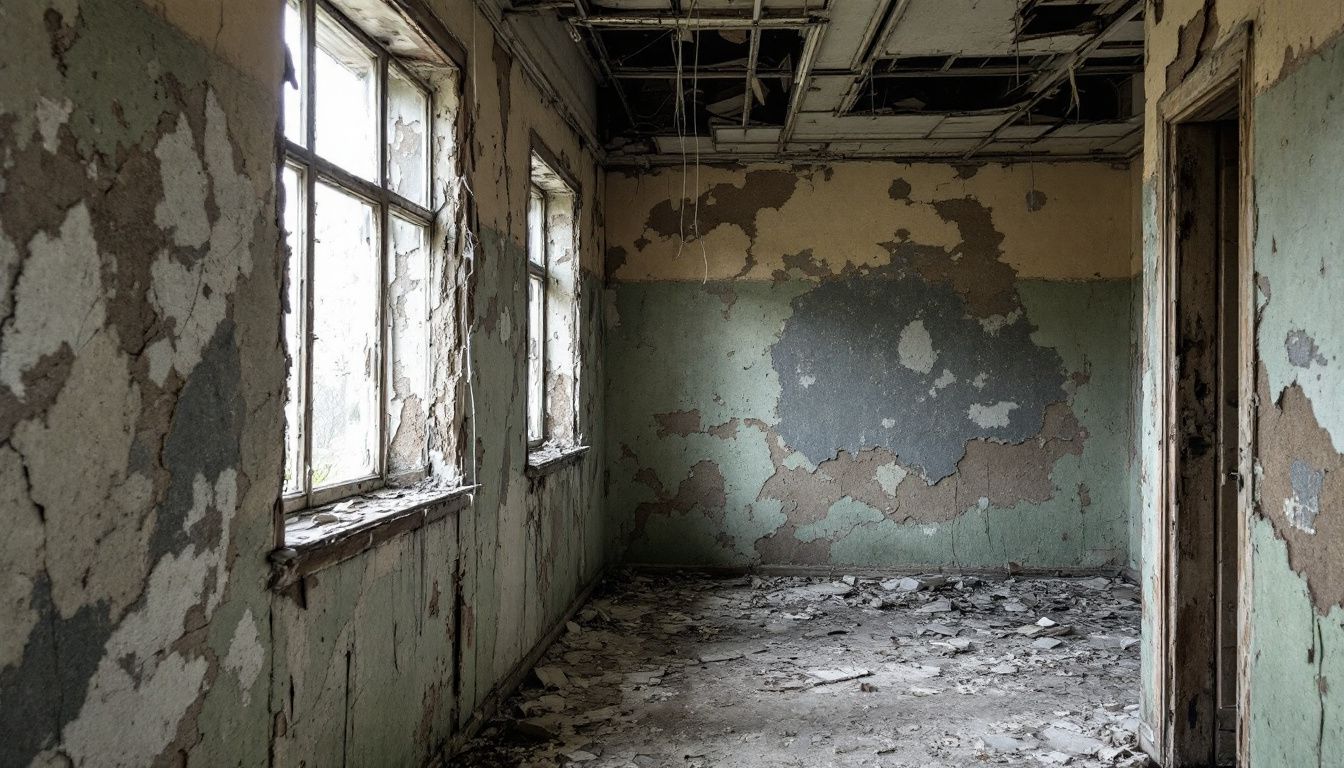
The Asbestos and Mesothelioma Risk Every UK Property Owner Must Understand
Mesothelioma is one of the most devastating cancers in the UK — and the overwhelming majority of cases trace back to a single cause: asbestos. Understanding asbestos and mesothelioma risk is not an academic exercise. For anyone who owns, manages, or works in a building constructed before 2000, it is a matter of life and death.
This is not a historical problem that has been resolved. The UK still records over 2,500 mesothelioma deaths every year, and because the disease can take decades to develop, people are dying today from exposures that occurred in the 1970s and 1980s. The asbestos is still present — in ceilings, floor tiles, pipe lagging, and roofing materials across millions of British properties.
What Exactly Is Asbestos?
Asbestos is a naturally occurring silicate mineral that forms long, thin fibres. It was prized for decades for its heat resistance, tensile strength, and insulating properties — making it a staple material across construction, shipbuilding, automotive manufacturing, and household appliance production throughout the twentieth century.
There are six regulated types, broadly divided into two groups:
- Serpentine fibres: Chrysotile (white asbestos) — the most widely used commercially
- Amphibole fibres: Crocidolite (blue), amosite (brown), tremolite, actinolite, and anthophyllite
All six types are classified as human carcinogens. The amphibole varieties — particularly crocidolite and amosite — are considered the most dangerous because their needle-like fibres lodge deeply in lung tissue and resist the body’s attempts to break them down.
Chrysotile fibres are somewhat more soluble in biological tissue, but they are by no means safe. The UK did not implement a full ban on asbestos until the late 1990s. Any building constructed or refurbished before that point may contain asbestos-containing materials (ACMs), and millions do.
How Asbestos Fibres Cause Mesothelioma
Mesothelioma is a cancer of the mesothelium — the thin membrane lining the lungs (pleura), abdomen (peritoneum), and heart (pericardium). Pleural mesothelioma, affecting the lung lining, is by far the most common form in the UK.
The biological process by which asbestos triggers this cancer is well established, though it unfolds over an extraordinarily long period of time.
Fibre Inhalation and Physical Damage
When asbestos-containing materials are disturbed — drilled, sanded, cut, or broken — microscopic fibres are released into the air. These fibres are invisible to the naked eye and can remain airborne for hours.
Once inhaled, the smallest fibres bypass the body’s natural filtration mechanisms in the nose and throat and penetrate deep into lung tissue. Fibres longer than approximately 10 micrometres are particularly hazardous because macrophages — the immune cells responsible for clearing foreign particles — cannot engulf them fully. The macrophage attempts to destroy the fibre, fails, and dies in the process, creating sustained, chronic inflammation in the surrounding tissue.
DNA Damage and Cellular Mutation
The chronic inflammatory response generates reactive oxygen species (free radicals) that cause direct DNA damage in mesothelial cells. Over time, this repeated genetic injury disrupts normal cell division, disabling tumour-suppressor genes and activating oncogenes.
The result is uncontrolled cell proliferation — cancer. Research has identified specific molecular drivers in this process, including the HMGB1 protein, released by damaged cells, which sustains the inflammatory environment that promotes mesothelioma progression. This is why even relatively limited asbestos exposure can, in some individuals, eventually trigger disease decades later.
Why the Latency Period Is So Long
One of the most alarming features of mesothelioma is its latency period. The time between first exposure and clinical diagnosis typically ranges from 15 to 60 years. Someone exposed to asbestos dust as an apprentice in the 1970s may only receive a diagnosis today.
This long latency period makes it extraordinarily difficult for individuals to connect their diagnosis to a specific exposure event. It also explains why the UK’s mesothelioma death toll continues to rise even though asbestos has been banned for over two decades — the exposures that are killing people now happened a generation ago.
Asbestos and Mesothelioma Risk: Who Is Most Vulnerable?
The asbestos and mesothelioma risk is not evenly distributed across the population. Certain groups face significantly elevated exposure and, therefore, significantly elevated cancer risk.
High-Risk Occupations
Occupational exposure accounts for the vast majority of mesothelioma cases in the UK. The following trades and industries carry the highest historical burden:
- Shipbuilding and ship repair — asbestos was used extensively for insulation throughout vessels
- Construction and demolition — carpenters, plumbers, electricians, and plasterers all worked alongside ACMs routinely
- Boilermakers and laggers — directly handling asbestos insulation on pipes and boilers
- Automotive mechanics — brake pads and clutch linings historically contained asbestos
- Power station workers — heavy use of asbestos insulation in plant and equipment
- Teachers and school staff — many UK schools built in the post-war era contain significant quantities of ACMs
Over 95% of mesothelioma cases in men in the UK are linked to occupational asbestos exposure, as are approximately 85% of cases in women.
Secondary and Para-Occupational Exposure
Mesothelioma does not exclusively affect those who worked directly with asbestos. Family members of tradespeople have developed the disease after washing asbestos-contaminated work clothing, or simply living with someone who brought fibres home on their clothes and hair.
This secondary exposure route is a sobering reminder that there is no truly safe threshold for asbestos fibre inhalation. Even low-level, intermittent exposure carries a measurable risk.
Property Owners and Maintenance Workers Today
One of the most significant ongoing exposure risks in the UK comes from renovation and maintenance work on older buildings. A plumber cutting through an asbestos cement panel, or a decorator sanding artex containing chrysotile, may be exposed to dangerous fibre concentrations without realising it.
Under the Control of Asbestos Regulations, duty holders — including landlords, employers, and building owners — have a legal obligation to manage asbestos in non-domestic premises. Failing to do so puts both workers and occupants at risk. Professional asbestos testing is the essential first step in understanding what is present in a building before any work begins.
Recognising the Symptoms of Mesothelioma
Because of the long latency period, mesothelioma symptoms often do not appear until the disease is at an advanced stage. This makes early detection extremely challenging, which is why anyone with a history of asbestos exposure should discuss this proactively with their GP.
Common symptoms of pleural mesothelioma include:
- Persistent shortness of breath, often caused by fluid accumulation around the lung (pleural effusion)
- Chest pain or tightness
- A persistent, worsening cough
- Fatigue and unexplained weight loss
- Finger clubbing — a thickening and rounding of the fingertips
Peritoneal mesothelioma — affecting the abdominal lining — may present with abdominal swelling, pain, nausea, and changes in bowel habits.
If you have a known history of asbestos exposure and experience any of these symptoms, seek medical attention promptly. Early diagnosis, while still difficult, offers the best opportunity for treatment intervention.
Other Serious Diseases Caused by Asbestos
Mesothelioma is the most widely recognised asbestos-related cancer, but it is not the only serious disease caused by asbestos fibre inhalation. A full picture of the health risks includes the following conditions.
Asbestosis
Asbestosis is a chronic, progressive scarring of the lung tissue (pulmonary fibrosis) caused by long-term, heavy asbestos exposure. It is not cancer, but it is debilitating and incurable. Symptoms include breathlessness, a persistent cough, and reduced lung function — and asbestosis significantly increases the risk of developing lung cancer.
Lung Cancer
Asbestos is an established cause of lung cancer independent of mesothelioma. The risk is substantially amplified in individuals who also smoke. Someone who both smokes and has experienced significant asbestos exposure faces a multiplicative — not merely additive — increase in lung cancer risk. This is a critical distinction that many people are unaware of.
Pleural Plaques and Pleural Thickening
Pleural plaques are areas of fibrous thickening on the lining of the lungs. They are typically benign and not themselves dangerous, but their presence confirms that asbestos fibres have reached the pleura and serves as a marker of past exposure.
Diffuse pleural thickening can restrict lung expansion and cause breathlessness in more severe cases. If you have been diagnosed with pleural plaques, inform your GP of your full occupational history and discuss ongoing monitoring.
Managing Asbestos and Mesothelioma Risk in Your Property
The most effective way to reduce asbestos and mesothelioma risk is to know exactly what is in your building and manage it responsibly. Asbestos that is in good condition and left undisturbed poses a low immediate risk. The danger arises when ACMs are damaged, deteriorating, or subjected to maintenance and renovation work.
Get a Professional Asbestos Survey
You cannot identify asbestos by looking at it. Even experienced surveyors cannot confirm the presence of asbestos without laboratory analysis of a sample. A professional asbestos survey, conducted in accordance with the HSE guidance document HSG264, is the only reliable way to identify ACMs in a building.
There are two main types of survey:
- A management survey identifies ACMs that could be disturbed during normal occupation and routine maintenance, forming the basis of an asbestos management plan
- A demolition survey is a more intrusive assessment required before any significant building work or demolition, ensuring all ACMs are located and accounted for before works begin
Supernova Asbestos Surveys carries out both types across the UK. Whether you need an asbestos survey in London, an asbestos survey in Manchester, or an asbestos survey in Birmingham, our UKAS-accredited surveyors will provide a thorough assessment with full laboratory analysis.
Asbestos Testing and Sampling
If you suspect a specific material contains asbestos but do not require a full survey, targeted asbestos testing of individual samples can provide rapid, laboratory-confirmed answers. This is particularly useful for landlords, contractors, or facilities managers who need to verify the composition of a specific material before work proceeds.
Asbestos Removal
Where ACMs are damaged, deteriorating, or located in areas that will be disturbed by planned works, professional asbestos removal by a licensed contractor is the appropriate course of action.
Under the Control of Asbestos Regulations, certain high-risk asbestos work — including removal of sprayed coatings, lagging, and asbestos insulating board — is licensable work that must only be carried out by contractors holding a licence from the HSE. Attempting to remove asbestos yourself is not only illegal in many circumstances — it is genuinely dangerous. Improper removal can release enormous quantities of fibres into the air, creating exactly the kind of acute exposure event that drives serious disease risk.
What to Do If You Accidentally Disturb Asbestos
Accidental disturbance of asbestos-containing materials happens — particularly during DIY work in older properties. If you suspect you have disturbed asbestos, act immediately and methodically.
- Stop work immediately — do not continue cutting, drilling, or sanding
- Leave the area — move everyone out and close off the space to prevent fibres spreading
- Do not use a domestic vacuum cleaner — standard vacuums disperse fibres rather than containing them
- Do not disturb the material further — leave it exactly as it is
- Seek professional advice — contact a licensed asbestos surveyor or contractor before re-entering the area
- Arrange air testing — a qualified analyst can assess whether airborne fibre levels are safe before the space is reoccupied
If significant exposure has occurred, document the incident and inform your GP. While a single brief exposure is unlikely to cause disease, it should be recorded as part of your exposure history.
Your Legal Duties Under the Control of Asbestos Regulations
The Control of Asbestos Regulations place clear duties on those who own or manage non-domestic premises. These are not advisory guidelines — they are enforceable legal obligations. The key duties include:
- Duty to manage: Duty holders must take reasonable steps to find out if ACMs are present, assess their condition, and manage the risk they pose
- Asbestos management plan: Where ACMs are identified, a written management plan must be produced and kept up to date
- Information sharing: Anyone who may disturb ACMs — contractors, maintenance workers, emergency services — must be informed of their location and condition
- Regular review: The condition of known ACMs must be monitored and the management plan reviewed regularly
Domestic properties are not subject to the same duty-to-manage requirements, but homeowners undertaking renovation work still have obligations under health and safety law to protect workers and neighbours from asbestos exposure.
The HSE takes enforcement of asbestos regulations seriously. Prosecutions and substantial fines have been issued against duty holders who have failed to manage asbestos responsibly — and, in cases where workers have been exposed, criminal proceedings are possible.
Frequently Asked Questions
What is the connection between asbestos and mesothelioma?
Asbestos is the primary cause of mesothelioma in the UK. When asbestos-containing materials are disturbed, microscopic fibres are released into the air and can be inhaled. These fibres penetrate deep into lung tissue, causing chronic inflammation and DNA damage that can, over many decades, lead to mesothelioma — a cancer of the mesothelium, the lining surrounding the lungs, abdomen, and heart.
How long does it take for asbestos exposure to cause mesothelioma?
The latency period for mesothelioma — the time between first asbestos exposure and diagnosis — typically ranges from 15 to 60 years. This is why many people being diagnosed today were exposed during the 1970s and 1980s, and why the UK’s annual mesothelioma death toll remains significant despite the asbestos ban.
Is there a safe level of asbestos exposure?
No safe threshold for asbestos fibre inhalation has been established. While the risk of disease increases with the duration and intensity of exposure, even low-level or brief exposure carries a measurable risk. This is why the HSE and the Control of Asbestos Regulations require that exposure be reduced to as low as reasonably practicable — not merely kept below a set limit.
Do I need an asbestos survey if my building was built before 2000?
If you are a duty holder — a landlord, employer, or building owner — responsible for a non-domestic premises built before the late 1990s, you are legally required to manage asbestos under the Control of Asbestos Regulations. A professional asbestos survey conducted in line with HSG264 is the standard method for identifying what ACMs are present and assessing the risk they pose. Even for domestic properties, a survey is strongly advisable before any renovation or maintenance work.
What should I do if I think I have been exposed to asbestos?
If you believe you have been exposed to asbestos — whether recently or in the past — inform your GP and provide a full occupational and exposure history. There is no treatment to reverse the effects of asbestos inhalation, but your GP can arrange monitoring and ensure that any symptoms are investigated promptly. Early detection of asbestos-related disease offers the best opportunity for effective treatment.
Speak to Supernova Asbestos Surveys
Reducing asbestos and mesothelioma risk starts with knowing what is in your building. Supernova Asbestos Surveys has completed over 50,000 surveys across the UK, providing property owners, landlords, facilities managers, and contractors with the information they need to manage asbestos safely and legally.
Our UKAS-accredited surveyors operate nationwide, delivering management surveys, demolition surveys, asbestos testing, and licensed removal referrals — all backed by full laboratory analysis and clear, actionable reports.
Call us on 020 4586 0680 or visit asbestos-surveys.org.uk to book a survey or discuss your requirements with our team.