
Leave asbestos information sitting untouched for too long and it can become more dangerous than useful. If you are asking how often should asbestos surveys be carried out, the honest answer is that there is no single fixed timetable for every building. The right interval depends on the type of survey, the condition of any asbestos-containing materials, how the premises are used, and whether maintenance, refurbishment, or demolition is planned.
For dutyholders, property managers, landlords of communal areas, and facilities teams, the bigger issue is keeping asbestos information accurate enough to protect occupants and contractors. Under the Control of Asbestos Regulations, asbestos must be managed properly in non-domestic premises. HSE guidance and HSG264 are clear that survey information needs to be suitable, sufficient, and kept up to date where circumstances change.
How often should asbestos surveys be carried out in the UK?
The simplest way to answer how often should asbestos surveys be carried out is to start with the survey type. Not every asbestos survey is repeated on a fixed annual cycle, and not every building needs the same approach.
A survey should be reviewed or repeated when it no longer reflects the actual condition or layout of the property, or when a different type of work is planned. That means frequency is driven by risk and building activity, not by a blanket rule.
- Management surveys should remain current for normal occupation and routine maintenance.
- Re-inspection surveys are usually carried out periodically where asbestos has already been identified and left in place.
- Refurbishment surveys are required before refurbishment work starts in the affected area.
- Demolition surveys are required before demolition work begins.
In practice, many properties with known asbestos-containing materials benefit from a formal re-inspection every 6 to 12 months. That is common good practice, but it is not a universal legal rule. Higher-risk areas, busy buildings, or materials in vulnerable condition may need more frequent review.
Why survey frequency varies from one property to another
Two buildings of the same age can need very different asbestos management arrangements. A locked boiler room with stable asbestos cement sheets is not the same as a school corridor, a hospital service route, or a retail unit where contractors are constantly carrying out small works.
When deciding how often should asbestos surveys be carried out, a competent surveyor looks at the real risk in the building rather than applying a one-size-fits-all interval.
Type of premises
The duty to manage applies to non-domestic premises and to the common parts of some domestic properties. That includes offices, schools, hospitals, warehouses, factories, shops, public buildings, and communal areas in blocks of flats.
Older buildings are more likely to contain asbestos-containing materials. That does not automatically mean removal is needed, but it does mean records, inspections, and management arrangements need to be reliable.
Occupancy and footfall
The more people use a building, the greater the chance of accidental disturbance. Busy sites also tend to have more maintenance activity, more wear, and more opportunities for contractors to encounter hidden materials.
Closer monitoring is often sensible in:
- Schools and colleges
- Hospitals and care settings
- Commercial offices with frequent fit-outs
- Retail premises
- Industrial and manufacturing sites
- Communal areas of residential blocks
Condition of asbestos-containing materials
Condition matters as much as location. If asbestos materials are sealed, undamaged, and unlikely to be disturbed, they may only need routine periodic review.
If they are cracked, exposed, water-damaged, frayed, or close to regular activity, the inspection interval should usually be shorter. A damaged board near a service riser used every week presents a very different risk from a stable material in a locked, rarely accessed void.
Planned maintenance or building works
Survey timing changes as soon as works are planned. A standard management survey is not enough for intrusive works, even if it is relatively recent.
If you are moving beyond day-to-day occupation and routine maintenance, you may need a dedicated survey that matches the planned work. This is one of the most common points where property managers get caught out.
Management surveys and how often they should be reviewed
A management survey is the standard survey used to locate, as far as reasonably practicable, the presence and extent of suspect asbestos-containing materials during normal occupation. Its purpose is to support day-to-day management and routine maintenance, not intrusive refurbishment or demolition.
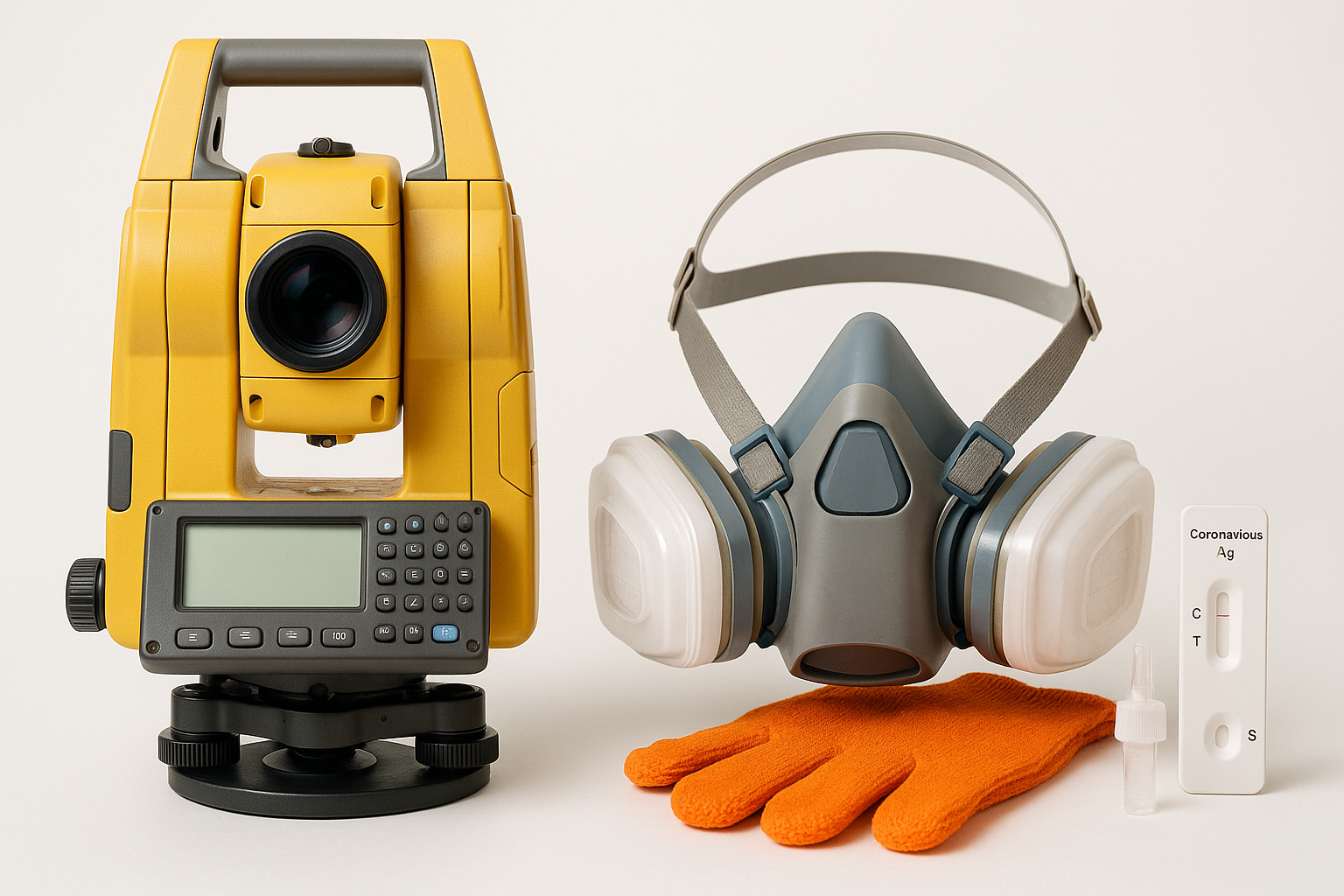
So, how often should asbestos surveys be carried out when the survey in question is a management survey? The better question is whether the existing report is still accurate and usable for the building as it stands today.
You should review whether an asbestos management survey needs updating when:
- The report is old and the building layout has changed
- Rooms have been renumbered or reconfigured
- Areas were previously inaccessible and can now be inspected
- The use of the building has changed
- Damage, leaks, fire, impact, or vandalism may have affected asbestos materials
- There are gaps or uncertainties in the asbestos register
- Contractors regularly find materials not clearly covered by the report
A management survey should be treated as a live management tool. If it no longer reflects the premises, it needs review, amendment, or replacement. Filing it away and assuming it remains valid indefinitely is where problems start.
Re-inspection surveys: the usual answer where asbestos is already known
Where asbestos-containing materials have already been identified and remain in place, the practical answer to how often should asbestos surveys be carried out is often a periodic re-inspection survey. This is the survey type most commonly repeated at set intervals.
A re-inspection checks known or presumed asbestos-containing materials to confirm whether their condition has changed. It supports the asbestos register and management plan by showing whether materials remain stable or whether action is needed.
Typical re-inspection frequency
Many dutyholders arrange re-inspections every 6 to 12 months. That is a sensible working interval for many occupied buildings, especially where asbestos has been left in place and is being managed.
That said, the right frequency should still be risk-based. Shorter intervals may be needed where:
- Materials are vulnerable to knocks, abrasion, or vibration
- The area is accessed frequently
- Minor deterioration has already been noted
- Maintenance work takes place nearby
- There is poor control over contractor activity
- The building has a history of leaks or damage
Longer intervals may be acceptable where materials are in good condition, sealed, clearly recorded, and located in low-access areas. The decision should be documented so there is a clear rationale if the approach is ever questioned.
What a re-inspection should lead to
A re-inspection is not just a box-ticking exercise. It should trigger action where needed.
- Update the asbestos register
- Revise material risk assessments
- Improve labelling or access controls
- Repair damaged encapsulation
- Restrict access to affected areas
- Arrange remedial works or removal if management in place is no longer suitable
If deterioration has reached the point where in-situ management is no longer reliable, the next step may be asbestos removal rather than another round of monitoring.
When refurbishment and demolition surveys are required
One of the biggest mistakes in asbestos compliance is assuming an existing management report is enough before works begin. It is not. Survey type must match the work.
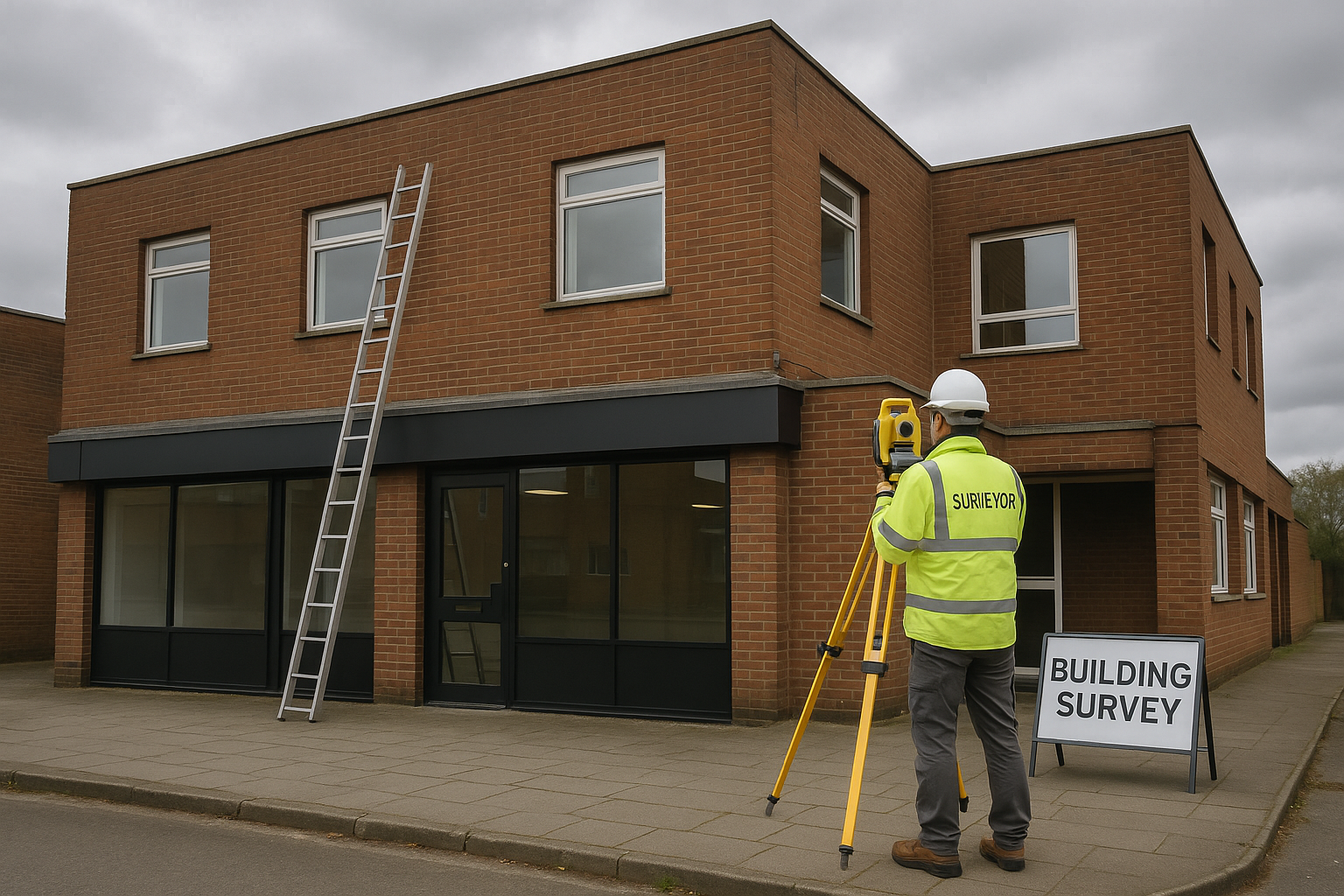
If refurbishment is planned, you need a dedicated refurbishment survey for the area affected. If the building, or part of it, is due to be demolished, you need a demolition survey.
Refurbishment survey timing
A refurbishment survey is required before any work that will disturb the fabric of the building. That includes projects such as:
- Strip-outs
- Rewiring
- HVAC upgrades
- Ceiling replacements
- Partition changes
- Flooring removal where underlying materials may be disturbed
- Kitchen or bathroom replacements in communal or commercial settings
The survey should be commissioned early enough to avoid delays to the programme. If the works expand into other areas, the survey scope may need to be widened too.
Demolition survey timing
A demolition survey is required before demolition work starts. It is fully intrusive and designed to locate asbestos-containing materials throughout the areas to be demolished so they can be managed and removed as necessary before work proceeds.
Relying on a non-intrusive survey for demolition planning creates unnecessary risk. Hidden asbestos discovered once work is underway can stop the project, expose workers, and create avoidable costs.
Practical signs your asbestos survey information needs updating
If you manage property regularly, the warning signs are usually obvious once you know what to look for. The problem is that many sites continue using outdated reports until a contractor refuses to proceed or unexpected materials are found on site.
Review your asbestos information straight away if any of these apply:
- The report no longer matches room names, numbering, or layouts
- Areas were previously marked as inaccessible
- You are planning maintenance beyond routine access
- Known asbestos materials show visible damage
- There has been a leak, fire, impact, or vandalism incident
- Contractors cannot confidently rely on the register
- Removal or encapsulation works have taken place and records have not been updated
A simple rule works well in practice: if the building has changed, the asbestos information should be checked. If the planned work has changed, the survey type should be checked too.
How dutyholders should manage asbestos between surveys
Asking how often should asbestos surveys be carried out is only part of the job. Compliance depends just as much on what happens between surveys.
Under the duty to manage, asbestos information needs to stay current and available to the people who need it. That means having a working system rather than a report that sits in a drawer.
Keep the asbestos register live
The register should record known or presumed asbestos-containing materials, their location, extent, condition, and any actions taken. It should be updated whenever there is new survey information, damage, removal, repair, encapsulation, or a change in access arrangements.
Maintain an asbestos management plan
Your management plan should explain how risks are controlled in practice. That includes inspection frequency, responsibilities, communication arrangements, emergency procedures, and how contractors are briefed before starting work.
Control contractor access
Before maintenance, installation, or repair work begins, contractors should be given the relevant asbestos information. Do not leave this to chance.
Build asbestos checks into permit-to-work systems, work orders, and job release processes. If a contractor does not know what is present, they cannot work safely around it.
Act quickly on defects
If a re-inspection identifies deterioration, do not leave it sitting in an action log for months. Decide whether the material can be repaired, encapsulated, isolated, or whether removal is the safer option.
Property-specific advice on how often asbestos surveys should be carried out
Different buildings need different review cycles. A sensible inspection strategy reflects how the premises are used in real life.
Offices
Office buildings often contain asbestos in ceiling voids, service risers, floor tiles, textured coatings, and plant areas. If occupation is stable and materials are in good condition, routine re-inspection may be enough.
If there is frequent churn, regular fit-outs, or lots of contractor activity, survey information can become outdated quickly. Review the register whenever layouts change or works are planned.
Schools and colleges
Education settings are busy, heavily used, and prone to accidental knocks and wear. Plant rooms, corridors, ceiling voids, columns, and service ducts can all become vulnerable over time.
More frequent re-inspections may be sensible where materials are near occupied areas or where holiday works are common. Planned maintenance should always be checked against the right survey type before term-break projects begin.
Hospitals and care settings
Healthcare premises often combine high occupancy with constant maintenance demands. Because services need to remain operational, small intrusive works can happen regularly.
That makes accurate registers and disciplined contractor controls essential. Re-inspection intervals should reflect both the condition of materials and the pace of ongoing maintenance.
Industrial sites and warehouses
Industrial premises may contain asbestos cement, insulation products, panels, lagging, and older plant-related materials. Vibration, impact, forklift traffic, and service works can all affect condition.
Where materials are exposed to harsher conditions, shorter inspection intervals are often justified. Roof work, plant replacement, and service upgrades should trigger a review of whether a refurbishment survey is needed.
Retail and leisure premises
Retail properties often undergo regular layout changes, signage works, ceiling alterations, and landlord-tenant fit-outs. A management survey may remain valid for general occupation, but not for intrusive changes.
In these settings, the main risk is assuming existing information is enough when works are small but still invasive. Even minor projects can disturb hidden asbestos.
Communal areas in residential blocks
The duty to manage can apply to common parts such as corridors, stairwells, plant rooms, risers, bin stores, and roof spaces. Frequent maintenance and resident reports of damage should feed directly into the asbestos management process.
If access arrangements change or previously locked areas are opened up, survey information should be reviewed promptly.
Common mistakes property managers should avoid
Most asbestos failures are not caused by a total lack of information. They happen because the information is out of date, too vague, or not used properly.
Watch out for these common mistakes:
- Assuming every survey must be repeated annually. Some do not. The correct interval depends on risk and survey type.
- Assuming no update is needed because a report already exists. A report is only useful if it still reflects the building.
- Using a management survey for refurbishment works. This is a frequent compliance problem.
- Ignoring inaccessible areas. If they later become accessible or affected by works, they need proper inspection.
- Failing to update the register after removal or remedial works. Old entries can create confusion and unsafe decisions.
- Not briefing contractors. Even a good survey fails if the people doing the work never see it.
How to decide what to do next
If you are unsure how often should asbestos surveys be carried out for your site, work through the decision logically.
- Identify what survey information you currently hold.
- Check whether it still matches the building layout and use.
- Review whether asbestos-containing materials are known to be present and still in place.
- Assess the condition of those materials and the likelihood of disturbance.
- Consider whether any maintenance, refurbishment, or demolition is planned.
- Arrange the right survey type rather than defaulting to the last one used.
If the building is occupied and asbestos is being managed in place, a periodic re-inspection is often the next step. If works are planned, the answer may be a refurbishment or demolition survey instead. If the existing information is too old, incomplete, or unclear, a fresh management survey may be the safest route.
Need expert advice on asbestos survey frequency?
If you are managing a property portfolio, planning works, or unsure whether your asbestos information is still current, Supernova can help. We carry out surveys nationwide, including asbestos survey London, asbestos survey Manchester, and asbestos survey Birmingham.
Whether you need a management survey, re-inspection, refurbishment survey, demolition survey, or advice on the next practical step, our team can guide you clearly and quickly. Call 020 4586 0680 or visit asbestos-surveys.org.uk to book a survey or discuss your site.
Frequently Asked Questions
Is there a legal rule that asbestos surveys must be carried out every year?
No. There is no blanket rule that every asbestos survey must be repeated annually. The right interval depends on the survey type, the condition of any asbestos-containing materials, and whether the building or planned works have changed. Where asbestos is known and left in place, periodic re-inspection every 6 to 12 months is often appropriate.
How often should a management survey be updated?
A management survey should be updated when it no longer reflects the building accurately. That may be because the layout has changed, areas were previously inaccessible, damage has occurred, or the report is no longer reliable for routine occupation and maintenance. It is not updated to a single national timetable in every case.
When is a re-inspection survey needed?
A re-inspection survey is needed when asbestos-containing materials have already been identified and remain in place for ongoing management. Its purpose is to check whether their condition has changed and whether the asbestos register and management plan need updating.
Can I use a management survey before refurbishment works?
Not if the work will disturb the fabric of the building. A management survey is for normal occupation and routine maintenance. Intrusive works require a refurbishment survey in the affected area, and demolition works require a demolition survey.
What should I do if asbestos materials are found to be damaged?
Damaged asbestos materials should be assessed promptly. The right response may include restricting access, updating the register, arranging repair or encapsulation, or organising removal where management in place is no longer suitable. Do not leave damaged materials on a watch list without action.