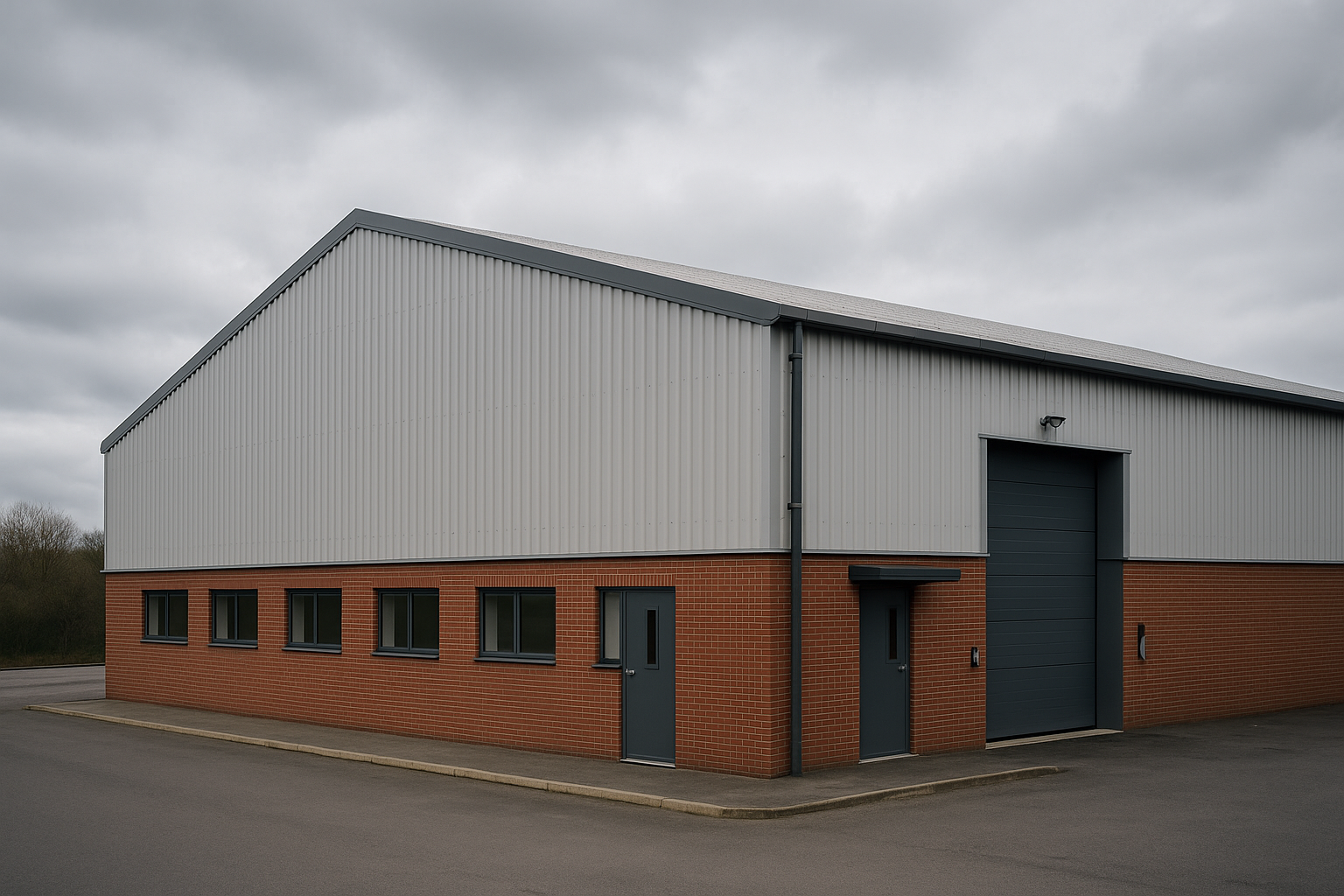
A leaking garage or ageing outbuilding roof can look like a simple roofing problem until asbestos enters the picture. Asbestos roof removal needs careful planning, the right survey information and a lawful waste route, otherwise a modest repair job can turn into contamination, delays and a far bigger bill.
Many garages, sheds, workshops and farm-style outbuildings across the UK still have asbestos cement roofing in place. Some roofs remain stable for years, but once sheets are cracked, heavily weathered, moss-covered, leaking or due to be replaced, asbestos roof removal should be approached as a controlled project rather than routine maintenance.
For homeowners, landlords, managing agents and commercial dutyholders, the priorities are usually the same: confirm what the roof is made from, understand the risk, choose the right contractor and make sure disposal is handled correctly. That is where proper surveying and competent advice save time and money.
Why asbestos roof removal needs proper planning
Asbestos cement was widely used for roofing because it was durable, lightweight and relatively inexpensive. The issue is that age, weathering and damage can weaken the cement matrix, especially around fixings, edges and existing cracks.
Once sheets are drilled, snapped, sawn, dropped or pressure washed, fibres can be released. That is why asbestos roof removal should never be treated like ordinary roofing work or general waste clearance.
There is also a legal side to consider. Under the Control of Asbestos Regulations, asbestos in non-domestic premises must be identified and managed. Survey work should align with HSG264, and any removal method should follow relevant HSE guidance for the material, condition and work type involved.
Early planning also helps with practical issues such as:
- preventing leaks from causing further structural damage
- avoiding unnecessary breakage during removal
- getting realistic quotations before roofing works begin
- reducing delays during sales, refurbishments or insurance discussions
- making sure waste packaging and disposal are arranged in advance
How to tell if a garage or shed roof may contain asbestos
One of the most common questions is whether an old roof definitely contains asbestos. The honest answer is simple: you cannot confirm asbestos by sight alone.
That said, older corrugated cement sheets on garages, sheds and outbuildings are often asbestos cement, particularly where the installation date is uncertain and the roof has a dull grey, weathered appearance. Flat cement-like panels and matching ridge pieces can also be suspicious.
Common signs that a roof may contain asbestos
- corrugated sheets with a grey or off-white cement finish
- flat or slightly textured cement panels
- older original roofing on garages and sheds
- weathered edges and brittle fixings
- ridge caps, soffits or wall cladding that appear to match the roof
- no records showing a modern non-asbestos replacement
It is not always just the roof sheets either. Associated materials may also contain asbestos, including ridge pieces, wall panels, soffits, undercloaks and debris left behind from earlier damage.
If you need certainty, arrange asbestos testing before any work starts. Professional sampling reduces the chance of accidental disturbance and gives contractors reliable information to quote from.
Some property owners look at using a testing kit for convenience. That can be suitable in limited low-risk situations, but it is rarely the best option for a fragile, high or damaged roof. If access is awkward or the sheets are already cracking, professional sampling is the safer route.
If you need local help, Supernova can assist with an asbestos survey London booking, an asbestos survey Manchester appointment or an asbestos survey Birmingham service, alongside nationwide coverage.
Do you need a survey before asbestos roof removal?
In many cases, yes. The right survey depends on the building type, whether the premises are domestic or non-domestic, and whether the work is simple roof sheet removal or part of a larger refurbishment or demolition project.
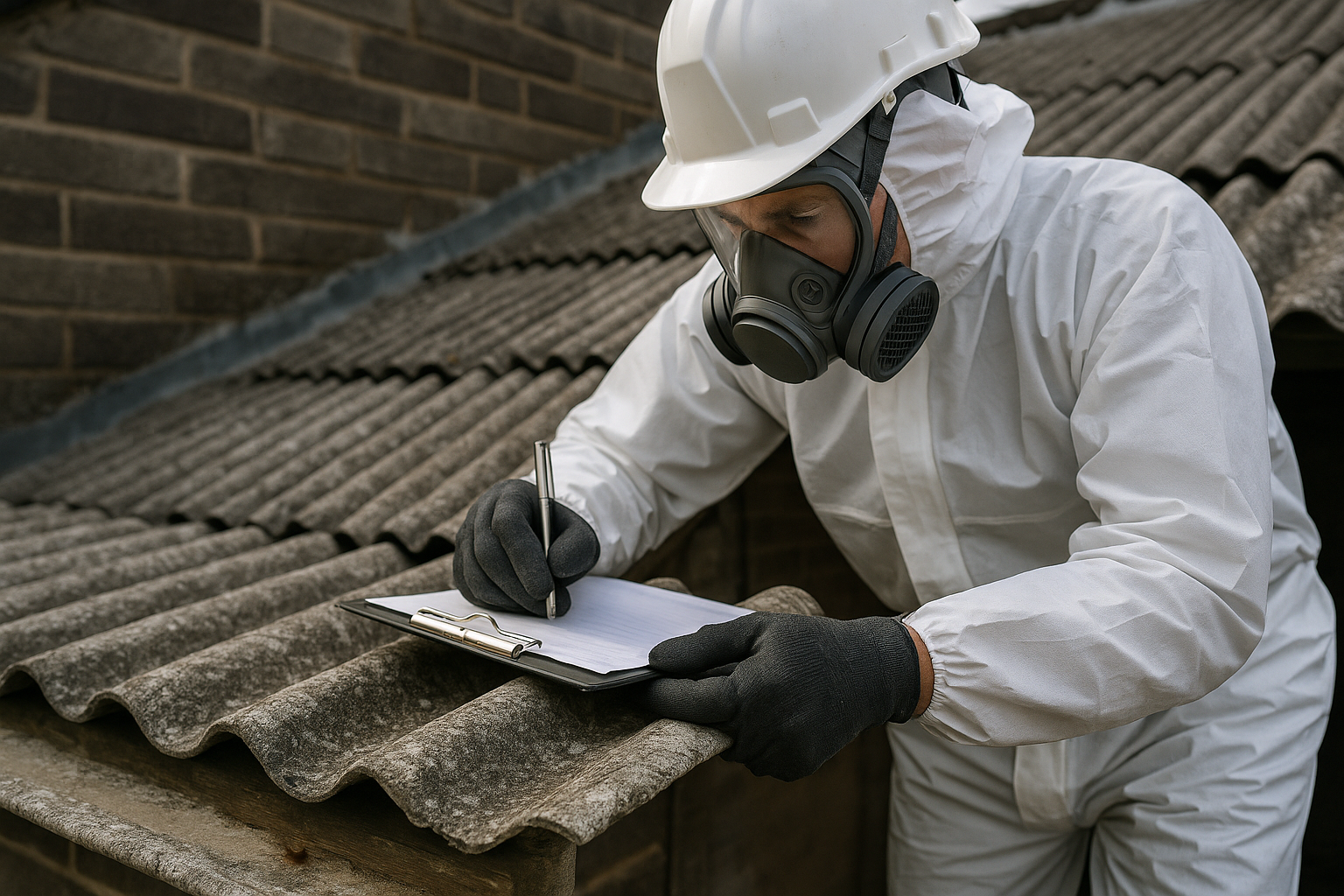
Good asbestos roof removal starts with good information. If the roof is only one part of wider works, the survey should identify any other asbestos-containing materials that could be disturbed during access, dismantling or reinstatement.
Management survey
If you are responsible for a non-domestic property during normal occupation, a management survey is often the starting point. It helps locate asbestos-containing materials, assess their condition and support an asbestos register and management plan.
For landlords, facilities teams and managing agents, an asbestos management survey is a practical way to demonstrate that asbestos has been considered properly. It is useful for ongoing compliance, but it may not be enough for intrusive works.
Demolition survey
If the garage, shed or outbuilding is due to be demolished, or if the roof removal forms part of intrusive structural works, a demolition survey is usually required. This type of survey is more intrusive and is designed to locate asbestos that could be disturbed during the planned works.
This matters where garages are attached to houses, linked to neighbouring units or include internal linings, boards, ceilings or service penetrations that may also contain asbestos.
Re-inspection survey
If immediate asbestos roof removal is not planned and the material is being managed in place for the time being, a re-inspection survey helps track deterioration over time.
This is particularly useful where a roof is ageing but still intact, and you need to decide whether management remains suitable or whether removal should be scheduled before the condition worsens.
Homeowners do not have the same duty to manage obligations as commercial dutyholders, but a survey or sampling still makes sense. It removes guesswork, supports accurate quotations and reduces the risk of hidden asbestos delaying the job later.
When asbestos roof removal is necessary and when management may be enough
Not every asbestos cement roof needs to be removed straight away. If the sheets are in good condition, remain sealed within the cement matrix and are unlikely to be disturbed, management in place may be a reasonable short-term option.
That said, management is not the same as ignoring the problem. The roof still needs to be monitored, recorded and protected from unnecessary disturbance.
Removal is often the better option when:
- the roof is cracked, broken or delaminating
- there are active leaks affecting the structure below
- the sheets are heavily weathered and fragile
- roofing works or demolition are planned
- debris is already falling into the building
- there is regular access or maintenance activity around the roof
- the material is causing delays to sale, refurbishment or letting plans
Management may be considered when:
- the asbestos cement is intact and stable
- there is no planned disturbance
- the roof can be monitored safely
- the condition is recorded in an asbestos register where required
- the area can be protected from accidental damage
The decision should be based on condition, likelihood of disturbance and the wider plans for the building. If there is any uncertainty, get independent advice before committing to removal or leaving the material in place.
Safety precautions before asbestos roof removal starts
Preparation is where most asbestos roof removal projects succeed or fail. Even where the roof is asbestos cement, which is generally lower risk than friable asbestos insulation materials, poor handling can still create contamination and expose people nearby.
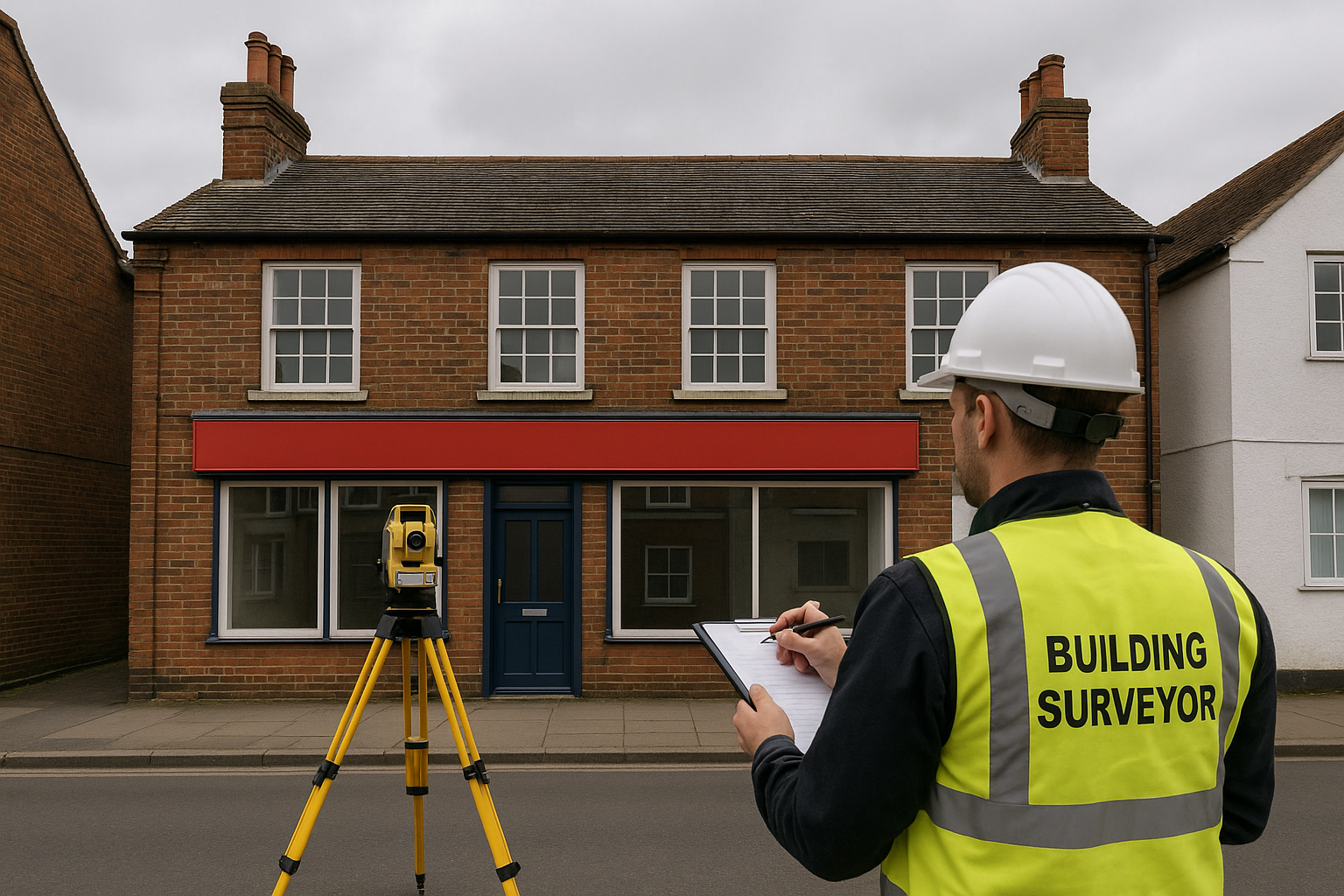
Before anyone touches the roof, the work area, access method, waste route and emergency arrangements should all be considered. If any part of that is unclear, stop and get competent advice.
Key precautions to take
- do not drill, saw, sand or snap the sheets
- do not use pressure washers or abrasive cleaning methods
- keep tenants, neighbours, staff, children and pets away from the area
- move vehicles, tools and stored items out of the work zone
- plan safe access and fall prevention measures
- use suitable PPE and RPE where required
- keep sheets damp where appropriate, but do not soak or jet wash them
- remove sheets whole where possible
- have wrapping and waste arrangements ready before removal begins
- never dry sweep asbestos debris
One of the biggest risks is not just asbestos exposure. Garage and shed roofs are often fragile, and people can fall through them if they assume the sheets will take their weight. They will not.
If the roof is unsafe to access, asbestos roof removal should be left to a contractor with the right equipment, edge protection and method of work.
Can you remove an asbestos garage roof yourself?
This is where many property owners receive mixed messages. In some situations, certain work on asbestos cement may be legally non-licensed. That does not automatically mean DIY asbestos roof removal is sensible, safe or cost-effective.
There is a big difference between what may be legally possible in a narrow sense and what can be done without avoidable risk. Once access is poor, sheets are damaged, the structure is unstable or disposal is uncertain, DIY quickly becomes a false economy.
DIY removal is a bad idea when:
- the sheets are cracked, crumbling or already broken
- the roof is high, fragile or awkward to reach
- the garage is attached to a house or another building
- you are not certain the material is asbestos cement
- you do not have suitable PPE, RPE and packaging
- you have no confirmed disposal route
- shared access, neighbours or public areas are close by
- the work forms part of commercial or communal property maintenance
People often focus only on getting the sheets off the roof. The harder part is everything around it: identifying the material correctly, avoiding breakage, lowering sheets safely, handling debris, packaging waste and preventing contamination of vehicles, clothing and surrounding areas.
If there is any doubt, get professional support first. Independent asbestos testing is far cheaper than dealing with a contaminated site or a failed removal attempt.
What a professional asbestos roof removal job should include
When clients ask about asbestos roof removal, they often picture the visible part only: taking the old sheets off. A proper job is broader than that.
Knowing what should be included helps you compare quotations properly. A low headline price can look attractive until you realise it excludes waste transport, access equipment, cleaning or reinstatement.
Typical stages of the work
- Initial assessment – the contractor reviews the roof type, condition, access, structure and surrounding risks.
- Survey or sampling – where needed, asbestos is confirmed and any related materials are identified.
- Plan of work – the removal method, controls, equipment and waste route are set out.
- Site set-up – barriers, signage, access equipment and exclusion zones are put in place.
- Controlled sheet removal – fixings are handled carefully and sheets are removed whole where possible.
- Packaging and loading – asbestos waste is wrapped, labelled and prepared for transport.
- Cleaning the area – debris is dealt with using suitable methods without dry brushing or uncontrolled spread.
- Waste transfer and disposal – the waste is taken to an authorised facility.
- Reinstatement – if included, a new non-asbestos roof is installed.
What reinstatement may cover
- removal of old roof sheets and ridge pieces
- inspection of the roof frame
- replacement of damaged battens, purlins or fixings where agreed
- supply and installation of new non-asbestos roof sheets
- new flashings, trims and ridge components
- making the structure weatherproof again
Always check whether reinstatement is included in the quotation. If it is not, ask for a separate line item so you can compare like for like.
Do not forget debris inside the building
If the roof has been leaking, cracking or shedding fragments for some time, debris may be present on the floor, shelving or stored items. Ask whether the quotation includes internal debris clean-up, removal of contaminated contents or only the roof sheets themselves.
Small wording differences can make a large difference to the final bill.
What affects asbestos roof removal cost?
There is no single fixed price for asbestos roof removal because costs depend on the material, access and scope of works. A small detached garage with intact corrugated sheets is a very different job from a damaged roof on a larger commercial outbuilding with restricted access and internal contamination.
If you want a realistic quotation, expect the contractor to ask detailed questions. That is a good sign, not a complication.
Main factors that influence cost
- Roof size – more sheets usually mean more labour, packaging and waste charges.
- Condition – fragile or broken sheets take longer to remove safely.
- Access – limited access, height restrictions or nearby structures can increase labour and equipment needs.
- Type of building – attached garages, communal blocks and commercial premises often involve extra controls.
- Waste volume – more waste means higher transport and disposal costs.
- Need for surveys or sampling – if asbestos has not yet been confirmed, testing may be needed first.
- Internal contamination – debris inside the building can add clean-up work.
- Reinstatement – fitting a new roof is usually a separate cost unless included.
Be cautious with quotations that seem unusually cheap. Ask whether the price includes access equipment, waste packaging, transport, disposal documentation and cleaning. If it does not, the final figure may rise quickly once work starts.
How asbestos roof waste should be handled and disposed of
Waste disposal is one of the most misunderstood parts of asbestos roof removal. Asbestos cement sheets are not ordinary construction waste, and they cannot simply go in a skip with general rubble.
Once removed, the sheets and any contaminated debris need to be packaged, labelled, transported and disposed of through the correct route. The exact disposal method depends on the material and the nature of the work, but the principle is simple: asbestos waste must be controlled from removal to final disposal.
Good practice for asbestos waste handling
- remove sheets whole where possible to reduce breakage
- wrap or contain waste appropriately before transport
- label waste correctly
- keep waste secure during loading and movement
- use an authorised disposal route
- retain the relevant paperwork for your records
If you are arranging works for a commercial property, ask for clear confirmation of how waste will be handled and what documentation you will receive afterwards. For landlords and managing agents, this paperwork matters if there are later queries from tenants, insurers or buyers.
Never assume a general builder or roofer has the correct arrangements in place. Ask directly before work begins.
Choosing the right contractor for asbestos roof removal
The cheapest quote is rarely the safest choice. For asbestos roof removal, you need a contractor who understands asbestos cement, working at height, waste control and the practical realities of keeping the site safe.
Ask sensible questions before appointing anyone. A competent contractor should be able to explain the job clearly without being vague or dismissive.
Questions worth asking
- Has the material been confirmed by survey or sampling?
- What type of removal work is proposed?
- How will the sheets be accessed and lowered safely?
- How will nearby people and areas be protected?
- Is waste packaging, transport and disposal included?
- Will internal debris be cleaned if present?
- Is reinstatement included or separate?
- What records will be provided after the work?
If the answers are unclear, keep looking. Good contractors do not guess, and they do not treat asbestos as just another roofing material.
Practical steps to take before you request a quote
You can speed up the process and get more accurate pricing by gathering a few details before calling. This helps the surveyor or contractor understand the likely scope of the job from the start.
- Take clear photos of the roof from a safe distance.
- Note whether the structure is detached or attached.
- Estimate the roof size if you can do so safely.
- Record any visible damage, leaks or fallen debris.
- Check whether access is restricted by fences, neighbouring buildings or parked vehicles.
- Find any previous survey or testing records.
- Decide whether you want removal only or full replacement.
Do not climb onto the roof or disturb the sheets to gather this information. Photos from ground level are usually enough for an initial discussion.
Frequently Asked Questions
Is asbestos roof removal always necessary?
No. If an asbestos cement roof is in good condition and unlikely to be disturbed, management in place may be appropriate for a period of time. Removal is usually the better option when the roof is damaged, deteriorating, leaking or due to be replaced as part of wider works.
Can I remove an asbestos garage roof myself?
Some limited work on asbestos cement may be non-licensed, but that does not make DIY removal a good idea. If the roof is fragile, damaged, hard to access or close to other people and property, professional removal is the safer and more practical option.
Do I need a survey before asbestos roof removal?
In many cases, yes. A survey or sampling confirms what material is present and helps plan the work properly. For non-domestic premises and intrusive works, the correct survey type is especially important for compliance and safe project planning.
Can asbestos roof sheets go in a normal skip?
No. Asbestos waste needs to be handled, packaged and disposed of through the correct authorised route. It should never be mixed with general building waste or disposed of as ordinary rubbish.
What is the biggest mistake people make with asbestos roof removal?
The most common mistake is treating it like standard roofing work. Breaking sheets, pressure washing, poor access planning and unclear waste arrangements all increase risk and can create avoidable costs.
If you are planning asbestos roof removal, start with clear information rather than guesswork. Supernova Asbestos Surveys can help with surveys, sampling and practical advice before work begins, whether you are managing a garage, shed, commercial unit or larger property portfolio. Call 020 4586 0680 or visit asbestos-surveys.org.uk to arrange expert support nationwide.