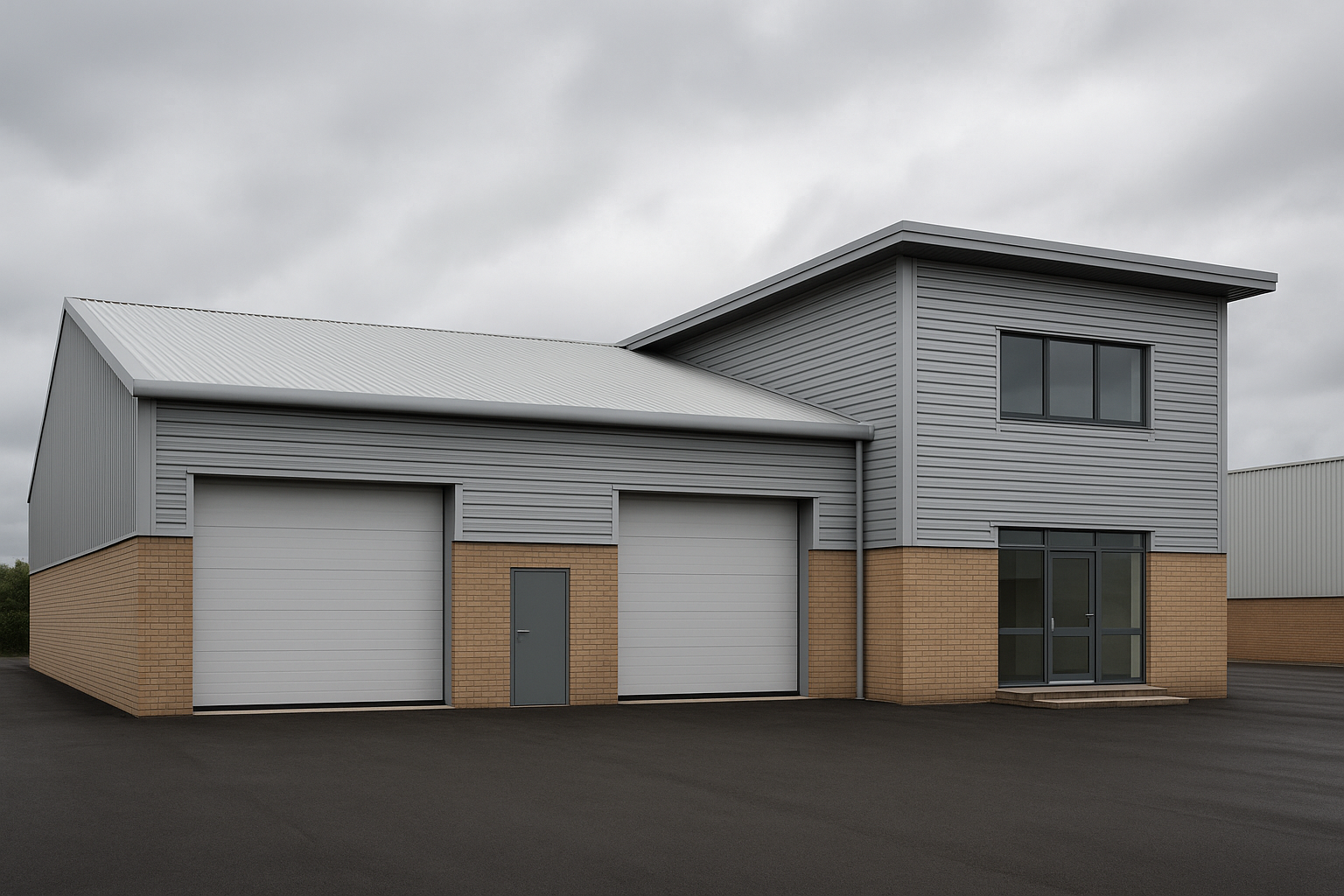
A leaking garage or ageing outbuilding roof can sit in the background for years, then suddenly become urgent when a buyer raises questions, a contractor refuses to work nearby, or the sheets start cracking. At that point, asbestos roof removal is no longer a vague concern. It becomes a practical job that needs the right survey, the right controls and a clear plan.
Across the UK, many garages, sheds, workshops and agricultural buildings still have corrugated asbestos cement roofs. Some can remain in place for a time if they are in sound condition and unlikely to be disturbed. But once damage, refurbishment, demolition or replacement works enter the picture, asbestos roof removal is often the safest and most sensible route.
If you own property, manage maintenance, oversee contractors or are preparing a site for redevelopment, the first step is simple: confirm what the roof is made from and what condition it is in. Guesswork around asbestos leads to delays, avoidable cost and unnecessary exposure risk.
When asbestos roof removal is the right option
Not every asbestos cement roof has to be removed immediately. If the material is stable, sealed by age rather than actively breaking down, and unlikely to be disturbed, ongoing management may be possible.
That position changes when the roof is deteriorating or when planned works will disturb it. In those situations, asbestos roof removal is usually the practical answer because cracked, drilled, cut or badly handled sheets can release fibres.
Common reasons for asbestos roof removal include:
- Visible cracks, chips or broken corners
- Leaks and failed fixings
- Heavy weathering, moss growth or surface erosion
- Planned roof replacement
- Refurbishment or strip-out works
- Demolition of the structure
- Concerns raised during a sale, lease or contractor visit
- Liability concerns for tenants, staff or visitors
For non-domestic premises, dutyholders must manage asbestos under the Control of Asbestos Regulations. That means identifying asbestos-containing materials, assessing risk and preventing exposure. HSE guidance and HSG264 make clear that the correct survey type depends on the work being planned.
For domestic garages and sheds, the legal duties differ, but the health risk does not disappear. If a roof may contain asbestos, it should be identified before anyone starts repair, cleaning or replacement work.
How to tell if a roof might contain asbestos
You cannot confirm asbestos by sight alone. Many non-asbestos fibre cement sheets look almost identical once they have aged and discoloured.
That said, some roofs are clearly suspicious and should be treated carefully until tested. Older corrugated sheets on garages, sheds and workshops are a common example.
Typical signs of an asbestos cement roof
Asbestos cement roof sheets are often:
- Corrugated in profile
- Grey, off-white or weathered in appearance
- Used on garages, sheds, farm buildings and workshops
- Fixed with hook bolts or other fixings through the sheet
- More brittle around edges, laps and fixing points as they age
Other asbestos-containing materials may also be present around the same structure, including:
- Wall panels
- Soffits
- Rainwater goods
- Flues
- Internal lining boards
- Bitumen or cement products associated with the roof
Why visual checks are not enough
A visual inspection can only tell you that a material is suspicious. It cannot confirm asbestos content. Before asbestos roof removal is planned, the material should be identified through sampling or a suitable asbestos survey.
If the building is occupied and the aim is to locate and assess accessible asbestos-containing materials during normal use, a management survey is often the right starting point.
If the building is going to be stripped out or taken down, a demolition survey is usually required. This is a more intrusive survey designed to locate asbestos in all areas affected by the works, in line with HSG264 and HSE guidance.
Where asbestos has already been identified and left in place, a re-inspection survey helps track its condition and decide whether management is still suitable or whether asbestos roof removal should now be arranged.
Testing before asbestos roof removal
Testing gives you evidence, not assumptions. That matters because one roof may look straightforward but still involve more than one asbestos-containing material.
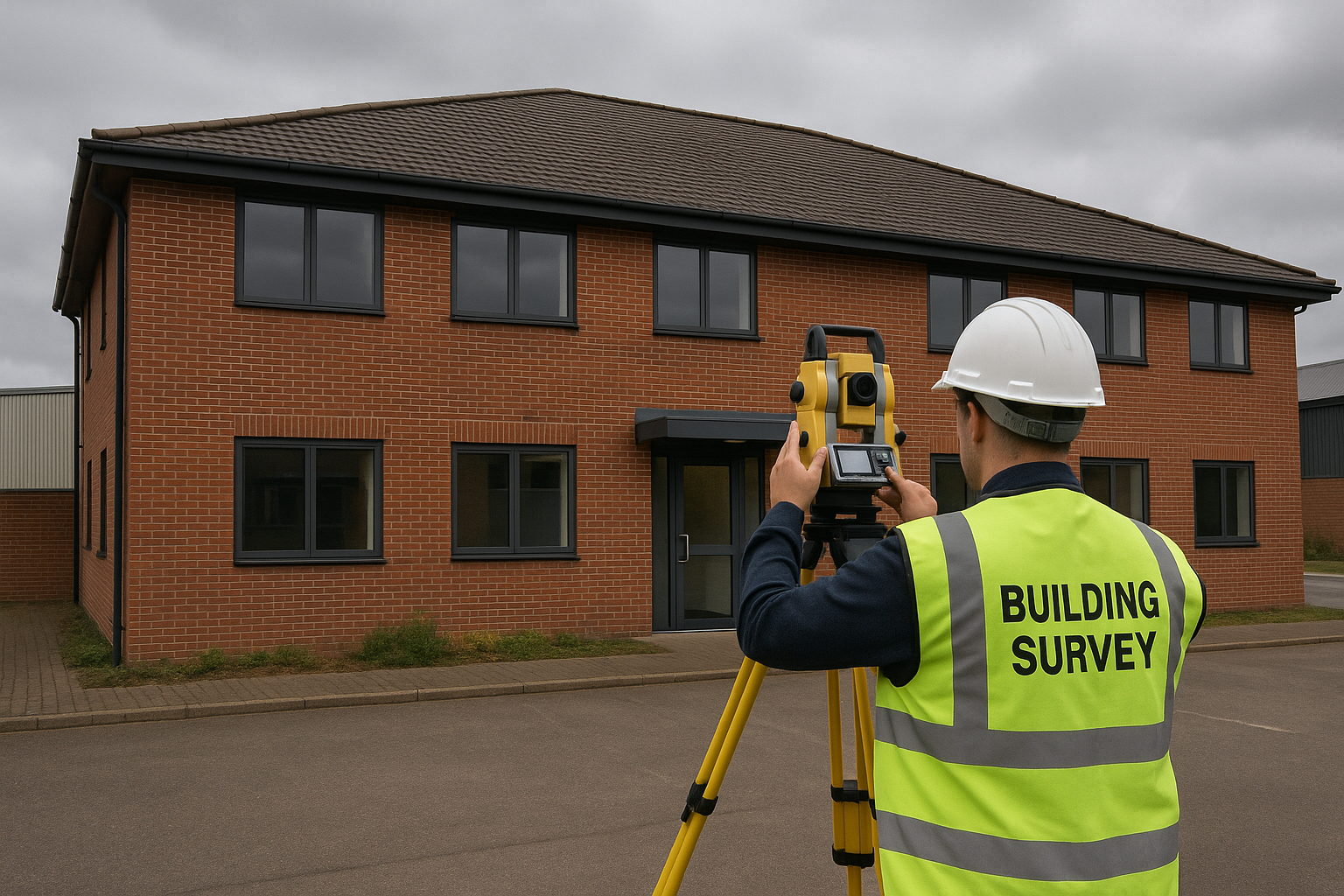
Professional asbestos testing is often the quickest way to confirm whether roof sheets contain asbestos. Once you know what is present, you can make a sensible decision about management, repair or asbestos roof removal.
For some low-risk situations, a postal testing kit may be suitable. But this only makes sense if a sample can be taken safely without breaking the sheet, working at height unsafely or creating dust.
If the roof is fragile, cracked, difficult to access or already deteriorating, do not attempt to sample it yourself. Bring in a trained surveyor instead.
If you need local support, Supernova can help through our asbestos survey London service, as well as our asbestos survey Manchester and asbestos survey Birmingham pages.
Where you simply need laboratory confirmation or advice on sampling routes, you can also arrange asbestos testing through Supernova.
Key safety points before any removal work starts
Good preparation makes asbestos roof removal safer, quicker and easier to control. Asbestos cement is lower risk than friable asbestos materials, but it can still release fibres if broken, drilled, cut, sanded or dropped.
The goal is always the same: identify the material properly, remove sheets whole where possible and prevent debris spreading around the site.
1. Confirm the material first
Do not rely on age, appearance or hearsay. Test or survey the roof before work begins. This avoids the common problem of starting a roof job only to discover additional asbestos in panels, soffits or adjacent materials.
2. Assess the work at height risk
Many garage and shed roofs are fragile. Falls from height are a serious hazard during asbestos roof removal, and sheets can fail underfoot without warning.
Before work starts, assess:
- How access will be gained safely
- Whether platforms or other access equipment are needed
- Whether the structure is stable enough for the planned method
- How sheets will be supported and lowered
- Whether nearby paths, gardens, vehicles or neighbouring land could be affected
3. Set up an exclusion zone
Keep tenants, neighbours, staff, visitors and contractors away from the work area. Use barriers and warning signs so the removal zone is clearly controlled.
If the roof is attached to a house, office or occupied unit, think about doors, windows, ventilation points and stored items nearby. These may need to be closed off, moved or protected before work starts.
4. Avoid anything that breaks the sheets
Breaking asbestos cement creates more debris and increases the chance of fibre release. During asbestos roof removal, sheets should be removed intact wherever possible.
You should never:
- Snap sheets to make them easier to carry
- Use power tools that cut or abrade the material
- Drop sheets to the ground
- Dry sweep debris
- Mix asbestos waste with general building waste
5. Plan waste handling before removal begins
Asbestos waste cannot be treated like ordinary construction waste. It must be packaged, labelled, transported and disposed of correctly.
Before asbestos roof removal starts, make sure there is a plan for:
- Wrapping or bagging waste appropriately
- Temporary on-site storage
- Transport by a suitable carrier
- Disposal at an authorised facility
- Keeping the relevant paperwork
Can you remove an asbestos garage roof yourself?
This is one of the most common questions about asbestos roof removal. The honest answer is that some asbestos cement work may fall within non-licensed work, but that does not make it a sensible DIY task.
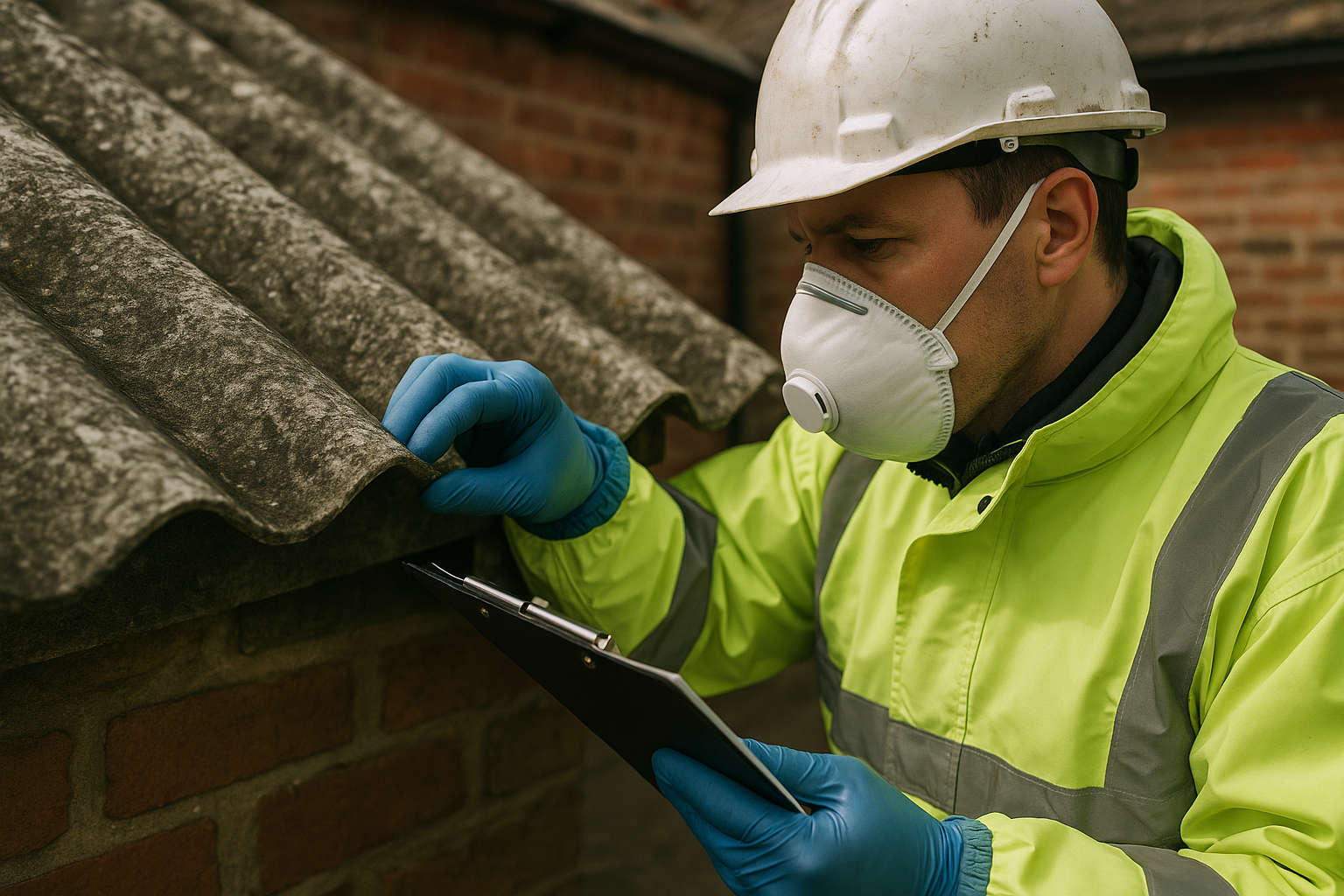
The real issue is competence. It is not just about whether someone can undo a fixing. It is about whether they can do the job without breaking sheets, exposing others, contaminating the site or mishandling the waste.
Why DIY asbestos roof removal often goes wrong
Garage and shed roofs can look simple from the ground, but problems appear quickly once work begins.
- The roof may be fragile and unsafe to stand on
- Fixings may be rusted and difficult to release cleanly
- Sheets may crack while being lifted or lowered
- Debris may fall into gardens, gutters or neighbouring land
- Waste packaging may be done incorrectly
- Transport and disposal may not be compliant
One poor decision, such as cutting a bolt with the wrong tool or dragging a sheet across concrete, can turn a manageable job into a contamination issue.
When DIY is a bad idea
Do not attempt asbestos roof removal yourself if:
- The sheets are cracked, delaminated or heavily weathered
- The roof is large or awkward to access
- The structure is unstable
- Other asbestos materials may be present
- You do not have a proper waste route arranged
- The property is commercial or managed on behalf of others
- Tenants, contractors or members of the public could be affected
For most property owners and managers, using a competent specialist for asbestos removal is the safest and most practical route. It reduces the chance of exposure and gives you a clear record of what has been done.
What a professional asbestos roof removal project usually includes
People often assume asbestos roof removal simply means taking sheets down and loading them away. A proper job is wider than that.
The exact scope depends on the structure, condition of the roof and whether replacement works are also planned, but a professional project usually includes the following stages.
1. Inspection and scope confirmation
The first stage is confirming what materials are present. On older garages and sheds, this may include more than just the roof sheets.
A proper inspection helps identify whether there are asbestos wall panels, soffits, flashings, gutters or internal boards that could affect the work.
2. Risk assessment and plan of work
A competent contractor should prepare a task-specific plan. This should cover access, handling methods, control measures, personal protective equipment, waste packaging and what happens if material breaks unexpectedly.
For commercial property managers, this stage is especially useful because it supports your wider compliance record under the Control of Asbestos Regulations.
3. Site set-up and segregation
Before asbestos roof removal begins, the work area should be secured. This can include:
- Barrier tape or temporary fencing
- Warning signage
- Controlled access points
- Protection for nearby surfaces or stored items
- A designated area for wrapped waste
4. Careful removal of the sheets
Fixings are released as carefully as possible. The preferred method is to remove each sheet whole rather than break it into smaller pieces.
Depending on the roof type, this may involve lifting hooks, undoing bolts and supporting each sheet as it is lowered. Good handling matters more than speed.
5. Wrapping, labelling and securing waste
Once removed, sheets should be lowered in a controlled way. They should never be thrown, dropped or dragged.
The waste is then wrapped or packaged appropriately, labelled as asbestos waste and prepared for transport.
6. Cleaning the immediate area
Any visible debris should be cleaned using suitable methods. Dry brushing and uncontrolled sweeping are not acceptable.
The aim is to leave the area visibly clean and free from fragments before reinstatement starts.
7. Transport and disposal
Asbestos waste must be taken to a facility authorised to receive it. The contractor should retain the relevant documentation so there is a clear disposal record.
8. Reinstatement planning
Removal is only one part of the job. Many owners also need a replacement roof, repairs to the supporting structure or follow-on works by other trades.
It helps to plan the sequence in advance so the building is not left exposed longer than necessary.
How to manage costs, delays and disruption
Asbestos roof removal becomes more expensive and disruptive when decisions are left too late. If you suspect asbestos, act early rather than waiting for a leak, sale or contractor issue to force the job.
A few practical steps can save time and reduce problems.
- Identify the roof before tendering other works. Do not ask roofers or demolition contractors to price around assumptions.
- Check whether other asbestos materials are present. A garage may contain more than roof sheets.
- Plan access and waste routes early. Narrow drives, shared yards and occupied sites need more coordination.
- Tell affected parties in advance. Tenants, neighbours and site staff should know when work is happening.
- Keep records. Surveys, test results, plans of work and waste paperwork all matter.
If you manage multiple properties, keep an asbestos register and review it before maintenance starts. Small outbuildings are often overlooked until a contractor arrives on site and refuses to proceed.
Common mistakes to avoid with asbestos roofs
Most asbestos roof problems are made worse by rushed decisions. The material may have sat undisturbed for years, then become hazardous because someone tried to clean, repair or remove it without a proper plan.
Avoid these common mistakes:
- Assuming a corrugated roof does not contain asbestos because it looks newer than the building
- Pressure washing or aggressively cleaning old cement sheets
- Drilling new fixings through suspicious materials
- Starting refurbishment before the correct survey has been done
- Letting general waste contractors remove asbestos materials without proper controls
- Ignoring associated materials such as soffits, wall panels or flues
- Failing to keep disposal paperwork
If you are unsure, stop work and get advice before disturbing the material further. That is always cheaper than dealing with contamination after the event.
Practical advice for property managers and owners
If you are responsible for a site with an older garage, shed or workshop, treat the roof as a live maintenance issue rather than a future problem. A quick review now can prevent disruption later.
Use this simple checklist:
- Inspect the roof from a safe distance for cracks, slipped sheets and failed fixings
- Check whether any planned maintenance could disturb the material
- Arrange testing or a survey if the roof has not been confirmed
- Review whether the structure is occupied, attached to other buildings or near public areas
- Decide whether management is still realistic or whether asbestos roof removal is now the better option
For commercial premises, make sure your asbestos information is available to anyone who may disturb the material. That includes maintenance staff, roofers, electricians and demolition contractors.
Why the right survey matters before refurbishment or demolition
One of the biggest causes of asbestos-related delay is using the wrong survey for the work planned. A management survey is not a substitute for an intrusive survey when a structure is being stripped out or demolished.
If a garage or outbuilding is due to come down, the asbestos information must reflect that scope. The survey should identify materials in all areas affected by the works so contractors are not exposed to hidden asbestos halfway through the project.
That is why HSG264 places so much emphasis on matching the survey type to the task. If the planned work changes, the asbestos strategy may need to change with it.
Choosing competent help for asbestos roof removal
Not every contractor is the right fit for asbestos roof removal. Competence matters more than a low quote.
When speaking to a specialist, ask practical questions:
- Have they confirmed whether the roof is asbestos cement or another material?
- What removal method will they use to keep sheets intact?
- How will they control work at height risks?
- How will waste be wrapped, transported and disposed of?
- Will you receive the relevant records afterwards?
Clear answers at the start usually indicate a better-managed job. Vague answers are a warning sign.
Need help with asbestos roof removal?
If you suspect an old garage, shed or workshop roof may contain asbestos, do not leave it to chance. Supernova Asbestos Surveys can help with testing, surveys and advice on the safest next step, whether that means management or asbestos roof removal.
Call 020 4586 0680 to speak to our team, or visit asbestos-surveys.org.uk to arrange a survey, testing or removal support anywhere in the UK.
Frequently Asked Questions
How do I know if my garage roof contains asbestos?
You cannot confirm asbestos just by looking. Older corrugated cement sheets are often suspicious, but the only reliable way to know is through sampling or an asbestos survey.
Is asbestos roof removal always necessary?
No. If asbestos cement is in good condition and unlikely to be disturbed, management may be possible for a period of time. If it is damaged, deteriorating or due to be disturbed by works, removal is often the safer option.
Can I remove an asbestos roof myself?
Some asbestos cement work may fall within non-licensed work, but that does not make it suitable for DIY. If the roof is fragile, damaged, difficult to access or part of a commercial property, specialist help is strongly recommended.
What survey do I need before removing or demolishing a structure with an asbestos roof?
If the building is occupied and you need to assess accessible materials during normal use, a management survey may be appropriate. If the structure is being demolished, a demolition survey is usually required so asbestos can be identified in all affected areas.
What happens to the waste after asbestos roof removal?
Asbestos waste must be packaged, labelled, transported and disposed of correctly at an authorised facility. You should keep the relevant paperwork as part of your records.