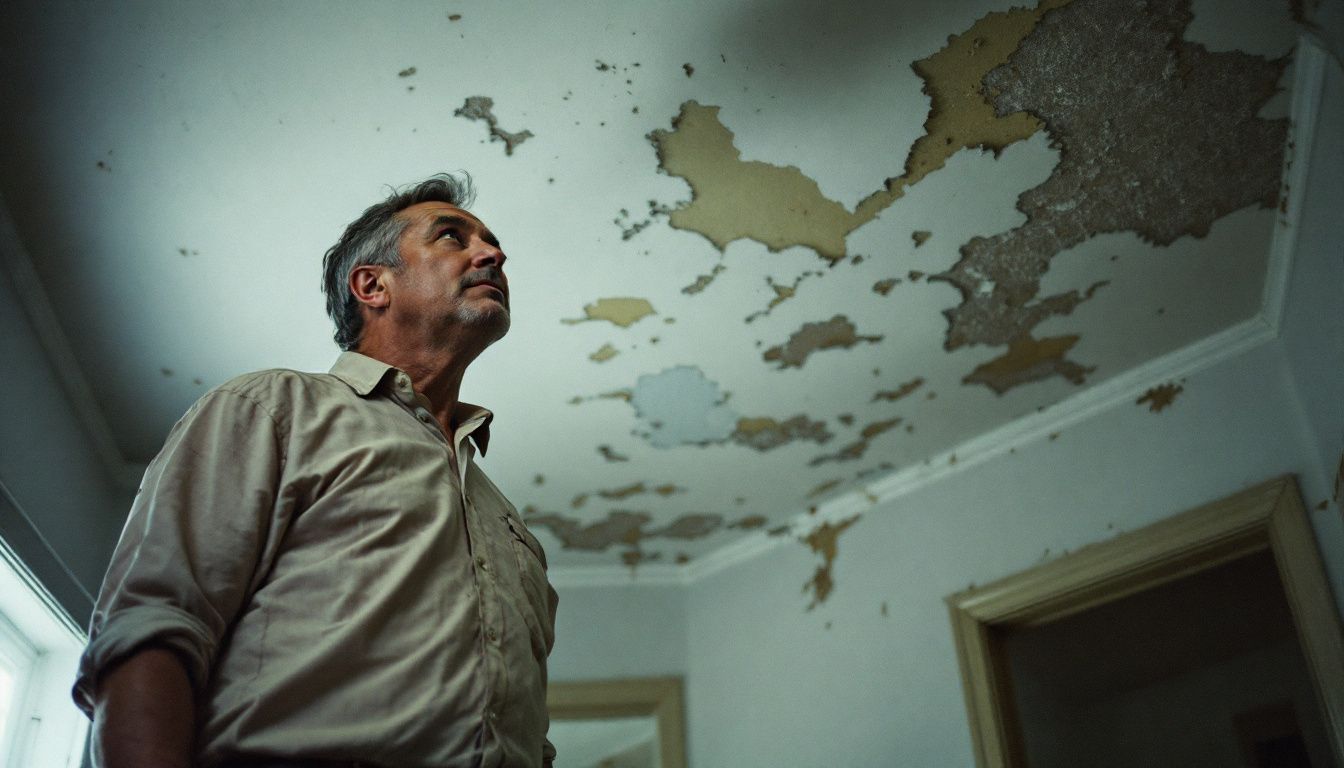
Can You Sue Your Landlord for Asbestos Exposure?
If you’ve been exposed to asbestos in a rented property, you’re probably asking one very direct question: can you sue your landlord for asbestos? The answer is yes — and UK law is firmly on your side. Landlords carry clear legal duties to identify, manage, and disclose asbestos risks, and where those duties are ignored or mishandled, tenants have genuine legal routes to pursue compensation.
This post sets out exactly what those rights are, what landlords are legally required to do, where asbestos is typically found in rented properties, and what practical steps you should take if you believe you’ve been put at risk.
What UK Law Says About Landlords and Asbestos
The Control of Asbestos Regulations places a legal duty on those who own or manage non-domestic buildings — including the communal areas of residential properties such as hallways, stairwells, and boiler rooms — to identify, manage, and monitor asbestos-containing materials (ACMs). This obligation is known as the “duty to manage.”
For residential landlords, the responsibilities go further still. Landlords must not expose tenants to foreseeable health risks, and asbestos in a deteriorating or damaged state is precisely that kind of risk. The Health and Safety at Work Act and the Defective Premises Act both provide legal frameworks under which tenants can hold landlords accountable.
HSE guidance — specifically HSG264 — sets out the practical standards for asbestos surveying and management. Where a landlord has failed to commission an appropriate survey, failed to act on known risks, or failed to inform tenants about the presence of ACMs, they may be in breach of their legal obligations. That breach has consequences.
Can You Sue Your Landlord for Asbestos? The Legal Grounds
Yes — tenants can sue a landlord for asbestos exposure, but the strength of any claim depends on several factors. Courts will typically look at whether the landlord knew or ought to have known about the asbestos, whether they failed to take reasonable steps to manage or disclose the risk, and whether that failure caused or contributed to harm.
Negligence Claims
A negligence claim requires you to demonstrate three things: your landlord owed you a duty of care, they breached that duty, and the breach caused you measurable harm. In asbestos cases, that harm is often a serious illness — mesothelioma, asbestosis, or asbestos-related lung cancer — conditions that can take 20 to 40 years to develop after exposure.
Because of this long latency period, negligence claims can be brought even decades after the original exposure. Specialist personal injury solicitors handle these cases regularly across the UK, and many operate on a no-win no-fee basis.
Breach of Statutory Duty
If a landlord has breached specific statutory duties — for example, by failing to comply with the Control of Asbestos Regulations in a property with communal areas — a tenant may have a direct claim for breach of statutory duty. This is a separate route from a general negligence claim and can be pursued alongside it.
Housing Disrepair Claims
Where asbestos materials have deteriorated due to a landlord’s failure to maintain the property, a housing disrepair claim may also be appropriate. If damaged asbestos was present, the landlord was aware, and they failed to act, this could form the basis of a disrepair claim under the Landlord and Tenant Act.
What Landlords Are Legally Required to Do
Understanding what a landlord should have done is central to any potential legal claim. These are the core obligations every landlord must meet:
- Commission an asbestos survey before any refurbishment or where ACMs are suspected in a property built before 2000
- Maintain an asbestos register recording the location, type, and condition of any ACMs found
- Produce a written asbestos management plan setting out how risks will be controlled
- Inform tenants, contractors, and emergency services about the presence and location of asbestos
- Monitor ACMs regularly and arrange professional reassessment if conditions change
- Arrange licensed removal where ACMs are in poor condition or where planned work could disturb them
If your landlord failed to carry out any of these steps and you were exposed to asbestos as a result, that failure is legally significant. It could form the foundation of a claim.
Where Asbestos Is Commonly Found in Rented Properties
Properties built before 2000 may contain asbestos in a wide range of locations, many of which aren’t immediately obvious. Knowing where ACMs are commonly found helps tenants understand whether they may have been exposed.
- Textured ceiling coatings such as Artex
- Floor tiles and adhesive beneath vinyl flooring
- Pipe lagging and boiler insulation
- Ceiling tiles and partition boards
- Roof sheets and guttering, particularly in garages and outbuildings
- Insulation boards around fireplaces and storage heaters
- Soffit boards and external cladding panels
- Loose-fill loft insulation
- Fuse boxes and electrical panels with asbestos backing
Asbestos that is intact and undisturbed is generally considered low risk. The danger arises when materials are damaged, deteriorating, or disturbed — for example, during renovation work or routine maintenance carried out without a proper survey in place.
Health Conditions That Can Support a Legal Claim
The diseases caused by asbestos exposure are severe and, in most cases, life-limiting. If you have been diagnosed with any of the following conditions and have a history of living in a property with poorly managed asbestos, you may have grounds to pursue a claim.
- Mesothelioma — a cancer of the lining of the lungs or abdomen, almost exclusively caused by asbestos exposure
- Asbestosis — scarring of the lung tissue caused by prolonged inhalation of asbestos fibres
- Asbestos-related lung cancer — particularly where there is a documented history of exposure
- Pleural thickening — a non-malignant condition affecting the lining of the lungs that can cause significant breathing difficulties
Symptoms of these conditions can take decades to appear. A diagnosis today could relate to exposure that occurred 20 or 30 years ago — which is precisely why detailed records and professional surveys matter so much when building a legal case.
What to Do If You Think You’ve Been Exposed
If you believe you have been exposed to asbestos in a rented property, take the following steps as soon as possible.
- Seek medical advice — tell your GP about the potential exposure, even if you currently have no symptoms. Early documentation is valuable.
- Document everything — photograph any damaged or suspect materials and keep copies of all correspondence with your landlord.
- Request the asbestos register — tenants have a right to know whether asbestos is present in communal areas. Ask your landlord in writing and keep a record of their response.
- Report to the HSE or your local authority — if you believe a landlord is in breach of their duties, you can report this to the Health and Safety Executive or your local environmental health team.
- Consult a specialist solicitor — personal injury firms that specialise in asbestos disease can advise on the strength of any claim and whether a no-win no-fee arrangement is available.
- Commission an independent survey — if you’re concerned about the current condition of the property, a professional assessment can provide objective, documented evidence of any ACMs present and their condition.
Landlord Penalties for Failing to Manage Asbestos
Beyond civil claims brought by tenants, landlords who fail to manage asbestos face serious criminal penalties. Prosecutions under the Control of Asbestos Regulations can result in unlimited fines in the Crown Court, and custodial sentences are possible in the most serious cases.
The HSE actively investigates complaints and carries out inspections — particularly where a tenant or worker has been harmed. These penalties exist because the consequences of asbestos exposure are so severe. Landlords who cut corners on their legal duties are not simply making an administrative error — they are potentially condemning someone to a fatal illness decades down the line.
Asbestos Surveys: The Foundation of Any Legal or Compliance Case
The most effective way for a landlord to demonstrate compliance — and the most effective way for a tenant to establish whether their landlord met their obligations — is a professional asbestos survey conducted to HSG264 standards. There are three main survey types relevant to rented properties.
Management Survey
A management survey is the standard survey for properties in normal occupation. It identifies the location, extent, and condition of ACMs that could be disturbed during routine use and maintenance. The results feed directly into an asbestos management plan, which the landlord is legally required to maintain and act upon.
For most rented properties, this is the starting point. If your landlord has never commissioned one for a pre-2000 building, that omission is itself a serious failure.
Refurbishment Survey
A refurbishment survey is required before any significant building work takes place. It involves more intrusive inspection techniques to locate all ACMs that could be disturbed during the planned work. If your landlord arranged building work without first commissioning this type of survey and you were exposed to asbestos as a result, that failure is likely to be a key element of any legal claim.
Demolition Survey
Where a property is being fully or partially demolished, a demolition survey is legally required before work begins. This is the most thorough and intrusive survey type, designed to locate every ACM in the structure before it is broken up. Failure to carry one out is a serious breach of the regulations — and if exposure occurred as a result, it significantly strengthens a tenant’s legal position.
Asbestos Removal: When Management Isn’t Enough
Not every ACM needs to be removed immediately — in many cases, managing it in place is the appropriate course of action. But where materials are in poor condition, actively deteriorating, or about to be disturbed by planned work, asbestos removal carried out by a licensed contractor is the only responsible option.
A landlord who is aware of deteriorating ACMs and chooses to leave them without removal or encapsulation is making a decision that puts their tenants at risk. That decision — and the knowledge behind it — will be highly relevant in any subsequent legal proceedings.
Informing Tenants: A Legal Obligation, Not a Courtesy
Many landlords still treat tenant notification as optional. It is not. Where asbestos is present in communal areas or shared spaces, landlords are legally required to inform those who may be affected — including tenants, contractors, and emergency responders.
Tenants should be told:
- Whether asbestos is present in the property or communal areas
- Where the ACMs are located
- What condition they are in
- What precautions are in place
- Who to contact if they suspect damage or disturbance
If a landlord withheld this information and a tenant was subsequently harmed, that failure to disclose will be a significant factor in any legal proceedings. Silence is not a defence — it is evidence of negligence.
How Supernova Asbestos Surveys Can Help
Whether you are a tenant seeking independent evidence, a landlord wanting to get compliant, or a property manager needing to understand your obligations, Supernova Asbestos Surveys provides professional, accredited asbestos surveys across the UK.
If you need to book a survey, our team can arrange an assessment quickly and professionally, with results delivered in a clear, legally defensible format. With over 50,000 surveys completed nationwide, we understand what landlords need to stay compliant and what tenants need to protect themselves.
Our certified surveyors cover the length and breadth of the country. If you’re based in the capital, our asbestos survey London service covers residential, commercial, and mixed-use properties. In the North West, our asbestos survey Manchester team works with landlords, housing associations, and tenants alike. And across the Midlands, our asbestos survey Birmingham service covers everything from private rentals to large commercial blocks.
Call us on 020 4586 0680 or visit asbestos-surveys.org.uk to speak with our team about your situation.
Frequently Asked Questions
Can you sue your landlord for asbestos exposure even if you have no symptoms yet?
In some circumstances, yes. If you have evidence of exposure and can demonstrate that your landlord breached their legal duty of care, you may be able to take early legal steps even before symptoms develop. However, most personal injury claims require demonstrable harm. A specialist solicitor can advise on protective claims and the options available given the long latency period associated with asbestos-related diseases.
How long do I have to make a claim against my landlord for asbestos?
In most personal injury cases in England and Wales, you have three years from the date of diagnosis — not the date of exposure — to bring a claim. Because asbestos-related illnesses can take decades to develop, this three-year window typically runs from the point at which you became aware of your condition and its likely cause. Always consult a specialist solicitor as soon as possible, as time limits can be complex in asbestos cases.
Does asbestos have to be visibly damaged for a claim to succeed?
Not necessarily. While visible damage or deterioration strengthens a claim, exposure can occur during maintenance work or renovation where ACMs were disturbed without the tenant’s knowledge. If a landlord failed to commission the correct survey before work was carried out and fibres were released as a result, that failure can support a legal claim regardless of whether the asbestos appeared damaged beforehand.
Can I request to see my landlord’s asbestos register?
Yes. Where asbestos is present in communal areas of a residential property, landlords are legally required to make the asbestos register available to anyone who may be affected by it — including tenants, contractors, and emergency services. If your landlord refuses or claims no register exists for a pre-2000 building, that itself may indicate a failure to comply with the Control of Asbestos Regulations.
What if my landlord says the asbestos is safe and doesn’t need managing?
Asbestos that is in good condition and undisturbed does carry a lower risk, but that assessment must be made by a qualified professional — not simply asserted by a landlord. If no formal survey has been carried out, there is no credible basis for that claim. An independent management survey will give you an objective, documented picture of the actual risk, and if the landlord’s assurances turn out to be unfounded, that documentation becomes valuable evidence.