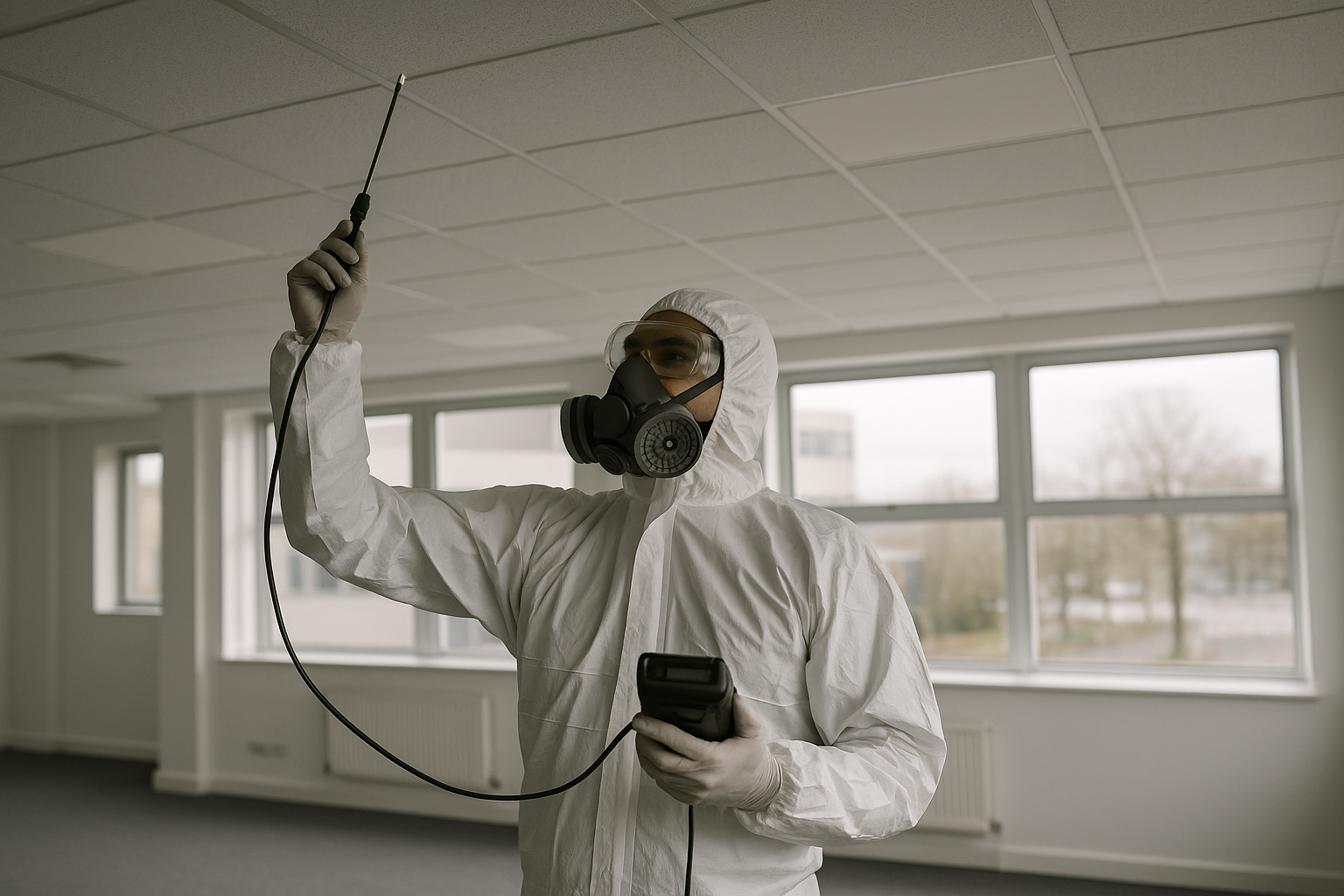
Property deals can stall fast when asbestos enters the conversation. Whether you are buying a Victorian warehouse, managing a block of flats, or refinancing a commercial unit, a professionally prepared asbestos report gives everyone involved the evidence they need to move forward with confidence. Without it, solicitors ask questions, lenders hesitate, and contractors refuse to start work. Get it right early, and the whole process runs far more smoothly.
Why an Asbestos Report Matters in Property Transactions
An asbestos report is not just paperwork for the file. It is a working document that identifies suspected or confirmed asbestos-containing materials (ACMs), assesses their condition, and explains the level of risk they pose. During a sale, purchase, lease, refinance or planned works, that information can affect valuation, negotiations, access arrangements, timescales and duty of care.
Lenders, solicitors, surveyors and contractors may all want clarity before a transaction progresses. If asbestos is known or suspected, none of them will simply take your word for it.
In practical terms, a thorough asbestos report helps you:
- Identify whether ACMs are present or presumed present
- Understand the condition and surface treatment of those materials
- Locate asbestos so it is not disturbed accidentally during works
- Decide whether management, encapsulation, repair or removal is appropriate
- Demonstrate that reasonable steps have been taken to manage risk
- Provide usable information to contractors, occupiers and other dutyholders
For commercial property, mixed-use sites and common parts of residential blocks, the need for reliable asbestos information is especially pressing. Anyone with responsibility for maintenance or repair needs enough detail to comply with their legal duties.
Is an Asbestos Report a Legal Requirement?
The answer depends on the property type, how the building is used, and what is happening at the site. There is no blanket rule requiring every property transaction to include an asbestos report — but there are clear legal duties around asbestos management and refurbishment work that make one essential in practice.
Under the Control of Asbestos Regulations, the duty to manage applies to non-domestic premises and the common parts of multi-occupied residential buildings. If you are the dutyholder, you must take reasonable steps to find out whether ACMs are present, assess the risk, and keep that information current.
That means an asbestos report is often a practical necessity, even where the sale contract itself does not explicitly demand one. A buyer, lender or solicitor may ask for evidence that asbestos risk has been identified and properly managed — and without a report, you have nothing to show them.
When an Asbestos Report Is Commonly Needed
- Sale or purchase of a commercial property
- Transfer or lease of industrial units, offices, shops or warehouses
- Acquisition of blocks with shared corridors, plant rooms or service risers
- Refinancing where the lender requires clarity on asbestos risk
- Planned refurbishment, strip-out or demolition works
- Ongoing compliance management for non-domestic premises
For a standard single private dwelling, there is no general legal duty to hold an asbestos report simply because the property is changing hands. Even so, if asbestos is suspected or renovation is planned, obtaining one is usually the sensible step. It reduces uncertainty and prevents accidental disturbance during works.
What UK Guidance Applies?
Survey work should align with HSG264, the HSE’s guidance document for asbestos surveys. This sets out how surveys should be planned, carried out and reported. Sampling and analysis should also follow relevant HSE guidance and be carried out by competent professionals. Where samples are analysed, using a UKAS-accredited laboratory is the expected standard for reliable results.
What Should an Asbestos Report Include?
A useful asbestos report needs more than a simple yes or no. It should give enough detail for someone managing the property, instructing contractors or progressing a transaction to act on the findings. A professionally prepared report will typically cover the following areas.
Property and Survey Details
This section confirms what was actually inspected. It should include the full property address, a description of the premises, the areas covered, any exclusions, the date of inspection, the survey type, and the surveyor’s name and competency details. If parts of the building were inaccessible, that limitation must be clearly stated — not buried in small print.
Findings on Suspected or Confirmed ACMs
The asbestos report should identify each suspected or confirmed ACM, usually with photographs and location references. It should describe the product type, extent, condition, surface treatment and accessibility. Common materials found in UK buildings include:
- Textured coatings (such as Artex)
- Vinyl floor tiles and bitumen adhesive
- Cement sheets, soffits or flues
- Insulating board panels
- Pipe lagging and boiler insulation
- Sprayed coatings on structural steelwork
- Gaskets, ropes and toilet cisterns
Sample Results
If samples were taken, the asbestos report should record where they came from and what the laboratory identified — whether that is chrysotile, amosite, crocidolite, another asbestos type, or no asbestos detected. Where sampling was not possible, the material may need to be presumed to contain asbestos until proven otherwise. That precaution is standard practice where access is limited or sampling would cause unnecessary damage.
Material and Priority Assessments
For management purposes, the asbestos report may include a material assessment and, where appropriate, a priority assessment. These help indicate the likelihood of fibre release and the risk posed by normal occupancy or maintenance activity. The score itself is not the whole story — you also need to consider location, planned works, and how likely the material is to be disturbed.
Recommendations and Next Steps
This is one of the most practical sections of any asbestos report. It should clearly explain what action is recommended, such as:
- Leave in place and manage with a written plan
- Label or protect the material to prevent accidental disturbance
- Repair minor damage where it is safe to do so
- Encapsulate to reduce fibre release risk
- Arrange licensed or non-licensed removal where appropriate
- Review the material before any maintenance or refurbishment work
- Update the asbestos register at the next scheduled re-inspection
A good report does not create panic. It explains proportionate action based on actual condition and risk — and it gives you a clear path forward.
Asbestos Register Information
For dutyholders managing non-domestic premises, the findings should feed directly into an asbestos register. This is a live record used to inform contractors, maintenance teams and anyone likely to disturb the fabric of the building. If asbestos remains in place, the register must be kept current — which is where periodic review becomes essential.
Which Type of Survey Produces an Asbestos Report?
Not every asbestos report comes from the same kind of survey. The right survey depends entirely on what you need the information for. Choosing the wrong type means the report may not be suitable for the transaction or project in front of you.
Management Survey
A management survey is the standard survey used to locate, as far as reasonably practicable, any ACMs that could be disturbed during normal occupation, maintenance or installation work. This type of asbestos report is typically appropriate for ongoing compliance in non-domestic premises or common parts of residential blocks. It does not involve intrusive inspection beyond what is necessary for the purpose.
Refurbishment Survey
If you are planning works that will disturb the fabric of the building, a refurbishment survey is usually required. This is more intrusive and is designed to locate asbestos in the specific areas where works will take place. A transaction involving planned redevelopment often depends on this level of detail. Without the right asbestos report, contractors may encounter hidden ACMs once ceilings, walls, risers or floor finishes are opened up.
Re-Inspection Survey
Where asbestos has already been identified and remains in place, a re-inspection survey confirms whether the condition has changed since the last assessment. This is particularly useful for landlords and property managers who need to demonstrate that asbestos information is being actively reviewed rather than left to gather dust.
How Asbestos Testing Supports the Report
Visual inspection alone cannot confirm every material. In many cases, sampling is needed to support an accurate asbestos report. Professional asbestos testing allows suspect materials to be analysed so decisions are based on evidence rather than assumption. That can make a significant difference during a transaction, especially where cost liability or work planning is being negotiated.
What Happens During Testing?
- A competent surveyor identifies suspect materials during the inspection
- Representative samples are collected using controlled methods to minimise disturbance
- Samples are sent to a UKAS-accredited laboratory for analysis
- The laboratory identifies the fibre type — or confirms none is present
- Results are incorporated into the final asbestos report
If you only need a specific material checked rather than a full building survey, standalone testing may be suitable. Some clients also use a postal testing kit for targeted, low-risk situations — but this does not replace a proper survey where building-wide information is required. For residential and commercial needs, Supernova also provides dedicated asbestos testing support tailored to the scope of your project.
What to Expect When You Arrange an Asbestos Report
If you have never booked a survey before, the process is straightforward when handled by a competent asbestos consultancy. The key is giving the surveyor enough information about the property, access arrangements and the intended use of the report.
Typical Process
- Initial enquiry: You explain the property type, age, location and reason for the asbestos report
- Scope agreed: The survey type is matched to your specific needs — management, refurbishment or re-inspection
- Site visit arranged: Access is booked and any restrictions are discussed in advance
- Inspection and sampling: The surveyor inspects relevant areas and takes samples where required
- Laboratory analysis: Samples are analysed by a UKAS-accredited laboratory
- Report issued: You receive the asbestos report with findings, risk information and clear recommendations
A clear brief at the outset saves time later. If the property is being sold, refinanced or renovated, say so upfront. That ensures the asbestos report is suitable for the actual decision you need to make — not just a generic document that raises more questions than it answers.
How Long Does It Take?
Timescales depend on property size, access and the number of samples required. In many cases the site visit can be arranged quickly, with the report issued within a few working days after inspection and analysis. If your transaction is time-sensitive, flag the deadline early — waiting until exchange or contractor mobilisation is asking for avoidable delays.
Practical Advice for Buyers, Sellers and Property Managers
An asbestos report is most useful when treated as an early-stage risk management tool rather than a last-minute problem. The sooner you know what is in the building, the more options you have — and the less leverage anyone else has over your timeline.
For Buyers
- Ask whether an existing asbestos report is available before you proceed
- Check the survey type and date — do not assume any report will do
- Review exclusions and inaccessible areas carefully
- Do not rely on a seller’s verbal assurance that asbestos is not present
- If works are planned post-purchase, ensure you have the correct refurbishment survey
For Sellers
- Gather existing asbestos records before marketing a commercial property
- Be transparent about known ACMs — concealing them creates legal risk
- Consider obtaining an updated asbestos report if existing records are outdated
- Provide supporting documents promptly to avoid delays in legal enquiries
For Landlords and Managing Agents
- Keep the asbestos register current and share it with contractors before any works begin
- Schedule re-inspections at appropriate intervals — do not let the record go stale
- Ensure new tenants and maintenance staff are aware of known ACMs
- Review your asbestos report before any planned refurbishment or change of use
Asbestos Surveys Across the UK
Supernova Asbestos Surveys operates nationally, with surveyors covering all major cities and regions. Whether you need an asbestos survey London for a commercial property in the City, an asbestos survey Manchester for an industrial unit, or an asbestos survey Birmingham ahead of a refurbishment project, the process is the same: a competent surveyor, a properly structured report, and findings you can act on.
With over 50,000 surveys completed nationwide, Supernova has the experience to handle properties of every type, age and complexity — from a single commercial unit to a large multi-site portfolio.
Frequently Asked Questions
What is an asbestos report and what does it contain?
An asbestos report is a formal document produced by a competent surveyor following an inspection of a building. It identifies suspected or confirmed asbestos-containing materials, records their location, condition and extent, includes any laboratory sample results, and provides recommendations for managing or removing the materials. It is used by property owners, dutyholders, contractors and solicitors to make informed decisions about a building.
Do I legally need an asbestos report to sell a property in the UK?
There is no universal legal requirement to provide an asbestos report when selling a residential property. However, for commercial property and the common parts of multi-occupied residential buildings, the duty to manage under the Control of Asbestos Regulations means an asbestos report is effectively required in practice. Buyers, lenders and solicitors will often request one regardless of property type, particularly for older buildings where asbestos use was common.
How long is an asbestos report valid for?
There is no fixed expiry date on an asbestos report, but the information within it can become outdated if the condition of materials changes, if works have been carried out, or if the building has been altered. For managed premises, re-inspection surveys are typically carried out at regular intervals — often annually or every few years depending on the risk level — to keep the report and register current. A report that is several years old may not satisfy a lender, solicitor or contractor.
What is the difference between a management survey and a refurbishment survey?
A management survey is designed for buildings in normal occupation. It locates ACMs that could be disturbed during routine maintenance and provides the information needed for ongoing asbestos management. A refurbishment survey is required before any work that will disturb the fabric of the building — such as demolition, strip-out or major renovation. It is more intrusive and focuses on the specific areas where works will take place. Using the wrong survey type can leave you with a report that does not meet the needs of your project or transaction.
Can I use a testing kit instead of a full asbestos report?
A postal testing kit can be useful for checking a specific material in a targeted, low-risk situation. However, it does not replace a full asbestos survey and report. A testing kit only tells you about the sample you send — it cannot give you a building-wide picture of where ACMs are located, their condition, or the risk they pose. For property transactions, compliance purposes or planned works, a professionally prepared asbestos report from a competent surveyor is the appropriate route.
Get Your Asbestos Report from Supernova
Supernova Asbestos Surveys has completed over 50,000 surveys across the UK. Our UKAS-accredited laboratory partnerships, experienced surveyors and clear reporting give you the asbestos report you need — one that is accurate, actionable and suitable for your specific situation.
Whether you are managing a commercial property portfolio, progressing a transaction, or planning refurbishment works, we can help you get the right information quickly. Call us on 020 4586 0680 or visit asbestos-surveys.org.uk to book your survey or discuss your requirements with our team.