Once asbestos is disturbed, the problem changes fast. Asbestos removal is not simply a case of taking material out and throwing it away. It is a controlled process involving identification, risk assessment, safe removal methods, hazardous waste handling, clearance and accurate records under the Control of Asbestos Regulations and relevant HSE guidance.
That matters whether you manage a block of flats, run a school estate, oversee a commercial portfolio or own a single property. Treating asbestos removal like ordinary strip-out work is where costly mistakes happen. The right approach depends on the type of asbestos-containing material, its condition, the likelihood of disturbance and whether the work is licensed, notifiable non-licensed or non-licensed.
If you do not yet have reliable asbestos information, start there. A suitable management survey gives you the evidence needed to decide whether the safer option is to manage the material in place or proceed with asbestos removal.
When asbestos removal is actually necessary
Not every asbestos-containing material needs to be removed. In many buildings, the correct decision is to leave asbestos in place, record it properly, label it where appropriate and monitor its condition.
Asbestos removal is usually considered when the material is damaged, deteriorating, likely to be disturbed during works, or already affected by poor maintenance, leaks or accidental impact. A damaged asbestos insulating board panel in a plant room presents a very different risk from an intact cement sheet on a little-used outbuilding.
Questions to ask before approving removal
- Is the material friable or easy to damage?
- Is it in an area used by staff, residents, contractors or visitors?
- Will planned maintenance, refurbishment or demolition disturb it?
- Can it be safely encapsulated instead of removed?
- Do you have survey evidence to support the decision?
If asbestos has already been identified and left in place, regular review is essential. A follow-up re-inspection survey helps confirm whether the material remains stable or whether asbestos removal has become the more sensible route.
How the asbestos removal process starts
The safest projects are organised well before anyone arrives on site. Good planning reduces disruption, protects occupants and avoids last-minute decisions that create unnecessary risk.
Before requesting a quote for asbestos removal, gather the information a competent contractor will need. That usually includes the survey report, site photographs where safe to obtain them, access restrictions, occupancy details and any programme deadlines.
What a proper quote should include
A professional quote should be specific. If it is vague, that is a warning sign.
- A clear description of the asbestos-containing materials to be removed
- The likely work category and whether notification is required
- Site set-up and enclosure details where relevant
- Waste packaging, transport and disposal arrangements
- Any independent analyst involvement or clearance requirements
- Expected timescales and access restrictions
Do not choose on price alone
Cheap asbestos removal can become expensive very quickly if the controls are poor, the programme slips or contamination spreads into occupied areas. Ask how the work will be supervised, what equipment will be used, how the area will be segregated and what documentation you will receive afterwards.
This is also the point to confirm practical issues such as service isolations, out-of-hours access, tenant communication and whether any part of the building needs to be vacated. Well-run asbestos removal is organised before the first warning sign goes up.
What happens during asbestos removal on site
Once the scope is agreed, the contractor should work to a written plan of work. That document sets out the method, control measures, decontamination arrangements, personal protective equipment, emergency procedures and waste route.
The controls used will depend on the material and the level of risk. Higher-risk materials need tighter containment and more rigorous site procedures.
Common controls used during asbestos removal
- Restricted access and warning signage
- Segregated work areas
- Polythene enclosures and airlocks
- Negative pressure units
- Controlled wet removal techniques
- Class H vacuum cleaning
- Decontamination arrangements for operatives
If you already know removal is needed, Supernova can help arrange asbestos removal support and guide you from survey evidence through to project records.
Working with textured coatings containing asbestos
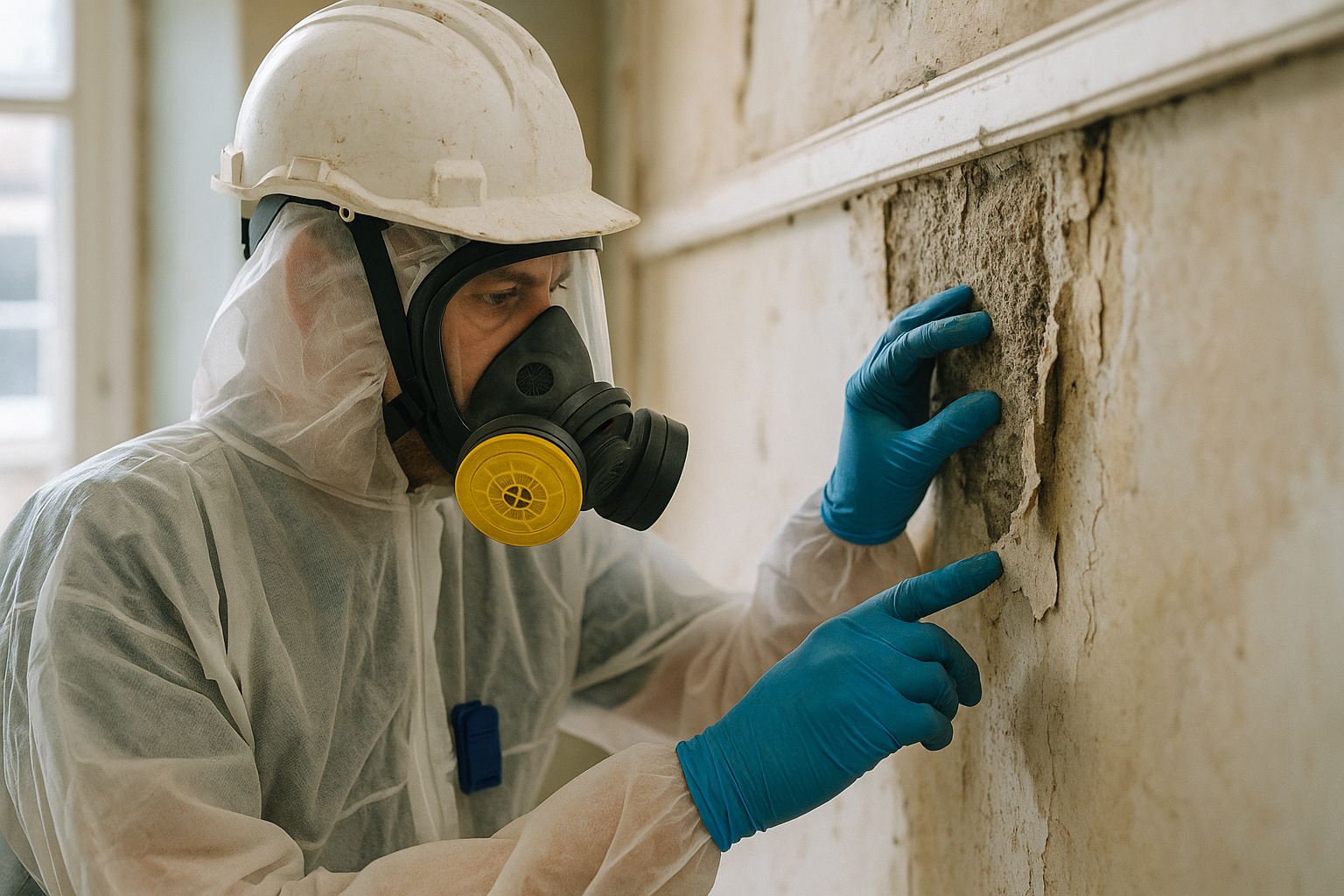
Textured coatings are often underestimated. Some work involving textured coatings that contain asbestos may fall within non-licensed work, but that does not make it casual or low standard work.
The task still needs a suitable assessment, trained operatives, the right controls and proper waste handling. Uncontrolled scraping, sanding or breaking up textured coatings can release fibres and contaminate surrounding rooms, corridors and ventilation routes.
What safe work with textured coatings looks like
Where asbestos removal involves textured coatings, contractors commonly use controlled wetting, gel-based products or steam-softening methods to reduce fibre release. The exact method depends on the substrate, the condition of the coating and the extent of the area.
Practical advice for property managers
- Do not allow decorators or general builders to disturb suspect textured coatings without asbestos information
- Check whether sampling has confirmed asbestos is present
- Make sure the removal method suits the substrate and task
- Keep occupants out of the work area until cleaning is complete
- Retain waste records and completion documents for your file
Even where the work is non-licensed, the duty to prevent exposure remains. That is the standard to focus on.
Equipment servicing and testing during asbestos removal
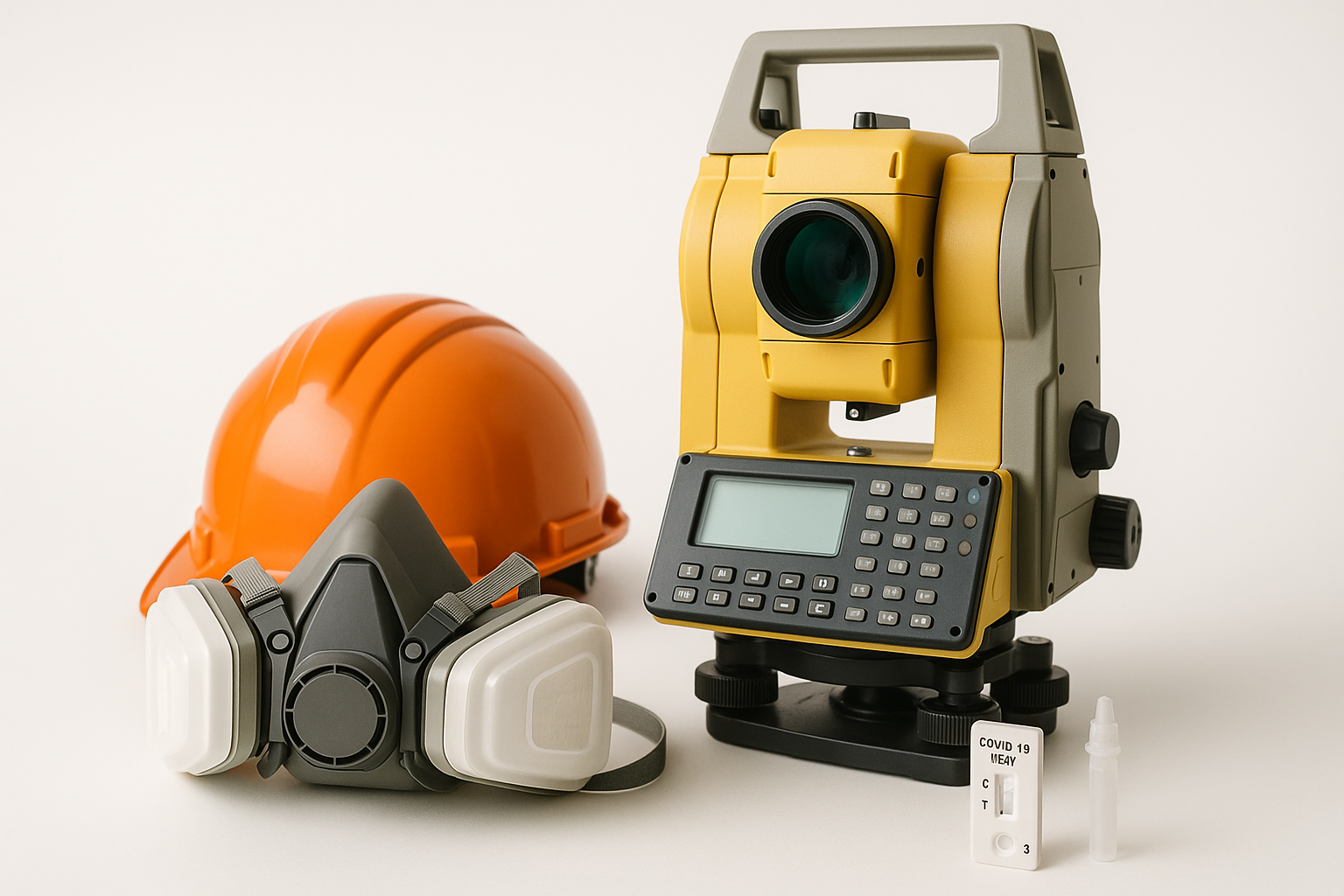
Reliable equipment is central to safe asbestos removal. A strong method statement means very little if the equipment on site has not been properly maintained, tested or checked before use.
Ask direct questions before work begins. A competent contractor should be able to explain what equipment will be used, how it is inspected and what maintenance records support it.
Equipment that should be properly maintained
- Negative pressure units used to maintain inward airflow in enclosures
- Class H vacuums for controlled cleaning of asbestos dust and debris
- Respiratory protective equipment suitable for the task
- Decontamination units and associated welfare equipment
- Air monitoring equipment used by analysts where required
Equipment servicing is one of the clearest signs of professionalism. If a contractor cannot answer basic questions about filter changes, checks or maintenance logs, pause the job and ask more.
What happens to asbestos once it is removed
Once removed, asbestos becomes hazardous waste. It cannot go into general skips, mixed demolition waste or ordinary refuse streams. This is one of the most misunderstood parts of asbestos removal, and it is where paperwork matters as much as the physical work itself.
Packaging and labelling
Asbestos waste is usually double-bagged or wrapped in suitable heavy-duty polythene, depending on the size and form of the material. The outer packaging must be sealed and labelled so the hazard is clear to anyone handling it.
Transport and disposal
The waste is then transferred by an authorised carrier to a facility permitted to accept asbestos waste. Consignment notes provide the audit trail from the property to the final disposal point.
As a client, ask for copies of the waste documentation. Keep them with your survey reports and completion records, especially if the property may later be sold, refinanced, refurbished or audited.
Why records matter after asbestos removal
If questions are raised months later, records are what protect you. They show what was removed, where it came from, who handled it and how it was disposed of.
Without that audit trail, you can struggle to prove that the asbestos removal was carried out properly.
What to do about fly-tipped waste that may contain asbestos
Fly-tipped waste creates a separate risk because you may not know exactly what has been dumped or whether asbestos is present. Broken cement sheets, insulation debris, old soffits, floor tiles and mixed rubble should never be handled casually if there is any suspicion.
Take these steps if you find suspected asbestos waste
- Keep people away from the area.
- Do not sweep, break, move or bag the material yourself.
- Photograph it from a safe distance if needed for records.
- Arrange professional assessment and, where necessary, sampling.
- Use a competent contractor for collection and disposal.
Trying to clear suspected asbestos with general maintenance staff can spread contamination far beyond the original location. If in doubt, isolate the area and get advice first.
Clearance, remediation and handover after asbestos removal
Removal is only part of the job. The area must then be cleaned, checked and, where required, cleared for normal use. Depending on the type of work, independent analytical involvement may be needed before the area is handed back.
The exact route depends on the material removed, the work category and the relevant HSE guidance applying to the project.
What remediation may involve
- Detailed cleaning with Class H vacuums and wet wiping
- Removal of contaminated debris from adjacent areas
- Visual inspection of the work zone and access routes
- Minor repairs or reinstatement once safe to proceed
- Updating the asbestos register and maintenance records
Do not reopen an area simply because the visible material has gone. Wait until the agreed checks are complete and the handover documents are in place.
Paperwork you should keep
- Survey reports
- Plan of work or method information
- Notification details where applicable
- Waste consignment notes
- Clearance or analyst documentation where required
- Updated asbestos register information
Accreditations, competence and what to ask before appointing a contractor
Clients often ask about accreditations, and rightly so. Accreditation and membership do not replace competence, but they can help you judge whether a company works to recognised standards.
For surveying and analytical work, recognised accreditation routes are particularly useful because they support consistency, inspection standards and reporting quality in line with HSG264 and HSE guidance.
Questions worth asking
- What asbestos training do your staff hold?
- Do you follow the Control of Asbestos Regulations and relevant HSE guidance?
- How do you quality-check surveys, sampling and reports?
- Can you explain the difference between management, refurbishment and re-inspection work?
- What records will I receive at the end of the project?
Strong answers matter more than logos on a website, but the two should align. If a provider cannot explain the process in clear terms, keep looking.
Industries and property types that often need asbestos removal support
Asbestos removal issues arise across almost every sector. The challenge changes with the building type, occupancy pattern and maintenance demands.
Common settings include:
- Commercial offices
- Retail units and shopping parades
- Schools, colleges and other education buildings
- Healthcare premises
- Industrial units and warehouses
- Local authority and housing stock
- Managed residential blocks
- Hospitality and leisure sites
In occupied premises, timing and communication matter just as much as technical controls. You may need phased works, temporary decants, out-of-hours access or tighter segregation to protect staff, residents, visitors and contractors.
Regional support for surveys before asbestos removal
People rarely need one answer in isolation. They need a route through the process: identify the material, assess the risk, decide whether to manage or remove it, then make sure the records are updated properly.
If your property is in the capital, Supernova can help with an asbestos survey London service for domestic, commercial and public-sector buildings. For regional portfolios, support is also available through our asbestos survey Manchester team and our asbestos survey Birmingham service.
That matters because good asbestos removal starts with good information. If the survey evidence is poor, every decision that follows becomes harder to defend.
Practical steps to take if you think asbestos removal may be needed
If you suspect asbestos in your building, avoid disturbing it. Do not drill, sand, scrape, cut or break the material to find out what it is.
Take a structured approach instead:
- Check whether you already have an asbestos survey or asbestos register.
- Review the location, condition and accessibility of the material.
- Consider whether planned works could disturb it.
- Arrange sampling or a suitable survey if the information is incomplete.
- Decide whether management in place or asbestos removal is the safer option.
- Use a competent contractor and keep all records after the work.
This approach reduces disruption and gives you evidence for tenants, contractors, insurers and auditors.
Why asbestos removal decisions should never be rushed
There is a tendency to assume that removing asbestos is always the safest answer. Sometimes it is. Sometimes it is not.
Removal introduces disturbance, site controls, waste handling and temporary disruption. If a material is in good condition and unlikely to be disturbed, managing it in place may be the better option. The right answer comes from evidence, not assumptions.
Where asbestos removal is justified, the work should be planned carefully, controlled properly and documented thoroughly from start to finish.
Frequently Asked Questions
Does all asbestos need to be removed?
No. If an asbestos-containing material is in good condition, properly recorded and unlikely to be disturbed, it can often be managed in place. Asbestos removal is usually considered when the material is damaged, deteriorating or likely to be disturbed during works.
What happens to asbestos after removal?
After asbestos removal, the waste is packaged, labelled, transported by an authorised carrier and taken to a facility permitted to accept asbestos waste. You should receive waste consignment notes as part of the project records.
Can builders remove asbestos as part of general refurbishment?
Not unless the work has been properly assessed and the people carrying it out are competent for the task. Some lower-risk work may fall within non-licensed work, but that still requires suitable training, controls and waste procedures.
How do I know whether I need a survey before asbestos removal?
If you do not have reliable asbestos information, you should arrange the right survey before making decisions. The survey type depends on the building use and the work planned. Without survey evidence, you cannot judge the risk properly.
What records should I keep after asbestos removal?
Keep the survey report, plan of work, any notification details, waste consignment notes, clearance documents where required and updates to the asbestos register. These records help demonstrate that the work was carried out correctly.
If you need clear advice on surveys, management or asbestos removal, speak to Supernova Asbestos Surveys. We provide nationwide support, practical guidance and straightforward reporting for property owners, landlords and dutyholders. Call 020 4586 0680 or visit asbestos-surveys.org.uk to arrange the right service.