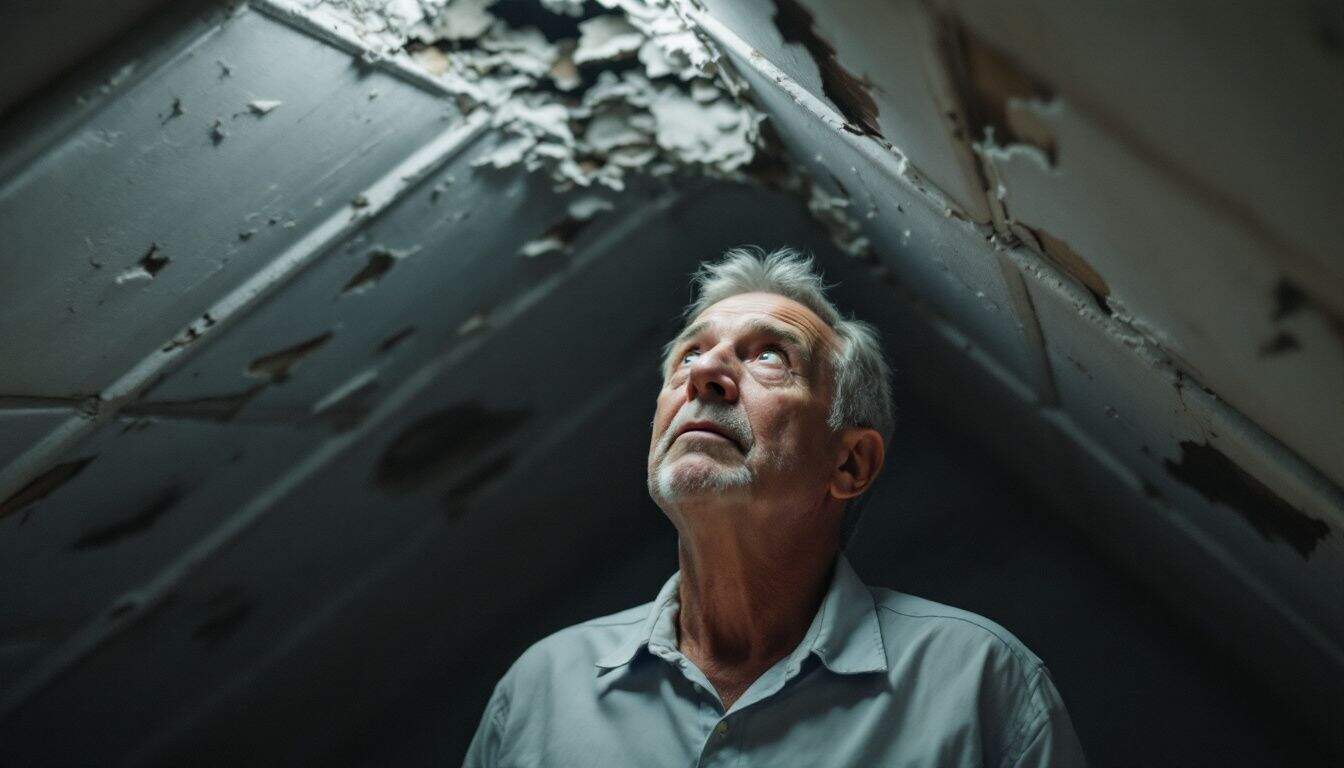
Warning Signs You Need Professional Asbestos Removal
Asbestos was used extensively in UK construction for decades — and in many buildings, it’s still there. The problem isn’t simply its presence; it’s when asbestos-containing materials (ACMs) become damaged, disturbed, or deteriorate over time. At that point, microscopic fibres can become airborne, and once inhaled, they can cause devastating, irreversible diseases.
Knowing what to look for could protect the health of everyone who lives or works in your building. Below are the key warning signs that indicate it’s time to call in a professional — and exactly what you should do next.
Why Asbestos Remains a Serious Risk in UK Buildings
The UK banned the use of all forms of asbestos in 1999, but that doesn’t mean it’s gone. Any building constructed or refurbished before that date may contain ACMs — and the older the building, the higher the likelihood.
Properties built between the 1950s and 1980s are particularly high-risk, as this was the peak period for asbestos use in construction. It appeared in insulation boards, ceiling tiles, floor tiles, pipe lagging, roofing felt, textured coatings such as Artex, and even structural concrete.
In good condition and left undisturbed, these materials pose a lower immediate risk. But once they begin to degrade — or are disturbed during renovation work — they can release fibres that cause lung cancer, mesothelioma, and asbestosis. Mesothelioma alone kills thousands of people in the UK every year, and symptoms don’t appear until decades after exposure, by which time the disease is almost always terminal. Prevention and early identification are everything.
Physical Warning Signs of Asbestos-Containing Materials
The most immediate warning signs are visible ones — materials that look damaged, deteriorating, or out of place. Here’s what to watch for.
Crumbling or Damaged Insulation
Asbestos insulation board (AIB) was widely used throughout UK buildings as fireproofing and thermal insulation. When AIB begins to crumble, crack, or flake, it becomes what the industry calls “friable” — meaning fibres can be released with minimal disturbance.
If you notice insulation materials around boilers, pipes, or structural elements that appear worn, damaged, or powdery, treat them as a potential asbestos hazard until proven otherwise. Do not touch, drill into, or disturb them — call a qualified surveyor immediately.
Frayed or Torn Pipe Lagging
Pipe lagging — the wrapping applied to pipework for insulation — was one of the most common applications of asbestos in older buildings. In properties built before the late 1980s, this lagging may contain significant amounts of asbestos.
Frayed, torn, or visibly deteriorating pipe lagging is a serious red flag. Even minor disturbance can release fibres into the air. This is especially concerning in plant rooms, basements, and service ducts where maintenance workers may regularly be present.
Crumbling Ceiling or Floor Tiles
Asbestos was widely used in both ceiling tiles and vinyl floor tiles. If these tiles are cracking, lifting at the edges, or crumbling — particularly in older commercial or public buildings — there’s a real possibility they contain asbestos.
The same applies to textured wall and ceiling coatings. Artex applied before 2000 frequently contained chrysotile (white asbestos). Sanding or scraping this material without first confirming it’s asbestos-free is extremely dangerous.
Unusual Dust or Debris in Certain Areas
Fine, unusual dust accumulating around HVAC systems, ceiling voids, or areas where older insulation is present can indicate that ACMs are degrading nearby. This is particularly relevant in buildings where maintenance or minor works have recently been carried out without proper asbestos checks first.
Asbestos fibres are invisible to the naked eye — you cannot see them in the air. But visible dust or debris near suspected ACMs is a strong enough indicator to warrant immediate professional asbestos testing before any further work proceeds.
Compliance and Record-Keeping Warning Signs
Not all warning signs are physical. Sometimes the red flags are administrative — gaps in documentation, missing signage, or an absence of formal asbestos management. These are just as serious as visible damage.
No Asbestos Management Plan in Place
Under the Control of Asbestos Regulations, the duty holder of any non-domestic property built before 2000 is legally required to manage asbestos. This means identifying whether ACMs are present, assessing their condition, and maintaining a written asbestos management plan.
If you’ve taken over a property and there’s no asbestos register or management plan in place, that’s a significant compliance failure. You need a professional management survey before any maintenance or refurbishment work takes place.
Missing or Incomplete Maintenance Records
Older buildings that have changed hands multiple times, or where record-keeping has been inconsistent, often have gaps in their maintenance history. Without accurate records, you simply don’t know what materials are present, where they are, or what condition they’re in.
The HSE’s guidance document HSG264 is clear: before any work begins on a building where asbestos may be present, a suitable survey must be carried out. Incomplete records are not a reason to proceed — they’re a reason to stop and survey first.
No Asbestos Warning Signs in High-Risk Areas
Where ACMs are known to be present in a building, they must be clearly labelled. The Control of Asbestos Regulations requires that hazard warning signs are displayed at entrances to areas where asbestos is present or where there’s a risk of exposure.
If you’re working in or managing a building where high-risk areas — such as plant rooms, roof spaces, or service ducts — have no asbestos signage, this is a strong indicator that the building’s asbestos management has been neglected. Address it without delay.
Health Symptoms That May Indicate Asbestos Exposure
This is perhaps the most urgent warning sign of all. If occupants of a building are experiencing unexplained respiratory symptoms — particularly symptoms that seem linked to time spent in specific areas — asbestos exposure must be considered as a possible cause.
Persistent Cough or Wheezing
A chronic cough or persistent wheezing that doesn’t resolve, particularly in people who spend significant time in an older building, can be a symptom of asbestos-related disease. Asbestosis — scarring of the lung tissue caused by inhaled asbestos fibres — can cause breathlessness, a persistent cough, and chest tightness.
These symptoms typically develop over many years of exposure, but even shorter-term exposure to high concentrations of fibres can be extremely harmful. If multiple occupants are experiencing similar symptoms, this should be treated as a medical and building safety emergency.
Breathing Difficulties Linked to Specific Locations
Pay attention to whether respiratory symptoms worsen in particular areas of a building or improve when people leave. If someone consistently experiences shortness of breath, chest discomfort, or difficulty breathing in a specific room or area, it warrants urgent investigation — including professional asbestos assessment of that space.
Asbestos-related diseases have a latency period of 20 to 50 years, meaning someone exposed today may not develop symptoms for decades. Anyone with concerns about potential exposure should speak to their GP and ensure the building is professionally assessed without delay.
Steps to Take If You Suspect Asbestos Is Present
If any of the above warning signs apply to your building, here’s what you should do — in order:
- Stop any work immediately. If maintenance, renovation, or construction work is underway, halt it until the area has been properly assessed. Disturbing ACMs without proper controls in place is both dangerous and illegal.
- Review the building’s records. Check for any existing asbestos register, management plan, or previous survey reports. If none exist, that itself tells you something important.
- Arrange professional asbestos testing. Do not attempt to take samples yourself. Only a qualified professional should collect and analyse samples. Our asbestos testing service covers both management surveys and refurbishment/demolition surveys, in line with HSG264 guidance.
- Commission a professional survey. Depending on the intended use of the building, you’ll need either a management survey for routine occupation and maintenance, or a demolition survey before any intrusive or demolition work begins.
- Engage certified removal professionals. If ACMs are found to be in poor condition or at risk of disturbance, arrange for asbestos removal by a licensed contractor. Only HSE-licensed contractors can remove the most hazardous forms of asbestos.
- Update your asbestos management plan. Once the situation has been assessed and any necessary remediation completed, ensure your records are updated and a formal management plan is in place going forward.
What Types of Buildings Are Most at Risk?
While any pre-2000 building may contain asbestos, certain property types carry a higher likelihood of ACMs being present — and in worse condition.
- Schools and hospitals built between the 1950s and 1980s often used asbestos extensively in ceiling tiles, insulation boards, and pipe lagging.
- Industrial and warehouse units may have asbestos cement roofing sheets, which are among the most common ACMs found in commercial properties.
- Residential blocks of flats built before 2000 frequently contain asbestos in communal areas, risers, and service ducts.
- Local authority housing from the post-war era was built with a wide range of ACMs, including textured coatings and floor tiles.
- Offices and retail premises that have undergone multiple refurbishments may have disturbed ACMs without proper controls — creating a legacy risk that needs professional assessment.
The age and construction method of a building are your first indicators. If in doubt, always commission a survey rather than assuming the risk is low.
Asbestos Surveys Across the UK
Supernova Asbestos Surveys operates nationwide, with specialist teams covering every region of the UK. Whether you’re managing a commercial property, a residential block, a school, or an industrial site, we can provide fast, thorough, and fully compliant surveys.
If you’re based in the capital and need an asbestos survey London clients can rely on, our London team is ready to mobilise quickly. We also provide a full asbestos survey Manchester service for properties across Greater Manchester and the North West, as well as a dedicated asbestos survey Birmingham team covering the Midlands.
With over 50,000 surveys completed, our surveyors are BOHS-qualified, our reports are clear and actionable, and we work to timescales that suit your operations — not ours.
To arrange a survey or discuss your asbestos concerns, call us on 020 4586 0680 or visit asbestos-surveys.org.uk. Don’t wait for the situation to worsen — the earlier you act, the more options you have.
Frequently Asked Questions
How do I know if my building contains asbestos?
The only reliable way to confirm whether asbestos is present is through a professional survey and laboratory analysis of samples. Visual inspection alone is not sufficient — many ACMs look identical to non-asbestos materials. If your building was constructed or refurbished before 2000, assume asbestos may be present until a survey confirms otherwise.
Is asbestos dangerous if it’s in good condition?
Asbestos-containing materials that are in good condition and are not being disturbed present a lower immediate risk. However, they still need to be identified, recorded, and monitored regularly. The risk arises when materials degrade or are disturbed — releasing fibres into the air. “In good condition” is not a reason to ignore ACMs; it’s a reason to manage them carefully.
Can I remove asbestos myself?
For the most hazardous forms of asbestos — such as sprayed coatings, lagging, and asbestos insulation board — removal must only be carried out by an HSE-licensed contractor. Some lower-risk materials may be removed by a competent person following strict protocols, but this is rarely advisable without professional guidance. Attempting DIY removal without proper training, equipment, and controls puts you and others at serious risk.
What regulations govern asbestos management in the UK?
The primary legislation is the Control of Asbestos Regulations, which places a legal duty on those responsible for non-domestic premises to manage asbestos. The HSE’s guidance document HSG264 sets out the standards for asbestos surveys. Failure to comply can result in enforcement action, prosecution, and unlimited fines.
How quickly can Supernova Asbestos Surveys carry out a survey?
We aim to respond as quickly as possible, particularly where there’s an urgent risk or work has been halted pending an asbestos assessment. Contact us on 020 4586 0680 to discuss your requirements and we’ll confirm availability for your site.