Domestic Asbestos Removal: What Every Homeowner Needs to Know Before Starting Work
Finding a cracked garage roof panel or a suspicious board behind a kitchen unit can stop a home project dead in its tracks. Domestic asbestos removal is sometimes the right answer — but rarely the first one. The safest route is always to identify the material properly, assess its condition, and decide whether removal, repair, encapsulation or careful management is the most appropriate response.
If your home was built or refurbished before asbestos was phased out of UK construction, asbestos-containing materials may still be present. That is not a reason to panic or immediately start stripping things out. It is a reason to make a controlled, evidence-based decision guided by HSE advice and the actual risk of disturbance.
What Domestic Asbestos Removal Actually Involves
Domestic asbestos removal means taking asbestos-containing materials out of a home without releasing dangerous fibres into the air. The work must be planned, controlled and followed by lawful waste disposal. Crucially, removal is not the automatic answer every time asbestos is found.
Under the Control of Asbestos Regulations and HSE guidance, the first question to ask is whether the material is damaged, friable or likely to be disturbed. In homes, asbestos is commonly found in:
- Garage and outbuilding roofs
- Soffits, gutters and downpipes
- Textured coatings on walls and ceilings
- Vinyl floor tiles and bitumen adhesive
- Pipe insulation and boiler insulation
- Asbestos insulating board in partition walls, cupboards and ceiling panels
- Bath panels, toilet cisterns and boxing
- Flue pipes and cement sheets
Some of these materials carry relatively low risk when in good condition. Others can release fibres rapidly if drilled, broken, sanded, stripped or snapped during building work. The material type and its current condition both matter enormously before any decision is made.
When Is Domestic Asbestos Removal Actually Necessary?
The presence of asbestos alone does not automatically mean urgent action is required. Domestic asbestos removal is typically recommended when the material is damaged, deteriorating, or will be disturbed by planned works.
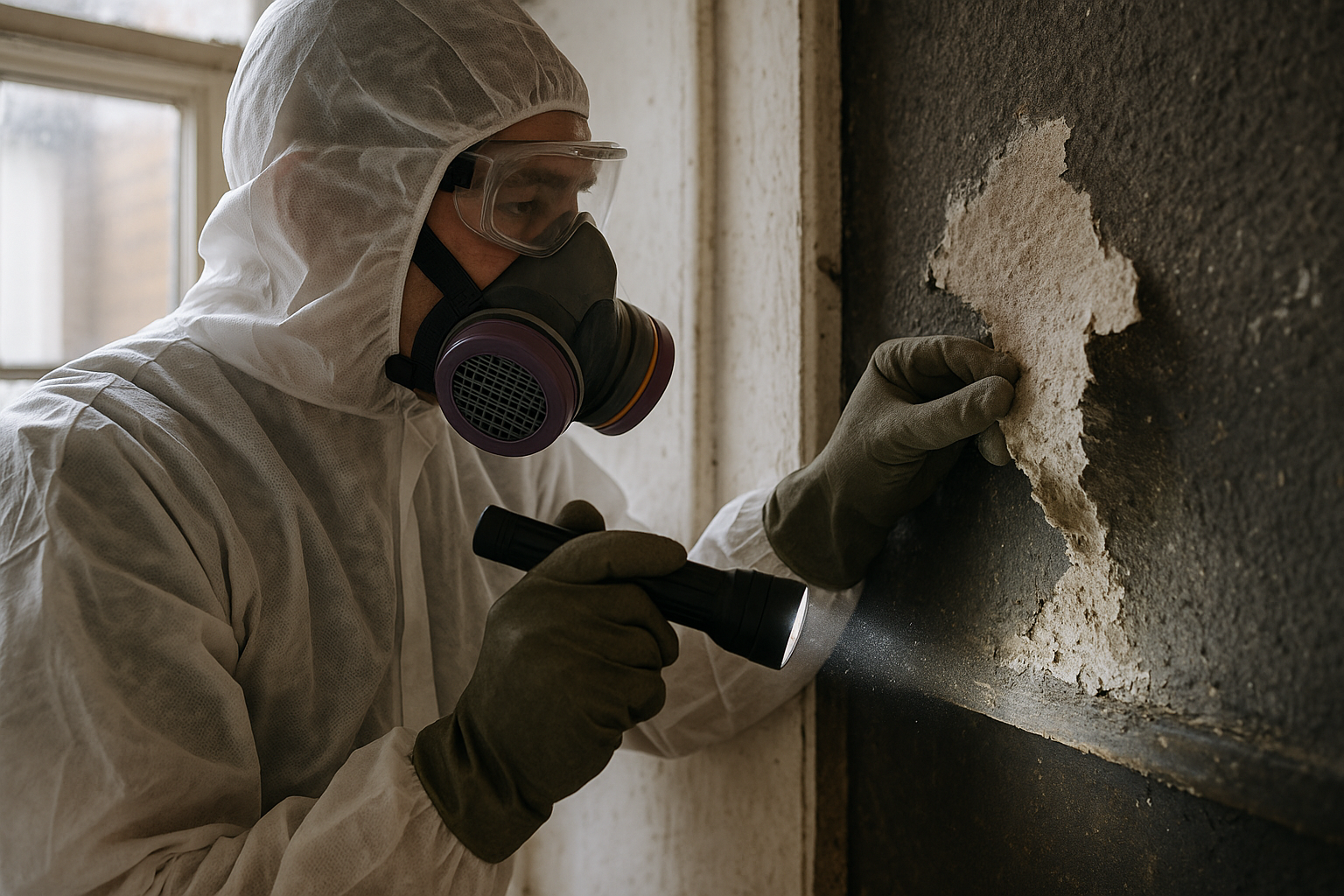
Typical situations where removal becomes necessary include:
- A cracked garage roof that is actively shedding fragments
- Asbestos insulating board in the way of a kitchen or bathroom refit
- Old pipe lagging in poor condition in a loft, cellar or service space
- Textured coating that needs to be scraped back during major redecoration
- Floor tiles breaking up during replacement works
- Damaged boxing around pipes or ducts
If the material is intact and will remain undisturbed, management is often safer than removal. That could mean leaving it in place, recording its location, monitoring its condition and ensuring nobody drills or cuts into it at a later date.
A rushed removal decision can create more risk than the material posed in the first place. Always get the material properly identified before anyone starts pulling fixtures off walls or lifting old flooring.
Which Asbestos Materials Are Higher Risk in Homes?
High-Risk Materials That Need Specialist Attention
Some asbestos-containing materials are far more friable than others. These are the materials most likely to release fibres when disturbed and should never be treated as a DIY task:
- Asbestos insulating board
- Pipe lagging
- Loose fill insulation
- Sprayed coatings
- Damaged thermal insulation around boilers or heating systems
Work on these materials is often licensable or notifiable under HSE guidance, depending on the task and the condition of the material. That means strict controls, trained personnel and correct procedures must be followed.
Lower-Risk Materials That Still Require Care
Bonded products such as asbestos cement sheets, roof panels, gutters and some flue pipes are generally lower risk because the fibres are bound into the material. Even so, poor handling can turn a lower-risk job into a serious contamination problem very quickly.
Lower risk does not mean no risk. Breaking sheets, using power tools, dry sweeping dust or throwing waste into a standard skip can spread fibres across the home and garden. The handling method matters just as much as the material type.
Why a Survey Should Always Come Before Domestic Asbestos Removal
Guesswork causes a significant amount of avoidable asbestos disturbance. Before any domestic asbestos removal decision is made, you need to know what the material is, where it is, what condition it is in and whether your planned works will affect it. A proper asbestos survey gives you that information.
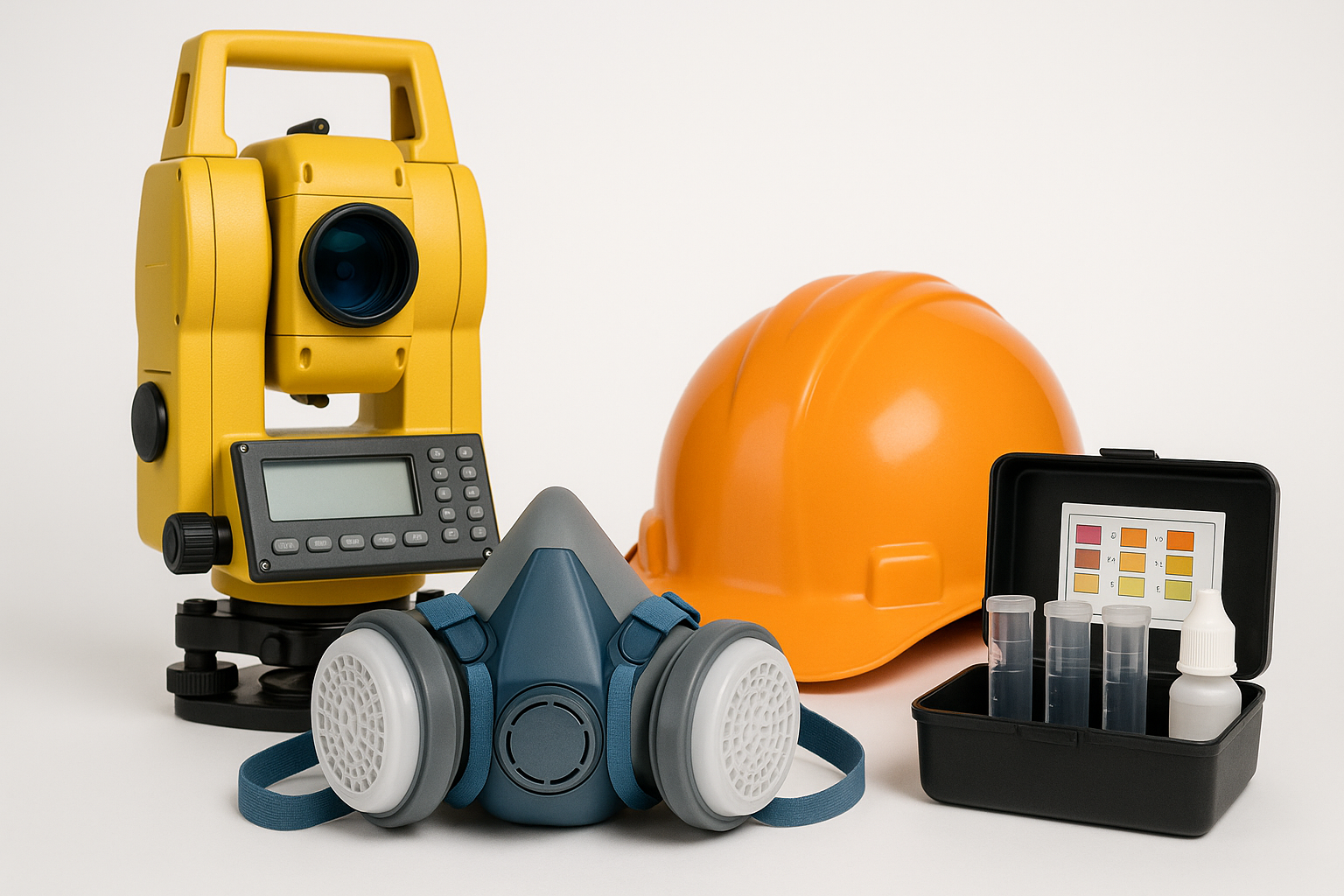
If refurbishment is planned, a refurbishment survey is often the right starting point, because it is specifically designed to locate hidden asbestos before contractors begin opening up the structure. This type of survey is intrusive by design — it finds materials that a standard management survey would not access.
Surveying should be carried out in line with HSG264, the HSE guidance that sets the standard for asbestos surveys and ensures decisions are based on evidence rather than assumptions.
If you are planning works in the capital, booking an asbestos survey London service before work begins can prevent delays, contamination and costly changes once trades are already on site. The same principle applies wherever you are in the country.
Homeowners and property managers planning works in the North West can arrange an asbestos survey Manchester appointment to identify risks before a renovation starts. For projects in the Midlands, an asbestos survey Birmingham service can establish whether suspect materials are present before walls, ceilings or floors are disturbed.
The practical advice here is straightforward:
- Stop any planned intrusive work if asbestos is suspected
- Arrange a survey or sampling by a competent professional
- Use the findings to decide whether removal is necessary
- Share the information with all builders, electricians, plumbers and decorators before they start
Can You Remove Asbestos Yourself at Home?
This is where many homeowners come unstuck. Some non-licensed asbestos work may be carried out without a licensed contractor, but that does not make it straightforward or low-risk. As a firm rule, DIY should never be considered for friable or higher-risk materials.
If there is any uncertainty over the material, its condition, the scale of the work or the legal category of the task, stop and seek professional advice before proceeding.
When DIY Is a Poor Decision
Do not attempt DIY removal if the material is:
- Damaged or crumbly
- Hidden behind finishes or difficult to access safely
- Overhead or in a confined space
- Located in an occupied part of the home where contamination could spread easily
- Part of a larger refurbishment project
- Likely to require cutting, drilling, scraping or breaking
It is also a poor decision if children, elderly occupants or anyone with respiratory conditions is living in the property. Saving money on the job is rarely worth the cost of contamination, clean-up and delay further down the line.
When Limited Non-Licensed Work May Be Possible
Some bonded asbestos cement items in good condition may be removed carefully by a competent person, provided the work is minor, the material can be taken down whole and all HSE guidance is followed. Even then, you need the right protective equipment, a clear work method, appropriate wrapping materials and a lawful disposal route.
For most homeowners, professional asbestos removal is the safer and more practical option. It reduces the chance of breakage, contamination and illegal disposal — and it removes any ambiguity about whether the work was done correctly.
Safe Handling Principles if Bonded Asbestos Must Be Dealt With
Where lower-risk bonded asbestos is being handled legally and appropriately, the goal is always the same: keep the material intact and prevent fibres from spreading. If that work is being considered, these principles apply:
- Confirm the material first. If it has not been sampled or professionally identified, do not proceed.
- Plan the area. Keep other people away and avoid carrying debris through the house.
- Use suitable PPE. Disposable coveralls, appropriate gloves and a correctly fitted respirator are basic controls.
- Dampen carefully. Light wetting can help suppress dust. Do not use high-pressure water.
- Remove fixings gently. Use hand tools where possible and avoid forcing sheets or panels.
- Do not cut, sand or drill. These tasks can release fibres rapidly.
- Wrap waste properly. Use heavy-duty polythene or approved asbestos waste bags and label them correctly.
- Clean properly. Use damp rags or a suitable Class H vacuum. Never use a household vacuum cleaner.
- Dispose of waste lawfully. Check local authority arrangements or use a licensed waste carrier.
Even this list illustrates why domestic asbestos removal is not a casual weekend task. One mistake can spread contamination to floors, clothing, vehicles and shared areas that are then very difficult and expensive to remediate.
Protective Equipment and Site Controls That Matter
People often focus only on masks, but proper site control is broader than personal protection. Effective domestic asbestos removal depends on reducing fibre release at source and preventing spread beyond the work area.
Basic controls include:
- Disposable Type 5/6 coveralls
- An appropriate respirator with the correct filter and a proper fit
- Disposable gloves
- Footwear that can be cleaned, or disposable overshoes
- Polythene sheeting for local containment
- Warning signage or barrier tape to keep others away
- Damp rags for wiping surfaces
- Approved asbestos waste bags or wrapping materials
What should never happen during any asbestos work:
- Using a domestic vacuum cleaner
- Dry sweeping dust with a brush
- Snapping sheets into smaller pieces for convenience
- Burning waste
- Putting asbestos in household bins or general skips
- Leaving debris in a loft, garden, garage or driveway
If an area becomes contaminated, stop immediately. Do not continue in the hope that it will be fine once the room is repainted or cleaned later. Contamination needs to be addressed properly before any further work takes place.
How Asbestos Waste Must Be Disposed Of
Waste disposal is one of the most misunderstood aspects of domestic asbestos removal. Once asbestos has been removed, it remains hazardous waste and must be packaged, labelled, transported and disposed of correctly. It cannot go into household refuse, a builder’s skip or mixed construction waste.
Local authorities may have arrangements for small amounts of domestic asbestos, but those rules vary by area and usually come with strict wrapping and booking requirements. Before any work starts, check:
- Whether your local council accepts domestic asbestos waste
- How the waste must be wrapped or bagged
- Whether a booking or advance notice is required
- Any quantity limits that apply
- Whether proof of residence is needed
For larger amounts, damaged materials or higher-risk products, use a licensed waste carrier. If you appoint a contractor, ask where the waste will go and how it will be transported. Never rely on informal disposal arrangements.
Fly-tipping asbestos is illegal, dangerous and expensive to remediate once discovered. The consequences — environmental, financial and legal — are far greater than the cost of doing it properly.
Legal Points Homeowners, Landlords and Managing Agents Should Know
You do not need to become an asbestos specialist, but you do need to understand the basics. The legal framework exists to prevent exposure, and unsafe work can create serious liability as well as health risk.
The key points are:
- The Control of Asbestos Regulations set out duties around asbestos work, control measures, training and licensing requirements.
- HSG264 explains how asbestos surveys should be planned and carried out.
- HSE guidance helps determine whether work is licensable, notifiable non-licensed work, or non-licensed work.
- Asbestos waste must go through the correct hazardous waste route regardless of the quantity involved.
If you are a landlord, managing agent or responsible for common parts of domestic premises, your responsibilities may go further than those of an owner-occupier. Shared corridors, plant rooms, service risers, stairwells and other communal areas need proper asbestos management in place.
If tradespeople are attending the property, tell them about any known or suspected asbestos before they begin. Do not assume that a plumber or electrician will identify every asbestos-containing material on sight.
Common Mistakes During Domestic Asbestos Removal
Most domestic asbestos incidents come down to haste, incorrect assumptions or poor planning. Avoiding a handful of common mistakes can prevent a much larger and more costly problem.
- Starting work before a survey: Hidden asbestos is often only discovered once walls, ceilings or floors have already been opened up.
- Assuming all asbestos presents the same risk: Asbestos cement and pipe lagging do not carry the same level of risk — the material type and condition both matter.
- Using power tools: Cutting and drilling can dramatically increase fibre release compared with careful hand removal.
- Breaking materials for convenience: Smaller pieces are harder to control, contain and package safely.
- Poor cleaning methods: Dry sweeping spreads fibres rather than removing them. Always use damp methods or a Class H vacuum.
- Improper disposal: Household bins, general skips and informal arrangements are not acceptable routes for asbestos waste.
- Not telling other workers: Tradespeople who arrive after the initial discovery may unknowingly disturb remaining materials if they are not informed.
- Delaying professional advice: The longer a damaged material is left without assessment, the greater the risk of accidental disturbance.
Frequently Asked Questions
Can I remove asbestos from my home myself?
In limited circumstances, a competent person may carefully remove small amounts of bonded asbestos cement in good condition without a licensed contractor. However, for friable, damaged or higher-risk materials — including asbestos insulating board, pipe lagging and sprayed coatings — professional removal is required. If there is any doubt about the material type or condition, stop work and seek professional advice before proceeding.
How do I know if a material in my home contains asbestos?
You cannot identify asbestos by sight alone. The only reliable method is sampling and laboratory analysis carried out by a competent professional. If your property was built or significantly refurbished before asbestos was phased out of UK construction, any suspect material should be treated as potentially containing asbestos until tested. Do not disturb the material while waiting for results.
Do I need a survey before domestic asbestos removal?
Yes, in most cases a survey or sampling is the right first step. If refurbishment is planned, a refurbishment survey is specifically designed to locate hidden asbestos before contractors start opening up the structure. Working without survey information increases the risk of unexpected asbestos disturbance and can create significant delays and costs once trades are already on site.
How should asbestos waste be disposed of from a domestic property?
Asbestos waste is classified as hazardous waste and cannot go into household bins, general skips or mixed construction waste. Some local authorities accept small amounts of domestic asbestos at designated facilities, subject to specific wrapping requirements and booking procedures. For larger quantities or higher-risk materials, a licensed waste carrier must be used. Always confirm the disposal route before work begins.
What regulations apply to domestic asbestos removal?
The Control of Asbestos Regulations set out the legal framework for asbestos work in the UK, including duties around control measures, training and licensing. HSG264 provides guidance on how asbestos surveys should be conducted. HSE guidance helps determine whether specific tasks are licensable, notifiable or non-licensed. These regulations apply to domestic settings as well as commercial properties, and non-compliance can result in enforcement action and legal liability.
Get Professional Advice Before Any Work Begins
Domestic asbestos removal is not something to approach without proper preparation. Getting the right survey information, using qualified professionals and following correct disposal procedures protects your household, your property and anyone else who works on the building.
Supernova Asbestos Surveys has completed over 50,000 surveys across the UK and provides asbestos surveying and removal services for homeowners, landlords and managing agents nationwide. Whether you need a survey before a renovation or professional removal of a suspect material, our team can help you make the right decision based on evidence.
Call us on 020 4586 0680 or visit asbestos-surveys.org.uk to book a survey or discuss your requirements with one of our specialists.