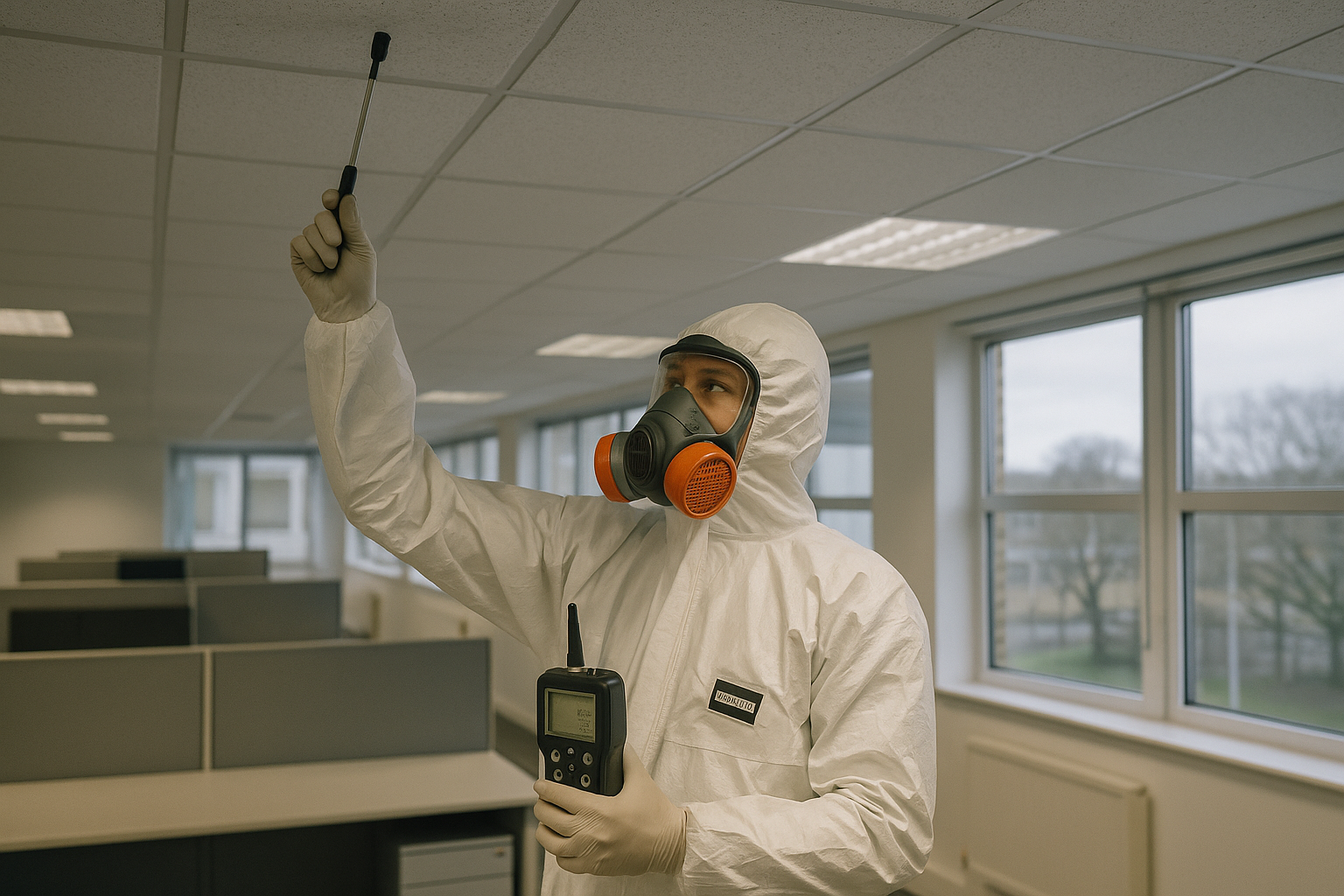
Asbestos is still found in homes across the UK, and the most common mistake is assuming you can identify it by sight alone. You usually cannot. If your property was built or refurbished before 2000, suspect materials should be treated cautiously until they have been properly inspected and, where needed, sampled by a competent professional.
For homeowners, landlords and property managers, the issue with asbestos is not just whether it exists. The real question is whether it is damaged, likely to be disturbed, and what action you need to take before repairs, decorating or building work begins.
What asbestos is and why it matters
Asbestos is the name used for a group of naturally occurring mineral fibres. Those fibres are strong, heat resistant and durable, which is why asbestos was added to so many building products for decades.
The problem is that when asbestos-containing materials are damaged, drilled, sawn, broken or allowed to deteriorate, tiny fibres can be released into the air. If inhaled, those fibres can lodge in the lungs and create serious long-term health risks.
In practical terms, asbestos is not a single product. It may be present in insulation, boards, cement sheets, floor tiles, textured coatings, pipe lagging, fire protection materials, gaskets and many other items still found in UK properties.
Main types of asbestos found in UK buildings
There are six recognised asbestos minerals, but three are most commonly associated with UK buildings:
- Chrysotile – often called white asbestos
- Amosite – often called brown asbestos
- Crocidolite – often called blue asbestos
The key point is simple: all asbestos should be treated as hazardous. There is no safe type to cut, drill or sand without proper controls.
How to tell if you may have asbestos in your home
If you are asking whether you have asbestos in your home, age and location are your first clues. Properties built or refurbished before 2000 are more likely to contain asbestos in some form, particularly in garages, ceilings, service areas, floor finishes and older heating systems.
That said, appearance is unreliable. Many asbestos-containing materials look similar to modern non-asbestos products, and even experienced tradespeople should not rely on visual identification alone.
Common warning signs
You should be more cautious if your property has:
- Old garage or shed roofs made from corrugated cement sheets
- Textured wall or ceiling coatings
- Vinyl floor tiles with bitumen adhesive
- Boxing around pipes or old warm air systems
- Insulating boards in cupboards, soffits, partitions or ceilings
- Older fuse boards, backing panels or fire doors
- Pipe lagging or insulation around boilers and plant
None of these signs confirms asbestos on their own. They simply indicate where asbestos is often found and where you should avoid disturbing materials until they have been checked.
What you cannot do by eye
You cannot reliably confirm asbestos from colour, texture or age alone. A plain cement sheet may contain asbestos, but so might a board hidden behind a modern finish. Equally, some materials that look suspicious turn out not to contain asbestos at all.
The safest approach is straightforward:
- Assume suspect materials may contain asbestos
- Do not disturb them
- Check existing records or survey reports
- Arrange inspection and sampling where needed
Where asbestos is commonly found in homes
Asbestos was used in a huge range of domestic building products. Some are relatively low risk when in good condition and left undisturbed. Others are much more friable and can release fibres more easily if damaged.
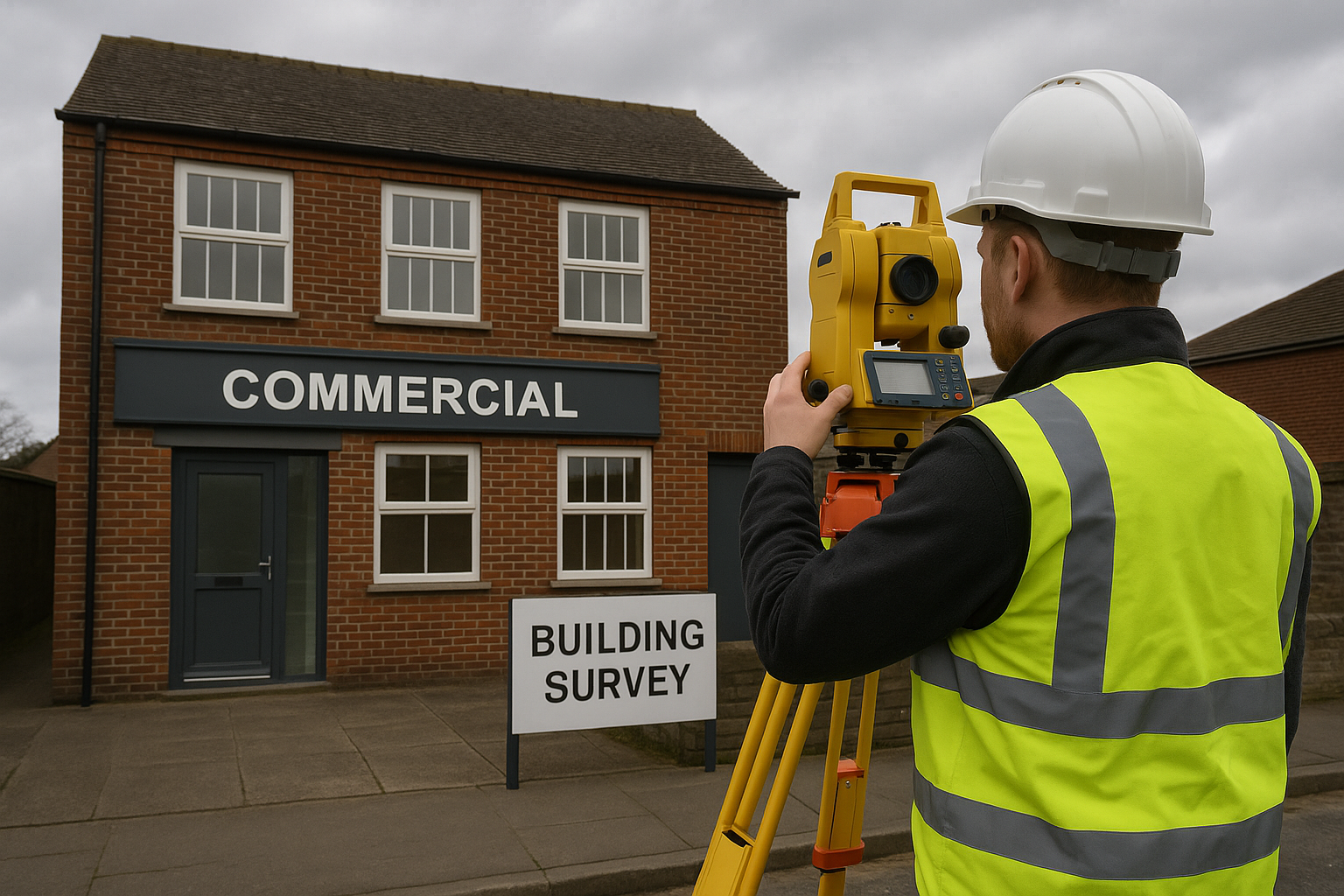
In homes and residential buildings, common locations include:
- Garage roofs, wall panels and soffits
- Roofing felt, undercloak and flues
- Textured coatings on walls and ceilings
- Ceiling tiles and partition boards
- Floor tiles and adhesive layers
- Pipe boxing and service risers
- Boiler cupboards and airing cupboards
- Bath panels, toilet cisterns and moulded products
- Fire doors and fire protection linings
- Outbuildings, sheds and lean-tos
In blocks of flats, asbestos may also be present in common parts such as corridors, stairwells, meter cupboards, plant rooms and ceiling voids. That matters for landlords and dutyholders because shared areas often fall within wider asbestos management responsibilities.
Higher-risk and lower-risk asbestos materials
Not all asbestos materials present the same level of risk. Condition, fibre release potential and the type of work being carried out all matter.
Higher-risk materials often include:
- Pipe lagging
- Loose fill insulation
- Sprayed coatings
- Asbestos insulating board
Lower-risk materials often include:
- Asbestos cement sheets
- Floor tiles
- Bitumen products
- Some textured coatings
Lower risk does not mean harmless. Even bonded asbestos materials can become dangerous if they are drilled, sanded, broken or removed incorrectly.
What to do if you suspect asbestos
If you suspect asbestos, the best action is usually the simplest: stop and avoid disturbing it. Many exposures happen because someone starts a small job without checking what the material is.
If a wall needs chasing, a ceiling needs new lights, or a garage roof is due for replacement, pause first. A short delay for proper checks is far safer than creating an avoidable contamination issue.
Immediate steps to take
- Stop work straight away if the material may contain asbestos
- Keep other people away from the area
- Do not drill, cut, scrape, sand or break the material
- Do not vacuum debris with a standard vacuum cleaner
- Do not dry sweep dust or fragments
- Check whether you already have an asbestos survey or register
- Arrange professional inspection or sampling if the material is unidentified
If material has already been damaged, isolate the area as far as possible and get specialist advice. Do not try to bag debris or wipe surfaces down without knowing what you are dealing with.
When sampling is needed
Sampling is often the only reliable way to confirm whether a suspect material contains asbestos. This should be carried out by a competent surveyor or analyst using the correct method, controls and laboratory process.
For a homeowner, that means resisting the temptation to snap off a piece yourself. DIY sampling can create the very exposure you were trying to avoid.
Which asbestos survey you may need
The right survey depends on what you are planning to do in the property. If the building is occupied and you need to manage asbestos during normal use, maintenance or light works, a management survey is usually the correct starting point.
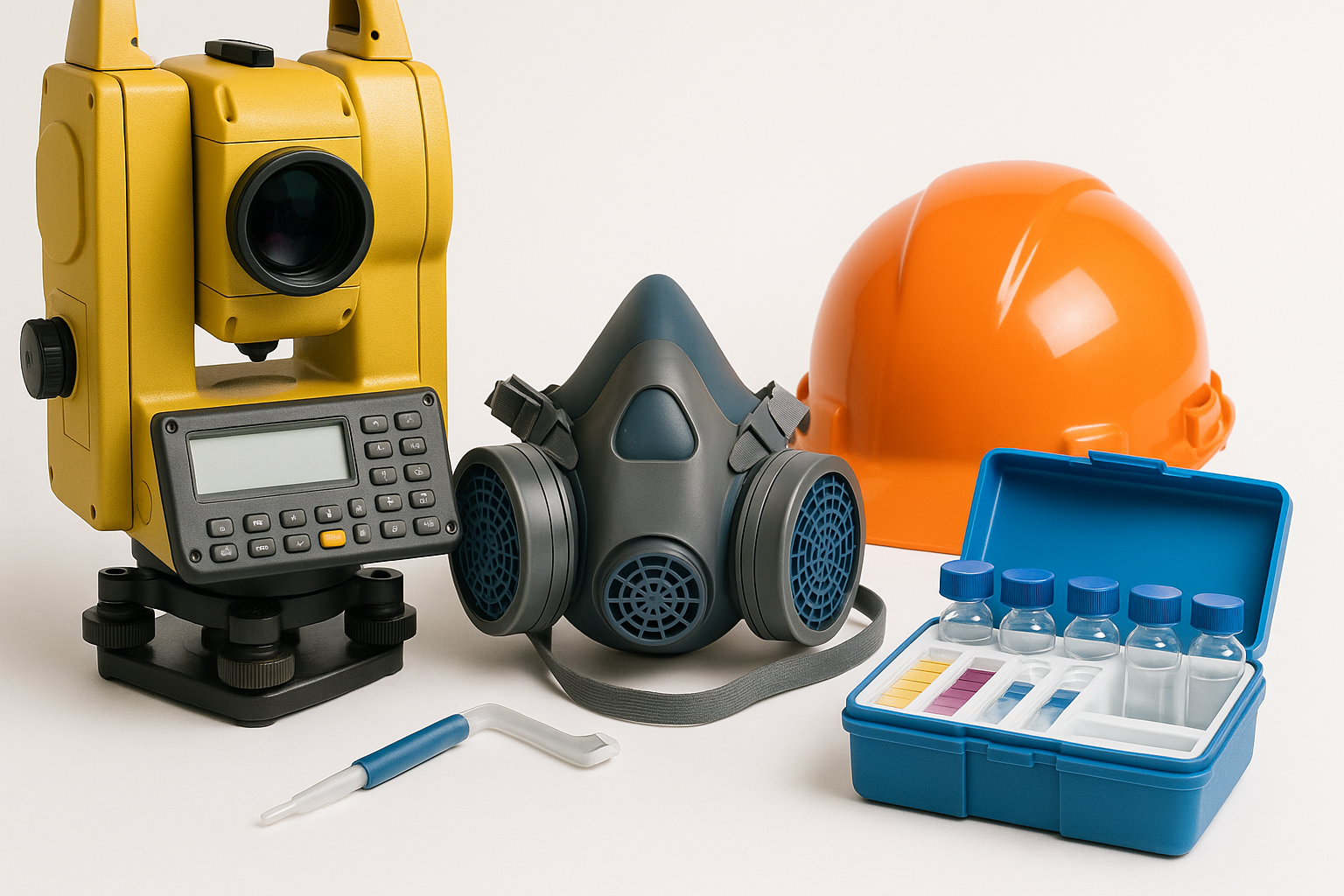
A management survey helps locate, as far as reasonably practicable, the presence and condition of asbestos-containing materials that could be disturbed during normal occupation or routine maintenance. It supports the asbestos register and ongoing management plan.
When a management survey is appropriate
- You own or manage an occupied building
- You need to understand likely asbestos risks during day-to-day use
- Maintenance staff or contractors may access ceilings, risers, cupboards or service areas
- You need an asbestos register for ongoing management
If you are planning major structural work, strip-out or demolition, a management survey is not enough. Intrusive work needs a more targeted survey so hidden asbestos can be identified before the building fabric is disturbed.
For that, you may need a demolition survey. This type of survey is designed for areas due to be demolished or heavily altered, and it is intrusive because the purpose is to find asbestos that would otherwise remain concealed.
Practical rule for homeowners and landlords
If the job involves more than simple surface-level work, ask for survey advice before instructing contractors. Rewiring, new heating systems, kitchen refits, loft conversions, garage roof replacement and wall removals can all disturb hidden asbestos.
Checking first can prevent delays, unexpected costs and unsafe working conditions once the job starts.
Legal duties and UK guidance you should know
Asbestos is regulated in the UK through the Control of Asbestos Regulations, supported by HSE guidance and survey standards set out in HSG264. These rules are especially relevant to dutyholders, landlords, employers and those responsible for non-domestic premises and common parts of residential buildings.
For a private homeowner living in a single domestic property, the legal position is different from that of a commercial dutyholder. Even so, the practical safety principles remain the same: identify suspect asbestos before work starts, prevent exposure and use competent professionals.
What the regulations mean in practice
- Do not assume a material is safe because it looks sound
- Check asbestos information before maintenance, refurbishment or demolition
- Keep an asbestos register where management duties apply
- Make sure contractors have the information they need before starting work
- Use the correct survey type for the planned activity
- Ensure any removal or remedial work is carried out under the right controls
HSG264 is particularly relevant because it sets expectations for asbestos surveying. A proper survey is not a box-ticking exercise. It should be proportionate to the building, the work planned and the likely risk of disturbance.
Why asbestos is still found in so many UK properties
Asbestos became common because it was cheap, durable and highly effective in products needing heat resistance, insulation or fire protection. It was used in homes, schools, offices, factories, hospitals and public buildings on a very large scale.
That legacy matters now because many older materials are still in place. Some remain in good condition and can be managed safely. Others deteriorate with age or become a problem when refurbishment work begins.
Properties with a history of repeated alterations can be especially difficult. One room may contain modern finishes, while hidden behind them are older boards, service ducts or pipe insulation containing asbestos.
Buildings and sectors where asbestos is often encountered
- Domestic homes and converted houses
- Blocks of flats and maisonettes
- Schools and colleges
- Hospitals and care settings
- Offices and retail units
- Factories, depots and workshops
- Plant rooms and service buildings
If you manage multiple sites, do not assume the asbestos profile will be the same across your estate. Building age, construction type, previous refurbishments and original use all influence what may be present.
Can you live in a house with asbestos?
Yes, in many cases people live safely in properties that contain asbestos, provided the material is in good condition and is not being disturbed. The presence of asbestos does not automatically mean a home is unsafe or that everything must be removed.
The real risk comes from damage, deterioration or uncontrolled work. Drilling into a soffit, sanding textured coating, lifting old floor tiles or breaking boards during renovation can release fibres.
When asbestos may be manageable in place
- The material is in good condition
- It is sealed, enclosed or otherwise protected
- It is unlikely to be disturbed during normal use
- Its location is known and recorded where management duties apply
When asbestos is damaged, friable or likely to be disturbed, leaving it in place may not be appropriate. The correct next step depends on the material, condition and planned works, which is why survey evidence matters more than guesswork.
Mistakes to avoid when dealing with asbestos
Most asbestos problems start with assumptions. Someone assumes a board is plasterboard, a roof sheet is harmless cement, or a textured coating is safe to scrape. By the time the mistake is obvious, the area may already be contaminated.
Avoid these common errors:
- Starting DIY work without checking suspect materials
- Letting contractors begin before sharing survey information
- Trying to identify asbestos by eye alone
- Taking your own sample without proper controls
- Using power tools on old materials
- Cleaning debris with a standard vacuum
- Assuming low-risk materials can be handled casually
If you are responsible for a property portfolio, build asbestos checks into your maintenance workflow. Before works orders are issued, confirm whether asbestos information exists for the exact area affected.
Getting local asbestos survey support
If you need professional help, local knowledge can speed up access and reduce delays before works start. Supernova provides survey support across the country, including asbestos survey London services for property managers, landlords and homeowners dealing with occupied buildings, planned works and compliance checks.
For properties in the North West, our asbestos survey Manchester team supports domestic and commercial clients who need clear reporting before maintenance, refurbishment or demolition activity.
We also provide asbestos survey Birmingham services, helping clients identify suspect materials, understand risk and choose the right next step without unnecessary disruption.
Practical next steps if you think your home contains asbestos
If you suspect asbestos in your home, do not panic and do not start pulling materials apart. Take a measured approach based on evidence.
- Identify the area or material causing concern
- Stop any work that could disturb it
- Check for previous survey reports or asbestos records
- Arrange a suitable survey or sampling visit
- Review the findings and recommended actions
- Share the information with anyone carrying out work
This approach keeps people safer and avoids the cost of getting halfway through a project before an unexpected asbestos discovery brings everything to a halt.
Frequently Asked Questions
How can I tell if a material contains asbestos?
You usually cannot confirm asbestos by sight alone. The age of the property and the type of material may raise suspicion, but proper inspection and, where needed, sampling are the reliable way to identify it.
Is asbestos always dangerous if it is in my home?
Not always. Asbestos is most dangerous when fibres are released through damage, deterioration or disturbance. Materials in good condition and left undisturbed may sometimes be managed safely, depending on the situation.
Should I remove asbestos as soon as I find it?
Not necessarily. Some asbestos-containing materials are safer managed in place if they are in good condition and unlikely to be disturbed. Removal decisions should be based on the material type, condition, location and planned works.
Do I need a survey before renovation work?
If the property may contain asbestos and the work could disturb the fabric of the building, yes, you should seek survey advice before work starts. The correct survey type depends on whether the work is routine management, refurbishment or demolition.
Who should I call if I suspect asbestos?
Contact a competent asbestos surveying company. Supernova Asbestos Surveys can help you identify the right survey, arrange inspection and provide clear reporting for homes, commercial buildings and public sector properties. Call 020 4586 0680 or visit asbestos-surveys.org.uk to book a survey or get advice on the next step.
If you need clear, practical advice on asbestos, Supernova Asbestos Surveys can help. We provide surveys nationwide for homeowners, landlords, dutyholders and property managers, with fast booking, competent inspectors and reports you can act on. Call 020 4586 0680 or visit asbestos-surveys.org.uk to arrange your survey.