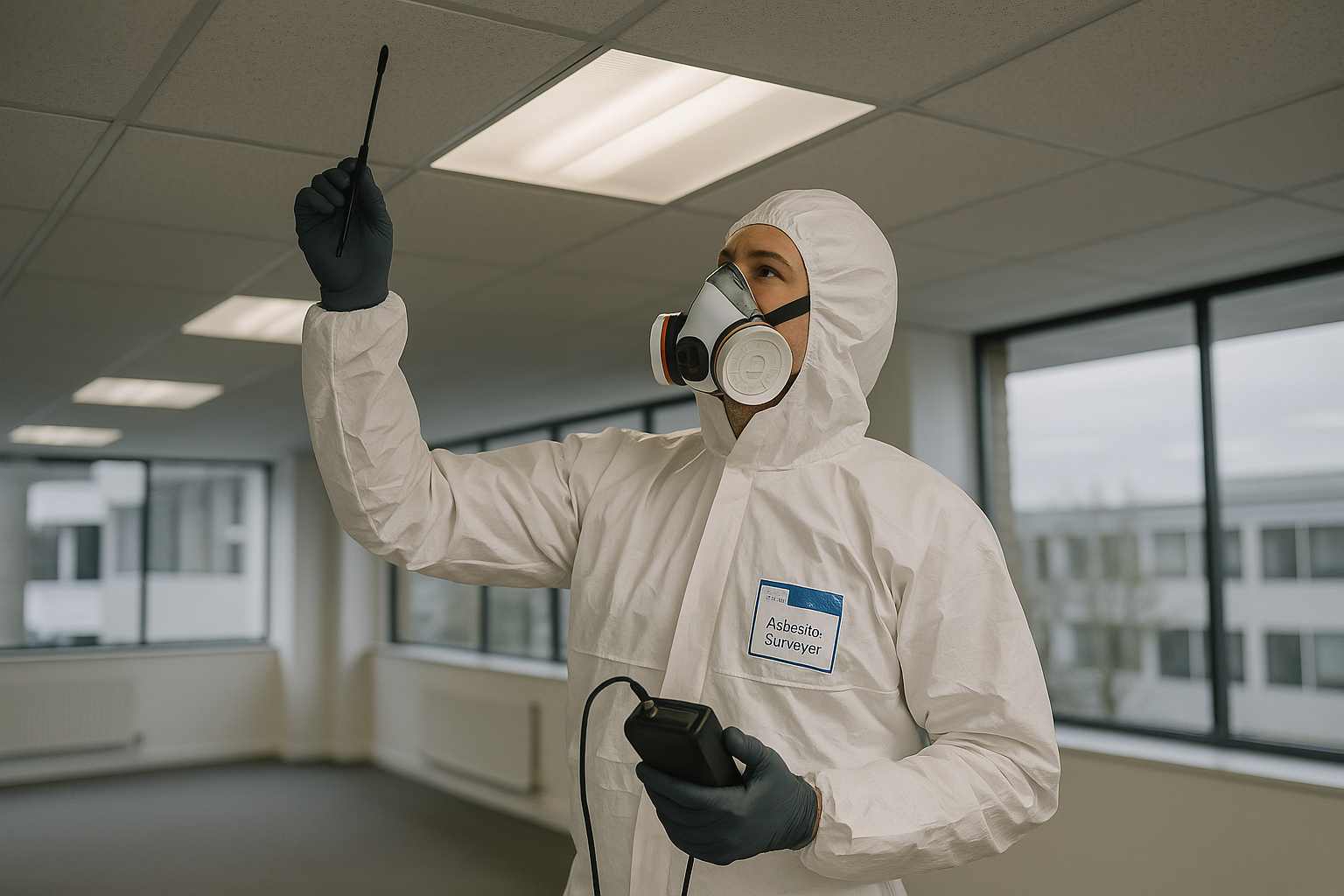
Suspected asbestos can turn a routine maintenance job into a legal, financial and safety problem very quickly. Before you authorise stripping work, vacate an area or accept a contractor’s recommendation, an asbestos consultant can give you the one thing you actually need first: evidence.
That matters because removal is not always the right answer. In many buildings, asbestos-containing materials can remain safely in place if they are identified properly, recorded, assessed and managed in line with the Control of Asbestos Regulations, HSE guidance and the survey standards set out in HSG264.
For landlords, duty holders, managing agents and commercial property owners, that early advice prevents expensive guesswork. A competent asbestos consultant helps you understand what is present, how risky it is, what your legal duties look like in practice and whether you need management, sampling, encapsulation, monitoring or full removal.
What does an asbestos consultant actually do?
An asbestos consultant assesses suspect materials, advises on risk and recommends the correct next step for the building and the work you have planned. Their role is to guide decisions using survey evidence, material condition and likely disturbance, rather than assumptions.
If you skip that stage and go straight to removal, you may end up paying for unnecessary work. You also risk disrupting occupants, delaying projects and failing to meet your duties if asbestos elsewhere in the building has not been identified properly.
A good asbestos consultant will typically help you:
- Identify likely asbestos-containing materials in the property
- Choose the right survey for occupation, maintenance or planned works
- Arrange safe sampling and laboratory testing where needed
- Interpret survey findings in plain language
- Assess whether materials can stay in place safely
- Support your asbestos register and management plan
- Advise when licensed or non-licensed removal is appropriate
This is especially useful when you are dealing with a pre-2000 property, inherited records that do not make sense, or contractors asking for asbestos information before they start work. An experienced asbestos consultant turns that uncertainty into a clear action plan.
Why speaking to an asbestos consultant before removal saves money and risk
Calling a removal contractor first is one of the most common mistakes property managers make. It can lead to an overreaction, particularly where the material is in good condition, sealed, low risk and unlikely to be disturbed.
An asbestos consultant starts from a different position. They look at the material, its condition, its accessibility, the building use, planned works and the duty to manage. That means the advice is proportionate to the actual risk.
Removal is not always the safest first step
People often assume asbestos is only safe once it has been removed. In reality, removal can create additional disturbance and must be carefully planned. If a material is stable and can be managed in place, that may be the more practical and compliant option.
Common examples include asbestos cement products, floor tiles or textured coatings that are undamaged and not affected by upcoming works. In those cases, a competent asbestos consultant may recommend recording, monitoring and communicating the presence of the material rather than removing it immediately.
Evidence first, action second
Before any decision is made, you need to know:
- Whether the material is likely to contain asbestos
- Whether sampling is needed to confirm it
- What condition the material is in
- Whether it is likely to be disturbed
- What legal duties apply to the premises and the planned work
That is where an asbestos consultant adds real value. They help you avoid paying for the wrong service and make sure the next step is defensible if your asbestos arrangements are ever reviewed by clients, contractors or regulators.
Choosing the right asbestos survey for your building
One of the most useful things an asbestos consultant does is match the survey type to the property and the work being planned. Using the wrong survey can leave asbestos unidentified in areas that later get disturbed.
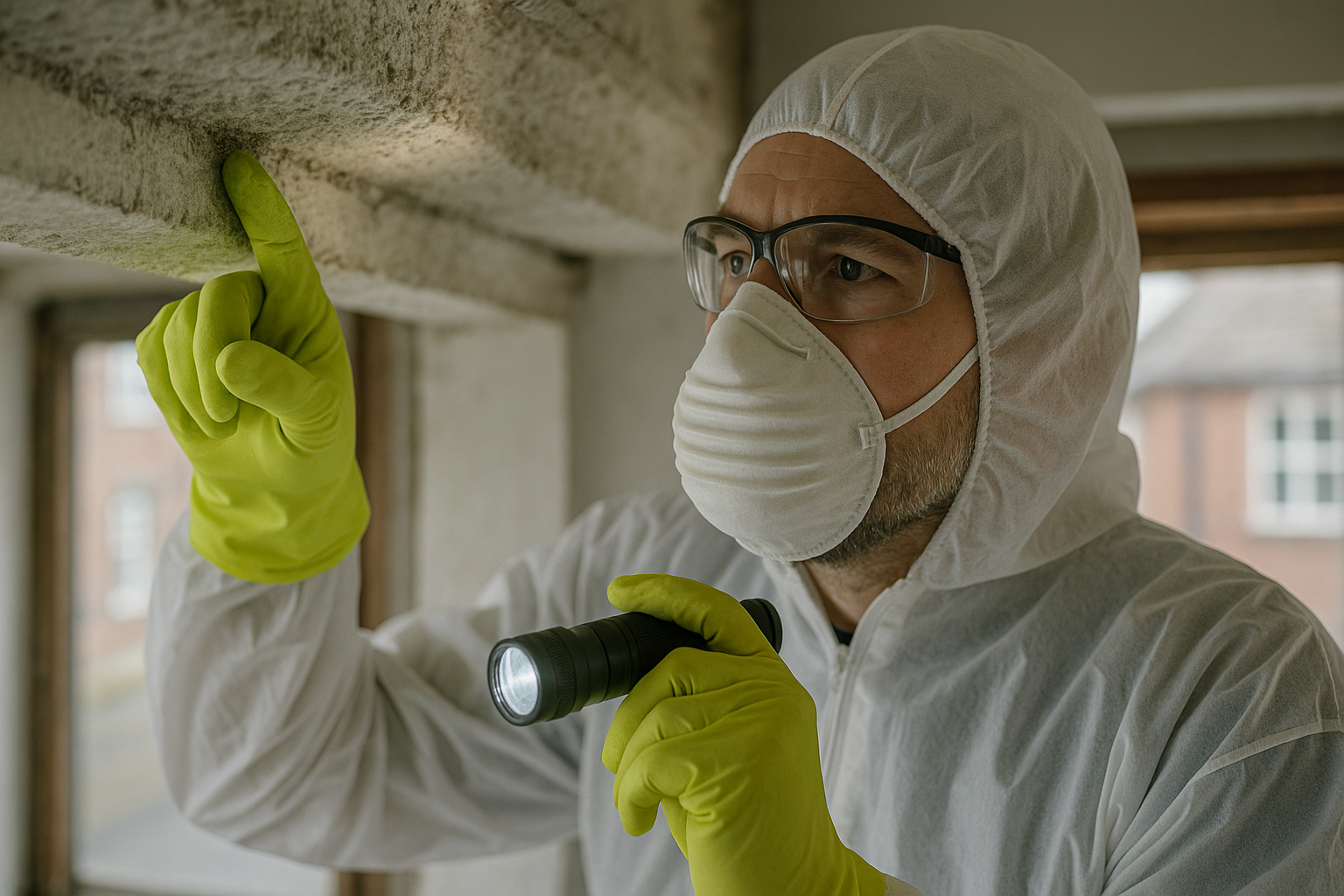
Survey selection should follow HSG264 and the practical needs of the site. The right answer depends on whether the premises are occupied, whether work is planned and how intrusive that work will be.
Management survey
For most occupied non-domestic premises, the starting point is a management survey. This is used to locate, as far as reasonably practicable, the presence and extent of asbestos-containing materials that could be damaged or disturbed during normal occupation, routine maintenance or simple installation work.
If you are responsible for an office, school, warehouse, retail unit or communal areas in residential property and do not yet have a usable asbestos register, this is usually where an asbestos consultant will point you first.
Refurbishment survey
If planned works will disturb the building fabric, a refurbishment survey is required before the work starts. This survey is intrusive and targets the specific areas affected by the project.
Whether you are replacing kitchens, opening ceilings, rewiring, removing partitions or upgrading services, an asbestos consultant should make sure the survey scope matches the actual work area. A vague survey is not enough.
Demolition survey
Where a structure is due to be demolished, a demolition survey is needed so asbestos-containing materials can be identified before demolition proceeds. This is a fully intrusive survey and the building should normally be vacant for the inspection.
An asbestos consultant will make sure this happens at the right stage of the project, not after demolition planning is already under way.
Re-inspection survey
If asbestos is being managed in place, condition checks must be reviewed at suitable intervals. A re-inspection survey helps confirm whether known asbestos-containing materials remain stable or whether the risk profile has changed.
For duty holders, this is not admin for the sake of it. A re-inspection gives you evidence that your asbestos management arrangements are active, current and based on the condition of the materials on site.
Asbestos consultant or asbestos removal contractor: who should you call first?
If you are still deciding what to do, call an asbestos consultant first. Removal contractors have an important role, but that role comes after identification, assessment and specification.
The first question is not “Who can remove this?” It is “What is this material, what risk does it present, and what action is actually required?”
Starting with an asbestos consultant gives you:
- An independent view of the material and the risk
- A recommendation based on survey evidence
- Clarity on whether removal is necessary at all
- A clearer project scope if removal is required
- Better control over cost, disruption and programme
That approach is particularly useful for managing agents and facilities teams juggling multiple contractors. It stops asbestos from becoming a last-minute issue that delays works once a site team is already mobilised.
Testing, sampling and laboratory confirmation
A visual inspection can suggest asbestos, but it cannot confirm it. If you need certainty, an asbestos consultant will recommend appropriate sampling and laboratory analysis.
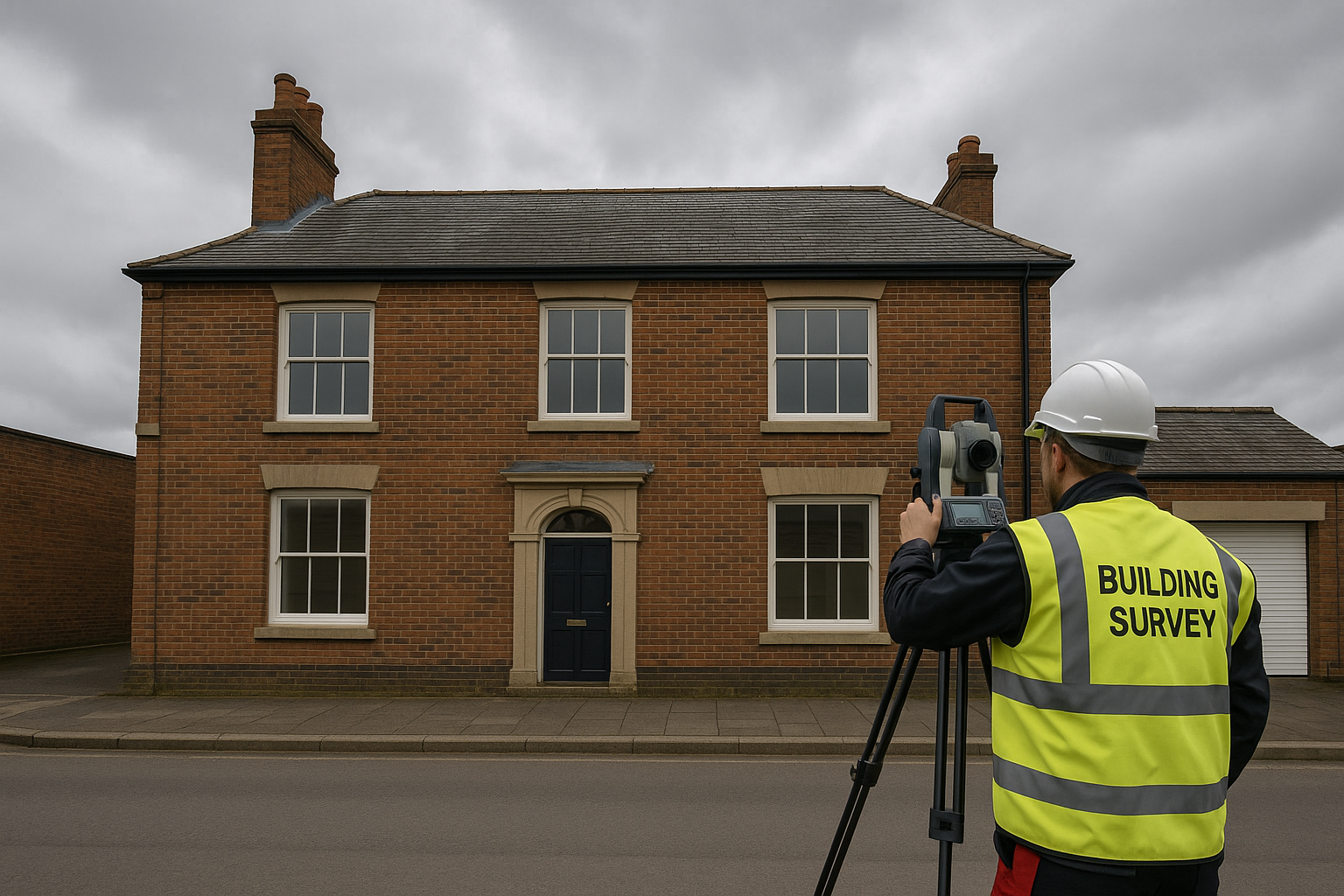
This is where many property owners save time and avoid argument. Instead of debating whether a board, tile, coating or insulation product “looks like asbestos”, you get a result that can be acted on.
Where confirmation is needed, Supernova can arrange asbestos testing as part of a survey or as a standalone service where appropriate. If you have a single suspect material and need a straightforward lab route, our sample analysis service can help.
When testing is usually needed
An asbestos consultant may recommend testing when:
- A suspect material needs to be identified before maintenance or refurbishment
- Existing records are missing, unclear or unreliable
- A contractor needs confirmation before starting work
- Damage has exposed a material and the risk needs assessing quickly
- You are buying, leasing or taking over responsibility for a building
Practical advice if you suspect asbestos
- Do not drill, scrape, sand or break the material yourself
- Stop work immediately if the material may be disturbed
- Keep others away from the area if damage is visible
- Check whether an asbestos register or previous survey already exists
- Speak to an asbestos consultant before instructing contractors
If you want more detail on the testing process, Supernova also provides dedicated information on asbestos testing for property owners, landlords and contractors.
When asbestos can be managed in place
Not every asbestos-containing material needs to be removed. In many cases, the safer and more proportionate option is to manage it in place.
A competent asbestos consultant will consider the material type, its condition, the likelihood of disturbance and the way the building is used. If the risk is low and properly controlled, management may be the correct course.
Situations where management may be appropriate
- The material is in good condition
- It is sealed or enclosed and not easily damaged
- It is in an area with limited access
- No refurbishment or intrusive maintenance is planned nearby
- The asbestos register and management plan are current and used properly
Management in place usually involves recording the material, assessing its risk, labelling or otherwise controlling access where appropriate, informing anyone who may disturb it and reviewing its condition at suitable intervals.
For duty holders in non-domestic premises, this sits directly within the duty to manage under the Control of Asbestos Regulations. An asbestos consultant can help make sure that process is practical rather than just paperwork.
When removal is the right answer
Sometimes removal is absolutely the correct option. The key is making that decision for the right reasons and with the right evidence behind it.
An asbestos consultant may recommend removal where the material is damaged, friable, likely to be disturbed or directly affected by planned works. In those cases, leaving it in place may not control the risk adequately.
Common reasons for recommending removal
- The material is broken, deteriorating or contaminated by damage
- Refurbishment work will disturb it
- The building is due for demolition
- Its location makes accidental disturbance likely
- Encapsulation or management would not be reliable enough
If removal is required, the work must be specified properly and carried out by a suitable contractor. Some higher-risk materials require a licensed contractor under the Control of Asbestos Regulations, and disposal must follow the relevant legal requirements.
Where survey findings point to the need for remedial action, Supernova can also help with asbestos removal support as part of a joined-up service.
How an asbestos consultant supports legal compliance
Legal compliance around asbestos is not just about having a survey on file. It is about having the right information, keeping it current and making sure it is actually used by the people planning or carrying out work.
An asbestos consultant helps bridge that gap between paper records and practical control measures.
Key compliance points for duty holders
For non-domestic premises, and for the common parts of some residential buildings, the duty to manage generally means you need to:
- Find out whether asbestos is present, or is likely to be present
- Keep an up-to-date record of its location and condition
- Assess the risk from those materials
- Prepare and implement a management plan
- Provide relevant information to anyone liable to disturb it
- Review the arrangements at suitable intervals
A survey report on its own does not fulfil every one of those duties. An asbestos consultant can help you turn survey findings into practical site management, contractor communication and re-inspection planning.
What good asbestos advice looks like
You should expect clear, usable information rather than generic wording. A competent asbestos consultant should be able to explain:
- What was found or presumed
- Where it is located
- What condition it is in
- What level of risk it presents
- What you need to do next
- Who needs to be told before work starts
If a report leaves your maintenance team or contractors guessing, it is not doing its job.
How to choose the right asbestos consultant
Not every provider offers the same level of survey quality, practical advice or reporting clarity. Choosing the right asbestos consultant can make the difference between a smooth project and a costly delay.
Look beyond basic business checks and focus on competence, methodology and communication.
Questions worth asking before you appoint anyone
- What survey type do you recommend and why?
- Will the scope match the planned works exactly?
- Will sampling be carried out where needed?
- How will the findings be presented in the report?
- Can you help with the asbestos register and management plan?
- What happens if removal is recommended?
Signs of a good asbestos consultant
- Strong knowledge of HSG264 and HSE guidance
- Experience with your property type and occupancy profile
- Clear survey scopes and practical reporting
- Straight answers without pressure selling
- The ability to explain technical findings in plain English
A reliable asbestos consultant should leave you with less confusion, not more. You should understand the risk, the legal position and the next step before any contractor starts work.
Practical steps to take before deciding on asbestos removal
If you suspect asbestos in a property, avoid making a rushed decision. A structured response is usually safer, quicker and cheaper.
- Stop any work that could disturb the suspect material
- Restrict access if the material is damaged or debris is visible
- Check for previous surveys, registers or refurbishment records
- Speak to an asbestos consultant about the building and planned works
- Arrange the correct survey or testing service
- Review the findings and recommended actions carefully
- Only proceed to removal if the evidence shows it is necessary
This process gives you a clear audit trail and helps protect occupants, contractors and budgets. It also reduces the chance of emergency decisions being made halfway through a project.
Property types an asbestos consultant can help with
An asbestos consultant is useful across a wide range of properties, not just heavy industrial sites. Asbestos can still be found in many older buildings in products such as insulating board, cement sheets, floor tiles, pipe insulation, textured coatings and ceiling materials.
Typical clients include:
- Commercial landlords
- Managing agents
- Facilities managers
- Schools and education settings
- Retail and hospitality businesses
- Industrial and warehouse operators
- Housing providers and block managers
- Contractors planning intrusive works
If your property is in the capital, Supernova also provides an asbestos survey London service, alongside nationwide support across the UK.
Why Supernova is the right first call
Supernova Asbestos Surveys has completed more than 50,000 surveys nationwide, supporting duty holders, landlords, managing agents, contractors and business owners with clear, evidence-led advice. Whether you need a survey, targeted testing, re-inspection support or help understanding whether removal is actually necessary, our team will point you in the right direction.
If you need an experienced asbestos consultant, Supernova can help you assess the risk, choose the right service and move forward with confidence. To get started, book a survey, call 020 4586 0680 or visit asbestos-surveys.org.uk.
Frequently Asked Questions
Can I hire an asbestos consultant before deciding on removal?
Yes. In fact, that is usually the best starting point. An asbestos consultant can assess the material, recommend the right survey or testing and tell you whether removal is necessary or whether the material can be managed safely in place.
Is an asbestos consultant different from a removal contractor?
Yes. An asbestos consultant focuses on identification, risk assessment, surveys, sampling and advice. A removal contractor carries out the physical removal work where that is required. The consultant should usually be involved first so the correct action is specified.
Do I always need testing if I suspect asbestos?
Not always, but you do need enough information to manage the risk properly. An asbestos consultant may recommend laboratory testing where a material needs to be confirmed before maintenance, refurbishment or removal decisions are made.
When is asbestos safe to leave in place?
Asbestos can sometimes be left in place if it is in good condition, unlikely to be disturbed and managed properly through an asbestos register and management plan. An asbestos consultant can assess whether that is a suitable option for your building.
What survey do I need before refurbishment works?
If the work will disturb the fabric of the building, you will usually need a refurbishment survey before work starts. An asbestos consultant can confirm the correct survey scope based on the planned works and the areas affected.