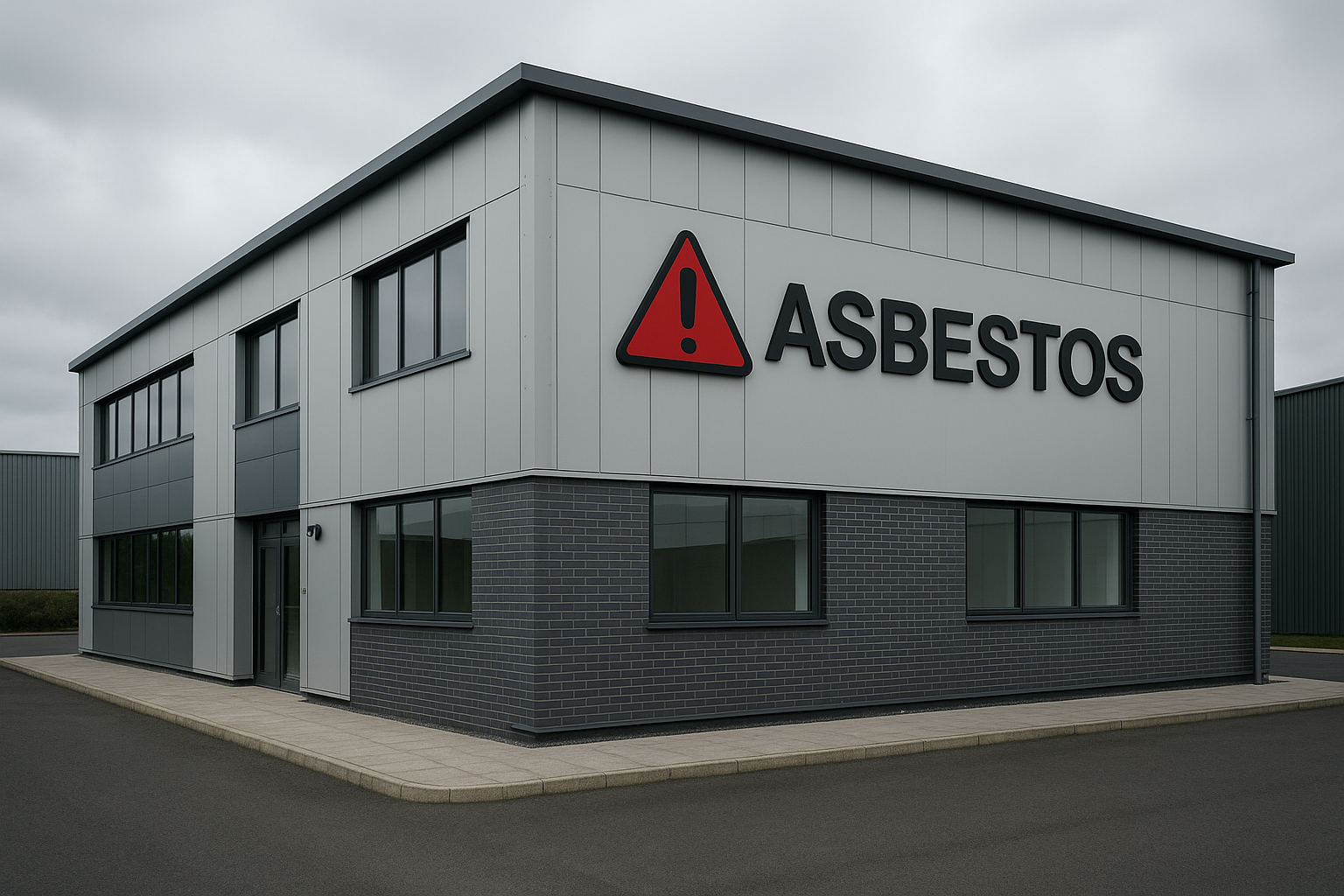
Asbestos still shapes decisions in UK property every day. It may be hidden in a riser, locked inside an old ceiling system or buried behind a service duct, but the risk becomes very real the moment fibres are disturbed and inhaled.
For property managers, dutyholders and contractors, asbestos is not just a historical material. It is a live compliance issue, a health risk and a practical problem that must be managed properly under the Control of Asbestos Regulations, with survey work carried out in line with HSG264 and wider HSE guidance.
What is asbestos?
Asbestos is a name used for a group of naturally occurring silicate minerals that separate into very fine, durable fibres. Those fibres resist heat, chemicals and wear, which is exactly why asbestos became so widely used in construction, manufacturing and industrial products.
The same qualities that made asbestos commercially attractive also made it dangerous. When asbestos-containing materials are damaged, drilled, cut, broken or allowed to deteriorate, fibres can become airborne and enter the lungs.
Etymology of asbestos
The word asbestos comes from the ancient Greek term often translated as “inextinguishable” or “unquenchable”. That name reflects the mineral’s resistance to heat and flame, which explains why asbestos was prized for insulation, fire protection and thermal control long before modern building regulations existed.
You may also see older references linking asbestos with words describing something imperishable or difficult to destroy. In practical terms, that durability is part of the problem: asbestos materials can remain in buildings for decades.
Early references and uses of asbestos
Asbestos is not a modern discovery. Historical references show that fibrous minerals with fire-resistant properties were known and used in the ancient world, particularly in textiles, lamp wicks and ceremonial items where heat resistance offered a clear advantage.
For centuries, asbestos remained more of a curiosity than a mass-market material. That changed when industrial production expanded and asbestos could be mined, processed and added to an enormous range of products.
From curiosity to industrial material
Once heavy industry developed, asbestos moved from specialist use into mainstream manufacturing. It appeared in insulation, cement products, gaskets, brake linings, sprayed coatings, boards and many other materials used across factories, ships and buildings.
In the UK, asbestos became deeply embedded in construction. It was used because it was cheap, effective and versatile, especially where fire resistance, acoustic control and thermal insulation were required.
Why asbestos was used so widely in construction
Construction adopted asbestos because it solved several practical problems at once. It could improve fire performance, reduce heat loss, strengthen certain products and help control noise.
That made asbestos common in both commercial and domestic settings, especially in buildings constructed or altered before the final UK prohibition on asbestos-containing materials.
Common asbestos uses in buildings
Asbestos was used in high-risk and lower-risk materials alike. Some products are friable and release fibres easily when disturbed, while others hold fibres more tightly until they are cut, abraded or broken.
- Pipe lagging and thermal insulation
- Sprayed coatings on beams and ceilings
- Asbestos insulating board in partitions, soffits and service enclosures
- Ceiling tiles and panels
- Textured coatings
- Floor tiles and bitumen adhesives
- Asbestos cement sheets, gutters and flues
- Boilers, calorifiers, gaskets and rope seals
- Fire doors, panels and lift shaft materials
- Older electrical components and fuse boards
If you manage older premises, asbestos should never be treated as unlikely just because it is not visible. Hidden materials are often the ones disturbed during maintenance and refurbishment.
Types of asbestos
There are several recognised types of asbestos, but in practical building management terms the three most discussed are chrysotile, amosite and crocidolite. Each has different fibre characteristics, though all forms of asbestos are hazardous.
These mineral types sit within two broader families: the serpentine group and the amphibole group.
Serpentine group
The serpentine group includes chrysotile, often called white asbestos. Its fibres are curly and more flexible than amphibole fibres, which helped make it useful in cement products, textured coatings, floor coverings, gaskets and many composite materials.
Chrysotile was widely used in UK buildings and remains one of the forms most often found during surveys. Its widespread use does not make it safe. If disturbed, chrysotile-containing materials can still release dangerous fibres.
Amphibole group
The amphibole group includes amosite and crocidolite, along with less commonly encountered forms such as tremolite, actinolite and anthophyllite. Amphibole fibres are straighter and needle-like, and some amphibole materials are associated with particularly high-risk applications.
In buildings, amosite was commonly used in asbestos insulating board and thermal insulation products. Crocidolite, often called blue asbestos, appeared in some spray coatings, insulation and specialist products where heat and chemical resistance were needed.
Surveyors and analysts identify asbestos by laboratory testing rather than visual guesswork. Different products can contain mixed fibre types, and appearance alone is not enough.
Discovery of toxicity
The health dangers of asbestos were not understood at the same time its commercial use expanded. Early industrial users valued performance first, while the long-term effects of inhaling fibres emerged more gradually through occupational experience and medical observation.
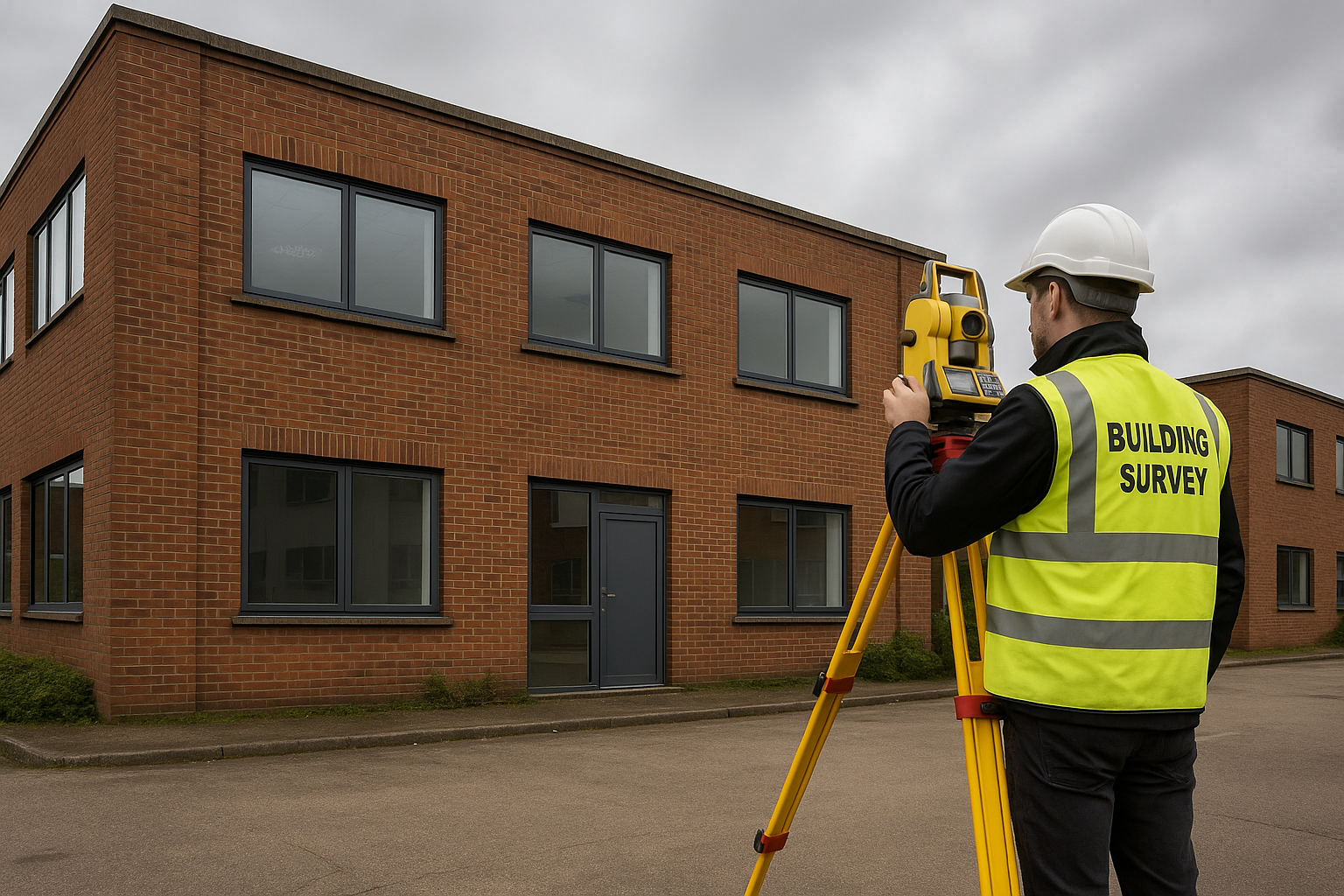
Over time, evidence linked asbestos exposure with serious lung disease, pleural disease and cancer. That changed how asbestos was viewed: from a useful industrial mineral to a tightly regulated hazardous material.
How the risk became clear
Workers handling raw asbestos or heavily contaminated products often experienced the highest exposure. Mining, insulation work, shipbuilding, lagging, manufacturing and building maintenance all created conditions where fibres could be inhaled repeatedly.
As understanding improved, regulators and employers could no longer treat asbestos dust as ordinary nuisance dust. The issue was not just visible debris. The real danger came from microscopic fibres that stayed airborne and entered the lungs.
That history matters today because many buildings still contain asbestos installed before the full scale of the health risk was properly acted upon. Modern dutyholders inherit that legacy and must manage it responsibly.
How asbestos harms health
When asbestos fibres are inhaled, some can lodge deep in the lungs or in the pleura, the lining around the lungs. The body does not easily break these fibres down, and the resulting irritation and inflammation can contribute to disease over many years.
One of the hardest aspects of asbestos exposure is latency. Illness may not appear until decades after exposure, which is why uncontrolled disturbance in a plant room or ceiling void can have consequences long after the task is forgotten.
Main asbestos-related diseases
- Mesothelioma – a cancer affecting the lining of the lungs or abdomen
- Asbestosis – scarring of lung tissue following substantial fibre inhalation over time
- Lung cancer – risk can increase with asbestos exposure
- Diffuse pleural thickening – thickening of the lining around the lungs that can restrict breathing
- Pleural plaques – localised areas of pleural thickening that may indicate previous exposure
Medical diagnosis sits with clinicians, but prevention sits with those controlling the building, the work and the asbestos information. That is why survey records, asbestos registers and contractor briefings matter so much.
How can people be exposed to asbestos?
Asbestos exposure usually happens when fibres are released from damaged or disturbed asbestos-containing materials. Intact materials in good condition may present a lower immediate risk, but once work starts the situation can change quickly.
People do not need to work in demolition to be exposed. Exposure can happen during routine maintenance, minor repairs, refurbishment, cleaning or even accidental damage.
Typical exposure routes in buildings
- Drilling into walls, ceilings or soffits without checking asbestos records
- Cutting or removing old panels, boards or ducts
- Damaging pipe lagging during maintenance
- Breaking asbestos cement sheets during roof work
- Lifting old floor finishes and disturbing adhesive residues
- Accessing service risers, plant rooms and ceiling voids
- Using power tools on textured coatings or insulating board
- Poorly planned strip-out or soft demolition works
Secondary exposure can also occur if contaminated dust is spread on clothing, tools or surfaces. That is one reason incident control and decontamination procedures matter when asbestos has been disturbed.
Who is most at risk?
Higher-risk groups often include maintenance workers, electricians, plumbers, heating engineers, joiners, demolition operatives, surveyors, facilities teams and anyone carrying out intrusive work in older premises. Property managers are not usually the ones disturbing asbestos directly, but they are often the people responsible for making sure nobody works blind.
If contractors arrive on site without clear asbestos information, the management process has already failed.
Asbestos laws and regulations in the UK
In the UK, asbestos is controlled through a clear legal framework. The key duties sit under the Control of Asbestos Regulations, supported by HSE guidance and survey expectations set out in HSG264.
For dutyholders, the legal issue is straightforward: if asbestos may be present, you must identify the risk, assess it properly and prevent exposure. That applies particularly to non-domestic premises and the common parts of certain residential buildings.
Core legal duties
- Take reasonable steps to find out if asbestos is present
- Presume materials contain asbestos where necessary unless there is strong evidence otherwise
- Keep an up-to-date record of the location and condition of asbestos-containing materials
- Assess the risk of anyone being exposed to fibres
- Prepare and implement a plan to manage that risk
- Provide asbestos information to anyone liable to disturb the material
- Review and monitor the condition of known materials
These duties are practical, not theoretical. If your register is out of date, if your survey does not cover the work area or if contractors are not briefed, you are exposed legally as well as operationally.
What HSG264 means in practice
HSG264 sets the standard for asbestos survey work. It explains what surveys are for, how they should be planned and what a suitable report should contain.
That matters because not every survey answers the same question. A report prepared for normal occupation is not a substitute for intrusive pre-refurbishment investigation.
Phasing of asbestos use and prohibition in the UK
The story of asbestos in the UK is also a story of phasing. As health risks became clearer, restrictions tightened, certain fibre types were prohibited earlier than others and the legal position moved step by step towards full prohibition.
This phased approach explains why older buildings can contain different asbestos types in different products from different periods. It also explains why assumptions based only on building age can be risky.
Why phasing matters to property managers
Phasing affects what may still be present in a building. A premises altered over several decades may contain asbestos from multiple construction or refurbishment phases, including hidden materials added long after the original build.
That is why survey scope matters. You need evidence from the actual location and actual fabric of the building, not a rough guess based on when the site first opened.
Managing asbestos in construction and refurbishment
Construction and refurbishment create some of the highest asbestos risks because they disturb the building fabric. A ceiling tile replacement, riser upgrade or plant room alteration can expose materials that were stable for years.
Before any intrusive work begins, asbestos information must match the planned activity. If it does not, stop and get the right survey or sampling completed first.
Choosing the right asbestos survey
For routine occupation and standard maintenance, a management survey helps identify accessible asbestos-containing materials that could be disturbed during normal use or foreseeable minor works.
Where a building or part of it is due to be demolished, a demolition survey is required so asbestos can be identified and dealt with before demolition proceeds.
Refurbishment work also needs intrusive asbestos inspection of the specific area affected. Using a non-intrusive survey for intrusive works is a common and costly mistake.
When targeted sampling is enough
Sometimes the immediate issue is a single suspect material rather than a full building survey. In that situation, professional sample analysis can confirm whether asbestos is present and support the next decision.
Do not treat sampling as a casual task. If the material is damaged, friable or in a sensitive occupied area, competent attendance on site is the safer option.
Where asbestos is commonly found today
Asbestos is still found across offices, schools, industrial units, retail premises, hospitals, warehouses and residential common areas. The exact location varies, but certain hotspots appear again and again during surveys.
- Ceiling voids and roof spaces
- Service ducts and risers
- Boiler rooms and plant enclosures
- Partition walls and fire breaks
- Soffits, panels and boxing
- Floor coverings and adhesive beds
- External cement roofs, gutters and cladding
- Lift motor rooms and service cupboards
- Old doors, panels and fire protection systems
If work involves opening up hidden spaces, asbestos should remain a live possibility until proper evidence says otherwise.
Practical steps if asbestos is suspected or disturbed
When asbestos is suspected, speed matters, but so does control. The worst response is to keep working and hope for the best.
- Stop work immediately.
- Keep people away from the area.
- Do not sweep, brush or use a standard vacuum cleaner.
- Check the asbestos register and survey records.
- Report the issue to the dutyholder or responsible person.
- Arrange competent assessment and, where needed, sampling or remedial action.
If there is visible debris, dust or damaged insulation, treat the situation seriously until proven otherwise. A short delay is far better than uncontrolled exposure.
Common mistakes that lead to asbestos incidents
Most asbestos incidents are not caused by rare surprises. They happen because someone starts work without the right information or ignores obvious warning signs.
- Assuming a material is safe because it looks solid
- Relying on an old survey that does not match the work area
- Failing to check hidden spaces such as risers and ceiling voids
- Starting strip-out before intrusive asbestos investigation
- Forgetting plant, insulation and older service components
- Not briefing subcontractors before arrival on site
- Using power tools on suspect materials
A good asbestos system removes guesswork. It makes the register easy to access, the survey scope clear and the contractor briefing impossible to miss.
Asbestos management for dutyholders and property managers
Good asbestos management is an ongoing process, not a one-off report filed away after purchase or handover. Buildings change, maintenance plans evolve and materials deteriorate.
Your asbestos arrangements should make it easy for anyone planning work to answer three questions quickly: is asbestos present, where is it and what controls apply?
A workable management routine
- Keep the asbestos register current and accessible
- Review survey coverage before maintenance, fit-out or refurbishment
- Reinspect known asbestos-containing materials periodically
- Record changes in condition promptly
- Flag asbestos risks through permit-to-work and contractor induction systems
- Escalate damage immediately rather than waiting for the next planned review
Where asbestos is in good condition and unlikely to be disturbed, managing it in place may be appropriate. Where it is damaged or likely to be affected by planned works, further controls, encapsulation or removal may be needed following proper assessment.
Local asbestos survey support
Property portfolios rarely sit in one place, and asbestos management needs to work site by site. If you need support in the capital, arranging an asbestos survey London service can help you get clear information before maintenance or project work begins.
For sites in the North West, an asbestos survey Manchester appointment can provide the evidence needed for compliance and safe planning. In the Midlands, an asbestos survey Birmingham service gives the same practical support for dutyholders managing older premises.
The key point is consistency. Every site needs suitable asbestos information that matches the building and the work, not a generic assumption copied from another location.
Frequently Asked Questions
What is asbestos and why was it used so much?
Asbestos is a group of fibrous minerals valued for heat resistance, strength and durability. It was used widely in construction and industry because it improved fire protection, insulation and product performance at relatively low cost.
Are all types of asbestos dangerous?
Yes. Chrysotile, amosite, crocidolite and other asbestos types are all hazardous. Some products and fibre types present higher practical risk than others, but no form of asbestos should be treated as safe when disturbed.
How do people usually get exposed to asbestos?
Exposure usually happens when asbestos-containing materials are drilled, cut, broken, sanded or allowed to deteriorate. Maintenance, refurbishment and demolition work are common triggers, especially in older buildings.
What law applies to asbestos in UK buildings?
The main legal framework is the Control of Asbestos Regulations, supported by HSE guidance. Survey work should follow HSG264 so dutyholders have suitable information for management, maintenance and intrusive works.
What should I do if I suspect asbestos in my building?
Do not disturb it. Stop any planned work in the area, check existing asbestos records and arrange competent survey or sampling. If material has already been damaged, isolate the area and seek urgent professional advice.
Get expert help with asbestos
If you need clear, compliant advice on asbestos in a commercial, industrial or residential building, Supernova Asbestos Surveys can help. We provide surveys, sampling and practical support that fits real maintenance, refurbishment and demolition planning.
Call 020 4586 0680 or visit asbestos-surveys.org.uk to book a survey, discuss suspect materials or get fast guidance from an experienced asbestos team.