
Searches for a new treatment for asbestosis usually begin at a difficult moment. Someone has been diagnosed, symptoms are getting worse, or a family member is trying to understand what the future might look like after years of asbestos exposure.
The honest answer is clear. There is no cure that can reverse established asbestosis, but there are better ways to manage symptoms, protect lung function where possible, and improve day-to-day quality of life. For property managers, landlords, employers, and dutyholders, the wider lesson is just as important: prevention still matters more than any new treatment for asbestosis.
What asbestosis is and why a new treatment for asbestosis is so difficult
Asbestosis is a chronic lung disease caused by inhaling asbestos fibres over time. Those fibres can reach deep into the lungs and trigger scarring, also known as fibrosis.
Once that scarring develops, the lungs become less elastic. Breathing takes more effort, exercise becomes harder, and symptoms often worsen gradually over time.
This is exactly why a new treatment for asbestosis is challenging to develop. Doctors are not dealing with a simple infection or short-term inflammation. They are dealing with permanent fibrotic change in lung tissue, and medicine cannot simply remove that scarring once it is established.
It is also worth separating asbestosis from other asbestos-related conditions. Asbestosis is not the same as mesothelioma, pleural disease, or asbestos-related lung cancer. They share a link to asbestos exposure, but they are different diseases and need different medical assessment and management.
Common symptoms of asbestosis
Symptoms often appear many years after the original exposure. That long delay is one reason asbestos remains such a serious issue in older UK buildings.
- Shortness of breath, especially during activity
- Persistent cough
- Chest tightness or discomfort
- Fatigue
- Reduced exercise tolerance
- Finger clubbing in some cases
These symptoms are not unique to asbestosis. Breathlessness can also be caused by COPD, asthma, heart disease, other interstitial lung diseases, or a combination of conditions, so proper medical assessment is essential.
Current care: the reality behind any new treatment for asbestosis
Anyone looking for a new treatment for asbestosis needs a realistic picture of what care looks like now. Current treatment is usually supportive rather than curative, but that does not mean it is ineffective.
Good respiratory care can improve comfort, help people stay active for longer, and reduce the impact of symptoms on daily life. Management is usually led by a respiratory specialist and based on symptoms, imaging, lung function tests, oxygen levels, and any sign of other asbestos-related disease.
Pulmonary rehabilitation
Pulmonary rehabilitation is one of the most useful interventions available. It combines supervised exercise, breathing techniques, and education to help people manage breathlessness more effectively.
It does not remove scarring, but it can make a meaningful difference. Many patients find they can walk further, recover more quickly after exertion, and feel more confident managing everyday activity.
Oxygen therapy
If oxygen levels are low, home oxygen may be prescribed after proper assessment. This is not a cure, but it can reduce strain on the body and make daily life more manageable.
Oxygen should always be guided by a specialist team. It needs proper review, correct use, and ongoing monitoring.
Vaccination and infection prevention
Scarred lungs are often more vulnerable to chest infections. Preventing infection is a practical part of care and should not be treated as an afterthought.
- Follow clinical advice on flu vaccination
- Follow clinical advice on pneumonia vaccination
- Report worsening cough, fever, or increased breathlessness promptly
- Avoid smoking and smoky environments
- Manage any co-existing lung disease carefully
Inhalers and symptom relief
Inhalers do not treat the fibrosis itself. They may still help if someone also has COPD, asthma, or another airway condition.
Some patients also benefit from treatment for cough, anxiety linked to breathlessness, poor sleep, or reduced exercise tolerance. That is why headlines about a single new treatment for asbestosis can be misleading. In practice, care is often more effective when it is tailored to the individual.
Monitoring for complications
Follow-up matters because asbestos exposure can also be associated with pleural disease and a higher risk of certain cancers. Ongoing review may include imaging, lung function testing, oxygen assessment, and specialist appointments depending on symptoms and exposure history.
Is there a genuine new treatment for asbestosis in development?
This is the question most people really want answered. Is there a breakthrough on the horizon?
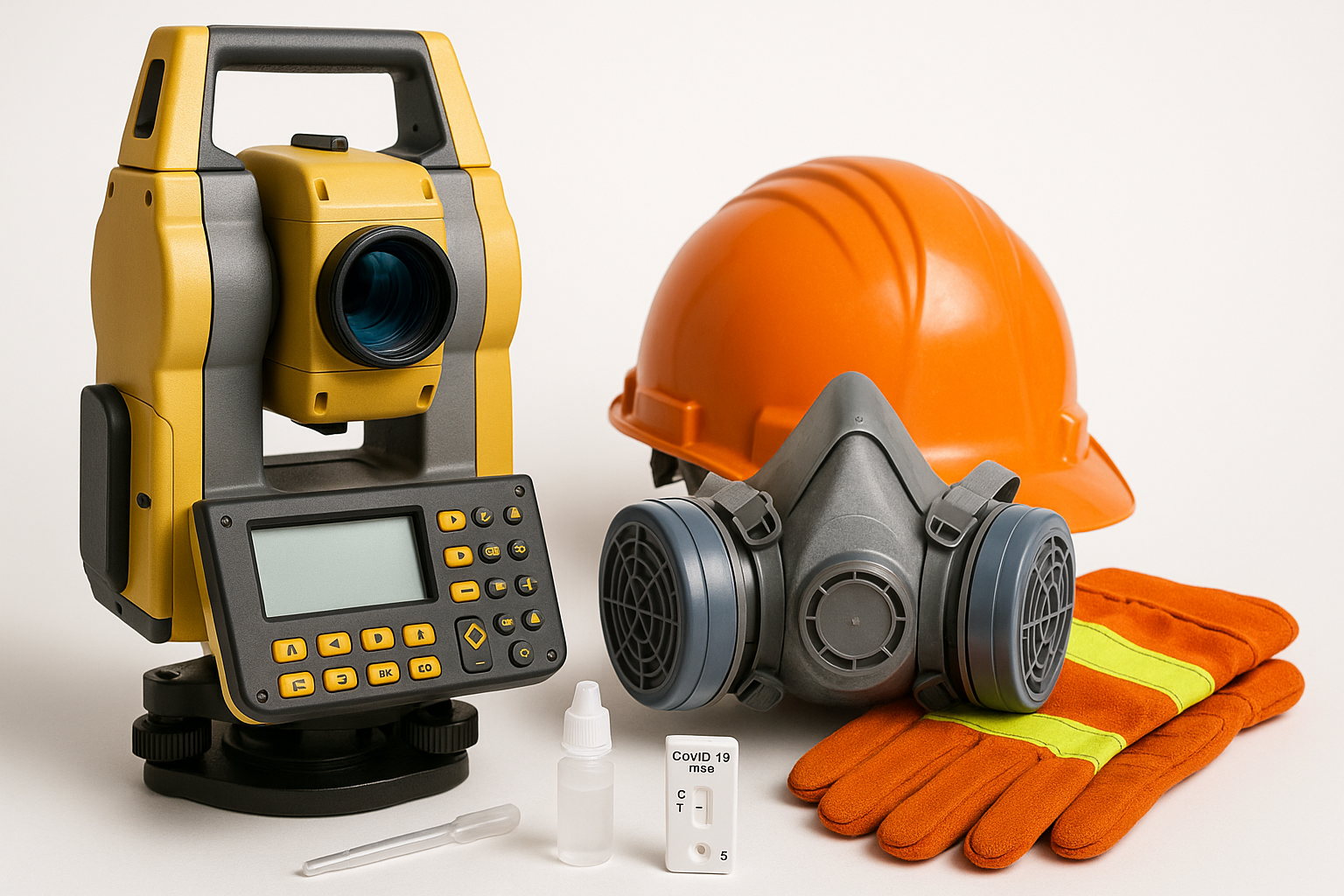
At present, there is no established new treatment for asbestosis in routine clinical practice that reverses the disease. There is, however, continuing research into fibrotic lung disease, anti-inflammatory pathways, and medicines that may affect how scarring develops.
That matters, but it needs to be kept in perspective. Research interest is not the same as proven routine treatment. Anyone considering treatment options should rely on their respiratory consultant rather than online forums, dramatic headlines, or unverified claims.
Anti-fibrotic research
Some medicines used in other fibrotic lung diseases have prompted interest in whether they could play a role in asbestos-related fibrosis. Scientifically, that is promising.
Clinically, it does not mean those medicines are established standard care for asbestosis. The phrase new treatment for asbestosis often gets used too loosely online, and that can create false hope.
Earlier diagnosis and better imaging
One area where real progress has been made is earlier recognition. Better imaging and more detailed lung function assessment can help clinicians understand severity sooner and plan support more effectively.
Earlier diagnosis can lead to:
- Earlier symptom management
- Smoking cessation support where relevant
- Quicker referral to pulmonary rehabilitation
- Closer monitoring for complications
- More informed advice about work and activity
More personalised care
Another practical improvement is the move towards more personalised respiratory care. Treatment plans can now be shaped around oxygen needs, activity levels, infection risk, co-existing conditions, and palliative symptom support where needed.
So if someone asks whether there is a new treatment for asbestosis, the most accurate answer is this: progress is happening, but mostly through improved management, earlier intervention, and better tailored care rather than a single curative breakthrough.
How asbestosis is diagnosed properly
A diagnosis should never be made from symptoms alone. Breathlessness and cough are common in many lung and heart conditions, so doctors need a full clinical picture.
Assessment usually includes medical history, occupational exposure history, imaging, lung function testing, and clinical examination. The exposure history is especially important.
What doctors usually look at
- Detailed exposure history
- Occupational history
- Chest imaging, which may include CT scanning where appropriate
- Lung function tests
- Clinical examination
Jobs in construction, demolition, insulation, shipbuilding, manufacturing, maintenance, and building services have all been associated with asbestos exposure. Secondary exposure can also happen, for example through contaminated work clothing brought home.
If there is concern about asbestos in a building now, the right next step is not guesswork. It is proper identification through survey and sampling, carried out in line with the Control of Asbestos Regulations, HSG264, and relevant HSE guidance.
Prevention matters more than any new treatment for asbestosis
No new treatment for asbestosis will ever be as valuable as preventing exposure in the first place. That is where building owners, dutyholders, landlords, managing agents, and facilities teams have a direct role.
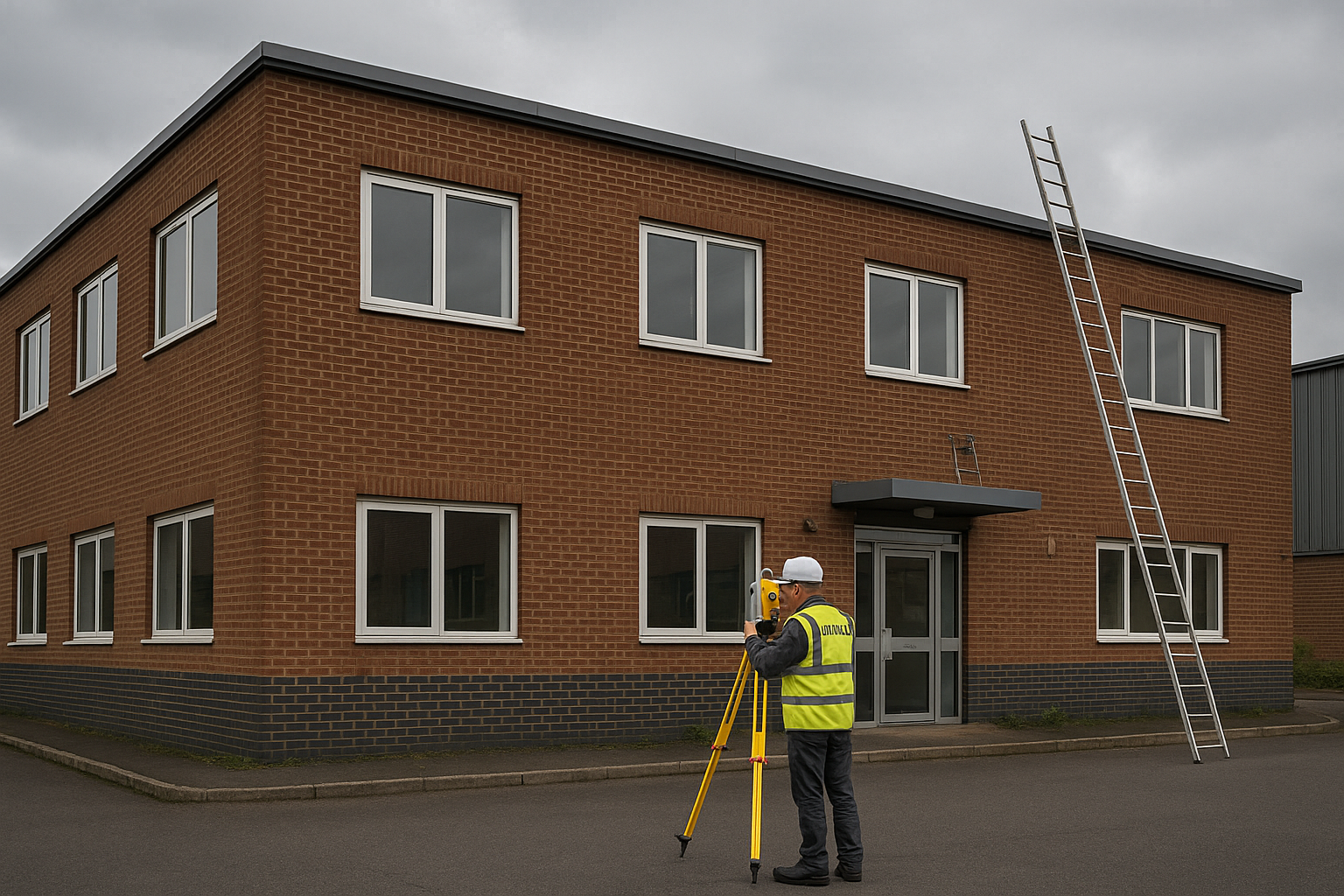
Under the Control of Asbestos Regulations, those responsible for non-domestic premises must manage asbestos risk properly. HSG264 and HSE guidance set out how asbestos surveys should be planned, undertaken, and reported.
If a building was constructed or refurbished before the asbestos ban was fully in effect, asbestos may still be present. Unless you have reliable evidence showing otherwise, that is the safest assumption to work from.
When different asbestos surveys are needed
Different situations call for different surveys. Choosing the wrong one can delay work, create compliance problems, or leave people exposed.
- A management survey is used to locate, as far as reasonably practicable, asbestos-containing materials that could be damaged or disturbed during normal occupation and routine maintenance.
- A refurbishment survey is needed before intrusive work starts, because refurbishment can disturb hidden asbestos in walls, ceilings, risers, floor voids, service ducts, and other concealed areas.
- A re-inspection survey helps confirm that known asbestos-containing materials remain in suitable condition and that the management plan is still appropriate.
What practical compliance looks like
For most dutyholders, asbestos control is not complicated in theory. The challenge is doing the basics properly and consistently.
- Know whether asbestos is present
- Keep an up-to-date asbestos register
- Assess the risk from identified materials
- Share asbestos information with contractors before work begins
- Review asbestos-containing materials regularly
- Arrange suitable remedial action where needed
If materials are damaged, deteriorating, or likely to be disturbed, professional asbestos removal may be necessary. The right response depends on the material, its condition, its location, and the work being planned.
What to do if you are worried about exposure now
If someone may have been exposed to asbestos recently, the priority is to stay calm and stop the situation getting worse. Panic often leads to sweeping, vacuuming, or breaking up suspect material, which can increase fibre release.
Take these steps straight away:
- Stop work immediately
- Keep other people out of the area
- Avoid disturbing the material further
- Do not dry sweep debris
- Do not use a standard vacuum cleaner
- Arrange professional sampling or surveying
- Record who may have been exposed and when
For a small suspect material in limited circumstances, a posted testing kit can help establish whether asbestos is present. If the concern relates to a wider area, planned works, or commercial premises, a full survey is usually the safer and more defensible route.
Medical advice should be sought if there has been significant exposure, particularly repeated occupational exposure over time. A single short exposure does not automatically mean someone will develop disease, but it should still be taken seriously and documented properly.
Why building safety is broader than asbestos alone
Asbestos risk rarely sits in isolation. The same building may also have ageing services, poor records, compartmentation defects, or planned works that create several compliance issues at once.
That is why many dutyholders review asbestos planning alongside a fire risk assessment. It gives a broader view of building safety, contractor control, and legal compliance.
For example, opening service risers, replacing ceilings, drilling through walls, or altering fire doors can affect both asbestos management and fire safety. Joined-up planning helps avoid delays, rework, and expensive mistakes.
What to expect from a professional asbestos survey
A proper asbestos survey is not just a paperwork exercise. It should be completed by competent surveyors, with samples analysed by a UKAS-accredited laboratory, and the final report should align with HSG264 and HSE guidance.
When the process is handled properly, you get clear findings and practical next steps rather than vague warnings.
Typical survey process
- Booking: property details, scope, and access arrangements are confirmed
- Site visit: a qualified surveyor inspects the relevant areas
- Sampling: representative samples are taken from suspect materials where required
- Analysis: samples are tested by a UKAS-accredited laboratory
- Report: you receive findings, material assessments, and recommendations
This is especially useful for landlords, managing agents, schools, offices, retailers, and industrial sites that need defensible records and practical advice.
If your property is in the capital, booking an asbestos survey London service can help you move quickly on compliance and planned works. The same applies regionally, whether you need an asbestos survey Manchester appointment or an asbestos survey Birmingham visit for local support.
Practical advice for employers, landlords, and property managers
When people search for a new treatment for asbestosis, the focus is naturally on medicine. But if you manage premises or instruct contractors, your most useful contribution is prevention.
That means making asbestos information easy to find, checking survey records before work starts, and never assuming a material is safe because it looks harmless.
Simple steps that reduce risk
- Review your asbestos register before maintenance or contractor visits
- Make sure survey types match the work being planned
- Do not allow intrusive works to begin without the right information
- Brief contractors on known asbestos-containing materials
- Arrange re-inspections where asbestos is being managed in place
- Act quickly if materials are damaged or deteriorating
These are straightforward steps, but they prevent avoidable exposure. In real terms, that is more powerful than waiting for a future new treatment for asbestosis that may or may not change established disease.
Frequently Asked Questions
Is there a new treatment for asbestosis that cures the disease?
No. There is currently no established treatment that cures or reverses established asbestosis. Care focuses on symptom control, pulmonary rehabilitation, oxygen assessment where needed, infection prevention, and specialist monitoring.
Can lung scarring from asbestos be reversed?
Established scarring from asbestosis cannot usually be reversed. That is why early recognition, symptom management, and preventing further exposure are so important.
What is the best current treatment for asbestosis?
The best treatment depends on the individual. Many patients benefit from pulmonary rehabilitation, specialist respiratory review, vaccination advice, management of co-existing lung disease, and monitoring for complications.
What should I do if I think asbestos has been disturbed in my building?
Stop work, keep people away from the area, avoid disturbing the material further, and arrange professional sampling or surveying. Do not sweep debris or use a standard vacuum cleaner.
Who is responsible for managing asbestos in a non-domestic property?
Under the Control of Asbestos Regulations, the duty to manage asbestos in non-domestic premises usually falls on those responsible for maintenance or repair, such as landlords, managing agents, employers, or other dutyholders.
If you need clear advice on asbestos risk, surveys, sampling, or removal, speak to Supernova Asbestos Surveys. We have completed more than 50,000 surveys nationwide and can help with management surveys, refurbishment surveys, re-inspections, sampling, and asbestos removal support. Call 020 4586 0680 or visit asbestos-surveys.org.uk to book a survey or discuss your property.