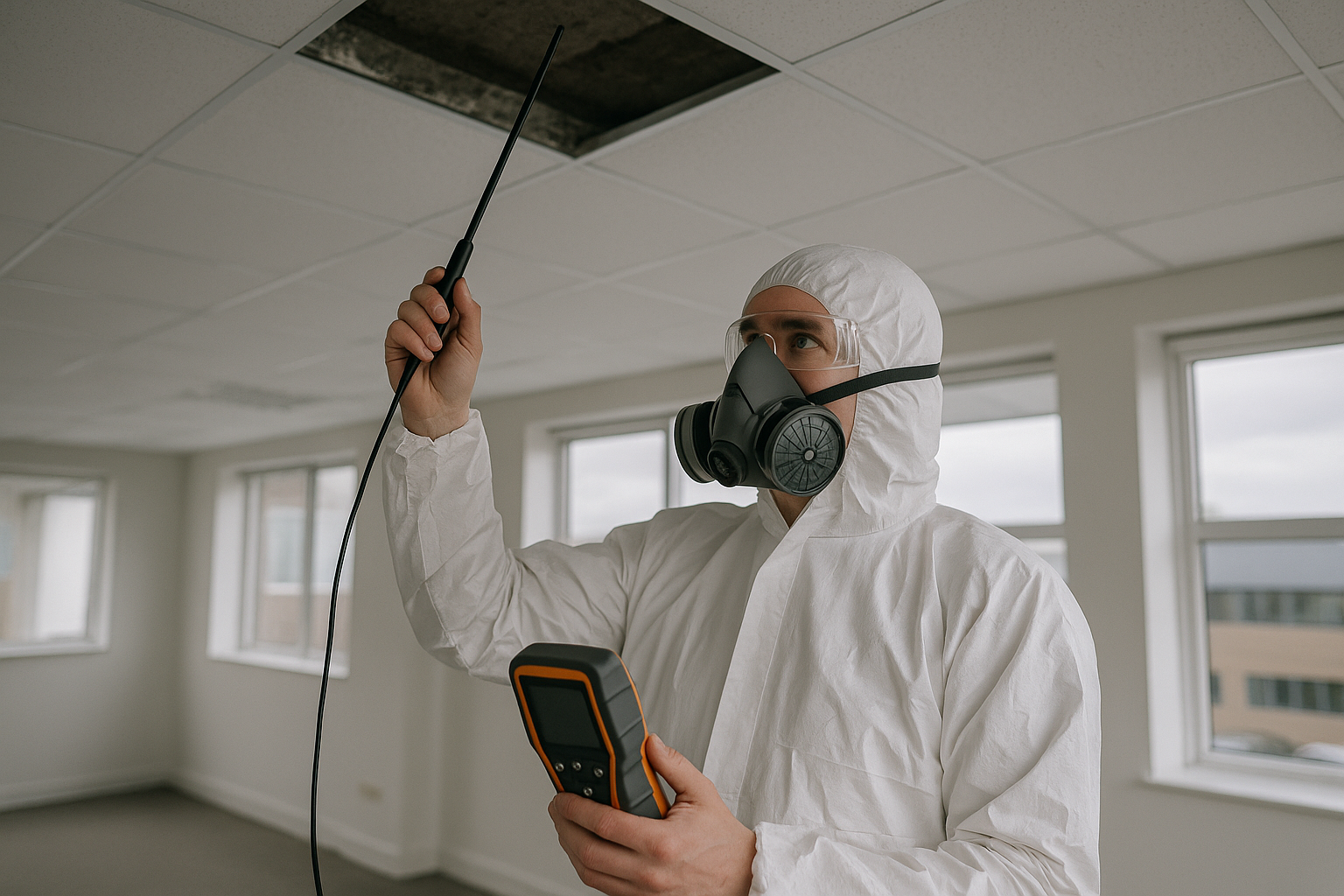
One unexpected asbestos find can stop a refurbishment job in its tracks. A properly scoped asbestos refurbishment survey helps you avoid that scenario by identifying asbestos-containing materials before builders start cutting, drilling, stripping out or opening up the structure.
If you are planning works in a property built before 2000, cost matters, but scope matters more. A cheap survey that misses hidden asbestos can lead to delays, extra removal costs, contractor disputes and avoidable exposure risks for anyone on site.
What is an asbestos refurbishment survey?
An asbestos refurbishment survey is an intrusive survey carried out before refurbishment, upgrade or structural alteration works begin. Its purpose is to locate, so far as is reasonably practicable, any asbestos-containing materials in the areas that will be disturbed by the planned works.
This is very different from a management survey. A management survey is designed for normal occupation and routine maintenance, while a refurbishment survey is designed for works that disturb the fabric of the building.
That difference is critical. Asbestos is often hidden behind panels, inside risers, above ceilings, beneath floor finishes and within service ducts. A non-intrusive survey will not usually go far enough for refurbishment planning.
To complete an asbestos refurbishment survey properly, surveyors may need to:
- Lift floor coverings
- Open boxed-in services
- Inspect ceiling voids
- Access lofts, risers and plant areas
- Break into partitions or wall linings
- Take bulk samples from suspect materials
Because the survey is intrusive by design, the area being inspected often needs to be vacant. Finishes may also need repair afterwards, so this survey is usually timed just before works begin.
Why an asbestos refurbishment survey is required before building work
Under the Control of Asbestos Regulations, asbestos risks must be identified and managed before work starts where asbestos could be disturbed. For refurbishment projects, that means commissioning the correct survey in advance.
HSE guidance and HSG264 are clear on the purpose of refurbishment and demolition surveys. The survey must provide enough information for the work to be planned safely, with asbestos risks identified before contractors begin disturbing the building fabric.
For property managers, landlords, contractors and developers, the practical reasons are just as strong as the legal ones:
- Protect workers and occupants from exposure to asbestos fibres
- Avoid emergency stoppages once hidden materials are uncovered
- Prevent unplanned removal costs appearing mid-project
- Give contractors accurate information before pricing the work
- Reduce the risk of enforcement action and programme delays
- Help sequence removal and strip-out works properly
If the project involves taking down the structure entirely, you may need a demolition survey instead of, or in addition to, a refurbishment survey.
What affects asbestos refurbishment survey cost?
There is no flat national price for an asbestos refurbishment survey. The final figure depends on how much of the building needs to be inspected, how intrusive the work must be and how complex the site is.
1. Size of the refurbishment area
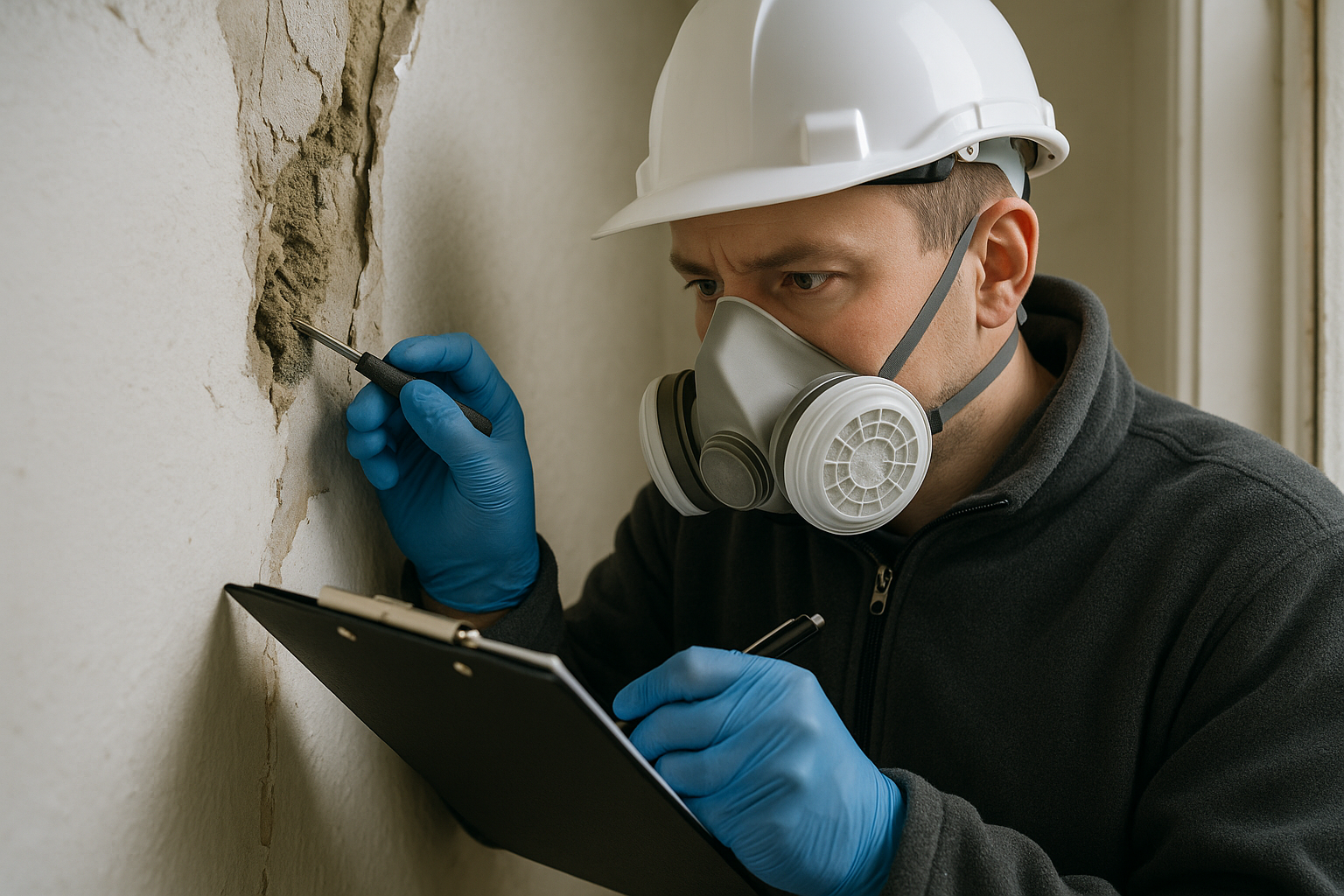
The biggest pricing factor is usually the size of the area affected by the works. A single kitchen refurbishment is far quicker to inspect than a full strip-out across several floors.
Surveyors will usually consider:
- Total floor area
- Number of rooms
- Number of floors
- Extent of ceiling voids, risers and service areas
- Whether the whole building or only part of it is in scope
Larger areas usually mean more inspection time, more samples and more reporting detail.
2. Type and age of the building
Older buildings tend to contain a wider range of suspect materials. Properties with multiple extensions or phased refurbishments can also be harder to assess because different construction periods often mean different asbestos risks.
Common locations include:
- Textured coatings
- Ceiling tiles
- Asbestos insulating board
- Pipe lagging
- Vinyl floor tiles and adhesives
- Soffits, panels and cement sheets
- Toilet cisterns and service ducts
- Boiler cupboards and partition walls
A simple modern fit-out area is usually easier to survey than an older school block, office conversion or industrial unit with mixed construction types.
3. Accessibility
Easy access keeps survey time down. Difficult access increases labour, equipment needs and planning requirements.
Typical cost-increasing access issues include:
- High-level ceilings
- Confined loft spaces
- Locked plant rooms
- Live service risers
- Basements and crawl spaces
- Out-of-hours access restrictions
If there are permits, site inductions or isolation requirements, mention them when requesting a quote. It helps avoid underpricing and last-minute changes.
4. Number of samples and laboratory analysis
Many suspect materials need bulk sampling and laboratory confirmation. The more suspect materials there are, the more analysis may be required.
This is why you should always check whether asbestos testing is included in the quoted price. A low headline fee can look attractive until analysis charges are added afterwards.
For isolated concerns outside a full survey, a dedicated sample analysis service can be useful. For refurbishment works, though, isolated testing is rarely enough on its own. You usually need the full intrusive survey to identify hidden materials properly.
5. Scope of works
The clearer your project scope, the easier it is to price the survey accurately. If the works later expand into extra rooms or structural areas, further inspection may be needed.
When asking for a quote, explain exactly what is being changed, removed or opened up, such as:
- Wall removals
- Kitchen or bathroom replacements
- Electrical rewiring
- Heating upgrades
- Floor replacement
- Ceiling works
- Window and door replacement
- Full strip-out or conversion works
6. Turnaround time
Urgent surveys and fast-track reports can often be arranged, but they may cost more. If your project programme allows, booking ahead is usually more cost-effective.
Typical asbestos refurbishment survey cost in the UK
Prices vary by region, property type and complexity, so broad guide ranges are more useful than unrealistic fixed-price promises. Every site should still be quoted on its own scope.
Residential properties
- Small flat or maisonette: around £300 to £500
- Typical 2-3 bedroom house: around £400 to £700
- Large detached or period property: around £600 to £1,000+
Even a small domestic asbestos refurbishment survey can take several hours if the works are intrusive and multiple suspect materials are present.
Commercial properties
- Small office, shop or unit: around £500 to £900
- Medium commercial premises: around £800 to £2,000
- Larger multi-floor buildings: around £2,000 to £5,000+
Large or complex sites are usually priced individually. Schools, healthcare settings, industrial premises and multi-building estates often need a tailored quotation because access, phasing and reporting requirements are more involved.
These figures are guide prices, not guarantees. A proper quote should be based on the exact areas being refurbished, not a rough guess based on building type alone.
What should be included in the price?
Before accepting any quote for an asbestos refurbishment survey, check what is actually included. The cheapest quote is not always the cheapest final bill.
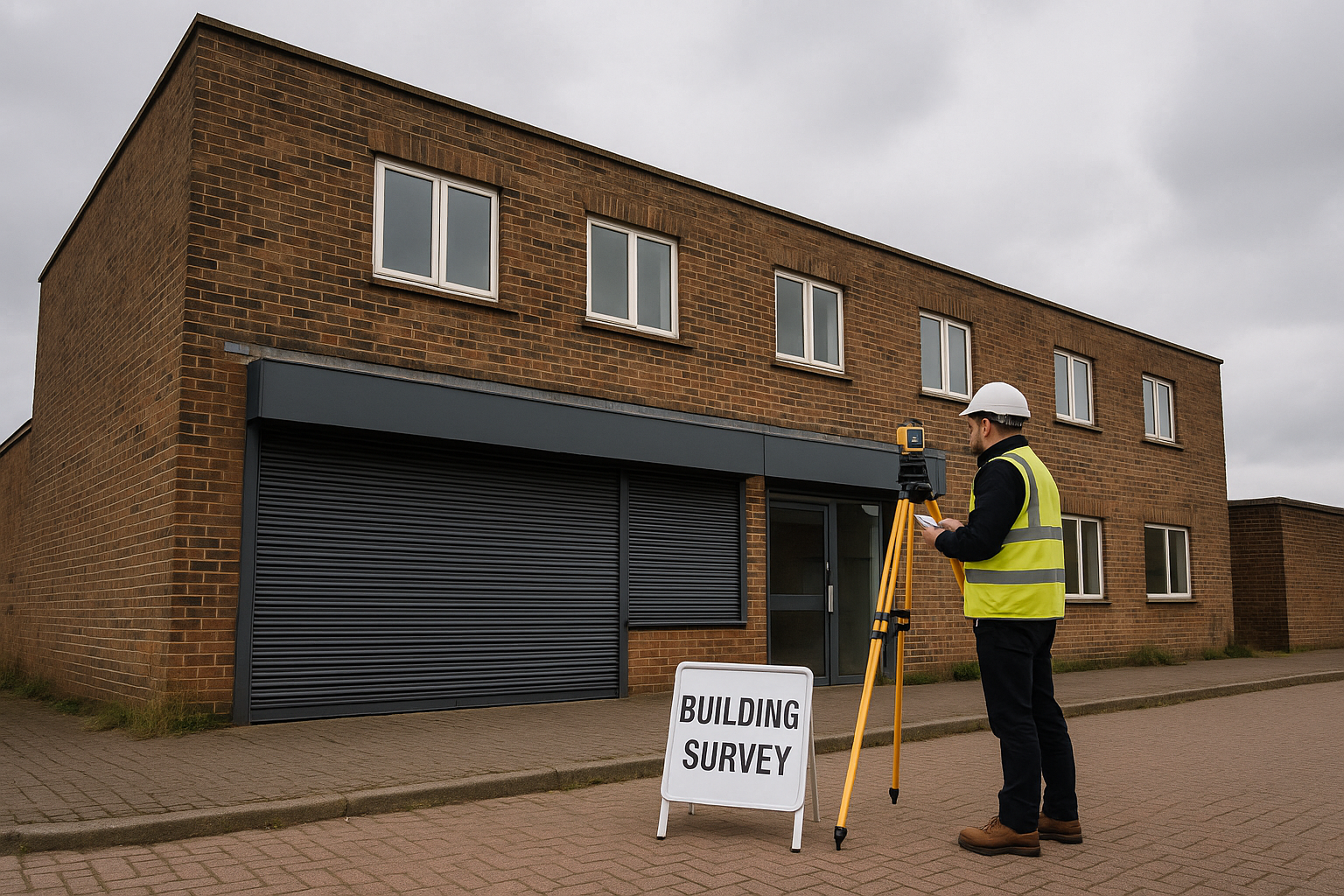
A clear quotation should state whether it includes:
- Site inspection within the agreed scope
- Intrusive access where required
- Sampling of suspect materials
- Laboratory analysis
- A written report
- Photographs and material locations
- Recommendations for next steps
- Any limitations or exclusions
If analysis, reporting or return visits are listed separately, ask for the likely total cost before you commit. That makes quote comparison much easier.
Refurbishment survey vs management survey vs demolition survey
This is where many projects go wrong. Clients sometimes assume a cheaper survey will be enough, only to discover later that it does not cover the planned works.
Management survey
A management survey is for normal occupation and routine maintenance. It is usually non-intrusive or only mildly intrusive and focuses on accessible areas.
It is not suitable on its own where refurbishment works will disturb hidden materials.
Refurbishment survey
A refurbishment survey is intrusive and targeted at the exact areas affected by the planned works. It is designed to find asbestos before construction activity starts.
Demolition survey
A demolition survey is required before a building, or part of it, is demolished. It is fully intrusive because the aim is to identify all asbestos-containing materials, so far as reasonably practicable, before demolition proceeds.
In practical terms:
- Use a management survey for routine occupation and maintenance
- Use an asbestos refurbishment survey before refurbishment or structural alteration
- Use a demolition survey before full demolition
If you are unsure which applies, ask before the project is tendered. It is far easier to define the right survey at the start than to pause works later.
What happens during an asbestos refurbishment survey?
Knowing what to expect makes planning easier, especially in occupied or partially occupied premises.
Before the survey
The surveyor will ask about the planned works, building layout, age of the property and any existing asbestos information. If you already have an asbestos register or older survey report, share it.
You should also confirm access arrangements, permit requirements, site contacts and whether the survey area can be vacated. In many cases, the area needs to be unoccupied while intrusive inspection takes place.
During the survey
The surveyor will inspect the agreed areas and open up the structure where needed. This can include lifting finishes, accessing voids, opening ducts and taking samples from suspect materials.
The process is targeted, but it is disruptive by nature. That is normal for this type of survey and should be planned into the refurbishment programme.
After the survey
You should receive a report identifying any asbestos-containing materials found, or materials presumed to contain asbestos where appropriate. The report should help the dutyholder, project manager and contractors decide what must happen before works start.
Where asbestos will be disturbed by the project, it must be managed properly before refurbishment begins. In many cases, that means arranging asbestos removal by a competent contractor.
What should a refurbishment survey report include?
A survey report should be practical, clear and detailed enough for contractors and dutyholders to act on. If it is vague, it is not doing the job.
Look for the following:
- Description of the areas inspected
- Clear statement of any limitations or inaccessible areas
- Location of each identified or presumed asbestos-containing material
- Product description and material type
- Sample references and laboratory results
- Photographs showing the material and location
- Recommendations for removal or other action before works
- Annotated plans or location references where relevant
The methodology should align with HSG264. If some areas could not be accessed, the report should say so clearly. Hidden exclusions create a false sense of security and can cause serious issues once works begin.
How to get an accurate quote and avoid underpriced surveys
If a survey is priced suspiciously low, there is usually a reason. The best way to get an accurate quote for an asbestos refurbishment survey is to provide clear information from the start.
Give the surveyor the right information
- Full property address
- Property type and approximate age
- Total size of the affected area
- Number of floors
- Planned refurbishment works
- Access restrictions
- Whether the area is occupied or vacant
- Any previous asbestos reports
Ask practical questions
- Is laboratory analysis included in the quote?
- Are report costs included?
- What areas are included and excluded?
- How intrusive will the survey be?
- What is the report turnaround time?
- Will the survey meet HSG264 expectations for refurbishment work?
If retained parts of the building already have known asbestos materials, you may also need a re-inspection survey to keep existing records current while the refurbishment area is dealt with separately.
Practical ways to keep survey costs under control
You cannot safely cut corners on an asbestos refurbishment survey, but you can avoid unnecessary expense by planning properly.
- Define the scope properly: only survey the areas that will actually be disturbed, unless a wider strip-out is planned.
- Provide access first time: unlocked rooms, keys, permits and site contacts reduce wasted attendance.
- Share existing documents: previous asbestos information can help the surveyor plan efficiently.
- Book early: urgent appointments and fast-track reporting often cost more.
- Coordinate related compliance work: if refurbishment affects fire precautions, it may make sense to review your fire risk assessment at the same time.
Good planning does more than reduce survey cost. It also helps keep the whole refurbishment programme moving.
Common mistakes to avoid
Most asbestos problems during refurbishment come back to a few avoidable mistakes.
- Using the wrong survey type: a management survey is not a substitute for a refurbishment survey.
- Surveying too small an area: if the project expands, the original survey may no longer be enough.
- Ignoring limitations: if parts of the scope were inaccessible, those areas still need resolving before works start.
- Starting work before the report is reviewed: the survey only helps if the findings are passed to the people doing the work.
- Assuming one sample answers everything: different materials in different locations may need separate assessment.
- Choosing on price alone: a poor survey can cost far more than a properly scoped one.
If you simply need confirmation on a particular material before making wider plans, a separate service for asbestos testing may help. But once refurbishment starts affecting the building fabric, the full survey remains the right route.
When should you book an asbestos refurbishment survey?
The best time to book an asbestos refurbishment survey is as soon as the scope of works is reasonably clear and before contractors are due to start. Leaving it too late creates pressure, and pressure often leads to poor decisions.
As a rule, book the survey before:
- Final contractor pricing is agreed
- Strip-out dates are fixed
- Building fabric is opened up
- Temporary works begin
- Occupants are moved around the site
Early surveying gives you time to review findings, arrange removal if needed and update the programme without a last-minute scramble.
Choosing the right asbestos survey provider
Not all quotes are equal, and not all reports are equally useful. A good provider should be able to explain the survey scope clearly, work to HSE guidance and produce reports that contractors can actually use.
When comparing providers, look for:
- Clear experience with refurbishment projects
- Transparent pricing
- Scope matched to the planned works
- Sampling and analysis included or clearly itemised
- Reports that identify limitations honestly
- Practical recommendations for next steps
If you need to arrange an asbestos refurbishment survey for a house, flat, office, school, retail unit or industrial site, make sure the provider understands exactly what will be disturbed and when.
Frequently Asked Questions
How much does an asbestos refurbishment survey cost?
Costs vary depending on the size of the area, the complexity of the building, access issues, the number of samples required and the turnaround time. Small domestic surveys may start from a few hundred pounds, while larger commercial projects can cost significantly more.
Is an asbestos refurbishment survey a legal requirement?
Where refurbishment works may disturb asbestos-containing materials, the correct survey is required to identify and manage that risk under the Control of Asbestos Regulations. HSE guidance and HSG264 set out the purpose and expectations for this type of survey.
Can a management survey be used instead of a refurbishment survey?
No. A management survey is intended for normal occupation and routine maintenance. It is not suitable on its own for refurbishment works because it does not usually involve the intrusive inspection needed to find hidden asbestos in affected areas.
Does the survey area need to be empty?
Usually, yes. Because an asbestos refurbishment survey is intrusive, the area being inspected often needs to be vacated so the surveyor can open up the structure safely and without affecting normal use.
What happens if asbestos is found?
If asbestos-containing materials are identified in areas that will be disturbed, the findings must be reviewed before works begin. In many cases, the next step is to arrange suitable removal or other control measures so the refurbishment can proceed safely.
If you need a reliable asbestos refurbishment survey with clear reporting and practical advice, Supernova Asbestos Surveys can help. We carry out surveys nationwide for domestic and commercial properties, with fast turnaround options where needed. Call 020 4586 0680 or visit asbestos-surveys.org.uk to request a quotation.