
A building can look tidy, modern and well run while still hiding asbestos in ceiling voids, risers, plant rooms and old finishes. That is why asbestos surveys Basingstoke property managers arrange are not a box-ticking exercise; they are the starting point for safe maintenance, legal compliance and sensible planning.
If you manage a commercial, public or mixed-use property in Basingstoke, there is a realistic chance asbestos-containing materials are present if the building was constructed or refurbished before the UK ban took full effect. Offices, schools, warehouses, surgeries, shops, industrial units and communal areas in residential blocks can all contain asbestos in places that are easy to miss without the right survey.
Supernova works with landlords, managing agents, facilities teams and duty holders across the area, providing clear reports, practical recommendations and survey types matched to the building and the work planned. The aim is simple: identify risk early, keep people safe and avoid costly disruption later.
Why asbestos surveys Basingstoke duty holders need are still essential
Asbestos was widely used because it was durable, heat resistant and inexpensive. Those same materials still remain in many properties across Basingstoke, especially in post-war and late twentieth-century building stock.
The issue is not just that asbestos exists. The real hazard begins when asbestos-containing materials are damaged, drilled, cut, broken, sanded or allowed to deteriorate, releasing fibres into the air.
Under the Control of Asbestos Regulations, duty holders for non-domestic premises must manage the risk from asbestos. In practice, that means you need reliable information about whether asbestos is present, where it is, what condition it is in and how likely it is to be disturbed.
Without that information, you cannot properly:
- Brief contractors before they start work
- Plan maintenance safely
- Decide whether materials can remain in place
- Prepare for refurbishment or demolition
- Maintain an accurate asbestos register
- Show that your organisation is managing risk responsibly
HSE guidance and HSG264 set the standard for asbestos surveying. A proper survey should give you usable, site-specific information rather than vague wording that leaves key decisions unclear.
Which properties in Basingstoke are most likely to need an asbestos survey?
Any non-domestic property built before asbestos was fully prohibited should be treated with caution until proven otherwise. That includes a wide range of premises in and around Basingstoke, from town-centre offices to industrial estates, schools and healthcare buildings.
Properties most commonly requiring asbestos surveys include:
- Office buildings and business parks
- Schools, colleges and nurseries
- Warehouses and industrial units
- Retail premises and shopping parades
- GP surgeries, clinics and dental practices
- Hotels, pubs and leisure sites
- Factories and plant buildings
- Blocks of flats with shared corridors, plant rooms and service areas
- Local authority and public sector buildings
If you are taking on a new property, planning works, renewing a lease, or reviewing compliance across a portfolio, now is the right time to check whether your asbestos information is current and suitable for the building’s actual use.
Where asbestos is commonly found in Basingstoke buildings
One of the biggest mistakes property managers make is assuming asbestos will be obvious. Sometimes it is. Often it is not.
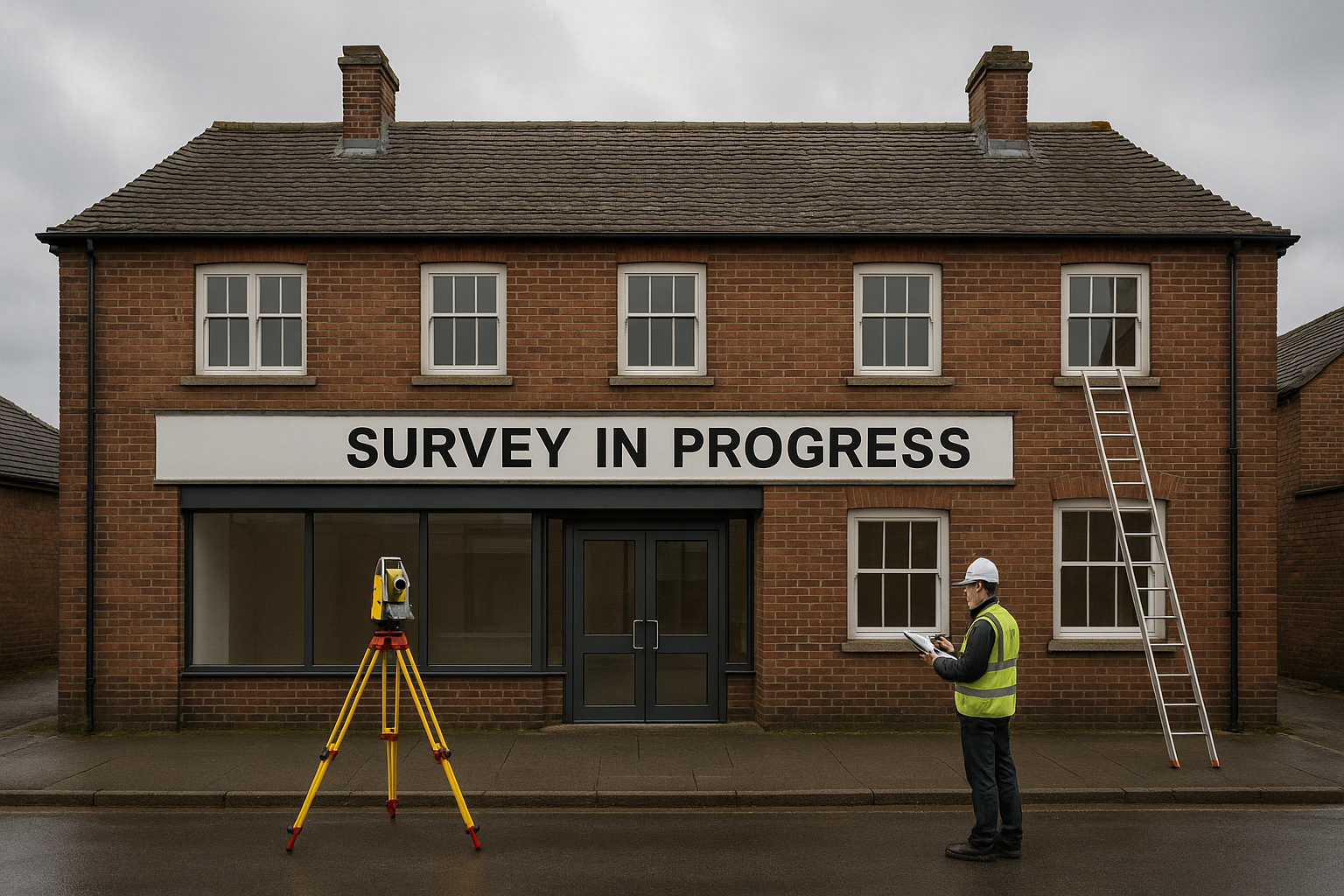
Asbestos can be present in materials that look ordinary, have been painted over, or sit behind later refurbishments. A clean, occupied building may still contain hidden asbestos above ceilings, inside boxed-in services or beneath floor finishes.
Common asbestos-containing materials
During asbestos surveys Basingstoke surveyors often identify asbestos in:
- Asbestos cement roof sheets and wall panels
- Garage and outbuilding roofs
- Asbestos insulating board in partitions, risers, soffits and fire protection
- Pipe lagging and thermal insulation
- Ceiling tiles and suspended ceiling components
- Floor tiles and bitumen adhesive
- Textured coatings on walls and ceilings
- Toilet cisterns, ducts and service risers
- Boiler and plant room insulation
- Sprayed coatings in some older commercial and industrial premises
- Gaskets, rope seals and insulation around plant and equipment
Hidden locations that are often missed
Concealed asbestos is a major reason projects get delayed. A contractor starts opening up an area, unexpected asbestos is found, and work stops while the site team scrambles for sampling, updated risk information and sometimes removal.
Common hidden locations include:
- Within ceiling voids
- Behind boxing and wall cladding
- Inside service risers and ducts
- Under floor coverings
- Within roof voids and eaves
- Behind bath panels, kitchen units or fixed joinery in older premises
- Inside plant enclosures and service cupboards
This is exactly why survey type matters. A survey for normal occupation is not the same as a survey for intrusive works.
Choosing the right type of asbestos survey
Not every building needs the same survey, and using the wrong one can leave gaps in your asbestos information. The correct choice depends on what the building is used for now and what work is planned next.
Management surveys for occupied premises
If your property is occupied and in normal use, a management survey is usually the starting point. Its purpose is to locate, as far as reasonably practicable, asbestos-containing materials that could be disturbed during routine occupation, maintenance or minor works.
A good asbestos management survey helps you build or update your asbestos register and gives maintenance teams and contractors the information they need before carrying out everyday tasks.
This survey type typically includes:
- Inspection of accessible areas
- Identification of suspected asbestos-containing materials
- Bulk sampling where appropriate
- Material assessments
- Photographs and clear location details
- Recommendations for management, repair, encapsulation or further action
It is not designed to locate every concealed material behind the building fabric. If work will disturb the structure, you need a more intrusive survey.
Refurbishment surveys before intrusive work
Before fit-outs, upgrades, strip-outs or major maintenance, a refurbishment survey is required for the area affected by the works. This survey is intrusive and aims to identify asbestos that would not be visible during normal occupation.
That can involve opening up walls, lifting floor finishes, accessing ceiling voids and inspecting service routes. If contractors will drill, cut, remove partitions, replace services or alter layouts, arrange the survey before the project starts, not after site mobilisation.
Demolition surveys before structures come down
If a building, extension or internal structure is due to be demolished, a demolition survey is needed. This is a fully intrusive inspection intended to locate all asbestos-containing materials, so they can be removed or managed before demolition begins.
Demolition creates the highest level of disturbance. Missing asbestos at this stage can put workers, neighbouring occupiers and the wider environment at risk.
Re-inspection surveys for ongoing management
An asbestos register should not sit untouched for years. Materials age, get knocked, suffer water damage or become vulnerable because building use changes. A re-inspection survey checks known or presumed asbestos-containing materials and confirms whether their condition or risk profile has changed.
Re-inspections are especially useful for:
- Schools during holiday shutdowns
- Commercial portfolios with multiple tenants
- Industrial sites with vibration or wear
- Buildings with previous recommendations needing review
- Premises approaching planned maintenance or lease events
What a good asbestos survey should include
When commissioning asbestos surveys Basingstoke property managers should expect more than a quick site walk and a generic PDF. A useful survey report should support real decisions on site.
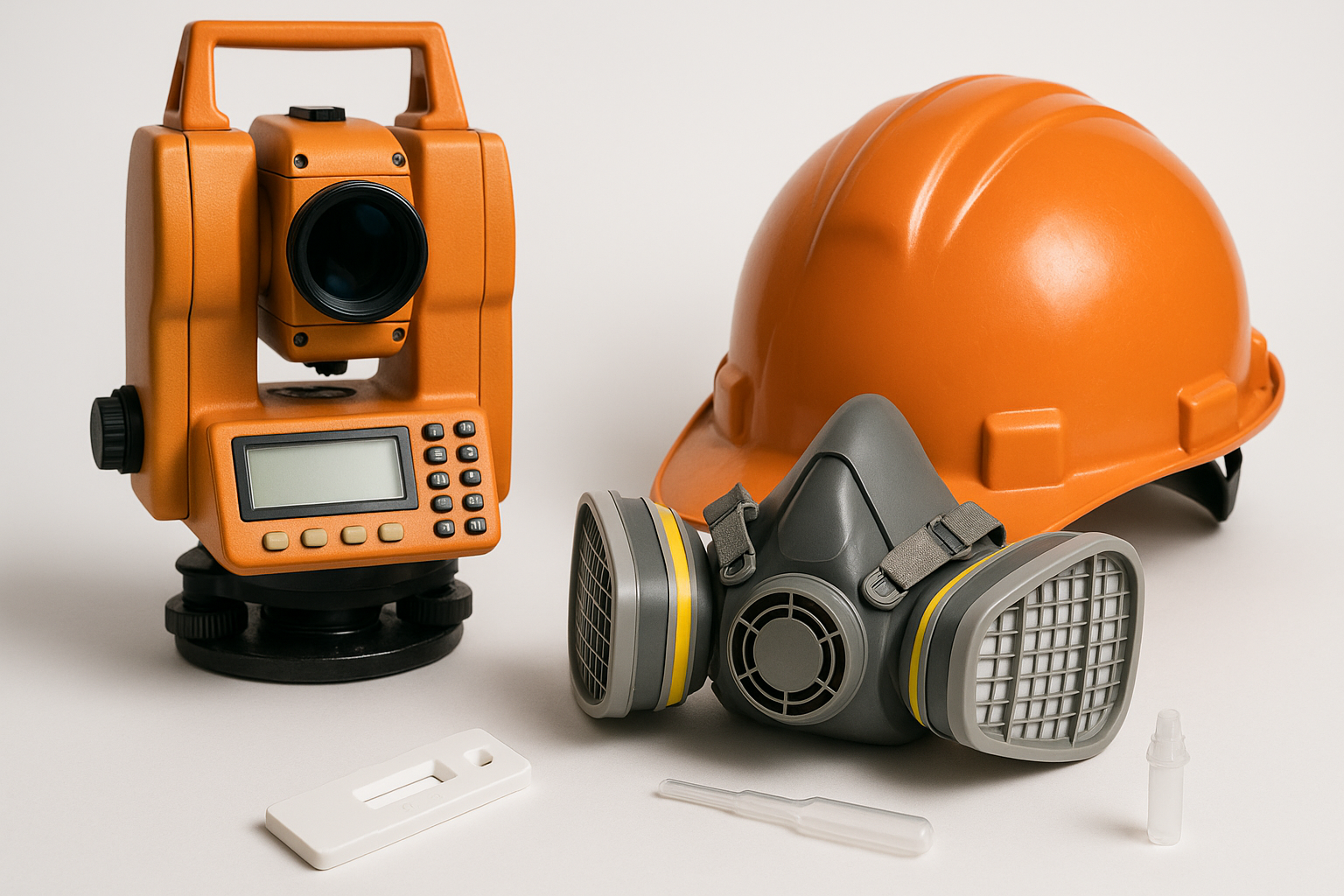
At minimum, look for:
- A survey carried out in line with HSG264
- Qualified, competent surveyors
- Representative bulk sampling where needed
- Analysis by a UKAS-accredited laboratory
- Clear descriptions of locations and materials
- Photographs to help identification on site
- Material assessment scores
- Practical recommendations, not vague warnings
- A layout and wording your maintenance team can actually use
If a surveyor cannot explain in plain English why you need one survey type over another, pause before instructing them. You need clarity at the start, not confusion halfway through a project.
How the survey process works in practice
For many duty holders, the process feels more straightforward once it is broken into stages. A professional asbestos survey should be organised, proportionate and clearly scoped.
- Initial discussion: the surveyor asks about building age, use, occupancy and planned works.
- Scope confirmation: the correct survey type and areas to be inspected are agreed.
- Site inspection: accessible areas are inspected, or intrusive access is carried out where the survey type requires it.
- Sampling: suspected materials are sampled where appropriate and sent for analysis.
- Assessment and reporting: findings are recorded with locations, photographs, sample results and recommendations.
- Next steps: you decide whether materials should be managed, repaired, encapsulated, re-inspected or removed.
Before the survey visit, it helps to gather floor plans, access arrangements, previous asbestos records and details of any upcoming works. That small amount of preparation often saves time and avoids repeat visits.
Asbestos management after the survey
Finding asbestos does not automatically mean removal. In many cases, the safest option is to leave sound material in place and manage it properly.
The right response depends on the material type, its condition, its location and how likely it is to be disturbed. That is why survey evidence matters so much.
When asbestos can often remain in place
- The material is in good condition
- It is sealed or encapsulated effectively
- It is in a low-risk area
- There is little chance of accidental disturbance
- It can be monitored and recorded properly
When action is more likely to be needed
- The material is damaged or deteriorating
- It sits in a high-traffic or vulnerable area
- Maintenance or building works will disturb it
- Its condition makes monitoring unreliable
- It creates repeated issues for contractors or occupiers
Where removal is necessary, it should follow from survey findings and proper planning. If that is the case, Supernova can also advise on suitable next steps for asbestos removal, helping ensure the scope of work is based on evidence rather than guesswork.
Practical advice for property managers and duty holders
Good asbestos management is not just about having a report on file. It is about making sure the right people have the right information at the right time.
These steps make a real difference on live sites:
- Keep the asbestos register accessible: contractors and maintenance staff should be able to review it before work starts.
- Brief people properly: do not assume visiting trades will ask about asbestos.
- Review planned works early: a small maintenance job can become intrusive very quickly.
- Check survey suitability: a management survey is not enough for refurbishment or demolition.
- Inspect known materials regularly: leaks, vibration and accidental knocks can change the risk.
- Record changes: if areas are altered, update the register and plans.
- Control access where needed: protect vulnerable materials from routine damage.
A practical system beats a complicated one. If your team cannot easily understand what is in the building and what they need to avoid, the system needs improving.
Common mistakes that lead to asbestos problems
Most asbestos incidents are not caused by dramatic failures. They usually happen because basic steps were skipped.
Watch out for these common mistakes:
- Assuming a previous owner or tenant dealt with asbestos
- Relying on an old survey without checking whether it still matches the building layout
- Starting refurbishment works with only a management survey in place
- Failing to share survey information with contractors
- Ignoring minor damage to known asbestos-containing materials
- Using vague property descriptions that make materials hard to locate on site
- Forgetting communal areas, roof spaces, ducts and service rooms in mixed-use buildings
If any of those sound familiar, it is worth reviewing your current asbestos records before the next maintenance cycle or project start date.
Local and portfolio support beyond Basingstoke
Many clients responsible for asbestos surveys Basingstoke properties also manage buildings in other towns and cities. Consistency matters when you are overseeing a wider portfolio.
If you need support elsewhere, Supernova also provides services in locations including asbestos survey London, asbestos survey Manchester and asbestos survey Birmingham. Using one experienced provider across multiple sites can make reporting, re-inspections and contractor communication much easier to manage.
How to choose the right asbestos surveying company
You do not need the cheapest quote. You need a surveying company that gives you accurate information you can rely on.
Before appointing anyone, ask:
- Do they explain the correct survey type clearly?
- Will the survey follow HSG264?
- Are samples analysed by a UKAS-accredited laboratory?
- Will the report include photos, sample results and practical recommendations?
- Can they handle follow-up support such as re-inspections or advice before works?
- Do they understand the needs of occupied buildings and live environments?
The best surveyors make the process clearer. They help you avoid over-scoping, under-scoping and unnecessary delays.
Frequently Asked Questions
Do I need an asbestos survey for a commercial property in Basingstoke?
If the property was built or refurbished before asbestos was fully banned, and it is non-domestic or has shared communal areas, you should not assume it is asbestos-free. A suitable survey helps you meet your duties under the Control of Asbestos Regulations and manage risk properly.
What is the difference between a management survey and a refurbishment survey?
A management survey is for occupied premises in normal use and focuses on materials that could be disturbed during routine occupation or minor works. A refurbishment survey is intrusive and is required before refurbishment, fit-out or major maintenance in the affected area.
Does finding asbestos mean it must be removed?
No. If asbestos-containing material is in good condition and unlikely to be disturbed, it can often remain in place and be managed safely. Removal is usually considered where materials are damaged, deteriorating or likely to be disturbed by planned works.
How often should asbestos be re-inspected?
There is no one-size-fits-all interval for every building. Re-inspection frequency should reflect the type, condition and location of the material, along with how the building is used. If materials are vulnerable or conditions change, inspections may need to happen more often.
Can you survey occupied buildings?
Yes, many asbestos surveys are carried out in occupied buildings. The survey type and method need to match the level of access required and the building’s use. More intrusive surveys, such as refurbishment or demolition surveys, are usually carried out in vacant areas because they involve opening up the structure.
If you need clear, reliable asbestos surveys Basingstoke property managers can act on straight away, Supernova is ready to help. We provide management, refurbishment, demolition and re-inspection surveys, along with practical advice on next steps. Call 020 4586 0680 or visit asbestos-surveys.org.uk to arrange a survey or discuss your site.