
Asbestos rarely announces itself. It sits behind panels, above ceilings, inside risers and around pipework, then becomes a serious problem the moment someone drills, cuts or damages the material. An asbestos management plan is very important. it includes details on monitoring and inspection, the action plan for dealing with any asbestos, and the day-to-day controls that stop hidden asbestos-containing materials from putting staff, contractors and occupants at risk.
If you manage a non-domestic property, or common parts of certain multi-occupied residential buildings, that written plan is not optional paperwork. It is how you turn survey findings, risk assessments and HSE guidance into practical instructions that people can actually follow.
Why an asbestos management plan is very important
Asbestos is most dangerous when fibres are released and inhaled. That usually happens when materials are disturbed during maintenance, repair, installation, refurbishment or accidental damage.
A loose process is where exposure tends to happen. One contractor checks the register, another does not. One damaged panel gets reported, another is ignored. A proper management plan closes those gaps.
A good plan should tell you, clearly and quickly:
- where asbestos is located
- what type of material is present or presumed
- what condition it is in
- how likely it is to be disturbed
- what action is required
- who is responsible for that action
- when the next inspection is due
- how information will be shared before work starts
That is why an asbestos management plan is very important. It gives duty holders a working system rather than a folder that sits untouched on a shelf.
Legal duties under the Control of Asbestos Regulations
The Control of Asbestos Regulations place duties on those responsible for the maintenance and repair of relevant premises. In practice, that often means landlords, facilities managers, managing agents, estates teams or anyone with contractual responsibility for the building fabric.
Your duties generally include taking reasonable steps to find out if asbestos is present, presuming materials contain asbestos unless there is strong evidence otherwise, assessing the risk and preparing a written plan to manage that risk. The plan must be kept up to date and acted on.
HSE guidance and HSG264 Asbestos: The Survey Guide set the benchmark for how surveys should be carried out. The survey gives you the evidence base. The management plan tells people what to do with that information.
If an HSE inspector, contractor or client asks how asbestos is being managed, you should be able to show:
- a current asbestos register
- risk assessments
- a written management plan
- inspection and monitoring records
- evidence that relevant people have been informed
- records of remedial action and reviews
If any of those are missing, asbestos management is likely to be inconsistent.
Start with the right asbestos survey
No plan works if the starting information is weak. Before asbestos can be managed, it needs to be identified as far as reasonably practicable.

Management surveys for occupied buildings
For normal occupation and routine maintenance, the usual starting point is a management survey. This survey is designed to locate, as far as reasonably practicable, the presence and extent of asbestos-containing materials that could be damaged or disturbed during normal use of the building, including foreseeable maintenance.
That matters because an asbestos management plan is very important only if it is based on reliable information. If the survey is outdated, incomplete or unsuitable for the building use, the plan built on top of it will also be unreliable.
Demolition and intrusive work
Where the building is due to be stripped out, structurally altered or demolished, a management survey is not enough. In those situations, you need a more intrusive demolition survey to identify asbestos that could be disturbed by the planned works.
Using the wrong survey type is one of the most common and expensive mistakes. It can leave asbestos hidden until work starts, leading to contamination, delays, emergency response costs and avoidable disruption.
Choosing a competent survey provider
Ask practical questions before instructing a survey:
- Is the survey type suitable for the planned activity?
- Will the report clearly identify known and presumed asbestos-containing materials?
- Are sample results, material assessments and recommendations clearly recorded?
- Will the findings be usable for your register and management plan?
If your portfolio includes multiple sites, consistency matters. Using the same reporting standards across buildings makes reviews, contractor checks and compliance audits much easier.
The core documents every plan should include
An asbestos management plan is very important because it brings several working documents together into one usable system. Without that structure, information gets lost between survey reports, maintenance teams and contractors.
The asbestos register
The register is the live record of known or presumed asbestos-containing materials in the building. It should be easy to access, easy to read and updated whenever conditions change.
A practical asbestos register should include:
- location of the material
- product type
- extent or quantity
- material condition
- accessibility
- risk or priority assessment
- recommended action
- inspection dates
- updates following repair, encapsulation or removal
If contractors cannot quickly understand the register, it is not doing its job.
Risk assessment and priority assessment
Not all asbestos-containing materials present the same level of risk. Asbestos cement in good condition in a low-traffic area is managed differently from damaged asbestos insulating board in a busy service area.
Risk assessment usually considers:
- the type of asbestos-containing material
- how friable it is
- its condition
- whether it is sealed or encapsulated
- its accessibility
- likelihood of disturbance
- occupancy and maintenance activity nearby
This is where the plan becomes practical. It helps you decide what needs urgent action, what can remain in place and what needs closer monitoring.
The action plan
The action plan is the operational heart of the document. It sets out what will happen, who will do it and when.
Typical management options are:
- Leave in place and monitor where the material is in good condition and unlikely to be disturbed.
- Repair or encapsulate where additional protection is needed to prevent damage or fibre release.
- Remove where the material is damaged, higher risk or likely to be disturbed by planned works.
Removal is not automatically the best first step. In many cases, leaving asbestos undisturbed and managing it properly is the safer option.
A useful action plan should also record:
- priority level
- timescales
- interim precautions
- who authorises work
- how completion will be recorded
- when reinspection is due
An asbestos management plan is very important for monitoring and inspection
Buildings change constantly. Materials age, leaks occur, contractors come and go, and room usage shifts over time. That is why an asbestos management plan is very important. it includes details on monitoring and inspection, the action plan for dealing with any asbestos, and regular checks to make sure earlier decisions still make sense.
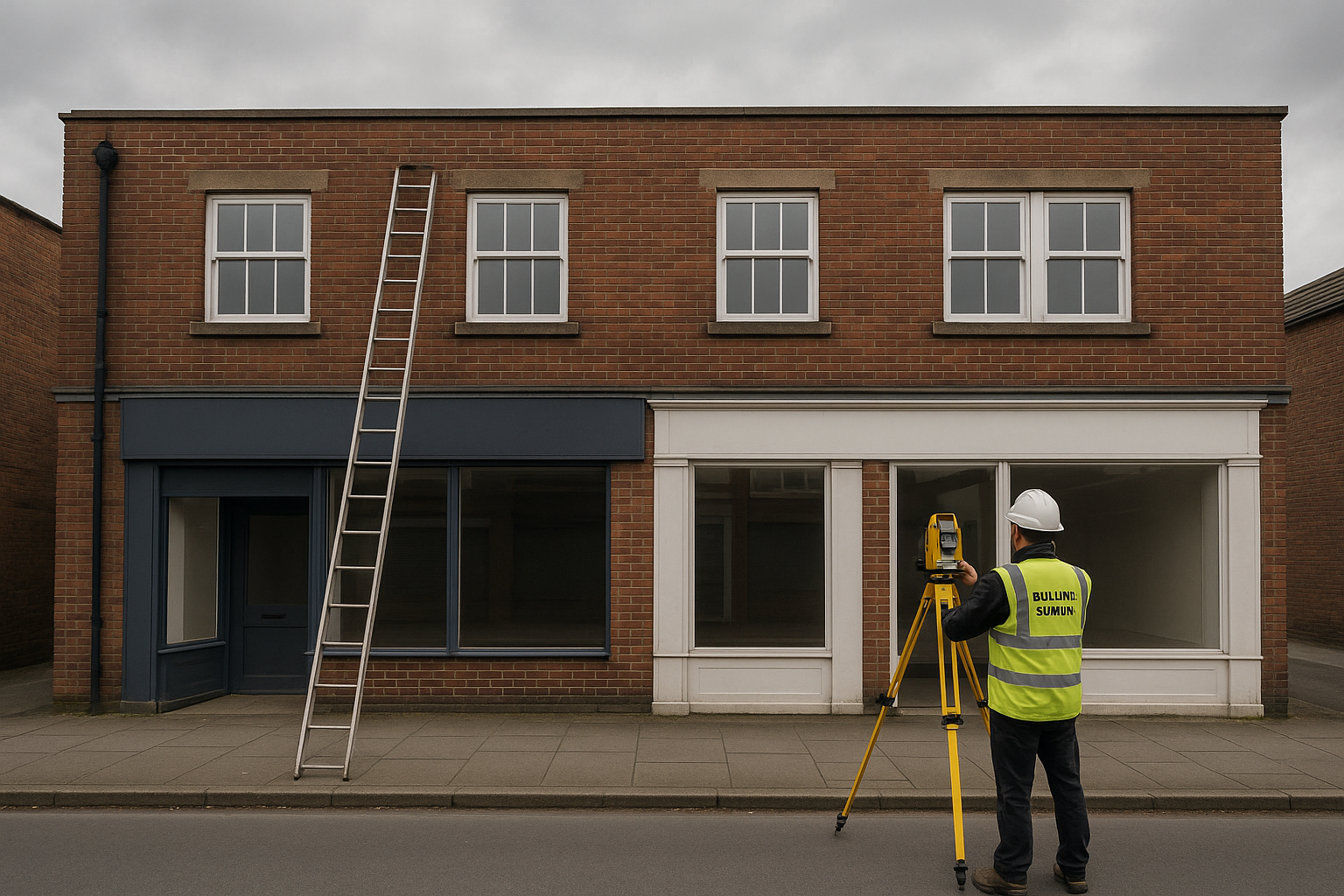
A plan that is never reviewed becomes inaccurate very quickly.
How often should asbestos be inspected?
There is no single inspection interval for every building. Inspection frequency should be based on risk.
In practice:
- higher-risk materials may need more frequent checks
- busy plant rooms and service areas often need closer attention
- areas affected by leaks, vibration or repeated access should be reviewed more often
- stable materials in low-traffic areas may need less frequent inspection
The key is to set a sensible interval, record it and make sure it actually happens.
What a routine inspection should check
Routine inspections are usually visual condition checks rather than repeated sampling. The aim is to confirm whether the material remains in the condition previously recorded and whether the risk profile has changed.
Inspectors should look for:
- cracks, chips or abrasion
- water damage
- exposed edges
- failed encapsulation
- evidence of unauthorised access
- signs of recent disturbance
- changes in room use or maintenance activity
Every inspection should feed back into the asbestos register and management plan. If the condition has worsened, the action plan should be updated straight away.
Annual review of the written plan
An annual review is common good practice and helps show active management. It should not be a box-ticking exercise.
Use the review to ask:
- Is the register still accurate?
- Have any materials changed condition?
- Have any works affected asbestos-containing materials?
- Has the building layout or use changed?
- Have incidents or near misses occurred?
- Are responsibilities still clear?
- Are contractors getting the right information before work starts?
If the answer raises doubt, update the plan immediately rather than waiting for the next review cycle.
How the action plan should deal with asbestos risks
The action plan should be specific enough that anyone responsible for the building knows what to do next. Vague wording such as “monitor as required” or “take action if needed” creates confusion.
Instead, set out clear instructions for each material or area. For example:
- inspect every six months
- repair damaged encapsulation within a defined timescale
- restrict access pending remedial work
- brief maintenance contractors before any intrusive task
- arrange licensed or non-licensed work as appropriate through competent specialists
When asbestos is damaged
If damage is discovered, speed and control matter. Staff should not be left guessing what to do.
Your plan should set out the immediate steps:
- Stop work at once.
- Keep people out of the area.
- Prevent further disturbance.
- Report the issue to the responsible person.
- Arrange assessment by a competent asbestos professional.
- Update the register and incident records.
That response should be known in advance by facilities teams, caretakers and contractors. A calm, rehearsed process prevents a minor issue becoming a major one.
When removal is necessary
Removal may be required where asbestos-containing materials are significantly damaged, difficult to protect, or likely to be disturbed by planned works. The plan should make clear who authorises removal and how the area will be managed until the work is complete.
Do not assume that all asbestos work can be handled in the same way. The correct approach depends on the material, its condition and the work involved. If there is any doubt, get specialist advice before proceeding.
Communication with contractors, staff and occupants
Many asbestos failures happen at the handover point. The technical information exists, but the person about to drill into the wall never sees it.
An asbestos management plan is very important because it should control that communication before work starts, not after something has gone wrong.
Contractor control
Anyone who may disturb the building fabric should have access to relevant asbestos information before starting work. That includes electricians, plumbers, engineers, data installers, fire alarm contractors, shopfitters and emergency repair teams.
Good contractor control usually includes:
- checking the asbestos register before authorising work
- briefing contractors on relevant asbestos locations
- using permit-to-work systems for higher-risk tasks
- stopping work if suspect materials are found unexpectedly
- recording that asbestos information has been shared and acknowledged
This is especially useful across larger property portfolios where standards can slip from one site to another.
Staff awareness
Staff do not all need the same level of asbestos knowledge, but they do need clear instructions. Facilities teams and site managers should know where the register is kept, who the responsible person is and how to report damage.
At a minimum, staff should know:
- that asbestos may be present
- where to find the asbestos information
- who to contact if damage is seen
- that they must not disturb suspect materials
Occupant reassurance
Occupants do not usually need full technical detail, but they do need confidence that asbestos is being managed properly. If asbestos-containing materials are in good condition and left undisturbed, the immediate risk is often low.
Clear communication helps avoid unnecessary alarm while keeping the process transparent and responsible.
The responsible person and accountability
Every plan should name a responsible person with enough authority to make the system work. That may be a facilities manager, landlord representative, estates lead or managing agent, depending on the organisation.
The role often includes:
- maintaining the asbestos register
- arranging inspections and reviews
- briefing contractors
- authorising remedial works
- keeping records of incidents and actions taken
- making sure asbestos information is available when needed
Where responsibility is spread vaguely across departments, problems follow. One team assumes another has updated the register. A contractor arrives without checking the survey. A damaged panel gets reported but not escalated. Clear ownership reduces those failures.
Common mistakes that weaken asbestos management
Most asbestos management failures are not caused by having no documents at all. They are caused by poor follow-through, outdated information or weak communication.
Watch for these common problems:
- treating the plan as a one-off exercise
- using the wrong survey type for the work planned
- failing to update the register after changes
- not sharing asbestos information before maintenance starts
- setting inspection intervals but not carrying them out
- leaving responsibilities unclear
- keeping records that are too technical or hard to access on site
A simple way to test your system is to ask one question: could a contractor arriving tomorrow find the relevant asbestos information quickly enough to work safely? If the answer is no, the plan needs attention.
Practical steps for property managers
If you are reviewing your current arrangements, focus on actions that make the biggest difference straight away.
- Check your survey status. Confirm whether you have the correct survey for the building and the work being carried out.
- Review the register. Make sure locations, conditions and recommendations still reflect reality.
- Name the responsible person. Avoid shared assumptions.
- Set inspection dates. Put them in the maintenance calendar, not just the plan.
- Control contractor access. No intrusive work should begin without an asbestos check.
- Record changes promptly. Repairs, removals and incidents should update the register without delay.
- Review annually. Use the review to challenge whether the system still works in practice.
If you manage sites across different regions, local support can help keep standards consistent. Supernova provides survey support for clients needing an asbestos survey London service, as well as coverage for asbestos survey Manchester requirements and asbestos survey Birmingham projects.
Why the written plan matters every day
The value of the plan is not in the document itself. It is in the decisions it drives every day: whether a contractor is briefed, whether damage is escalated, whether a material is reinspected on time, and whether planned works use the right level of survey information.
That is the practical reason an asbestos management plan is very important. it includes details on monitoring and inspection, the action plan for dealing with any asbestos, and the clear instructions that stop hidden risks from turning into real exposure.
If your current plan is out of date, based on old surveys or difficult for contractors to use, it is worth fixing now rather than after an avoidable incident.
Frequently Asked Questions
Who needs an asbestos management plan?
Duty holders responsible for maintenance or repair of non-domestic premises, and common parts of certain multi-occupied residential buildings, usually need a written asbestos management plan. This helps demonstrate that asbestos risks are being identified, assessed and controlled.
How often should an asbestos management plan be reviewed?
It should be reviewed regularly and whenever there is reason to think it is no longer accurate, such as damage, changes in building use or completed works. An annual review is common good practice, alongside risk-based reinspection of known or presumed asbestos-containing materials.
Does every asbestos-containing material need to be removed?
No. If a material is in good condition and unlikely to be disturbed, it can often remain in place and be managed safely through monitoring, labelling where appropriate, contractor controls and periodic inspection. Removal is usually considered when materials are damaged, higher risk or likely to be disturbed by planned works.
What is the difference between an asbestos register and an asbestos management plan?
The asbestos register is the record of known or presumed asbestos-containing materials in the building. The management plan uses that information to set out responsibilities, monitoring arrangements, communication procedures and the action plan for dealing with those materials.
What should happen if asbestos is accidentally damaged?
Work should stop immediately, the area should be kept clear, further disturbance should be prevented and the responsible person should be informed. A competent asbestos professional should assess the situation, and the register and incident records should be updated once the response has been decided.
If you need expert help with asbestos surveys, registers or management planning, speak to Supernova Asbestos Surveys. We have completed more than 50,000 surveys nationwide and can help you choose the right survey, update your asbestos information and support compliance across your portfolio. Call 020 4586 0680 or visit asbestos-surveys.org.uk.