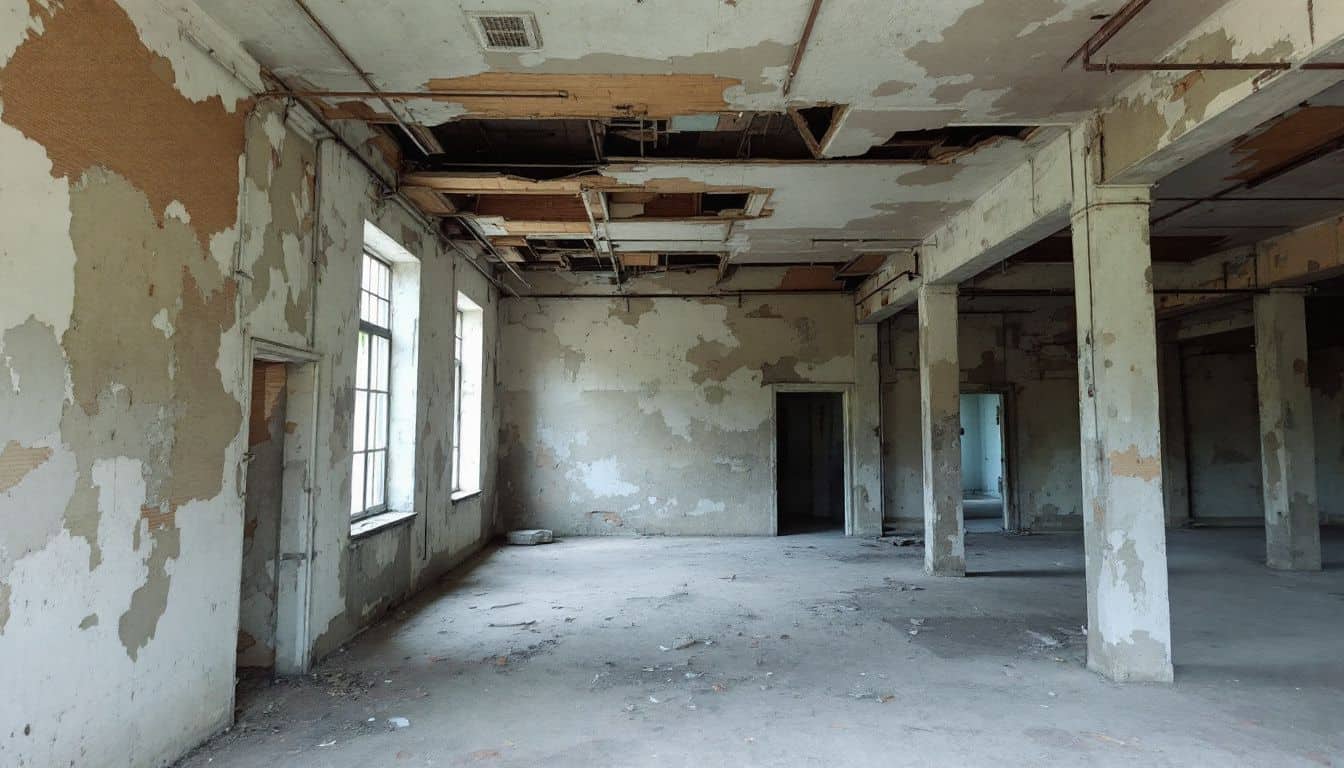
Asbestos Management Plan Kingston Upon Thames: What Every Duty Holder Needs to Know
If you own or manage a building in Kingston upon Thames that was constructed before 2000, there is a realistic chance it contains asbestos-containing materials (ACMs). An asbestos management plan for Kingston upon Thames properties is not optional — it is a legal duty under the Control of Asbestos Regulations. Get it wrong and you risk serious harm to occupants, workers, and contractors, as well as significant legal consequences.
This post walks through exactly how an asbestos management plan is developed and implemented, what it must include, and what duty holders in Kingston upon Thames need to do right now to stay compliant and keep people safe.
What Is an Asbestos Management Plan and Why Does It Matter?
An asbestos management plan is a formal, documented strategy that sets out how ACMs in a building will be identified, monitored, controlled, and — where necessary — removed. It is the practical output of your duty to manage asbestos under Regulation 4 of the Control of Asbestos Regulations.
The plan does not just sit in a filing cabinet. It is a living document that guides every decision about maintenance, refurbishment, and contractor access in your building. Without it, anyone working on the fabric of the building is potentially at risk of disturbing hidden ACMs and releasing dangerous fibres into the air.
For property managers and duty holders in Kingston upon Thames — whether you oversee a commercial office, a school, a block of flats, or an industrial unit — having a robust plan in place is the difference between proactive safety management and reactive crisis management.
Step One: Conducting an Asbestos Survey
Every asbestos management plan starts with a thorough survey. You cannot manage what you have not found. The survey identifies where ACMs are located, what type of asbestos is present, and what condition those materials are in.
For most occupied buildings, an asbestos management survey is the appropriate starting point. This type of survey is designed to locate ACMs that could be disturbed during normal occupation and routine maintenance. It is non-intrusive and covers all accessible areas of the building.
If you are planning refurbishment or demolition work, you will need a more intrusive demolition survey instead. But for day-to-day management purposes, the management survey is your foundation.
What the Survey Should Produce
- A full asbestos register listing every identified or presumed ACM
- The location of each ACM, ideally mapped to a site plan
- The type of asbestos where laboratory analysis has confirmed it
- A condition assessment for each ACM
- A risk priority rating to guide your management decisions
The survey must be carried out by a competent surveyor. HSE guidance document HSG264 sets out the standards surveyors must meet and the methodology they should follow. Always check that your surveying company works to these standards.
Building the Asbestos Register
The asbestos register is the core reference document within your management plan. It records every ACM identified during the survey and must be kept up to date as conditions change or new materials are discovered.
The register should be accessible to anyone who needs it — maintenance teams, contractors, and emergency services. Keeping it locked away defeats the purpose entirely. Many duty holders in Kingston upon Thames now maintain digital registers that can be accessed quickly on site.
What a Good Asbestos Register Includes
- Unique reference number for each ACM
- Location (floor, room, or zone) with reference to a floor plan
- Material type and form (e.g. ceiling tiles, pipe lagging, textured coating)
- Asbestos type confirmed or presumed
- Condition rating (good, fair, or poor)
- Risk priority score
- Recommended action (monitor, repair, encapsulate, or remove)
- Date of last inspection
The register is only as useful as the information it contains. Outdated or incomplete records create dangerous gaps in your management approach.
Risk Assessment: Prioritising Your ACMs
Not all ACMs present the same level of risk. A well-sealed asbestos cement roof panel in an undisturbed area poses a very different risk to damaged pipe lagging in a busy plant room. Your management plan must reflect these differences through a structured risk assessment process.
The risk assessment considers several factors for each ACM:
- Condition — Is the material intact, damaged, or deteriorating?
- Accessibility — Is it in an area where people work, pass through, or carry out maintenance?
- Likelihood of disturbance — Could routine maintenance or building work disturb it?
- Asbestos type — Some forms, such as amosite and crocidolite, carry a higher risk than chrysotile
- Fibre release potential — Friable materials release fibres more readily than bonded materials
ACMs rated as high priority need immediate action — whether that is repair, encapsulation, or removal. Lower-priority materials can be managed in place with regular monitoring, provided their condition remains stable.
Developing Your Control Measures
Once you have assessed the risks, your management plan must set out the specific control measures you will put in place for each ACM. These measures fall into three broad categories.
Manage in Place
Where an ACM is in good condition and unlikely to be disturbed, the safest approach is often to leave it in place and monitor it regularly. This avoids the risk of releasing fibres during unnecessary removal work. The plan must specify how often the material will be inspected and what condition changes would trigger a reassessment.
Repair or Encapsulation
Where an ACM is showing signs of damage or deterioration, it may be possible to repair or encapsulate it rather than remove it. Encapsulation involves applying a sealant or covering to prevent fibre release. This must be carried out by a competent contractor and the work recorded in the asbestos register.
Removal
Some ACMs present a risk that cannot be adequately managed in place. In these cases, asbestos removal is the appropriate course of action. Removal must be carried out by a licensed contractor for most higher-risk materials, and the work must follow strict HSE-approved procedures to protect workers and building occupants.
Training and Communication: Making the Plan Work in Practice
A management plan is only effective if the people responsible for implementing it understand what it requires. Training and communication are not optional extras — they are integral to the plan itself.
Who Needs Training?
- Facilities managers and building managers — need to understand the full plan, the asbestos register, and their responsibilities as duty holders
- Maintenance staff — need asbestos awareness training so they can recognise potential ACMs and know when to stop work and seek advice
- Contractors — must be informed of any ACMs in areas where they will be working before they start
- Emergency services — should have access to the asbestos register in the event of fire, flood, or structural damage
Asbestos awareness training for non-licensed workers is a requirement under the Control of Asbestos Regulations. It should be refreshed regularly — not treated as a one-off box-ticking exercise.
Contractor Management
One of the most common points of failure in asbestos management is the handover of information to contractors. Before any maintenance, repair, or refurbishment work begins, the duty holder must provide contractors with relevant information from the asbestos register.
The contractor must confirm they have reviewed it and will work accordingly. This process must be documented — a verbal briefing is not sufficient. You need a written record that information was shared and acknowledged.
Implementing an Emergency Procedure
Even the most carefully managed buildings can experience unexpected ACM disturbances — during emergency repairs, following storm damage, or as a result of accidental impact. Your management plan must include a clear emergency procedure that sets out exactly what to do if asbestos is inadvertently disturbed.
The procedure should cover:
- Immediate steps to take (stop work, evacuate the area, prevent spread)
- Who to notify internally and externally
- How to arrange emergency air monitoring
- How to arrange licensed remediation if required
- How to update the asbestos register following the incident
Staff should know where to find this procedure and what their individual responsibilities are. Confusion in an emergency situation can significantly worsen the outcome.
Regular Monitoring and Keeping the Plan Updated
An asbestos management plan is not a one-time exercise. The Control of Asbestos Regulations require duty holders to keep the plan under regular review and to update it whenever there is a reason to do so.
Scheduled Inspections
All ACMs that are being managed in place must be inspected at regular intervals. The frequency of inspection should reflect the risk level — higher-risk materials may need quarterly checks, while stable low-risk materials might be reviewed annually.
Every inspection must be recorded in the asbestos register with the date, the inspector’s name, and any observations about condition changes.
Triggers for Plan Review
Your plan should be reviewed and updated whenever any of the following occur:
- A new ACM is discovered during maintenance or survey work
- The condition of an existing ACM deteriorates
- Refurbishment or building work is planned in an area containing ACMs
- An ACM is disturbed accidentally
- There is a change in building use or occupancy
- Relevant HSE guidance is updated
Annual reviews of the complete plan are considered good practice, even when no specific trigger events have occurred. This ensures the plan remains accurate and reflects the current state of the building.
Common Mistakes Duty Holders Make With Asbestos Management Plans
Understanding what can go wrong helps you avoid the same pitfalls. These are the most frequent failures seen when reviewing existing asbestos management arrangements:
- Treating the survey as the end point — the survey produces the register; the management plan is what you do with it
- Failing to share information with contractors — this is one of the most common causes of accidental ACM disturbance
- Not updating the register after work is carried out — an outdated register is worse than no register because it creates false confidence
- Storing the plan somewhere inaccessible — it needs to be readily available to anyone who might need it
- Skipping reinspections — ACMs in good condition today may deteriorate; regular checks are essential
- Assuming removal is always the answer — disturbing ACMs during unnecessary removal can create more risk than managing them in place
What Makes Kingston Upon Thames Properties Particularly Relevant
Kingston upon Thames has a diverse building stock that spans Victorian terraces, mid-century commercial premises, post-war educational buildings, and 1970s and 1980s office developments. Many of these property types are known to contain ACMs in materials such as floor tiles, ceiling tiles, pipe lagging, textured coatings, and insulating board.
The borough also has a significant number of properties under mixed ownership — including local authority housing, private landlords, and commercial leaseholders — where the question of who holds the duty holder responsibility can sometimes be unclear. Getting that clarity is the first step before any management plan can be put in place.
If you are unsure whether you are the duty holder for a property in Kingston upon Thames, HSE guidance sets out the criteria clearly. In short, if you have responsibility for the maintenance or repair of a non-domestic premises — whether through ownership, a lease, or a contract — the duty is likely to fall on you.
Asbestos Management Across the UK
The legal requirements for asbestos management are consistent across England, Scotland, and Wales. Whether you are managing a property in Kingston upon Thames or further afield, the same duties apply under the Control of Asbestos Regulations.
Supernova Asbestos Surveys operates nationwide. If you need an asbestos survey London wide, our team covers the full capital including Kingston upon Thames and all surrounding boroughs. We also carry out surveys across major cities — including an asbestos survey Manchester clients trust, and an asbestos survey Birmingham property managers rely on for accuracy and compliance.
Wherever your property portfolio is located, the same standards apply and the same expertise is available to you.
How Supernova Asbestos Surveys Can Help Kingston Upon Thames Duty Holders
Supernova Asbestos Surveys has completed over 50,000 surveys across the UK. Our surveyors work to HSG264 standards and provide detailed, accurate reports that form the foundation of a legally compliant asbestos management plan for Kingston upon Thames properties and beyond.
For duty holders in Kingston upon Thames, we offer:
- A thorough management survey for occupied buildings, carried out by qualified and experienced surveyors
- A detailed asbestos register and risk-prioritised report that meets the requirements of Regulation 4
- Guidance on developing your management plan and control measures based on the survey findings
- Reinspection services to keep your register current and your plan up to date
- Clear, jargon-free reporting so you understand exactly what you have, where it is, and what you need to do
Do not wait for a contractor to uncover something unexpected or for an enforcement notice to prompt action. Get your asbestos management plan in place now.
Call us on 020 4586 0680 or visit asbestos-surveys.org.uk to book your survey or speak to a member of our team about your specific requirements.
Frequently Asked Questions
Do I legally need an asbestos management plan for my Kingston upon Thames property?
Yes, if you are the duty holder for a non-domestic premises built before 2000, you are legally required to have an asbestos management plan under Regulation 4 of the Control of Asbestos Regulations. This applies to commercial properties, schools, housing association blocks, and any other non-domestic building. The duty also extends to the common areas of residential blocks of flats.
How long does it take to develop an asbestos management plan?
The timeline depends on the size and complexity of the building. The survey itself typically takes a day or less for a small to medium-sized property, with the written report and register usually ready within a few working days. Once you have the survey findings, your management plan can be developed relatively quickly — though for larger or more complex buildings, this process may take longer to complete properly.
How often does an asbestos management plan need to be reviewed?
The Control of Asbestos Regulations require the plan to be reviewed whenever there is a reason to do so — such as a change in building use, a deterioration in an ACM’s condition, or planned refurbishment work. Annual reviews of the complete plan are widely considered good practice, even when no specific trigger events have occurred during that period.
Can I manage asbestos in place rather than having it removed?
Yes, and in many cases managing ACMs in place is the preferred approach. Unnecessary removal can disturb stable materials and release fibres that would otherwise remain contained. Where an ACM is in good condition and is not likely to be disturbed, a programme of regular monitoring is often the safest and most practical management strategy. Your surveyor will advise on the most appropriate approach for each material identified.
What happens if I do not have an asbestos management plan in place?
Failing to comply with Regulation 4 of the Control of Asbestos Regulations is a criminal offence. The HSE has the power to issue improvement notices, prohibition notices, and prosecute duty holders who fail to meet their legal obligations. Beyond the legal consequences, the absence of a management plan puts workers, contractors, and building occupants at genuine risk of asbestos exposure — which can cause serious and fatal diseases including mesothelioma and asbestosis.