
A diagnosis of asbestosis can turn everything upside down. People often want answers straight away about their health, their work history, and whether asbestosis claims can help them recover compensation for what should never have happened in the first place.
That question matters because asbestosis is not a short-term illness. It is a serious lung condition caused by inhaling asbestos fibres, usually after repeated exposure over many years, and it can affect breathing, stamina, work, finances, and family life long after the exposure itself has ended.
For many people, the hardest part is not understanding that they are ill. The real difficulty is proving where the exposure happened, who failed to control the risk, and what evidence is needed to support asbestosis claims decades later.
What are asbestosis claims?
Asbestosis claims are compensation claims brought by people who have developed asbestosis after exposure to asbestos. In the UK, that may involve a civil claim against a former employer or occupier, a claim pursued through an employer’s liability insurer, or an application for statutory support where a civil route is not available.
Because asbestos-related disease often develops long after exposure, claims can be complex. Employers may have closed, records may be missing, and the buildings where exposure happened may have been altered, sold, or demolished.
That does not mean a claim is impossible. It means evidence and early action matter.
The main routes can include:
- civil claims against a negligent employer
- claims involving an employer’s liability insurer
- applications for Industrial Injuries Disablement Benefit
- applications under a government compensation scheme where eligible
- military compensation routes in some circumstances
If you have been diagnosed, start collecting information straight away. A clear paper trail can make asbestosis claims much easier to investigate.
How asbestosis develops after asbestos exposure
Asbestosis is caused by inhaling asbestos fibres that become airborne when asbestos-containing materials are disturbed. Once in the lungs, those fibres can lead to scarring over time, making it harder for the lungs to function properly.
This is why breathlessness is such a common symptom. The damage is linked to past exposure, often in workplaces where asbestos was cut, drilled, stripped out, damaged, or left in poor condition.
Common workplaces linked to exposure
Exposure has historically happened in a wide range of settings, not just heavy industry. Many successful asbestosis claims involve workplaces that people would not have considered high risk at the time.
- construction and demolition sites
- shipbuilding and dock work
- boiler houses and plant rooms
- factories and engineering works
- electrical, plumbing, and heating trades
- railway and transport maintenance
- schools, hospitals, and council buildings
- warehouses, offices, and public buildings
- military buildings, ships, and vehicles
Under the Control of Asbestos Regulations, those responsible for non-domestic premises must manage asbestos risk. HSE guidance and HSG264 set out expectations around asbestos surveying, inspection, and reporting, and failures in those areas can become central to asbestosis claims.
Why asbestosis is treated as a serious injury
Asbestosis is not a minor respiratory problem. It can permanently affect breathing, reduce mobility, limit independence, and make everyday tasks harder than they used to be.

Some people live with stable symptoms for years. Others see a gradual decline that affects work, household tasks, exercise, and social life.
In practical terms, the condition may lead to:
- shortness of breath when walking short distances
- difficulty climbing stairs
- persistent coughing
- fatigue after light activity
- reduced ability to work or remain in employment
- greater vulnerability to chest infections
- anxiety about long-term lung health
When asbestosis claims are assessed, the diagnosis is only part of the picture. The impact on day-to-day life, earnings, care needs, treatment costs, and family responsibilities can all be relevant.
Who may be responsible for asbestosis claims?
Responsibility depends on where and how the exposure happened. In many cases, the main target is a former employer that failed to protect workers from asbestos exposure.
That failure may involve poor risk management, lack of warning, unsafe working practices, or a complete absence of asbestos information on site.
Examples of potential failings
- not arranging an asbestos survey where one was needed
- failing to identify asbestos-containing materials
- allowing maintenance or refurbishment work without proper controls
- not warning workers or contractors about asbestos risks
- failing to prevent exposure to dust and fibres
- keeping poor records about asbestos on the premises
- not maintaining an asbestos register or management plan
For property managers and duty holders, this is where legal responsibility becomes very real. If asbestos was present in a non-domestic building and not properly managed, that failure may later become part of the evidence in asbestosis claims.
Where intrusive works are planned, a proper demolition survey is essential before major strip-out or demolition starts. Skipping that step can expose workers to serious risk and create lasting legal consequences.
What happens if the employer has closed down?
Many asbestos exposures happened decades ago, so it is common for the employer involved to have dissolved, merged, or changed name. That does not automatically prevent asbestosis claims.
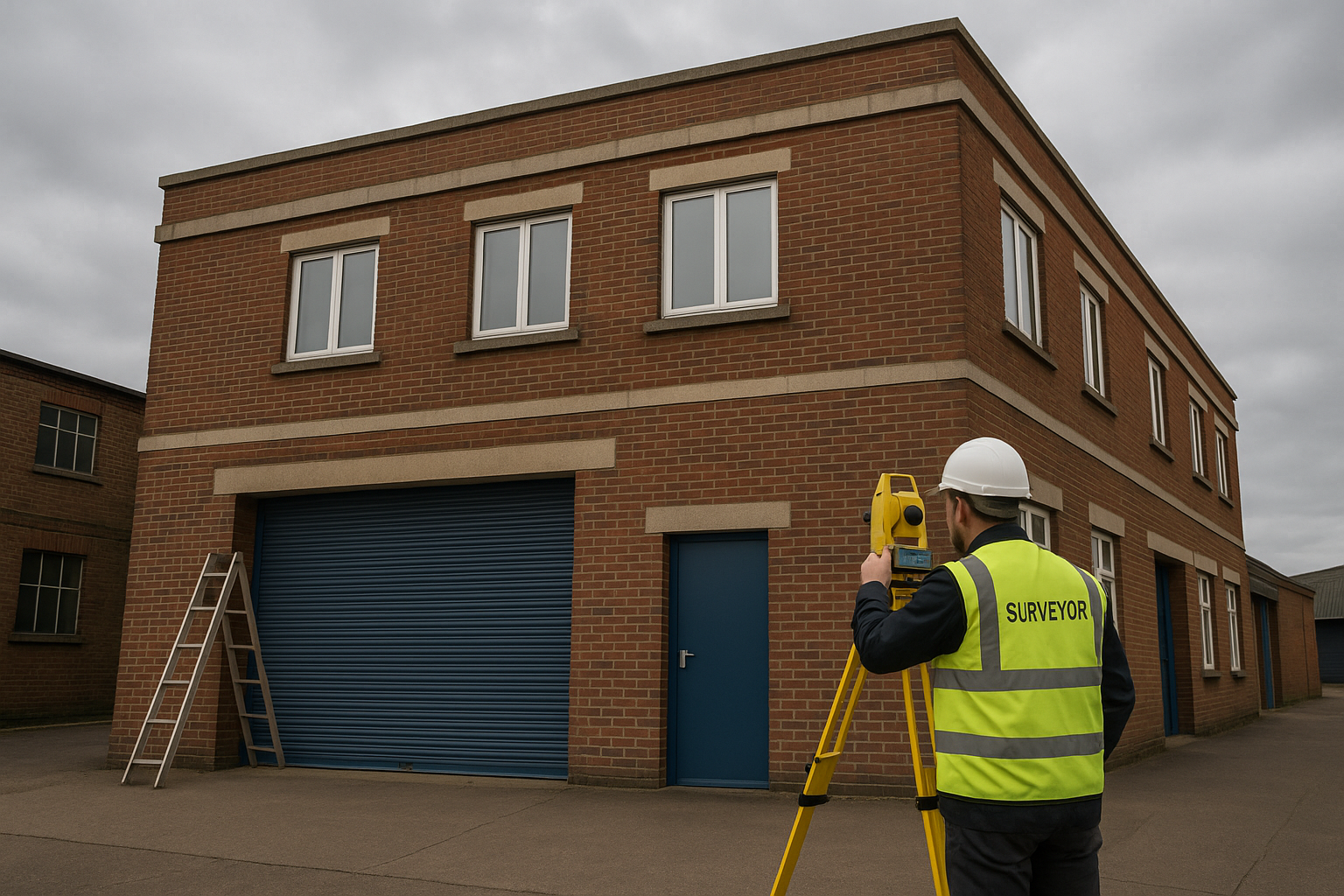
There may still be routes to compensation through old insurers, successor companies, or statutory support.
Possible next steps include:
- tracing the employer’s liability insurer
- checking whether liability passed to another company
- applying for Industrial Injuries Disablement Benefit
- considering a government compensation scheme if eligible
- gathering witness evidence from former colleagues
If you are unsure where the exposure took place, build a timeline of every workplace and role you can remember. Include approximate dates, job tasks, building locations, and whether you worked near pipe lagging, insulation boards, sprayed coatings, ceiling tiles, boiler rooms, risers, or service ducts.
Evidence that helps asbestosis claims succeed
Strong evidence can make the difference between a straightforward case and a long dispute. Medical evidence confirms the diagnosis, but exposure evidence is what links the disease to a workplace or responsible party.
The best approach is to gather what you can now rather than waiting until records become harder to trace.
Useful evidence for asbestosis claims
- medical records and respiratory reports
- employment records, payslips, or P60s
- witness statements from former colleagues
- photographs of old workplaces or equipment
- site plans and maintenance records
- historic asbestos survey reports
- bulk sample or laboratory testing results
- building refurbishment or demolition records
Survey evidence can be particularly useful where a building still exists. A suitable asbestos survey may help establish that asbestos-containing materials were present in the areas where exposure is said to have happened.
For sites in the capital, a professionally prepared asbestos survey London report can help duty holders, legal teams, landlords, and managing agents understand what materials are present and whether past disturbance was likely.
Why survey evidence matters
Reports prepared in line with HSG264 provide structured information about the location, extent, and condition of asbestos-containing materials. That can help show whether asbestos may have been disturbed during occupation, maintenance, refurbishment, or poor site management.
If a building linked to possible exposure is still standing, practical steps include:
- asking whether previous asbestos surveys exist
- requesting maintenance and refurbishment records
- checking whether asbestos registers are available
- identifying the rooms or service areas where work took place
- finding out whether any areas have since been stripped out
Practical steps to take after a diagnosis
When people first look into asbestosis claims, they often feel overwhelmed by the amount of information involved. Breaking the process into manageable steps helps.
Start with the basics and build from there.
- Get your diagnosis records together. Ask for copies of relevant letters, scans, and respiratory reports.
- Write down your employment history. Include employers, sites, job titles, and approximate dates.
- Describe the work you carried out. Focus on tasks that may have disturbed asbestos.
- List potential witnesses. Former colleagues can be vital where documents are missing.
- Check whether buildings still exist. If they do, asbestos survey records may still be available.
- Keep track of costs. Travel, prescriptions, care support, and lost earnings may all be relevant.
- Seek legal advice early. Specialist advice can help identify the best route.
If the relevant property is in the North West, an asbestos survey Manchester service can help establish whether asbestos-containing materials remain on site and whether the available records support the history of exposure.
Health management while asbestosis claims are being investigated
Compensation is only one part of the picture. Day-to-day management of asbestosis matters just as much, especially where symptoms are affecting work, mobility, or quality of life.
Good records of treatment and support can also help show the real impact of the condition.
Practical steps often include:
- attending follow-up appointments and lung function checks
- asking your GP or specialist about pulmonary rehabilitation
- seeking prompt treatment for chest infections
- keeping records of prescriptions and travel costs
- pacing activity to manage fatigue and breathlessness
- stopping smoking if you smoke, as this may worsen respiratory problems
- discussing flu and pneumococcal vaccination with your clinician
These steps do not replace legal action, but they support your health while asbestosis claims are being investigated. They also create a useful record of how the condition affects your daily life.
Government support and statutory routes
Not every case follows the same path. Some people pursue civil compensation, while others may also qualify for statutory support linked to occupational disease.
Depending on the circumstances, available routes may include:
- Industrial Injuries Disablement Benefit
- a government compensation scheme where civil recovery is not possible
- support linked to military service in appropriate cases
Eligibility depends on factors such as the source of exposure, the medical evidence available, and whether an employer or insurer can still be traced. Because these rules can be technical, early specialist advice is sensible.
A missing employer does not always mean there is no remedy. Many asbestosis claims still proceed through traced insurers or alongside benefit applications.
What property managers can learn from asbestosis claims
For property managers, landlords, schools, housing providers, and commercial occupiers, the lesson behind many asbestosis claims is straightforward: unmanaged asbestos creates long-term risk for both people and organisations.
If you are responsible for a non-domestic building, the duty to manage asbestos is not optional. It requires active steps, proper records, and clear communication with anyone who may disturb asbestos-containing materials.
Actions duty holders should take now
- confirm whether an up-to-date asbestos survey is in place
- review the asbestos register and management plan
- make sure contractors can access asbestos information before work starts
- arrange reinspection where asbestos-containing materials remain in place
- commission the correct survey before refurbishment or demolition
- keep records organised and easy to retrieve
These actions align with the Control of Asbestos Regulations and wider HSE guidance. They also reduce the risk of future exposure claims by showing that asbestos was properly identified and managed.
For organisations in the Midlands, an asbestos survey Birmingham can support compliance, planned works, and evidence gathering where building history may later come under scrutiny.
How to strengthen your position if records are limited
Older asbestos cases rarely come with perfect paperwork. Employers may have disappeared, buildings may have changed, and memories may be incomplete.
Even so, asbestosis claims can still be built using a combination of medical evidence, witness evidence, and property records.
If documents are limited, focus on creating a clear and consistent account:
- write down every employer and site you can remember
- note dates as accurately as possible, even if only by year
- describe the materials, dust, plant rooms, or insulation you worked around
- identify colleagues, supervisors, or contractors who may remember the site
- check whether old buildings are still standing and whether surveys exist
- keep all correspondence in one place
A well-organised timeline often becomes one of the most useful tools in asbestos disease cases. It helps legal advisers, surveyors, and insurers understand where the exposure may have happened and what records should be traced next.
When asbestos surveying becomes relevant to a legal case
Surveying does not replace legal advice, but it can be highly relevant where a building linked to historic exposure still exists. A competent asbestos surveying company can identify asbestos-containing materials, assess their condition, and produce reporting that may support wider investigations.
This is particularly useful where the dispute involves questions such as:
- whether asbestos was likely to have been present in a specific area
- whether maintenance work may have disturbed asbestos
- whether the duty holder had appropriate records
- whether refurbishment or strip-out happened without the correct survey
Reports should be clear, properly documented, and prepared by a competent surveying team that understands legal sensitivity and evidential value. Poor reporting can create confusion rather than clarity.
Clear next steps for anyone considering asbestosis claims
If you are considering asbestosis claims, focus on what you can control now. Gather your diagnosis records, build your work history, identify possible witnesses, and find out whether any buildings linked to your exposure still have asbestos records or require new survey work.
If you manage property, do not wait for a dispute to expose gaps in your asbestos management. Review your survey status, asbestos register, and planned works process before contractors or occupants are put at risk.
Supernova Asbestos Surveys supports landlords, managing agents, businesses, and legal professionals with clear, compliant asbestos surveying across the UK. If you need help with survey evidence, management surveys, refurbishment surveys, or demolition surveys, call 020 4586 0680 or visit asbestos-surveys.org.uk.
Frequently Asked Questions
Can you make asbestosis claims many years after exposure?
Yes. Asbestosis often develops long after asbestos exposure, so it is common for claims to relate to work carried out decades earlier. The key issue is whether medical and exposure evidence can link the condition to a responsible employer, insurer, or statutory route.
What evidence is most useful in asbestosis claims?
Medical records are essential, but they are only part of the case. Employment history, witness statements, old site records, asbestos survey reports, maintenance documents, and any evidence showing asbestos was present at the workplace can all help.
What if the company responsible no longer exists?
You may still have options. In many cases, an employer’s liability insurer can be traced, or there may be statutory support available if a civil route is not possible.
Can asbestos survey reports help support a legal case?
They can, particularly where the building still exists and the presence or condition of asbestos-containing materials is relevant to historic exposure. Reports prepared in line with HSG264 can help clarify whether asbestos was likely to have been disturbed.
What should property managers do to reduce the risk of future claims?
Keep an up-to-date asbestos survey, maintain the asbestos register and management plan, share asbestos information with contractors, and arrange the correct survey before any intrusive work begins. Good asbestos management reduces risk to people and helps demonstrate compliance with legal duties.