
Breathlessness that does not ease with rest can turn a long-finished job into a very present problem. When doctors diagnose lung scarring caused by asbestos exposure, asbestosis compensation stops being an abstract legal phrase and becomes a question of treatment, income, care, and whether proper financial support is available.
For many people, exposure happened decades ago in factories, shipyards, schools, boiler rooms, construction sites, or public buildings. That delay can make the process feel difficult, but there are clear routes to help if you know where to look and what evidence to gather.
Navigation menu, services and information: what actually matters
When people search online after a diagnosis, they often land on pages filled with headings such as Navigation menu, Services and information, Share this page, or Updates to this page. Those features help you move around a website, but they do not tell you whether you may have a valid asbestosis compensation claim.
The useful content sits underneath. You need information on diagnosis, treatment, government support, personal injury claims, industrial disease claims, and practical next steps.
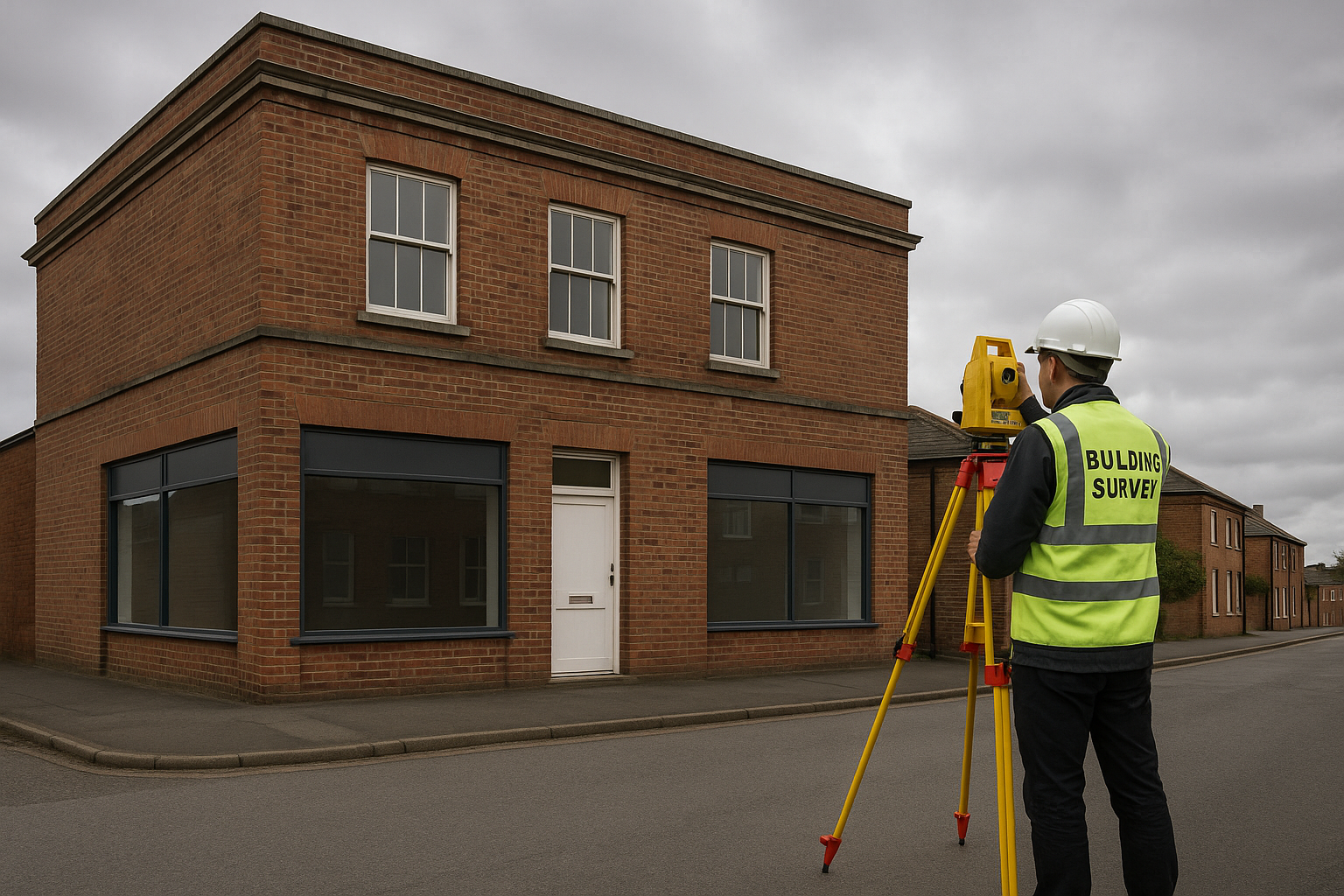
If you are a property manager or duty holder, there is another lesson here. The Control of Asbestos Regulations require asbestos risks in non-domestic premises to be identified and managed properly. Survey work should follow HSG264, and wider HSE guidance makes clear that the right survey is essential before maintenance, refurbishment, or demolition.
That is why arranging the correct survey before work starts matters so much. If you manage a site in the capital, booking an asbestos survey London service can help identify asbestos-containing materials before workers disturb them.
The same applies elsewhere. Planned works in the North West should begin with an asbestos survey Manchester inspection, while refurbishment projects in the Midlands may need an asbestos survey Birmingham assessment before intrusive work starts.
What asbestosis is and why asbestosis compensation may be available
Asbestosis is a chronic lung condition caused by inhaling asbestos fibres over time. Those fibres can scar the lungs permanently, reducing breathing capacity and making everyday tasks harder.
Asbestosis compensation is financial redress linked to negligent asbestos exposure, most often through work. Depending on the circumstances, support may come from a civil claim, a government compensation scheme for asbestosis, state benefits, or a combination of these routes.
A successful claim or support package may help with:
- pain, suffering and loss of amenity
- past and future loss of earnings
- care provided by relatives or professionals
- medical expenses and travel costs
- aids, equipment or home adaptations
- support for dependants in some cases
The right route depends on your diagnosis, work history, and whether a former employer or insurer can still be traced. Early action helps because records and witnesses are easier to find sooner rather than later.
Accident at Work, Personal Injury and Industrial Disease Claims
Many people search for asbestos cases under headings like Accident at Work or Personal Injury. In practice, asbestosis is usually dealt with as an industrial disease claim rather than a one-off workplace accident.
That distinction matters because exposure often happened repeatedly over months or years. A claim will usually focus on whether an employer failed to take reasonable steps to protect workers from asbestos dust.
Personal Injury claims
Most asbestosis compensation cases are pursued as personal injury claims. The legal issue is often whether the employer knew, or should have known, about the risk and failed to act properly.
Examples of failings can include:
- no warning about asbestos risk
- poor dust control
- lack of training
- unsuitable respiratory protection
- failure to identify asbestos before work started
- unsafe removal or disturbance of asbestos-containing materials
Industrial Disease Claims
Industrial disease claims recognise that illnesses such as asbestosis develop over time. They often rely on employment records, witness evidence, and medical reports rather than one incident report.
If an employer has closed down, that does not always end the matter. Historic insurers can sometimes be traced, and separate government support may still be available.
Accident at Work searches and why they still appear
You will often see asbestos disease content listed alongside road traffic accidents, serious injury, or medical negligence services. That is mostly website structure rather than legal substance.
What matters is whether the advice you receive is focused on asbestos disease, long-latency exposure, and the evidence needed to support an asbestosis compensation case.
Symptoms, diagnosis and tests for asbestosis
Asbestosis can be serious because it causes permanent damage to the lungs. Symptoms often develop slowly, which is why some people assume it is ageing, low fitness, or another chest condition.
Common symptoms include:
- shortness of breath, especially on exertion
- a persistent dry cough
- chest tightness or discomfort
- fatigue
- wheezing
- clubbing of the fingertips in more advanced cases
If you have these symptoms and a history of working around insulation, lagging, asbestos cement, sprayed coatings, ceiling tiles, pipework, or old plant rooms, speak to your GP. Make sure your work history is recorded clearly.
Tests for asbestosis
Doctors do not usually rely on one test alone. Diagnosis is normally based on a combination of medical evidence and occupational history.
Tests for asbestosis may include:
- a review of your work and exposure history
- chest X-ray imaging
- CT scans where appropriate
- lung function testing
- assessment by a respiratory specialist
From a claims point of view, that medical record is central. It helps establish both the diagnosis and the likely link between your illness and past asbestos exposure.
Treatment for asbestosis and what you can do day to day
There is no treatment that reverses lung scarring caused by asbestosis. Treatment for asbestosis is aimed at managing symptoms, supporting breathing, and reducing complications.
Your GP or specialist may recommend monitoring, inhalers in some cases, pulmonary rehabilitation, oxygen therapy where needed, and support with managing daily activity. The exact plan depends on how advanced the condition is and how it affects your lungs.
Do these things to help with asbestosis
Practical steps can make a real difference:
- Do try to quit smoking if you smoke – your symptoms may get worse if you smoke, and it increases the risk of lung cancer.
- Do get the flu vaccination and the pneumococcal vaccination – this reduces your chance of getting an infection that affects your lungs.
- follow your GP or specialist’s advice closely
- attend lung function reviews and hospital appointments
- pace activity to avoid overexertion
- seek medical help promptly if breathing worsens
- ask whether pulmonary rehabilitation may help
- keep a record of symptoms, mobility limits, and care needs
That last point is useful medically and legally. A clear diary can show how the condition affects sleep, walking, washing, dressing, work, and household tasks, which can strengthen an asbestosis compensation claim.
Government compensation scheme for asbestosis
Some people may qualify for a government compensation scheme for asbestosis or related state support. These schemes are separate from a civil personal injury claim.
Eligibility depends on the diagnosis, work history, and the circumstances of exposure. In some cases, government support may sit alongside a civil claim rather than replace it.
You should also check whether Industrial Injuries Disablement Benefit may apply if the disease was caused by employed work. Other welfare benefits may be relevant depending on how your symptoms affect daily living.
The key point is simple: do not assume there is only one route. A person with asbestosis may have options through civil litigation, state benefits, and government compensation arrangements at the same time.
How to build a strong asbestosis compensation claim
Good evidence can make a major difference. If you are considering asbestosis compensation, start collecting records as soon as possible.
Useful evidence includes
- hospital letters and scan reports
- respiratory clinic notes
- employment records and payslips
- pension papers
- HMRC work history where available
- union or apprenticeship records
- a written timeline of employers, sites and job roles
- names of former colleagues who remember conditions
- receipts and records showing financial losses
- notes about care provided by family members
A practical order for gathering evidence
- Get the diagnosis confirmed and keep copies of all reports.
- Write down your full work history in date order.
- Identify likely exposure points and the materials involved.
- Contact former colleagues who may remember dusty conditions.
- Keep records of expenses, lost earnings and care needs.
- Check whether benefits or a government scheme may apply.
- Seek legal advice on whether a personal injury or industrial disease claim is realistic.
If the exposure happened many years ago, family members can often help fill gaps. A spouse, sibling, adult child, or former colleague may remember site names, contractors, products used, or the kind of dusty work carried out.
Share this page, support links and updates to this page
After diagnosis, people often move between NHS advice, HSE guidance, government information pages, and legal content. That is sensible, as long as you understand what each source is for.
- NHS information helps with symptoms, tests for asbestosis, and treatment for asbestosis.
- HSE guidance explains workplace duties, asbestos management, and why proper surveying matters.
- Government pages can help identify benefits and compensation schemes.
- Legal advice helps assess whether a personal injury or industrial disease claim is likely to succeed.
If you find a page useful, share this page with anyone who may need it. A simple conversation now can help someone preserve evidence before records disappear.
You may also see sections called Support links, More information, or Updates to this page. Those can be useful for checking whether guidance has changed, but they are not a substitute for tailored medical or legal advice.
What property managers and employers should do now
Historic asbestos exposure still leads to illness and asbestosis compensation claims today. The practical lesson for employers, landlords, and managing agents is straightforward: identify asbestos before work starts and manage it properly.
Action points include:
- commission the correct asbestos survey for the planned work
- keep an asbestos register where required
- share asbestos information with contractors
- avoid disturbing suspect materials
- stop work immediately if unknown asbestos-containing materials are found
- follow the Control of Asbestos Regulations and relevant HSE guidance
For duty holders, prevention is always cheaper and safer than dealing with illness decades later. Proper surveying in line with HSG264 is one of the most practical ways to reduce future exposure risk.
Frequently Asked Questions
Can I claim asbestosis compensation if the exposure happened decades ago?
Yes, potentially. Asbestosis often develops many years after exposure. A delayed diagnosis does not automatically prevent a claim, although it is wise to seek advice quickly because records and witness evidence can become harder to trace over time.
What is the government compensation scheme for asbestosis?
It is a route of financial support that may be available in certain circumstances for people diagnosed with asbestos-related disease. Eligibility depends on the diagnosis, employment history, and whether other compensation routes are available.
What tests are used to diagnose asbestosis?
Doctors usually look at your work history, symptoms, imaging such as chest X-rays or CT scans, and lung function tests. A respiratory specialist may also be involved in confirming the diagnosis.
What should I do to help with asbestosis every day?
Follow your clinician’s advice, attend reviews, try to quit smoking if you smoke, and get the flu and pneumococcal vaccinations. It also helps to pace activity and keep a record of symptoms and care needs.
Can family members help with an asbestosis compensation claim?
Yes. Family members often help by locating paperwork, writing down work history, identifying former employers, and recording the care they provide at home. That evidence can be valuable in both benefits applications and civil claims.
If you manage buildings or need to reduce the risk of future asbestos exposure, Supernova Asbestos Surveys can help with compliant inspections across the UK. Call 020 4586 0680 or visit asbestos-surveys.org.uk to arrange a survey and get practical advice from an experienced team.