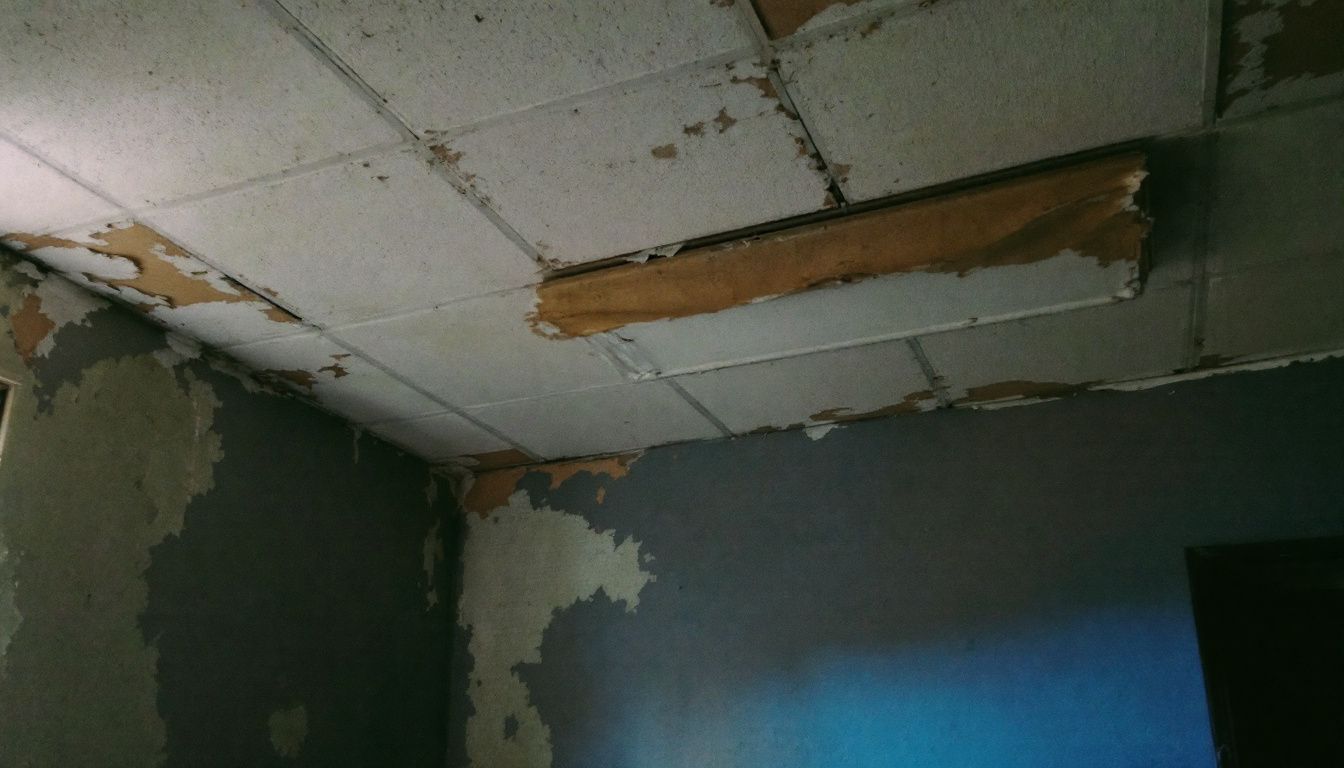
Hotel Asbestos Surveys: What Every Hospitality Owner Needs to Know
If your hotel was built or refurbished before 2000, there is a realistic chance it contains asbestos. Hotel asbestos surveys are not a bureaucratic box-ticking exercise — they are the legal and practical foundation for protecting your guests, your staff, and your business from one of the most serious occupational health hazards in the UK.
Asbestos does not degrade or disappear. It sits quietly inside walls, ceilings, pipe lagging, and floor tiles until something disturbs it — a refurbishment project, a burst pipe, a fire, or even a maintenance worker drilling into the wrong surface. The risk is real, it is ongoing, and it is your legal responsibility to manage it.
Why Hotels Face a Particular Asbestos Risk
Hotels are not like offices or warehouses. They are complex, multi-use buildings with guest rooms, kitchens, boiler rooms, conference suites, leisure facilities, and staff areas — all operating simultaneously, often around the clock.
That complexity creates more opportunities for asbestos-containing materials (ACMs) to be disturbed. Maintenance work happens constantly. Refurbishments are frequent. Contractors move through the building regularly, often without a full picture of what lies behind the walls they are working on.
Add to this the fact that many UK hotels occupy older buildings — converted Victorian townhouses, Edwardian terraces, mid-century purpose-built blocks — and the likelihood of encountering asbestos increases significantly. Any building constructed before 2000 could contain it, and the hospitality sector has more than its fair share of older stock.
The Legal Duty on Hotel Owners and Managers
The Control of Asbestos Regulations places a clear legal duty on those who own or manage non-domestic premises. Hotels fall squarely within that definition. The duty holder — typically the owner, managing director, or facilities manager — must:
- Identify whether asbestos is present in the building
- Assess the condition and risk of any ACMs found
- Produce and maintain a written Asbestos Management Plan (AMP)
- Ensure the AMP is acted upon, reviewed, and kept up to date
- Share asbestos information with anyone who might disturb it, including contractors
Failing to meet these duties is not a minor administrative oversight. The courts take this seriously — enforcement action can result in substantial fines and, in serious cases, prosecution.
Asbestos-related diseases remain one of the leading causes of work-related deaths in the UK. The HSE’s guidance document HSG264 sets out in detail how surveys should be planned and carried out. It is the benchmark that professional surveyors work to, and it is the standard against which your compliance will be judged if the HSE ever comes knocking.
Where Asbestos Hides in Hotels
Asbestos was used extensively in UK construction because it was cheap, durable, fire-resistant, and an effective insulator. Those same properties made it popular in virtually every part of a building. In a hotel context, the most common locations include:
Guest Bedrooms and Corridors
- Textured ceiling coatings such as Artex
- Floor tiles and the adhesive beneath them
- Partition walls and ceiling tiles in suspended grid systems
- Window surrounds and soffits
Kitchens and Service Areas
- Insulation boards around ovens and cooking equipment
- Pipe lagging on hot water and steam pipes
- Floor tiles and sheet vinyl flooring
- Fire doors with asbestos-containing cores
Boiler Rooms and Plant Rooms
- Lagging on boilers, pipes, and tanks
- Insulation on ducts and HVAC components
- Asbestos cement panels and boards
Roofs and External Areas
- Asbestos cement roof sheets and guttering
- Soffit boards and fascias
- Rainwater goods and external cladding panels
None of these materials can be identified by eye. Asbestos cement looks like ordinary cement. Textured coatings look like textured coatings. The only reliable way to confirm whether a material contains asbestos is laboratory analysis of a sample taken by a qualified surveyor.
Types of Hotel Asbestos Surveys Explained
Not all asbestos surveys are the same. The type you need depends on what you intend to do with the building. Getting this wrong can mean paying for a survey that does not give you the information you actually need — or worse, starting work without the right data in place.
Management Surveys
A management survey is the standard survey for buildings in normal use. Its purpose is to locate ACMs that could be disturbed during everyday activities, assess their condition, and provide the information needed to manage them safely.
This is the survey most hotels will need as a starting point. It covers accessible areas and does not involve significant intrusion into the building fabric. The results feed directly into your Asbestos Management Plan and give you the foundation for ongoing compliance.
Refurbishment Surveys
If you are planning any refurbishment work — even something as seemingly minor as replacing a suspended ceiling or re-tiling a bathroom — you need a refurbishment survey before work begins. This is a legal requirement, not optional guidance.
A refurbishment survey is more intrusive than a management survey. Surveyors will access areas that are not normally reachable, including voids above ceilings, beneath floors, and within wall cavities. The aim is to ensure that contractors working in those areas are not unknowingly disturbing ACMs.
Demolition Surveys
A demolition survey is the most thorough of all, covering the entire building structure and requiring destructive inspection techniques. These are required before any part of a hotel is demolished — no exceptions.
The demolition survey must be completed in full before any demolition contractor begins work. Attempting to demolish without one puts workers at serious risk and exposes duty holders to significant legal liability.
What Happens During a Hotel Asbestos Survey
Understanding the process helps you prepare the building properly and get the most useful results. Here is what to expect when a qualified surveyor visits your hotel:
- Pre-survey planning: The surveyor will review any existing asbestos records, building drawings, and maintenance history before attending site.
- Site walkthrough: A systematic inspection of all accessible areas, including guest rooms, back-of-house spaces, roof voids, and plant rooms.
- Sampling: Small samples are taken from suspect materials using appropriate personal protective equipment. Sampling is kept to the minimum necessary to make a reliable assessment.
- Laboratory analysis: Samples are sent to an accredited laboratory for analysis. Results confirm whether asbestos is present and, if so, which type.
- Report production: A detailed written report is produced, including a register of all ACMs found, their location, condition, and a risk priority rating for each.
- Management recommendations: The report will recommend whether each ACM should be managed in place, repaired, encapsulated, or removed.
The surveyor must be competent and, for most commercial surveys, hold BOHS P402 qualification or equivalent. At Supernova Asbestos Surveys, every hotel survey is carried out by fully qualified, experienced surveyors — not subcontractors or trainees.
Building Your Asbestos Management Plan
Once your survey is complete, the results must be translated into a working Asbestos Management Plan. This is not a document you file and forget — it is a live record that must be regularly reviewed and updated as the building changes.
An effective AMP for a hotel should include:
- A full register of all ACMs, including location, type, condition, and risk rating
- Floor plans or annotated drawings showing where ACMs are located
- A clear maintenance and inspection schedule
- Procedures for ensuring contractors are informed before any work begins
- Staff training records and refresher schedules
- Emergency procedures for accidental disturbance
- Records of all inspections, works, and incidents
The plan must be accessible to anyone who needs it — maintenance staff, housekeeping supervisors, visiting contractors, and emergency services. Keeping it locked in a filing cabinet where nobody can find it defeats the purpose entirely.
Managing Asbestos Day-to-Day in a Hotel
Identifying asbestos is only the beginning. Managing it safely on an ongoing basis requires consistent effort and clear protocols across your entire team.
Regular Inspections
ACMs that are in good condition and left undisturbed present a low risk. However, their condition can change — through physical damage, water ingress, or general deterioration over time.
Monthly visual checks by trained staff, supplemented by formal inspections by a competent person at least annually, help ensure problems are caught early. Any ACM showing signs of damage, friability, or deterioration should be assessed by a professional without delay.
Contractor Management
Every contractor working in your hotel must be shown the asbestos register before they start work. This is not a courtesy — it is a legal requirement under the Control of Asbestos Regulations.
Build a step into your procurement process where contractors sign to confirm they have received and reviewed the asbestos information relevant to their work area. Keep those signed records on file.
Staff Training
All staff whose work could bring them into contact with ACMs — maintenance, housekeeping, facilities management — must receive appropriate asbestos awareness training. This does not mean turning them into asbestos experts.
It means they need to know what to look for, what not to touch, and who to call if they find something concerning. Refresher training should be scheduled regularly, not treated as a one-off exercise.
Emergency Procedures
If ACMs are accidentally disturbed, your team needs to know exactly what to do:
- Stop work immediately and evacuate the area
- Isolate the area with physical barriers and warning signs
- Switch off any ventilation systems serving the affected space
- Contact a licensed asbestos contractor for assessment
- Do not re-enter the area until it has been declared safe
- Record the incident and notify the relevant parties
Having this procedure written down and rehearsed before an incident occurs is far better than trying to work it out in the moment.
When Asbestos Removal Is Required
Not all asbestos needs to be removed. In many cases, managing ACMs in place is the safer and more practical option. However, removal becomes necessary when:
- ACMs are in poor condition and cannot be safely repaired or encapsulated
- Planned refurbishment or demolition work will disturb ACMs
- The material poses an unacceptable ongoing risk to occupants or workers
When removal is required, it must be carried out by a licensed contractor for most types of asbestos. Asbestos removal is a highly controlled process involving specialist equipment, strict containment procedures, and proper disposal at a licensed facility.
It is not work that should ever be attempted by unqualified individuals, regardless of cost pressures or programme timescales. Cutting corners here puts lives at risk and exposes you to serious legal consequences.
Supernova Covers Hotels Across the UK
Supernova Asbestos Surveys has completed over 50,000 surveys across the UK, including hotels, guest houses, serviced apartments, and hospitality venues of every size and type. Our surveyors understand the operational demands of a working hotel and will plan surveys to minimise disruption to your guests and staff.
We cover the full length and breadth of the country. If your hotel is in the capital, our asbestos survey London team can be with you quickly. For properties in the North West, our asbestos survey Manchester team operates across the region. And for the Midlands, our asbestos survey Birmingham team covers the area thoroughly.
Wherever your hotel is located, we can provide a fast, professional, and fully compliant survey that gives you the information you need to protect your guests, your staff, and your legal position.
Get in touch today for a free quote — our team will advise on the right type of survey for your property and provide a clear, competitive price with no hidden costs.
Call us on 020 4586 0680 or visit asbestos-surveys.org.uk to book your hotel asbestos survey today.
Frequently Asked Questions
Are hotel asbestos surveys a legal requirement?
Yes. The Control of Asbestos Regulations requires duty holders of non-domestic premises — which includes hotels — to identify and manage asbestos-containing materials. Commissioning a hotel asbestos survey is the essential first step in meeting that legal duty. Failure to comply can result in enforcement action, significant fines, and in serious cases, prosecution.
How often does a hotel need an asbestos survey?
An initial management survey should be carried out if you do not already have a valid asbestos register in place. After that, the condition of known ACMs must be reviewed at least annually, and a new survey is required before any refurbishment or demolition work begins. The Asbestos Management Plan should be reviewed and updated regularly to reflect any changes to the building or its use.
Can hotel guests be at risk from asbestos?
Asbestos-containing materials that are in good condition and left undisturbed do not release fibres and pose no immediate risk. However, if ACMs are damaged — through maintenance work, renovation, or accidental impact — fibres can become airborne and pose a health risk to anyone in the vicinity, including guests. This is precisely why identifying, managing, and monitoring ACMs is so critical in a hotel environment.
Do I need a different survey if I am planning a hotel refurbishment?
Yes. A standard management survey is not sufficient before refurbishment work begins. You will need a refurbishment survey, which is more intrusive and specifically designed to identify ACMs in areas that will be disturbed during the works. This is a legal requirement under the Control of Asbestos Regulations and HSE guidance, and no responsible contractor should begin refurbishment work without it being in place.
How long does a hotel asbestos survey take?
The duration depends on the size and complexity of the property. A small boutique hotel might be surveyed in a single day, while a large multi-storey hotel with extensive back-of-house areas could take several days. Supernova’s surveyors will assess your property in advance and plan the survey to minimise disruption to your operations, including working around occupied areas wherever possible.