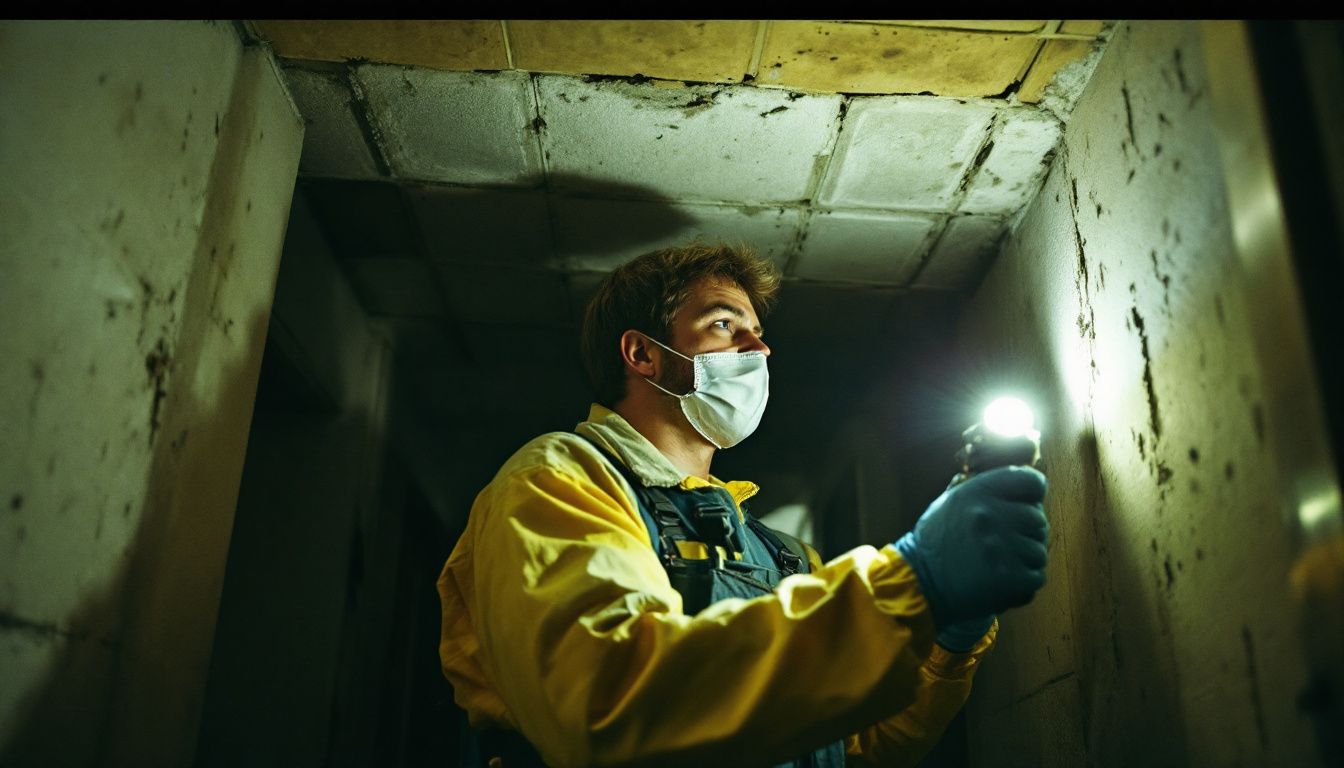
Asbestos and Health and Safety Laws in Hospitality: What Every Hotel and Venue Owner Must Know
Running a hotel, restaurant, or any hospitality venue comes with a long list of legal responsibilities — and health and safety laws in hospitality around asbestos are among the most serious. If your building was constructed before 2000, there is a real chance it contains asbestos-containing materials (ACMs). Get this wrong and you are not just risking fines; you are risking lives.
This post covers what hospitality operators need to understand about asbestos obligations: what the law requires, how to stay compliant, and what happens when things go wrong.
Why Asbestos Is a Particular Risk in the Hospitality Sector
Hotels, pubs, restaurants, and leisure facilities are often older buildings — many built or refurbished during the decades when asbestos was used extensively in construction. It was added to floor tiles, ceiling tiles, pipe lagging, spray coatings, partition walls, and more.
Unlike an empty office building, hospitality venues have constant footfall. Guests, staff, contractors, and delivery workers move through these spaces every day. Any disturbance to ACMs — a refurbishment, a maintenance job, even a leaking ceiling — can release fibres into the air that people breathe without knowing.
That is what makes asbestos compliance non-negotiable in this sector. The duty is not a box-ticking exercise; it is a genuine safeguard for everyone who enters your property.
The Legal Framework: Health and Safety Laws in Hospitality and Asbestos
The primary legislation governing asbestos in the UK is the Control of Asbestos Regulations. These regulations set out clear duties for anyone who owns, manages, or has responsibility for non-domestic premises — which includes every hotel, pub, restaurant, café, and leisure venue in the country.
The Duty to Manage
Regulation 4 of the Control of Asbestos Regulations places a legal duty to manage asbestos on the person or organisation responsible for a non-domestic building. This means you must:
- Identify whether ACMs are present in your premises
- Assess the condition and risk of any ACMs found
- Produce and maintain an up-to-date asbestos register
- Create a written asbestos management plan and act on it
- Share information about ACMs with anyone who might disturb them — including contractors
- Arrange periodic re-inspections to monitor the condition of known ACMs
Failing to meet any of these obligations is a criminal offence. The Health and Safety Executive (HSE) and Local Authorities both have enforcement powers in this area, and they use them.
Licensing and Notifiable Work
Not all asbestos work is the same under the law. Some tasks — particularly those involving asbestos insulation, asbestos insulation board, or asbestos coatings — must be carried out by a licensed contractor. Other work may be notifiable to the HSE even if a licence is not required.
Your maintenance team and in-house contractors must never attempt to remove or disturb asbestos without first confirming the legal requirements. This is one of the most common compliance failures in the hospitality sector.
RIDDOR Reporting
If a worker or contractor is accidentally exposed to asbestos during work on your premises, this must be reported under the Reporting of Injuries, Diseases and Dangerous Occurrences Regulations (RIDDOR). Mesothelioma and other asbestos-related diseases are reportable conditions.
Keeping accurate records of where ACMs are located in your building significantly reduces the risk of accidental exposure — and demonstrates due diligence if questions are ever asked.
What Type of Asbestos Survey Does Your Hospitality Venue Need?
The type of survey you need depends on what you are doing with the building. HSG264 — the HSE’s definitive guidance on asbestos surveys — defines two main survey types, with a third process for ongoing monitoring.
Management Survey
A management survey is the baseline requirement for any non-domestic premises built before 2000. It identifies ACMs that could be disturbed during normal occupation and maintenance, and produces an asbestos register and risk assessment that form the foundation of your management plan.
Every hospitality venue that has not yet had one should arrange this as a priority. Operating without one is not just a legal risk — it means you genuinely do not know what hazardous materials may be present in your building.
Refurbishment Survey
If you are planning any renovation work — even something as routine as updating a kitchen, replacing a ceiling, or knocking through a wall — you need a refurbishment survey before work begins. This is a more intrusive survey that inspects the specific areas to be disturbed.
Starting refurbishment work without this survey in place is a serious legal breach. It also puts your contractors at risk — and you may be held liable for any resulting harm.
Re-Inspection Survey
Once you have an asbestos register, you cannot simply file it away and forget about it. The condition of ACMs can change over time — particularly in a busy hospitality environment where walls get knocked, ceilings get damp, and maintenance work is frequent.
A periodic re-inspection survey checks whether the condition of known ACMs has deteriorated and updates your register accordingly. Most duty holders arrange these annually, though the frequency should reflect the risk level of the materials present.
Building Your Asbestos Management Plan
An asbestos management plan is not just a legal document — it is an operational tool. For a hospitality business, it needs to be practical, accessible, and regularly reviewed.
A robust plan should include:
- An up-to-date asbestos register — listing all ACMs found, their location, condition, and risk rating
- A clear schedule for re-inspections — based on the risk profile of materials identified
- Procedures for maintenance and repair work — including how contractors are briefed before they start
- Emergency procedures — what to do if ACMs are accidentally disturbed or damaged
- Staff training records — evidence that relevant employees have received asbestos awareness training
- Contractor management protocols — ensuring anyone working on the building has seen the register and signed to confirm they understand it
Review and update the plan at least annually, and immediately after any incident or significant building work. A plan that sits in a drawer and never gets looked at is not a plan — it is a liability.
Staff Training and Awareness
Health and safety laws in hospitality require that workers who might come into contact with asbestos — or who might accidentally disturb it — receive appropriate training. This does not mean every member of your front-of-house team needs a full asbestos qualification.
But relevant staff must understand:
- What asbestos is and why it is dangerous
- Where ACMs are located in your building
- What to do if they suspect they have disturbed asbestos
- Who to report concerns to
- That they must never attempt to remove or repair asbestos themselves
Maintenance staff, facilities managers, and anyone involved in building work need a higher level of awareness. Document all training and keep records — the HSE may ask to see them during an inspection.
Fire Safety: The Other Critical Compliance Area
Asbestos is not the only area where health and safety laws in hospitality demand rigorous compliance. Fire safety is equally critical — and the two are sometimes directly connected.
Asbestos-containing materials were often used as fire protection in older buildings, which means fire safety works can inadvertently disturb ACMs. Under the Regulatory Reform (Fire Safety) Order, hospitality venues must have a current fire risk assessment carried out by a competent person. This assessment must be reviewed regularly and whenever significant changes are made to the premises or the way it is used.
Coordinating your fire risk assessment with your asbestos management plan makes practical sense — and ensures that planned fire safety upgrades do not inadvertently create an asbestos risk.
Asbestos Testing: When You Need It and How to Get It
Sometimes a material looks suspicious but has not been formally identified. Rather than assuming it is safe — or shutting down operations unnecessarily — the correct approach is to test it.
Supernova offers professional asbestos testing carried out at our UKAS-accredited laboratory, producing results that are accurate and legally defensible. For individual materials, we also offer a postal testing kit that allows you to collect a sample and have it analysed quickly and cost-effectively.
However, a single sample test is not a substitute for a full management survey. It tells you about one material — not the building as a whole. If you have not had a full survey carried out, that remains the priority.
For a broader overview of your options, our dedicated asbestos testing page explains the different approaches and helps you choose the right one for your situation.
What Happens If You Do Not Comply?
The consequences of ignoring asbestos obligations in a hospitality setting are significant — and they go well beyond financial penalties.
Enforcement Action
The HSE and Local Authority Environmental Health Officers have the power to issue improvement notices, prohibition notices, and prosecute duty holders. Prohibition notices can force a venue to close until compliance is demonstrated — a potentially catastrophic interruption for any hotel or restaurant.
Fines and Prosecution
Breaches of the Control of Asbestos Regulations can result in unlimited fines in the Crown Court. Individual managers and directors can face personal prosecution — not just the business entity. In cases involving serious harm, custodial sentences are possible.
Civil Liability
If a guest, employee, or contractor develops an asbestos-related illness and it can be linked to exposure at your premises, you face civil liability. Asbestos-related diseases — including mesothelioma — can take decades to manifest, but the legal exposure for duty holders does not disappear with time.
Reputational Damage
In the hospitality industry, reputation is everything. A high-profile enforcement action or a news story about asbestos exposure at your venue can cause lasting damage to your brand — damage that no amount of marketing spend will easily undo.
Asbestos Surveys Across the UK: We Cover Your Location
Supernova operates nationwide, with local surveyors who understand the specific building stock in their area. Whether you need an asbestos survey London for a boutique hotel in the capital or an asbestos survey Manchester for a city-centre restaurant group, we have qualified surveyors ready to attend — often within the same week.
All our surveys are carried out by BOHS P402-qualified surveyors and comply fully with HSG264 guidance. Reports are delivered digitally, typically within 24 to 48 hours of the site visit.
Practical Next Steps for Hospitality Operators
If you are not sure where your asbestos compliance currently stands, work through this action plan:
- Check your building age. If it was built or refurbished before 2000, assume ACMs may be present until a survey confirms otherwise.
- Check whether a management survey has been carried out. If not, arrange one immediately.
- Review your asbestos register. Is it current? Has a re-inspection been carried out within the last 12 months?
- Check your contractor management process. Are contractors being shown the register before they start work?
- Confirm staff training is in place and that records are documented.
- Plan any upcoming refurbishment work. Book a refurbishment survey before any structural or maintenance work begins.
- Get a free quote from Supernova — visit our website or call us directly.
Why Supernova Asbestos Surveys?
Supernova has completed over 50,000 surveys across the UK and holds more than 900 five-star reviews. Our surveyors are BOHS P402/P403/P404 qualified — the gold standard in the industry — and every survey we produce is fully compliant with HSG264 guidance.
We work with hospitality operators of all sizes, from independent guest houses to multi-site hotel groups. We understand the operational pressures of running a venue, which is why we work quickly, communicate clearly, and deliver reports that are genuinely useful — not just legally defensible.
Call us on 020 4586 0680 or visit asbestos-surveys.org.uk to request a quote or speak to a surveyor about your specific situation. Do not wait for an incident to prompt action — the time to get compliant is now.
Frequently Asked Questions
Do health and safety laws in hospitality require every venue to have an asbestos survey?
If your premises were built or refurbished before 2000, the Control of Asbestos Regulations place a legal duty on you to manage asbestos. In practice, this means arranging a management survey to identify whether ACMs are present. There is no legal exemption for hospitality venues — hotels, restaurants, pubs, and leisure facilities are all covered.
What is the difference between a management survey and a refurbishment survey?
A management survey is carried out during normal occupation to identify ACMs that could be disturbed during everyday maintenance. A refurbishment survey is required before any renovation or demolition work begins, and it is more intrusive — inspecting the specific areas to be worked on. Both are defined under HSG264 guidance.
How often does an asbestos register need to be updated?
Your asbestos register must be kept up to date at all times. In practice, this means arranging a re-inspection survey at regular intervals — typically annually, though higher-risk materials may require more frequent checks. The register must also be updated immediately following any incident that affects ACMs, or after any building work.
Can I use an asbestos testing kit instead of a full survey?
A testing kit is useful for identifying whether a specific material contains asbestos, but it is not a substitute for a full management survey. A survey assesses the entire building and produces a risk-rated register — a single sample test only tells you about one material. If you have not had a management survey, that should be your first step.
What are the penalties for non-compliance with asbestos regulations in hospitality?
Penalties can be severe. The HSE can issue improvement or prohibition notices — the latter potentially forcing a venue to close. Prosecution under the Control of Asbestos Regulations can result in unlimited fines in the Crown Court, and individual managers or directors can face personal liability. In serious cases, custodial sentences are possible.