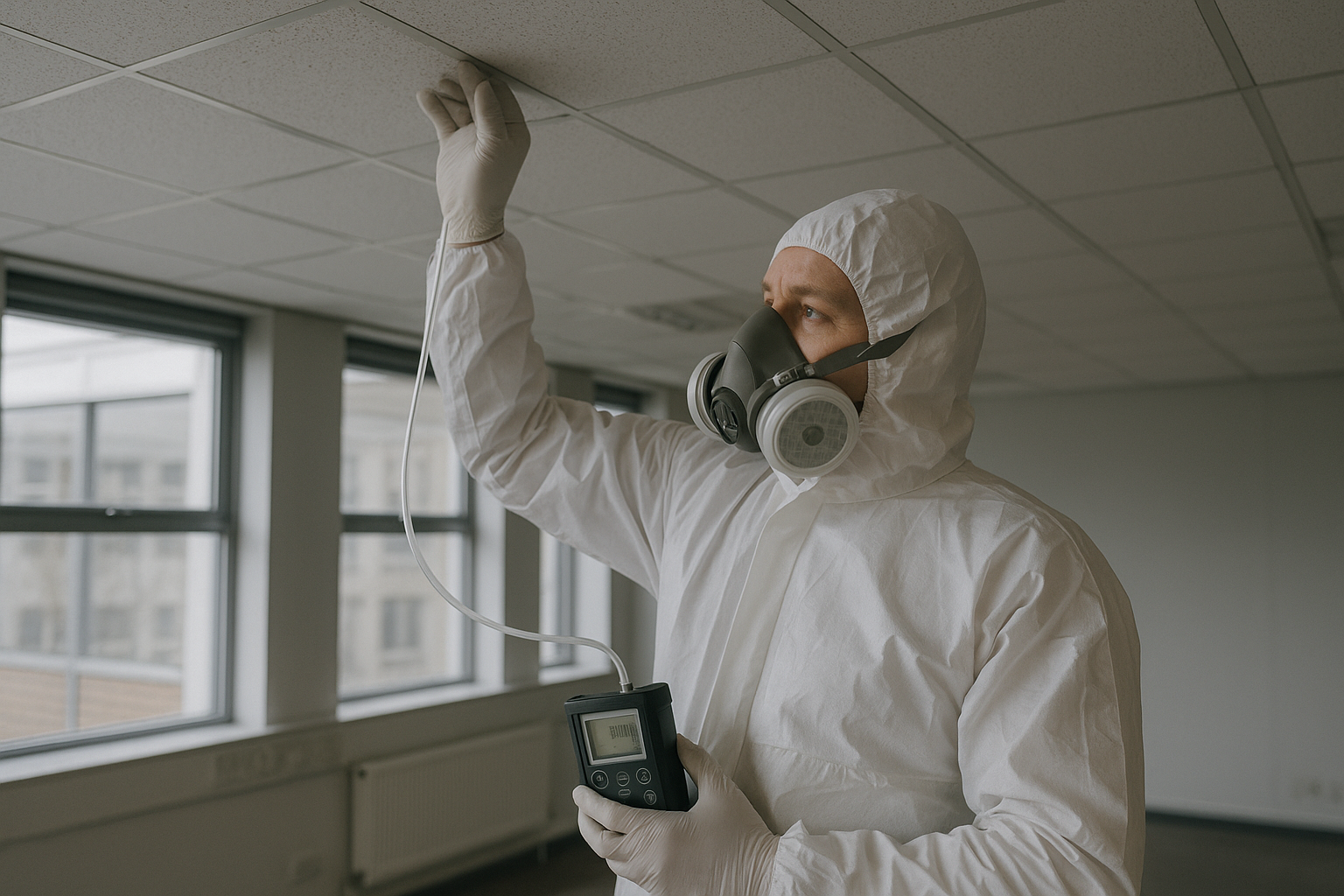
One small drill hole in the wrong ceiling, panel or pipe boxing can turn a routine job into a serious asbestos incident. If you are asking where is asbestos found, the short answer is: in far more places than most property owners, landlords and facilities teams expect, especially in UK buildings built or refurbished before asbestos was fully banned.
Asbestos was used in thousands of products for fire resistance, insulation, strength and durability. That means it may be present in homes, offices, schools, shops, warehouses and industrial premises, often hidden behind finishes or inside service areas until repair, maintenance or refurbishment work disturbs it.
The practical risk is not always the simple presence of asbestos-containing materials. The real problem starts when materials are cut, drilled, sanded, broken or removed without the right survey, controls and advice. That is why identifying likely locations early matters.
Where is asbestos found in UK buildings?
When people ask where is asbestos found, they often picture old boiler rooms or factory insulation. In reality, asbestos can turn up in everyday building materials both inside and outside a property.
It was commonly added to products that needed to resist heat, reduce fire spread, improve acoustic performance or strengthen cement and boards. Because of that, asbestos may be found in visible finishes, hidden voids, plant components and external materials.
Common places asbestos may be found include:
- Textured coatings on ceilings and walls
- Asbestos insulating board in partitions, soffits and service risers
- Pipe lagging and thermal insulation
- Ceiling tiles and acoustic panels
- Vinyl or thermoplastic floor tiles and bitumen adhesive
- Boiler insulation and plant room materials
- Garage roofs and outbuilding roofs made from asbestos cement
- Soffits, fascias, gutters and downpipes
- Wall cladding and exterior cement panels
- Flues, water tanks and chimney components
- Electrical backing boards and older service components
- Gaskets, rope seals and packing in plant and heating systems
Age is a useful warning sign, but it is not proof. Later refurbishments, reused materials and concealed construction can all affect where asbestos is found.
Why asbestos was used so widely
To understand where is asbestos found, it helps to understand why it became so common in the first place. It was seen as a practical, low-cost solution for several building and engineering problems at once.
Manufacturers used asbestos because it offered:
- Heat resistance
- Fire resistance
- Chemical resistance
- Electrical insulation
- Tensile strength
- Durability
That combination made it attractive across domestic, commercial and industrial construction. It was not limited to specialist applications. It became part of standard products used in walls, ceilings, floors, roofs, pipework and mechanical systems.
For property managers, the key point is simple: if a building is older and has not been fully stripped back and rebuilt, asbestos may still be present somewhere within the fabric or services.
Common indoor locations where asbestos is found
Indoor asbestos-containing materials are often the ones most likely to be disturbed during day-to-day maintenance. A leaking pipe, rewiring job, ceiling repair or office refit can all uncover hidden risks.
Textured coatings
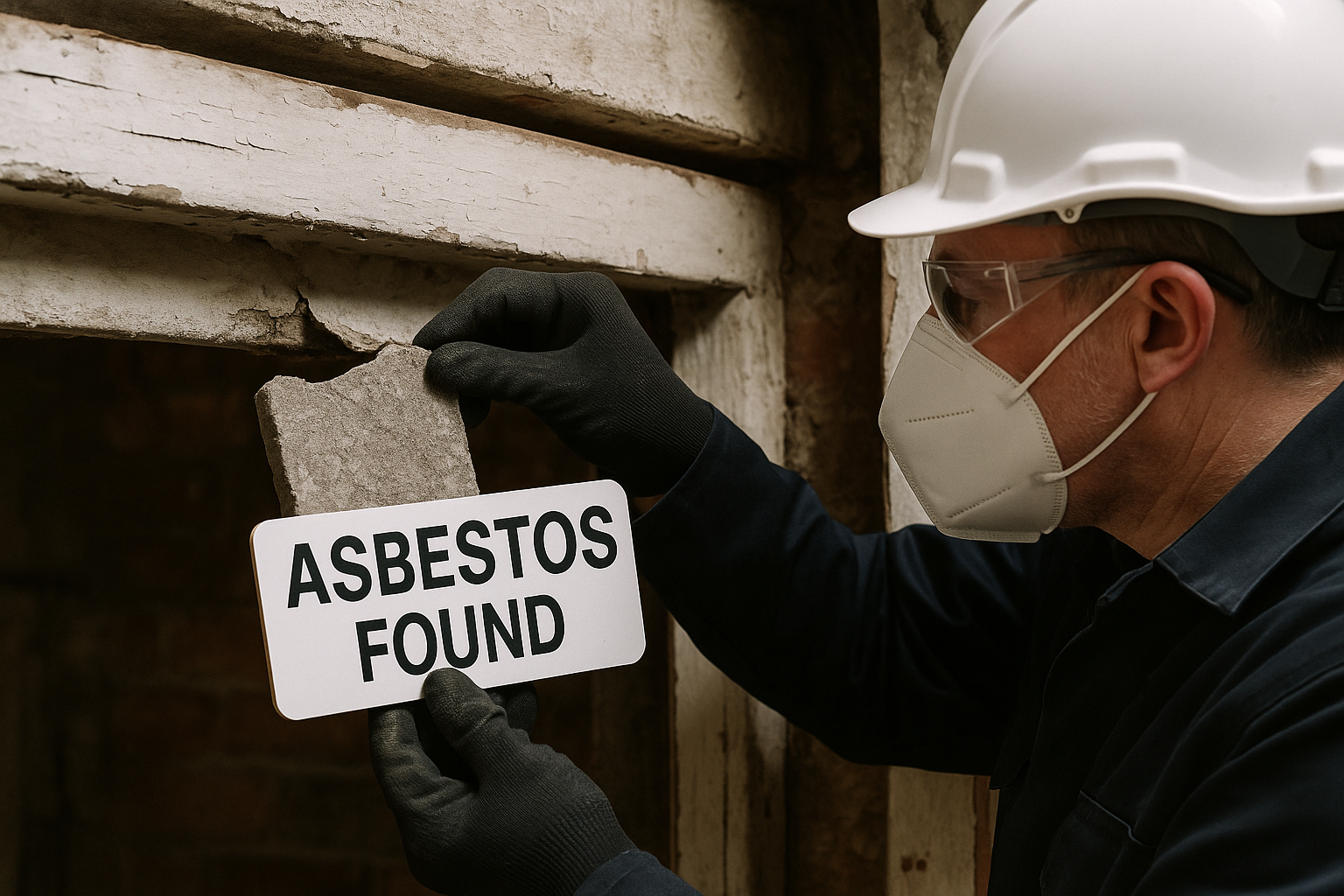
Decorative textured coatings on ceilings and sometimes walls are one of the most common domestic findings. They may look harmless and often remain in place for years, but sampling is the only reliable way to confirm whether asbestos is present.
If the surface is in good condition and will remain undisturbed, management may be enough. If you plan to install spotlights, replaster, rewire or remove ceilings, get it checked first.
Asbestos insulating board
Asbestos insulating board, often called AIB, is regularly found in partitions, ceiling tiles, soffits, lift shaft linings, service ducts, riser panels, boxing and fire protection panels. It can look similar to other board materials, which is why visual identification is unreliable.
AIB is more friable than asbestos cement. That means it can release fibres more easily when drilled, cut, broken or removed.
Pipe lagging and thermal insulation
Lagging on pipes, boilers and calorifiers is among the more hazardous materials likely to be found during a survey. It may sit beneath paint, cloth wrapping, plaster-like coatings or outer jackets, making it easy to miss.
If damaged insulation is discovered, stop work straight away and restrict access. Do not try to patch, tape or remove it yourself.
Floor tiles and adhesives
Vinyl and thermoplastic floor tiles are another common answer to the question where is asbestos found. In many cases, the tile contains asbestos and the black bitumen adhesive beneath it may contain asbestos as well.
This often causes problems during kitchen refurbishments, office fit-outs and retail upgrades. Lifting tiles without checking first can contaminate the area and delay the works.
Ceiling tiles and panels
Older ceiling systems may contain asbestos in tiles, backing materials or fire protection panels above suspended ceilings. Acoustic panels and service void linings can also contain asbestos-containing materials.
Before altering lighting, ventilation or cabling in ceiling voids, make sure the relevant materials have been assessed.
Electrical and service materials
Asbestos was also used in electrical backing boards, flash guards, fuse board components and service insulation. Plant rooms and risers may contain asbestos in gaskets, rope seals, packing and older mechanical equipment.
These items are easy to overlook because they are not always obvious building materials. Maintenance engineers can disturb them even when walls and ceilings seem clear.
Common outdoor locations where asbestos is found
External materials are often assumed to be lower risk because they are outside. That can be a costly mistake. Weathering, impact damage and poor removal methods can all create fibre release.
Garage and shed roofs
Corrugated asbestos cement sheets are one of the best-known examples of where asbestos is found outdoors. They are common on garages, sheds, workshops and agricultural outbuildings.
These sheets are generally more tightly bonded than lagging or AIB, but they are not safe to break, pressure wash, saw or drill without proper controls.
Soffits, fascias and rainwater goods
Asbestos cement was widely used in soffits, fascias, gutters, downpipes and hoppers. These materials can remain in place for years, but condition matters.
If they are cracked, delaminating or due to be replaced, arrange inspection before contractors start removing them.
Wall cladding and exterior panels
External wall cladding, undercloaks, cement panels and infill boards may all contain asbestos. These are often found on industrial units, garages, schools and older commercial buildings.
Because they can look similar to non-asbestos fibre cement products, assumptions are risky. Sampling is often needed.
Flues, tanks and roofing components
Asbestos cement was also used in flues, chimney components, cold water tanks and some roofing products. Outbuildings and service areas are particularly worth checking.
If demolition or major alterations are planned, these materials need to be identified before work begins.
Types of asbestos found in buildings
Asbestos is a commercial term for six naturally occurring fibrous minerals. In UK buildings, the three types encountered most often are chrysotile, amosite and crocidolite.
- Chrysotile – often called white asbestos, commonly found in cement products, floor tiles, textured coatings and gaskets
- Amosite – often called brown asbestos, often found in asbestos insulating board and some insulation materials
- Crocidolite – often called blue asbestos, associated with some lagging, sprayed coatings, cement products and high-temperature applications
Surveyors may also identify anthophyllite, tremolite and actinolite, although these are less common in standard building surveys. The fibre type affects risk assessment, but the practical rule remains the same: never assume a material is safe because it looks solid, painted or old.
Friable and bonded asbestos: why the difference matters
Not all asbestos-containing materials behave in the same way. One of the most useful practical distinctions is between friable materials and bonded materials.
Friable asbestos
Friable materials can be crumbled by hand pressure and are more likely to release fibres if disturbed. These tend to present a higher risk.
Examples include:
- Pipe lagging
- Loose-fill insulation
- Sprayed coatings
- Damaged thermal insulation
- Some deteriorated insulating boards
Bonded asbestos
Bonded materials have fibres locked into a matrix such as cement, vinyl or resin. They are usually lower risk when in good condition and left alone, but they can still release fibres when damaged or worked on.
Examples include:
- Asbestos cement roof sheets
- Vinyl floor tiles
- Rainwater goods
- Some textured coatings
This distinction affects how materials are assessed, managed and, where needed, removed. It does not mean bonded products are safe to drill, sand, snap or strip out without checking.
Why asbestos is dangerous
Asbestos is dangerous because the fibres are microscopic and can become airborne when materials are disturbed. You cannot reliably detect those fibres by sight or smell.
Once inhaled, fibres can lodge deep in the lungs and remain there for many years. Diseases linked to exposure are serious and often develop long after the original work took place.
Health risks associated with asbestos exposure include:
- Mesothelioma
- Asbestos-related lung cancer
- Asbestosis
- Pleural thickening
- Pleural plaques
The level of risk depends on several factors, including the type of asbestos, the condition of the material, how easily fibres can be released and the nature of the work being carried out.
Loose-fill insulation and damaged lagging can release fibres very easily. Bonded cement products in good condition are generally lower risk while undisturbed, but they can still become hazardous if broken, cut or mechanically cleaned.
What to do if you suspect asbestos
If you think you have found asbestos, the safest move is to stop and reassess. Rushing on to finish the task is how small jobs become expensive incidents.
- Stop work immediately.
- Keep people away from the area.
- Do not drill, scrape, sand, sweep or vacuum the material.
- Do not take your own sample unless you are properly trained and equipped.
- Arrange professional surveying or sampling.
- Follow the survey recommendations before work restarts.
For non-domestic premises, the duty to manage asbestos sits under the Control of Asbestos Regulations. That means identifying asbestos-containing materials, assessing their condition, keeping records, reviewing risks and controlling work that could disturb them.
Surveying should align with HSG264 and wider HSE guidance. For dutyholders, this is not paperwork for its own sake. It is part of legal compliance and practical risk control.
How surveys answer the question: where is asbestos found?
You cannot answer where is asbestos found by guesswork, age alone or a contractor’s quick opinion. A proper survey gives you evidence.
Management surveys
A management survey is used to locate, as far as reasonably practicable, the presence and extent of asbestos-containing materials that could be damaged or disturbed during normal occupation, including foreseeable maintenance.
This is usually the right starting point for occupied buildings. It helps dutyholders maintain an asbestos register, assess condition and plan control measures.
Refurbishment and demolition surveys
If intrusive work is planned, a demolition survey or refurbishment survey is typically required for the affected areas. This type of survey is more intrusive because it is designed to find asbestos in hidden voids and within the structure before major works begin.
Skipping this stage is a common cause of project delays. Walls get opened, suspect materials appear, and the programme stops while emergency sampling is arranged.
Common mistakes property owners and managers make
Most asbestos problems are made worse by assumptions rather than unusual materials. The same mistakes appear again and again.
- Assuming a material is safe because it looks solid
- Relying on building age alone
- Starting minor works before checking survey information
- Letting contractors disturb suspect materials without a plan
- Confusing asbestos cement with non-asbestos fibre cement
- Ignoring garages, outbuildings and roofline products
- Failing to review old survey information after refurbishment
- Thinking domestic-looking materials cannot contain asbestos
A practical way to avoid these issues is to build asbestos checks into every maintenance and project planning process. Before drilling, stripping out, rewiring or replacing finishes, ask whether the area has been properly surveyed for the intended works.
Practical advice for homeowners, landlords and dutyholders
If you manage property, a cautious and organised approach saves time, money and disruption. You do not need to treat every old material as confirmed asbestos, but you do need a clear process.
Use this checklist:
- Review the age and refurbishment history of the building
- Check whether there is an existing asbestos survey and register
- Make sure the survey type matches the planned work
- Brief contractors before they start
- Stop work if hidden materials are uncovered
- Reinspect known asbestos-containing materials at suitable intervals
- Keep records accessible for maintenance teams and contractors
If you manage multiple sites, consistency matters. A standard pre-work asbestos check can prevent avoidable surprises across your portfolio.
Local asbestos survey support
If you need local help identifying suspicious materials before maintenance or refurbishment, Supernova provides survey support across the country. That includes services such as an asbestos survey London, an asbestos survey Manchester and an asbestos survey Birmingham.
Whether the concern is a garage roof, ceiling coating, plant room panel or hidden service void, the right survey provides clarity before work starts.
Frequently Asked Questions
Where is asbestos found most often in a house?
In houses, asbestos is often found in textured coatings, floor tiles, bitumen adhesive, garage roofs, soffits, pipe boxing, flues and some insulation products. It can also be present in older panels, ceiling materials and external cement products.
Can you tell if a material contains asbestos just by looking at it?
No. Some asbestos-containing materials look almost identical to non-asbestos products. Visual inspection can identify suspect materials, but sampling and analysis are usually needed for confirmation.
Is asbestos dangerous if it is left alone?
Asbestos-containing materials in good condition and left undisturbed usually present a lower risk than damaged or disturbed materials. The danger increases when fibres are released through drilling, cutting, sanding, breakage or deterioration.
Do I need a survey before refurbishment work?
If refurbishment work could disturb the building fabric, you usually need the appropriate intrusive asbestos survey for the affected areas before work starts. A standard management survey is not enough for all refurbishment works.
What should I do if I accidentally disturb suspected asbestos?
Stop work immediately, keep others out of the area, avoid further disturbance and arrange professional advice. Do not sweep, vacuum or try to clean it up without the correct procedures and equipment.
If you need clear answers about where is asbestos found in your property, speak to Supernova Asbestos Surveys. We carry out professional asbestos surveys nationwide for homes, commercial premises and industrial sites. Call 020 4586 0680 or visit asbestos-surveys.org.uk to arrange the right survey before work begins.