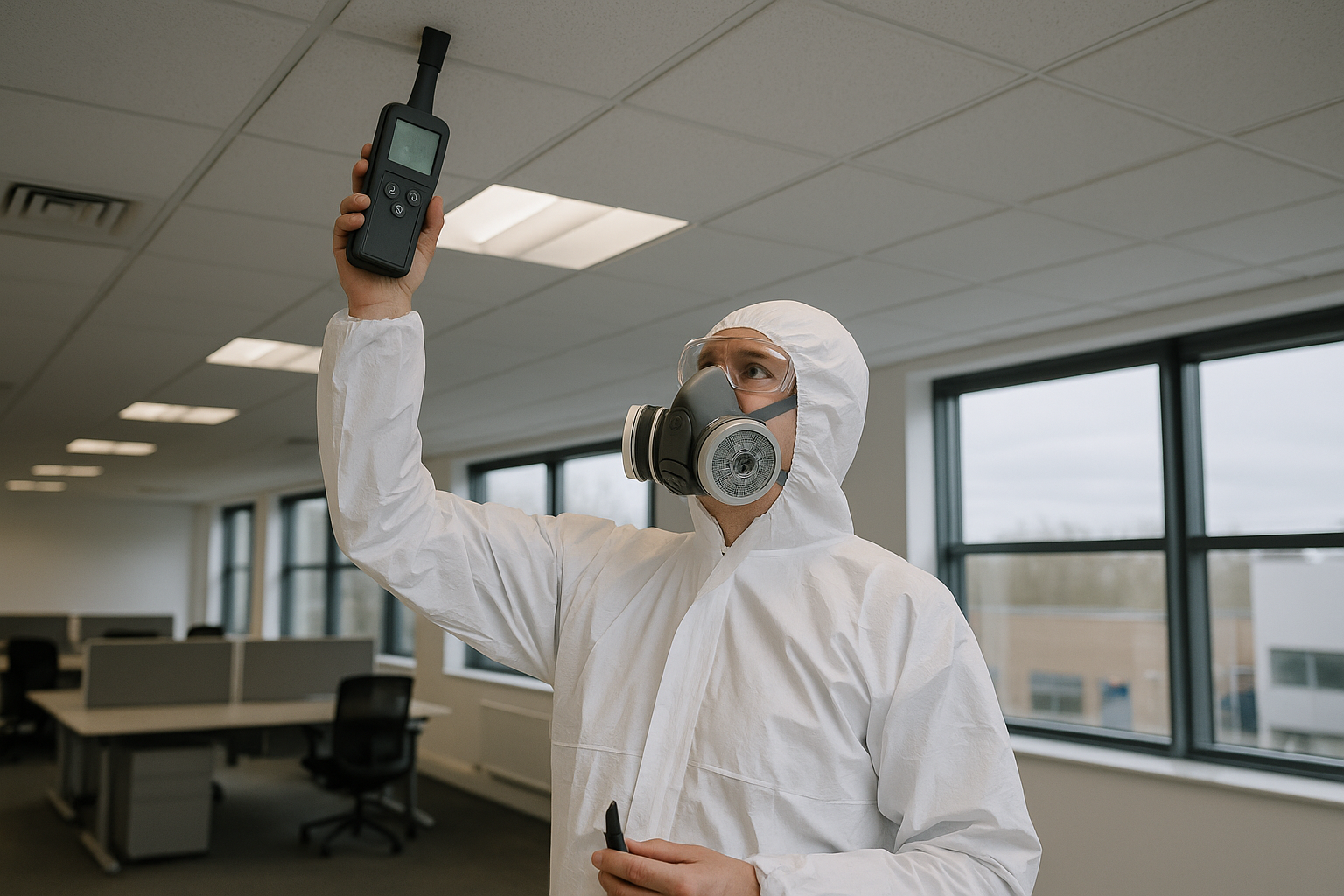
Is asbestos still used in the UK? For new building products and construction work, no. But if you manage, buy, refurbish or maintain older property, asbestos is still very much part of the day-to-day reality. The ban stopped new use. It did not remove the asbestos already built into millions of homes, offices, schools, warehouses and public buildings.
That distinction matters. People often ask whether asbestos is still used when the more urgent question is whether it is still present. Across the UK, surveyors continue to find asbestos-containing materials in buildings of many types, especially where the property was built or refurbished before the final ban. If you are responsible for an older building, the safest starting point is simple: presume asbestos may be present until a suitable survey proves otherwise.
Is asbestos still used in the UK today?
If you mean legal new use, asbestos is not still used in the UK. Commercial asbestos types are prohibited from importation, supply and new use, and anyone responsible for premises must follow the Control of Asbestos Regulations and relevant HSE guidance.
If you mean whether asbestos is still found in UK buildings, the answer is yes, regularly. Surveyors still identify asbestos cement sheets, insulating board, pipe lagging, textured coatings, floor tiles, soffits, gutters, sprayed coatings and other asbestos-containing materials during routine inspections and pre-work surveys.
That is why the phrase is asbestos still used can be misleading. In legal terms, new use is banned. In practical property terms, asbestos remains a live risk because so much of it was installed historically and remains in place.
Why asbestos became so common
Asbestos was used widely because it solved real construction and engineering problems. It resisted heat, offered insulation, added strength to products and was relatively cheap to manufacture into a wide range of materials.
For decades, those qualities made it attractive across construction, shipbuilding, transport, heavy industry and domestic manufacturing. It ended up in everything from garage roofs to boiler rooms.
What asbestos actually is
Asbestos is not a single product. It is a commercial term for several naturally occurring fibrous silicate minerals that were mined and processed for industrial use.
These minerals are usually grouped into two families:
- Serpentine – mainly chrysotile, often called white asbestos
- Amphibole – including crocidolite, amosite, anthophyllite, tremolite and actinolite
Chrysotile was widely used in cement products, floor materials, gaskets and other building items. Amphibole asbestos types were often used in insulation, insulating board and sprayed coatings. From a risk point of view, all asbestos types must be treated seriously.
You cannot confirm asbestos safely by eye alone. Colour, texture and age can give clues, but they are not enough to rely on. Where confirmation is needed, sampling and laboratory analysis should be carried out by competent professionals.
Why manufacturers used it
Asbestos spread quickly because it offered a combination of benefits that manufacturers wanted:
- Resistance to heat and flame
- Thermal insulation
- Durability and strength
- Compatibility with cement, bitumen, resins and textiles
- Useful acoustic performance in some products
- Lower cost than some alternatives available at the time
Those advantages explain why asbestos became so deeply embedded in the built environment. It was not limited to specialist industrial sites. It was installed in ordinary houses, flats, shops, schools, hospitals and council buildings across the UK.
Where asbestos is still found in buildings
When people ask is asbestos still used, they are often really asking whether asbestos is still commonly found in homes and commercial property. The answer is yes, especially in older premises.
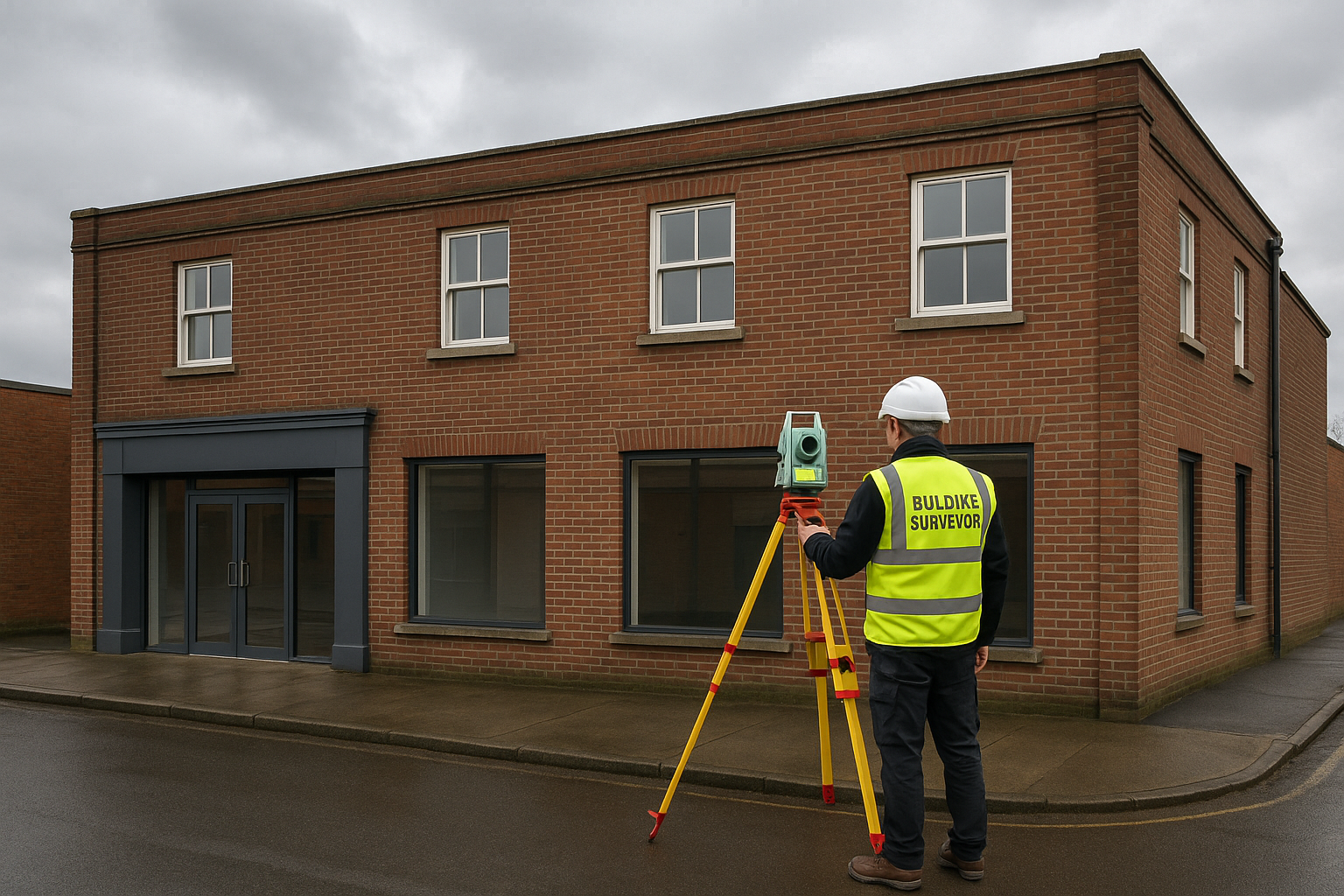
Common asbestos-containing materials still found today include:
- Asbestos cement roofing sheets and wall panels
- Corrugated garage and outbuilding roofs
- Insulating board used in partitions, risers and fire protection
- Pipe lagging and boiler insulation
- Textured coatings
- Vinyl floor tiles and bitumen adhesives
- Soffits, gutters and downpipes
- Sprayed coatings on structural steel or ceilings
- Ceiling tiles and service duct linings
- Fire doors, fire breaks and rope seals
- Plant room insulation and gaskets
The level of risk depends on the material, its condition and how likely it is to be disturbed. A sealed asbestos cement sheet in good condition is not the same as damaged lagging or deteriorating sprayed coating.
Homes
Domestic properties can contain asbestos in garages, artex-style textured coatings, floor tiles, bath panels, soffits, flue pipes, water tanks and partition walls. It is especially common in homes built or refurbished before the final ban.
Homeowners often run into problems during renovation. Drilling, sanding, stripping or removing materials without checking first can release fibres and create a serious exposure risk.
Commercial and public buildings
Offices, schools, hospitals, retail units, warehouses and industrial premises often contain a wider range of asbestos materials. Plant rooms, service risers, ceiling voids and fire protection systems are common locations.
If you manage non-domestic premises, your legal duties are broader. You may need an up-to-date asbestos register, a management plan and a clear process for sharing asbestos information with contractors before any work starts.
Why historic asbestos still matters
Asbestos is dangerous when fibres become airborne and are inhaled. The issue is exposure, not simply age. Materials that remain sealed, undamaged and properly managed may present a lower immediate risk, but once disturbed they can become hazardous very quickly.
This is why maintenance, refurbishment and demolition work cause so many asbestos incidents. The danger often starts when someone assumes a material is harmless and begins drilling, cutting, breaking or removing it without checking.
Higher-risk and lower-risk materials
Some asbestos-containing materials are more friable than others. Friable materials release fibres more easily when disturbed.
Higher-risk materials often include:
- Pipe lagging
- Sprayed coatings
- Asbestos insulating board
Lower-risk materials can include:
- Asbestos cement sheets
- Roof panels
- Gutters and downpipes
- Certain floor tiles
Lower-risk does not mean safe to disturb. Even asbestos cement can become hazardous if it is broken, cut or badly weathered.
Practical steps before any work starts
If you are planning maintenance or refurbishment, take these steps first:
- Check whether the building age or refurbishment history suggests asbestos may be present.
- Review any existing asbestos register or survey records.
- Arrange the correct survey for the work being planned.
- Make sure contractors receive asbestos information before attending site.
- Stop work immediately if suspect materials are found unexpectedly.
That process prevents expensive delays and helps protect workers, occupants and anyone else using the building.
UK law and guidance you need to follow
Anyone asking is asbestos still used should also understand what the law requires now. In the UK, asbestos is tightly regulated. The key legal framework is the Control of Asbestos Regulations, supported by HSE guidance.
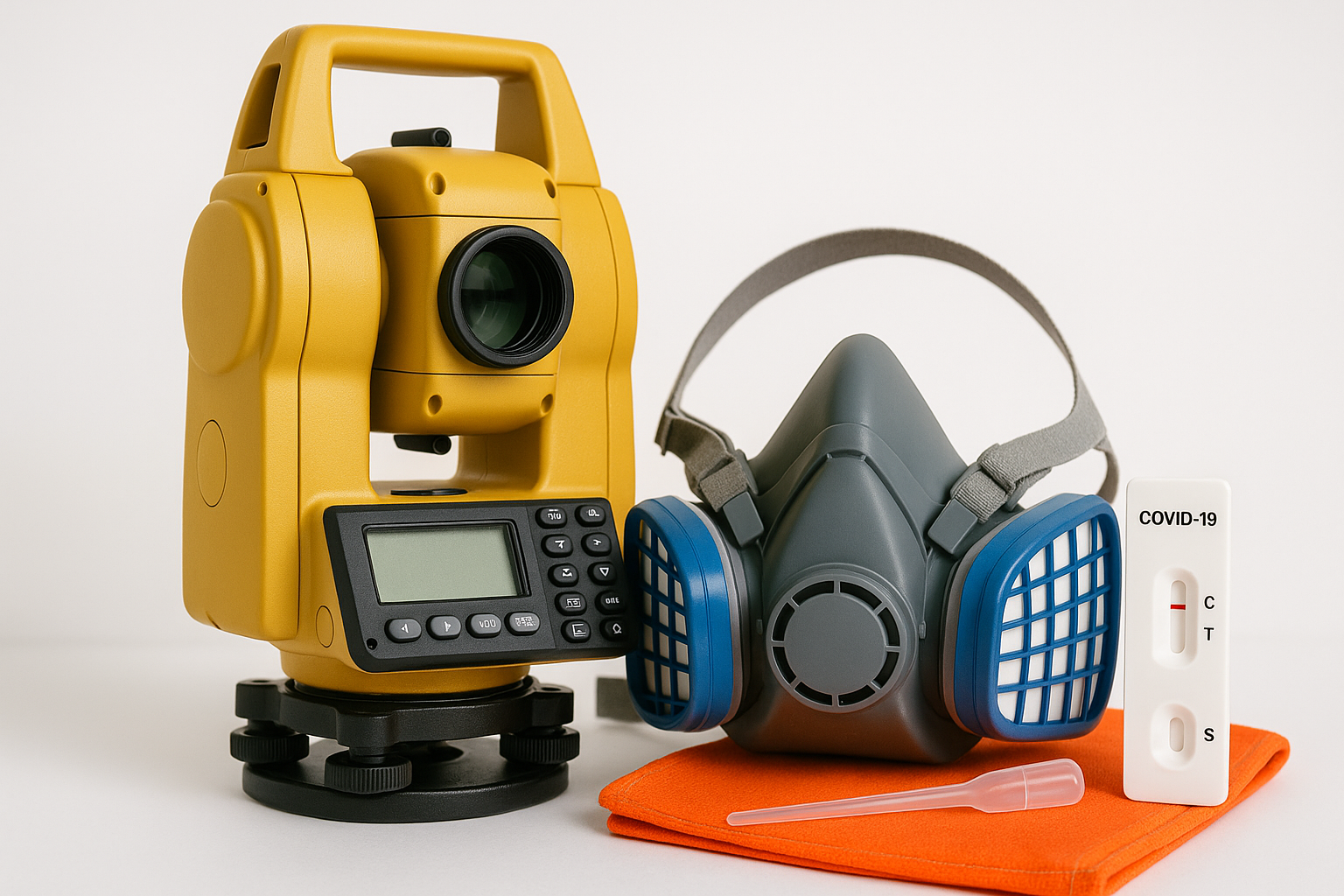
These requirements cover duties to manage asbestos in non-domestic premises, prevent exposure, provide training, use licensed contractors where required and ensure work is carried out safely.
The duty to manage
For non-domestic premises, the dutyholder must take reasonable steps to find out whether asbestos is present, what condition it is in and how the risk will be managed. That usually means having suitable survey information, keeping records up to date and making sure anyone liable to disturb asbestos knows where it is.
If asbestos is present and in good condition, it may be safer to manage it in place rather than remove it immediately. But that decision must be based on competent assessment, not guesswork.
HSG264 and asbestos surveys
HSG264 sets out the purpose and standard of asbestos surveys. It explains the difference between survey types and helps property managers choose the right one for the task.
Two survey types are commonly relevant:
- Management survey – used to locate, as far as reasonably practicable, the presence and extent of asbestos-containing materials that could be damaged or disturbed during normal occupation, including foreseeable maintenance.
- Refurbishment and demolition survey – required before more intrusive work, where materials will be disturbed during refurbishment or demolition.
If you need routine compliance information for an occupied building, a management survey is often the correct starting point. If walls, ceilings, floors or services are going to be opened up, a more intrusive survey is usually needed before work begins.
Is asbestos still used around the world?
Yes, in some countries asbestos has continued to be mined, imported or used, even though many nations have banned it. The global picture is uneven, and that can confuse people searching online for a clear answer.
For UK property owners and managers, the key point is straightforward: follow UK law, UK surveying standards and HSE guidance. Do not assume another country’s rules match the British position.
This global variation also explains why the question is asbestos still used keeps appearing in search results. Internationally, the answer depends on the country, the product and the regulatory framework. In the UK, the position on new use is clear, but the legacy of past installation remains extensive.
What to do if you suspect asbestos
If you come across a suspicious board, ceiling tile, pipe insulation or cement sheet, do not disturb it. Do not drill into it, break off a sample yourself or allow contractors to carry on regardless.
Instead, take a controlled approach:
- Stop work in the immediate area.
- Keep people away from the material.
- Avoid sweeping, vacuuming or cleaning debris unless the correct controls are in place.
- Check whether there is an existing survey or asbestos register.
- Arrange professional inspection and, where needed, sampling.
These steps are especially important during renovation projects, office fit-outs and reactive maintenance visits. Many asbestos exposures happen because someone is under pressure to get a job done quickly.
When to arrange a survey
You should consider an asbestos survey when:
- You manage a non-domestic building without reliable asbestos records
- You are buying or leasing an older commercial property
- You are planning refurbishment works
- You are demolishing part or all of a structure
- Contractors need to access hidden building fabric or services
If your property is in the capital, booking an asbestos survey London service can help you get clear, site-specific advice before work starts. The same applies regionally, whether you need an asbestos survey Manchester appointment or an asbestos survey Birmingham inspection for a commercial or residential building.
Common misunderstandings about asbestos
There are a few myths that cause repeated problems on site. Clearing them up early can prevent poor decisions.
“If it’s old, it must be dangerous right now”
Not necessarily. The immediate risk depends on the material type, condition and whether it is being disturbed. Some asbestos-containing materials can remain in place and be managed safely if they are in good condition and unlikely to be damaged.
“If it looks like asbestos, we can identify it ourselves”
No. Visual inspection can suggest that asbestos may be present, but it cannot confirm it reliably. Different materials can look similar, and assumptions on site often lead to mistakes.
“Domestic properties are exempt from concern”
No. While the legal duty to manage applies to non-domestic premises, asbestos can still be present in homes, communal areas and rented property. Renovation work in domestic settings regularly uncovers asbestos-containing materials.
“Only industrial buildings contain asbestos”
Wrong. Asbestos was used in houses, flats, schools, offices, shops and garages as well as factories and heavy industry sites. Its historic use was far broader than many people realise.
Practical advice for landlords, facilities teams and property managers
If you are responsible for a building portfolio, the safest approach is to treat asbestos management as part of normal compliance, not as a one-off issue. Problems usually arise when records are missing, surveys are outdated or contractors are sent in without the right information.
Good practice includes:
- Keeping asbestos survey reports accessible and up to date
- Reviewing the asbestos register regularly
- Reassessing materials if their condition changes
- Sharing asbestos information with maintenance teams and external contractors
- Commissioning the correct survey before refurbishment or demolition
- Using competent professionals for inspection, sampling and removal
For occupied buildings, communication matters. If asbestos is known to be present and managed in place, staff and contractors should understand where it is and what controls apply. That reduces accidental disturbance and helps planned works run more smoothly.
So, is asbestos still used or just still present?
In the UK, the honest answer is both simple and nuanced. Asbestos is not still used legally in new products or construction. But asbestos is still present in a huge number of existing buildings, and that is what creates the practical risk today.
For anyone responsible for property, the right question is not only is asbestos still used. It is whether asbestos could be present in the building you are about to maintain, refurbish, let, buy or demolish. If there is any doubt, get the right survey before work starts.
Frequently Asked Questions
Is asbestos still used in new UK buildings?
No. In the UK, asbestos is banned from new use, importation and supply. However, asbestos is still found in many older buildings because historic materials remain in place.
Can asbestos still be found in homes?
Yes. Older homes can contain asbestos in garage roofs, textured coatings, floor tiles, soffits, flues, bath panels and other building materials. The risk depends on the condition of the material and whether it is disturbed.
Do I need an asbestos survey before refurbishment?
If refurbishment work will disturb the building fabric, you usually need the appropriate asbestos survey before work begins. A standard management survey is not always enough for intrusive works.
Is asbestos always removed when it is found?
No. If asbestos-containing materials are in good condition and unlikely to be disturbed, they can sometimes be managed in place. Removal is often required when materials are damaged, deteriorating or likely to be affected by planned works.
Who should I contact if I think a building contains asbestos?
Speak to a competent asbestos surveying company before any work starts. Supernova Asbestos Surveys provides asbestos surveys nationwide, including management surveys and refurbishment support. Call 020 4586 0680 or visit asbestos-surveys.org.uk to arrange expert help.
If you need clear, compliant advice on whether asbestos may be present in your property, Supernova Asbestos Surveys can help. We carry out asbestos surveys across the UK for landlords, facilities managers, homeowners and commercial clients. Call 020 4586 0680 or visit asbestos-surveys.org.uk to book a survey or discuss the right service for your building.