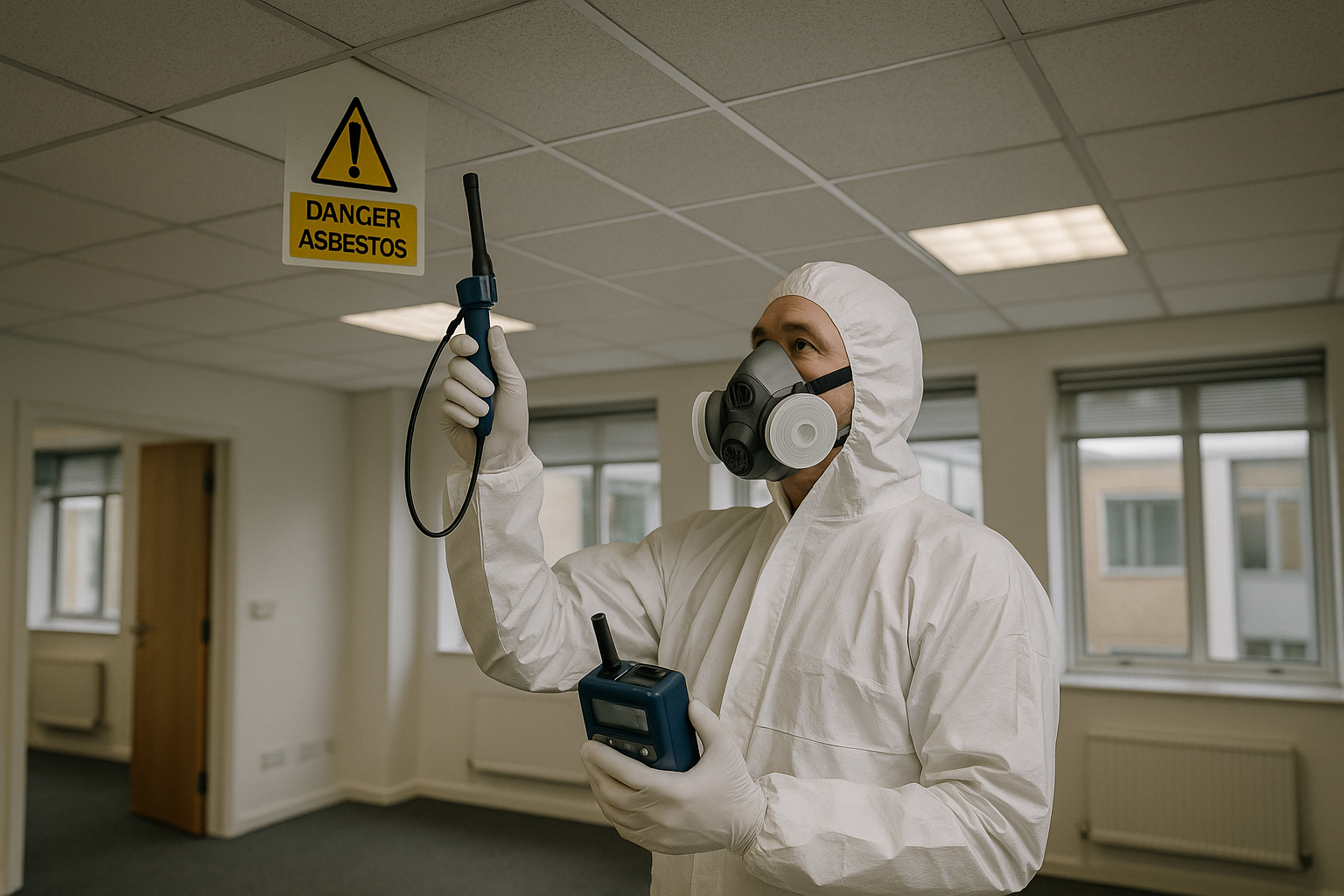
Asbestos Signs: What They Mean, Where to Use Them, and What to Look For
One missed clue can turn a routine repair into a stopped job, a frightened contractor and a serious compliance headache. Asbestos signs matter because they help you recognise risk before anyone drills, sands, strips out or breaks into a hidden void. For UK property owners, landlords and facilities managers, the phrase has two distinct meanings — and understanding both is what keeps people safe and work on track.
It can mean the warning labels and boards used on confirmed or presumed asbestos-containing materials. It can also mean the visual clues that suggest asbestos may be present in an older building. Knowing the difference is what separates a well-managed property from a liability waiting to happen.
You cannot confirm asbestos by sight alone. What you can do is spot materials, locations and conditions that deserve caution, then arrange the right survey or sampling before work starts.
What Asbestos Signs Actually Mean
When people search for asbestos signs, they are usually looking for one of two things. They either want to know what warning stickers and boards should say, or they want to know how to identify materials that may contain asbestos. Both are valid — they just serve different purposes.
Physical Asbestos Signs in a Building
These are the visual and contextual clues that suggest a material could contain asbestos. They are usually linked to the age of the property, the type of product, where it is installed and whether it has been damaged. Appearance helps, but it is never enough on its own. Two materials can look near-identical while only one contains asbestos.
Regulatory Asbestos Signs and Labels
These are the stickers, labels and rigid boards used to warn staff, contractors and visitors not to disturb known or presumed asbestos-containing materials. They support asbestos management, but they do not replace surveying, registers or proper contractor communication. If you need certainty, arrange professional asbestos testing so decisions are based on evidence rather than assumptions.
Why Asbestos Signs Matter Under UK Law
The Control of Asbestos Regulations place a duty to manage asbestos in non-domestic premises. In practice, that means identifying whether asbestos is present, assessing the risk, keeping records up to date and ensuring anyone who might disturb the material has the information they need.
HSE guidance and HSG264 set out the practical standard expected from dutyholders and those managing premises. If asbestos-containing materials are known or presumed to be present, the risk must be communicated clearly. In some situations that includes asbestos signs. In others it may involve an asbestos register, contractor briefings, permit controls or restricted access.
Signage is part of management — not a substitute for it. Your duties as a dutyholder include:
- Keeping an accurate asbestos register
- Sharing asbestos information before maintenance begins
- Using warning signage where it helps prevent accidental disturbance
- Monitoring the condition of known or presumed materials
- Arranging the correct survey before intrusive work, refurbishment or demolition
For most occupied premises, the starting point is a management survey. If the building is going to be stripped out or demolished, a demolition survey is required before work starts.
Physical Asbestos Signs: What to Look For in Older Properties
The biggest mistake is expecting asbestos to have one obvious appearance. It does not. It was used in a wide range of products across homes, offices, schools, retail units, warehouses and industrial buildings. That is why the most useful asbestos signs are often about context rather than looks alone.
Age of the Property
If a property was built or refurbished before 2000, asbestos should remain part of your risk assessment. That does not mean it definitely contains asbestos, but it does mean you should avoid assumptions. Even a building with newer finishes may still contain older hidden materials behind walls, above ceilings or inside service areas.
Textured Coatings
Older textured wall and ceiling coatings are one of the most common causes of concern in domestic and mixed-use properties. Swirled, stippled or patterned finishes in older buildings are often treated as possible asbestos signs until sampled. If you are planning to scrape, drill, sand or remove textured coatings, get them checked first. Disturbance is where risk begins.
Pipe Lagging and Thermal Insulation
Insulation around older pipes, boilers, calorifiers and heating systems deserves immediate caution. If it looks fibrous, damaged, patched, wrapped or boxed in, treat it as a potential asbestos issue until a competent person assesses it. These materials can be more friable than asbestos cement, meaning they can release fibres more easily if disturbed.
Asbestos Insulation Board
Asbestos insulation board is commonly missed because it can look like an ordinary building board. It has historically been used in partitions, service risers, soffits, ceiling tiles, fire protection, cupboard linings and panels around plant. Possible asbestos signs include:
- Flat sheet boards in older service areas
- Panels around boilers or fuse cupboards
- Firebreaks in ceiling voids
- Soffit boards or partition panels with broken edges
- Board linings in airing cupboards, meter cupboards or risers
- Drilled holes, cracks or impact damage in older board products
Corrugated Roofing Sheets
Garages, outbuildings, workshops, farm structures and industrial units often contain corrugated asbestos cement roofing. This is one of the more recognisable asbestos signs outdoors. These sheets are generally lower risk when in good condition, but weathering, impact damage and poor maintenance can change that. Never pressure-wash them, cut them or break them up without a proper assessment in place.
Floor Tiles and Bitumen Adhesive
Older vinyl floor tiles — especially small square tiles — can contain asbestos. The black bitumen adhesive beneath them may also contain asbestos. They are often hidden under carpet, laminate or newer flooring. Problems usually start when someone lifts them without checking first.
Ceiling Tiles, Panels and Hidden Voids
Suspended ceilings, loft spaces, risers, ducts and boxed-in service runs are common places for concealed asbestos-containing materials. These areas may not be part of normal daily use, but they become high-risk during maintenance. If your team needs access above ceilings or behind panels, check the asbestos information every time before work starts.
Water Tanks, Flues and Cement Products
Asbestos cement was used in more than just roofing. It can also appear in flues, gutters, downpipes, wall cladding, vent pipes and cold water tanks. These products are usually hard and cement-like rather than soft or fluffy. They still need proper assessment before drilling, cutting or removal.
Damage and Deterioration
Condition matters as much as product type. Even lower-risk materials can become more concerning when damaged. Watch for these physical asbestos signs:
- Cracks, chips or broken edges
- Water staining or water damage
- Surface abrasion or fraying
- Exposed fibres or dust beneath a damaged material
- Evidence of previous drilling, cutting or impact
- Poor repairs using tape, filler or paint to cover damage
If you spot any of these in an older building, stop the job and get advice before anyone disturbs the area. You can arrange asbestos testing quickly to get a clear answer on what you are dealing with.
Regulatory Asbestos Signs: Labels, Stickers and Warning Boards
Once asbestos has been identified or presumed and recorded, asbestos signs become a practical control measure. Their purpose is straightforward: warn people before they disturb a hazardous material or enter an area where asbestos is present. The format can vary, but the message should never be vague.
Common Wording on Asbestos Signs
Most warning labels use direct language such as:
- Danger — Asbestos
- Contains Asbestos
- Do Not Disturb
- Report Accidental Damage
- Material Containing Asbestos
Good signage is durable, easy to read and placed where someone sees it before starting work — not after they have already opened a panel.
Self-Adhesive Labels
Small vinyl labels are often used on access hatches, ducts, boards, plant items and enclosures. They are useful when a specific item needs to be identified clearly for maintenance staff or contractors. Choose labels that remain legible in the environment they will be used in — damp plant rooms, outdoor areas and dusty service spaces may need more robust materials.
Rigid Warning Boards
Rigid plastic or composite boards are usually better for entrances, fenced zones, plant rooms, service cupboards, riser doors and external areas. They provide a clear warning before someone enters the space. If the hazard is behind a door, the warning should be on the door. If the hazard is inside a restricted area, the warning should be visible before entry.
When to Use Stickers and When to Use Boards
A practical approach works best here:
- Use stickers for individual asbestos-containing materials, panels and access points
- Use rigid boards for room entrances, external areas and restricted zones
- Use both where people need a warning at the entrance and again at the material itself
Where Asbestos Signs Should Be Placed
Placement matters just as much as the wording. A label hidden behind stored items or fixed inside a room after the point of entry does very little to prevent accidental disturbance. Asbestos signs should be positioned where they actively reduce the chance of contact.
Best-Practice Locations
- On or near identified asbestos-containing materials where safe and appropriate
- On access panels covering known asbestos materials
- At entrances to plant rooms or service areas containing asbestos
- On riser doors, loft hatches and ceiling void access points
- Near roof access where asbestos cement sheets or panels are present
- On cupboards, ducts or enclosures containing asbestos insulation board or lagging
Practical Placement Tips
- Place signs at eye level where possible
- Make sure they are visible before work begins, not during it
- Use weather-resistant signs outdoors
- Replace faded, damaged or peeling labels promptly
- Label the access point if the asbestos is hidden behind a panel
- Use signage alongside permit-to-work controls where access is restricted
If the risk is inside a room, sign the door. If the material is hidden, label the hatch or panel. If access is controlled, combine signage with proper site procedures.
What Asbestos Signs Cannot Do
There is a common and risky assumption that putting up a few warning labels solves the problem. It does not. Signage is only one part of asbestos management. Asbestos signs cannot:
- Confirm whether a material contains asbestos
- Make damaged material safe
- Replace an asbestos survey
- Substitute for an asbestos register
- Remove the need to brief contractors properly
- Replace a refurbishment or demolition survey before intrusive work
If you are unsure what is present, the next step is inspection and sampling — not buying more labels.
How to Respond When You Spot Possible Asbestos Signs
Fast, calm action is the right response. Panic helps nobody, but carrying on regardless is far worse. Follow these steps:
- Stop work immediately. Do not drill, cut, sand, scrape or remove the material.
- Keep people away. Restrict access if needed, especially in shared buildings.
- Do not clean up dust or debris. Sweeping or vacuuming can spread fibres unless done under proper controls.
- Check your asbestos register. If the building already has one, see whether the material is recorded.
- Arrange professional assessment. A competent surveyor or sampler can confirm whether testing is needed.
- Inform staff and contractors. Anyone who may enter the area should know the status of the risk.
This approach protects people and keeps you aligned with HSE expectations.
Choosing the Right Approach for Your Property
Not every building needs the same signage setup or survey type. A school, office, warehouse, shop, block of flats and industrial unit all have different access patterns and different maintenance risks. Choose your approach based on the building, the material and who may come into contact with it.
Before ordering signs or arranging surveys, ask yourself:
- Has the building been surveyed? Is the register current?
- Do contractors receive asbestos information before they start work?
- Are access controls in place for high-risk areas?
- Are signs visible before entry, not just inside a room?
- Are labels in good condition and legible?
If any of those answers is uncertain, it is worth reviewing your management approach before the next maintenance visit or contractor call-out.
Supernova covers the full range of survey and testing needs across the UK. Whether you need a survey in the capital or further afield, our teams operate nationwide. If you are based in the capital, you can arrange an asbestos survey in London directly through our site. For the north-west, book an asbestos survey in Manchester, and for the Midlands, arrange an asbestos survey in Birmingham with the same straightforward process.
Get Expert Help From Supernova Asbestos Surveys
Supernova Asbestos Surveys has completed over 50,000 surveys across the UK. Whether you need to understand what asbestos signs mean for your building, arrange sampling on a suspected material, or commission a full survey before planned works, our team provides clear, practical guidance backed by accredited expertise.
Call us on 020 4586 0680 or visit asbestos-surveys.org.uk to book a survey or speak to a member of the team. Do not wait until work has already started — the right time to act is before anyone picks up a tool.
Frequently Asked Questions
What are the most common physical asbestos signs in older properties?
The most common physical asbestos signs include textured ceiling and wall coatings, corrugated roofing sheets on outbuildings, pipe lagging around older heating systems, flat board panels in service areas and airing cupboards, older vinyl floor tiles, and suspended ceiling tiles. Age is also a strong indicator — any building built or refurbished before 2000 should be treated with caution until properly assessed.
Do I legally need to display asbestos warning signs?
The Control of Asbestos Regulations require dutyholders to manage asbestos in non-domestic premises, which includes communicating risk to anyone who may disturb it. Warning signage is one recognised way to do this, particularly for access hatches, plant rooms and individual materials. However, signage must work alongside an asbestos register and proper contractor briefings — it is not a standalone legal requirement in isolation, but failing to warn workers of a known risk would be a serious breach of your duty.
Can I identify asbestos just by looking at it?
No. You cannot confirm asbestos by visual inspection alone. Two materials can appear identical while only one contains asbestos fibres. The only way to confirm whether a material contains asbestos is through laboratory analysis of a sample taken by a competent person. If you suspect a material, stop work and arrange professional assessment rather than making assumptions based on appearance.
What should I do if I find a material that shows asbestos signs during building work?
Stop work immediately and keep people away from the area. Do not attempt to clean up any dust or debris, as this can spread fibres. Check whether the building has an asbestos register and whether the material is recorded. If there is no register or the material is not listed, arrange a professional assessment before work resumes. Inform anyone else who may need to access the area of the potential risk.
What is the difference between a management survey and a demolition survey?
A management survey is used for occupied premises to locate and assess asbestos-containing materials that could be disturbed during normal use or routine maintenance. A demolition survey is required before any refurbishment or demolition work that will disturb the building fabric. It is more intrusive and aims to locate all asbestos-containing materials that may be affected by the planned works. Using the wrong survey type for the work being carried out puts workers at risk and may breach HSE requirements.