
Asbestos in a home can be easy to ignore until a ceiling is drilled, an old cupboard is removed, or a leak starts breaking down hidden materials. The real issue is not simply whether asbestos is present, but whether it is damaged, disturbed or likely to release fibres into the air.
That is why homeowners, landlords and property managers need a clear plan. If you know where asbestos may be, understand its condition and get the right advice before work starts, you can reduce exposure, protect occupants and avoid expensive disruption.
Why asbestos still matters in UK homes
Asbestos was used widely in residential construction because it resisted heat, added strength and improved insulation. Many UK homes, flats and communal residential buildings built or refurbished before the ban may still contain asbestos somewhere in the structure.
Sometimes asbestos is obvious, such as cement sheets on a garage roof. More often, asbestos is hidden behind finishes, inside ducts, around pipework or behind old electrical equipment.
You are more likely to find asbestos in:
- Pipe insulation and boiler lagging
- Asbestos insulating board in cupboards, partitions and soffits
- Textured coatings on ceilings and walls
- Vinyl floor tiles and bitumen adhesives
- Cement roof sheets, gutters and downpipes
- Bath panels, boxing and service ducts
- Panels behind fuse boxes, heaters and fire doors
- Garage, shed and outbuilding roofs
Not every older building product contains asbestos. You also cannot confirm asbestos just by looking at it. If there is any doubt, treat the material as suspect until a competent professional has assessed it.
Are there health risks associated with living in a home with asbestos?
Yes, there can be health risks associated with living in a home with asbestos, but the level of risk depends on the type of material, where it is located, its condition and whether fibres are being released. Asbestos that is sealed, intact and left undisturbed is generally far less likely to present an immediate hazard than asbestos that has been drilled, broken, sanded or allowed to deteriorate.
This is the point many people miss. The presence of asbestos does not automatically mean urgent removal is needed, but it does mean you need to know what you are dealing with and manage it properly.
Asbestos becomes a more serious concern when:
- Materials are cracked, broken or crumbling
- DIY work disturbs hidden building products
- Contractors drill, cut or remove suspect materials
- Water damage causes deterioration
- Repeated knocks, vibration or wear break surfaces down over time
When asbestos fibres become airborne and are inhaled, they can lodge in the lungs. That is why any suspected disturbance of asbestos should be treated seriously, even if the visible damage appears minor.
How asbestos affects health
The main health risk from asbestos comes from breathing in airborne fibres. These fibres are microscopic, so you cannot rely on sight or smell to judge whether an area is safe.
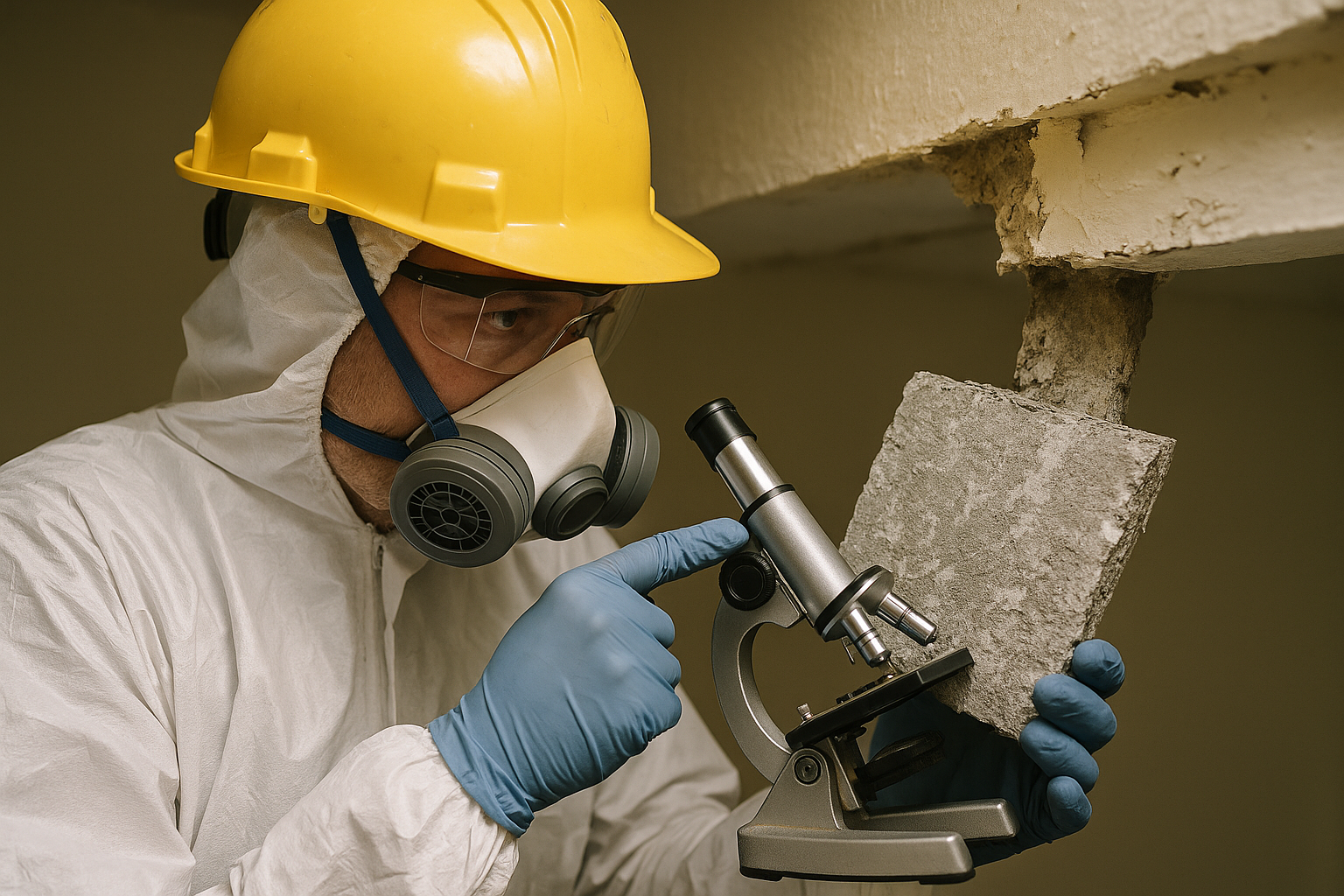
Diseases linked with asbestos exposure include:
- Asbestosis – scarring of lung tissue that can affect breathing
- Mesothelioma – a cancer affecting the lining of the lungs or abdomen
- Lung cancer – the risk can increase with asbestos exposure
- Pleural thickening – thickening of the lining around the lungs, which may restrict breathing
These conditions often develop many years after exposure. That delay is one reason asbestos management matters so much. People may feel completely well at the time of exposure, which can create a false sense of security.
Does a small amount of asbestos exposure always cause illness?
Not every brief exposure to asbestos leads to disease. Even so, asbestos is a recognised health hazard, and exposure should always be reduced as far as reasonably practicable.
The sensible response is not panic. It is to stop work, keep people away from the area and get professional advice quickly.
Where asbestos is commonly found in homes
Asbestos can appear in a wide range of domestic materials. Some asbestos-containing products are higher risk because they release fibres more readily when disturbed, while others are more stable unless broken or heavily worn.
Common places where asbestos may be found include:
- Loft insulation around tanks and pipework
- AIB panels in airing cupboards and partitions
- Ceiling coatings and textured wall finishes
- Floor tiles and the adhesive beneath them
- Cement sheets in garages, sheds and outbuildings
- Flue pipes, boiler casings and service ducts
- Roofing panels, soffits, gutters and downpipes
- Backing panels behind electrical equipment
Higher-risk asbestos-containing materials usually include lagging, sprayed coatings and asbestos insulating board. Lower-risk materials often include asbestos cement and some floor products, though they still need careful handling.
Can you identify asbestos by sight?
No. You cannot reliably identify asbestos by appearance alone. Many non-asbestos materials look similar, and some asbestos products are impossible to distinguish without sampling and analysis.
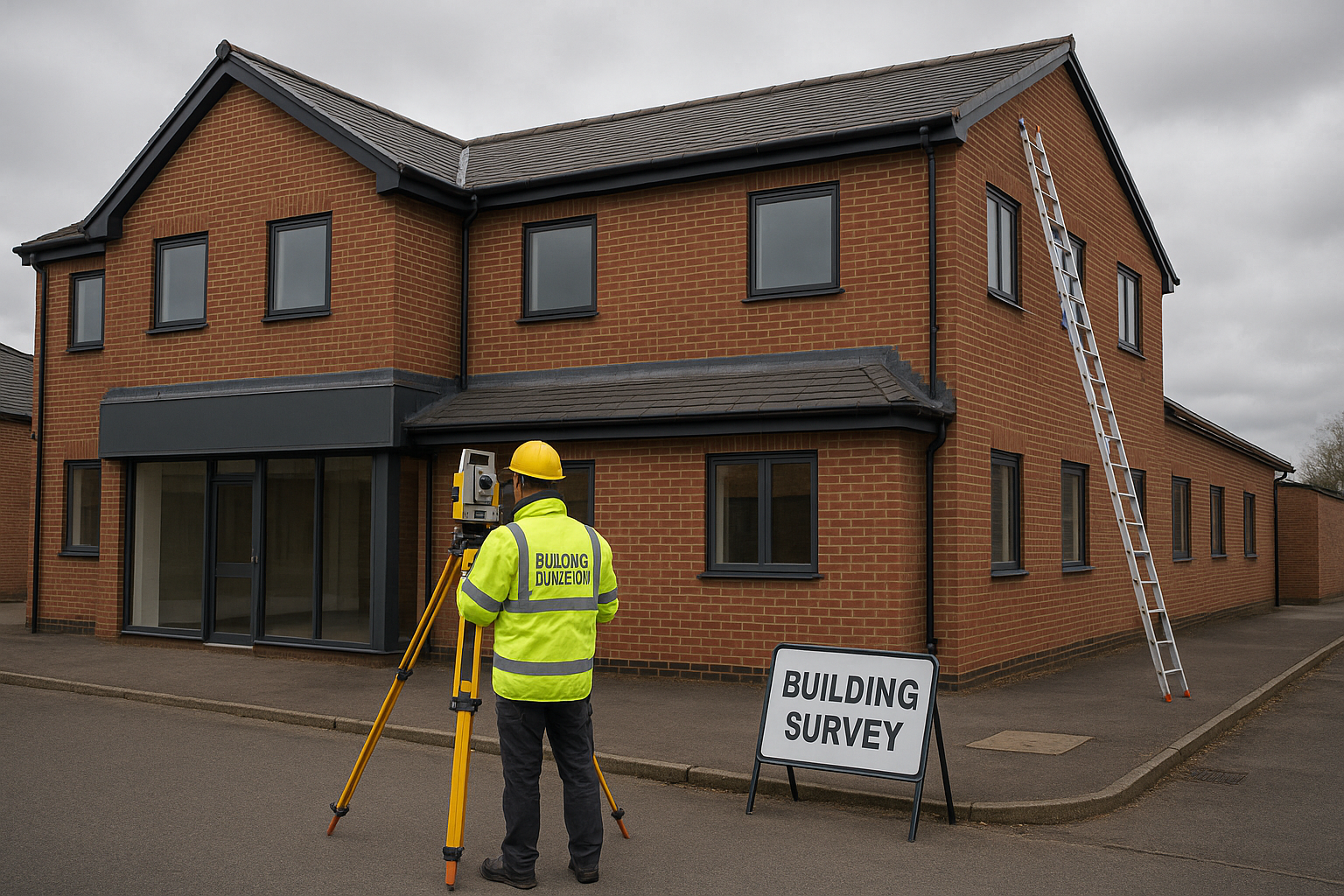
If you are responsible for a property and need clarity before maintenance or refurbishment, arranging a professional assessment is the practical next step. For occupied buildings, a management survey helps identify asbestos-containing materials that could be disturbed during normal use or routine maintenance.
How to recognise damaged asbestos
Damage is one of the clearest signs that asbestos may present a greater risk. If a suspect material is in poor condition, do not touch it, move it or try to clean it up yourself.
Look out for:
- Cracks, chips and broken edges
- Crumbling surfaces or loose debris
- Water staining, softness or delamination
- Frayed insulation around pipes
- Dust appearing after recent works
- Drill holes, saw cuts or impact damage
Damage does not always mean widespread contamination, but it does mean the area needs proper assessment. Restrict access and get competent advice before anyone goes back in.
When asbestos in the home is most likely to become dangerous
Asbestos usually presents the highest risk when it is disturbed. A material that has sat undisturbed for years can become hazardous very quickly once tools, impact or demolition are involved.
DIY and refurbishment work
Home improvements are one of the most common ways asbestos is accidentally disturbed. Drilling a ceiling, lifting old floor tiles, removing a boiler cupboard or chasing walls for new electrics can all release asbestos fibres if the wrong material is present.
Before intrusive work starts, arrange the right survey. If the project involves opening up the fabric of the building, a demolition survey is essential before strip-out or demolition and is also the appropriate approach for major refurbishment where hidden asbestos could be disturbed.
Day-to-day deterioration
Not every asbestos problem comes from planned building work. Age, leaks, vibration, repeated knocks and poor previous repairs can slowly degrade asbestos-containing materials over time.
This is especially relevant in lofts, garages, communal areas, meter cupboards and service voids. These are the places where asbestos is often forgotten until damage is already visible.
Maintenance by contractors
Electricians, plumbers, heating engineers and decorators can all disturb asbestos if they are not told what is present. If you manage a property, make sure survey information is shared before any contractor starts work.
That simple step can prevent accidental exposure, project delays and emergency call-outs.
Legal responsibilities for asbestos in residential property
Asbestos management in the UK is governed by the Control of Asbestos Regulations, supported by HSE guidance and survey standards such as HSG264. These set out how asbestos should be identified, assessed and managed.
For owner-occupiers in a private home, the legal position differs from that of a commercial dutyholder. Even so, the practical responsibility is straightforward: if asbestos is suspected, it should be managed safely and not disturbed recklessly.
For landlords, managing agents and those responsible for common parts of domestic premises, the duty to manage asbestos may apply. This often covers areas such as:
- Communal halls and stairwells
- Plant rooms and service risers
- Basements and meter cupboards
- External stores and bin areas
- Lift motor rooms and roof spaces
In practice, that usually means you need to:
- Identify whether asbestos is present
- Assess the risk based on condition and location
- Keep accurate records
- Share information with anyone who may disturb it
- Review the situation regularly
Where removal is necessary, the work must be carried out by properly trained and competent contractors. Some higher-risk asbestos work must only be done by a licensed contractor in line with HSE requirements.
What to do if you suspect asbestos in your home
If you think a material may contain asbestos, the safest move is to stop and assess the situation before doing anything else. Quick DIY decisions often make the problem worse.
Take these steps straight away:
- Stop work immediately if drilling, sanding, stripping or demolition is underway.
- Keep people away from the area, especially children and anyone with respiratory issues.
- Do not sweep, vacuum or wipe up debris.
- Do not break off samples yourself.
- Arrange professional surveying or sampling.
If asbestos is confirmed, the next step depends on the material, its condition and the likelihood of disturbance. In some cases, asbestos can be managed safely in place. In others, encapsulation, repair or removal is the better option.
What not to do
When people panic about asbestos, they often create more risk by trying to fix the issue themselves. Avoid these common mistakes:
- Using a household vacuum on suspect debris
- Sweeping dust into the air
- Bagging up broken material without guidance
- Continuing work to “just finish the job”
- Letting multiple people walk through the affected area
If there has been accidental disturbance of asbestos, isolate the area and get professional advice before any clean-up is attempted.
Surveying, sampling and professional asbestos assessment
A proper asbestos survey gives you clarity. It identifies suspect materials, assesses their condition and helps you decide what action is needed.
Survey work should follow HSG264 so the findings are clear, consistent and useful. That matters because vague reporting is not enough when contractors need to know exactly what they are dealing with.
If you manage property in the capital, booking an asbestos survey London service before works begin can prevent accidental disturbance. The same applies to regional portfolios, where older housing stock often contains hidden asbestos.
For sites in the North West, an asbestos survey Manchester can help you plan maintenance and refurbishment safely. In the Midlands, arranging an asbestos survey Birmingham is a practical way to avoid delays, rework and unnecessary risk.
Why sampling matters
Sampling confirms whether a suspect material contains asbestos. Without testing, decisions are often based on guesswork, and that can lead to either unnecessary alarm or unsafe assumptions.
Professional sampling should be carried out carefully to avoid releasing fibres. Once analysed, the results help determine whether the material can remain in place, needs repair or should be removed.
Should asbestos always be removed?
No. Asbestos does not always need to be removed. If asbestos is in good condition, sealed and unlikely to be disturbed, managing it in place is often the safer and more proportionate option.
Removal becomes more likely when:
- The asbestos is damaged or deteriorating
- Planned works will disturb it
- It is in a vulnerable location
- It cannot be effectively sealed or protected
- Its condition cannot be monitored reliably
Where removal is needed, use a specialist provider for asbestos removal so the work is planned, controlled and completed in line with HSE expectations. That includes suitable controls, correct waste handling and appropriate clearance arrangements where required.
Management in place versus removal
Property managers often assume asbestos is safest gone. In reality, removal is not automatically the best first step. Disturbing asbestos creates its own risks, so the right decision depends on evidence, condition and how the area is used.
Ask these practical questions:
- Is the asbestos sealed and stable?
- Can it be inspected regularly?
- Is anyone likely to drill, cut or damage it?
- Is refurbishment planned?
- Is the material in a high-traffic or vulnerable area?
If the answer points to likely disturbance, removal may be the sensible route. If not, recording, labelling where appropriate and monitoring may be enough.
Practical advice for homeowners, landlords and property managers
Good asbestos management is usually about planning rather than reacting. The most expensive asbestos problems often start with small assumptions, such as letting a contractor start work without survey information or treating old materials as harmless because they have “always been there”.
Use these practical steps to stay in control:
- Keep records of any known or suspected asbestos
- Review those records before maintenance works
- Tell contractors about asbestos before they start
- Check older communal areas for wear, leaks or impact damage
- Arrange surveys before refurbishment, strip-out or demolition
- Do not rely on visual guesses where asbestos is concerned
For landlords and managing agents, communication matters just as much as identification. If a contractor, caretaker or maintenance team does not know asbestos is present, they cannot work safely around it.
Warning signs that need faster action
Some situations call for immediate professional input rather than routine monitoring. Act quickly if:
- Debris has appeared after drilling or impact
- Pipe insulation is frayed or exposed
- A ceiling or wall coating has been heavily disturbed
- Water damage has softened suspect board or insulation
- Occupants report unauthorised building work in an older property
In these cases, stop access where possible and get competent advice before normal use resumes.
Common myths about asbestos in homes
If asbestos is present, the house is unsafe
Not necessarily. Many properties contain asbestos materials that remain stable and are managed safely for years. The risk depends on condition and disturbance, not presence alone.
If it looks like cement, it is harmless
No. Asbestos cement is generally lower risk than friable asbestos materials, but it can still release fibres if it is cut, broken, drilled or badly deteriorated.
You can tell if dust contains asbestos
No. Asbestos fibres are microscopic. Dust that looks ordinary may still contain asbestos, and clean-looking areas are not automatically safe.
DIY sampling is a quick way to save money
It can do the opposite. Breaking into suspect materials without controls can create contamination, increase clean-up costs and expose occupants unnecessarily.
Removal is always the best option
Not always. In some cases, leaving asbestos in place and managing it properly is the safer and more proportionate decision.
How to make safe decisions before any work starts
If you are planning maintenance, refurbishment or demolition in an older property, asbestos should be considered at the earliest stage. Leaving it until work has already started is when projects stall, costs rise and emergency decisions get made.
A simple process works best:
- Check whether the building age and history suggest asbestos may be present.
- Review any existing asbestos records or previous survey reports.
- Arrange the correct survey for the planned work.
- Share the findings with contractors before they attend site.
- Act on recommendations for management, repair or removal.
This approach protects occupants, keeps contractors informed and reduces the chance of unexpected asbestos disruption halfway through a job.
Why professional support matters
Asbestos decisions should be based on evidence, not guesswork. A competent surveyor can identify likely asbestos-containing materials, assess their condition and explain what action is proportionate.
That matters whether you manage one flat, a portfolio of rented homes or a mixed-use block with communal areas. Clear advice helps you avoid overreacting to low-risk materials while still dealing properly with damaged or high-risk asbestos.
If you need help with asbestos in a home, rental property or communal residential area, Supernova Asbestos Surveys can assist with surveying, sampling and removal planning across the UK. Call 020 4586 0680 or visit asbestos-surveys.org.uk to book the right asbestos service for your property.
Frequently Asked Questions
Is it safe to live in a house with asbestos?
It can be, provided the asbestos is in good condition, sealed and not being disturbed. The main risk comes when asbestos-containing materials are damaged, drilled, broken or allowed to deteriorate.
Should I remove asbestos from my home straight away?
Not always. Asbestos does not automatically need removal. If it is stable and unlikely to be disturbed, it may be safer to manage it in place and monitor its condition.
What should I do if I accidentally disturb asbestos?
Stop work immediately, keep people out of the area and avoid sweeping or vacuuming debris. Arrange professional advice as soon as possible so the area can be assessed properly.
Can I identify asbestos myself?
No. You cannot confirm asbestos just by looking at a material. Many products look similar, so professional sampling and analysis are needed for reliable identification.
Who is responsible for asbestos in communal areas of residential buildings?
Landlords, managing agents or those responsible for the common parts may have duties under the Control of Asbestos Regulations. That usually includes identifying asbestos, assessing risk, keeping records and sharing information with anyone who may disturb it.