One hidden mistake in a workshop can turn a routine job into a serious exposure incident. When people talk about automotive industry health and safety, they usually think about vehicle lifts, oils, batteries, welding and moving traffic. Yet asbestos still deserves close attention in older vehicles, imported parts, restoration work and the ageing buildings many automotive businesses occupy.
For garages, dealerships, body shops, fleet depots and property managers, asbestos is not just a legacy issue. It can still appear in friction materials, settled dust and older workshop fabric. Managing that risk properly is a practical part of automotive industry health and safety, and for non-domestic premises it also links directly to duties under the Control of Asbestos Regulations, supported by HSE guidance and survey standards in HSG264.
Why automotive industry health and safety still needs to address asbestos
Asbestos was widely used because it resisted heat, friction and chemical damage. Those same properties made it attractive in vehicle manufacturing and industrial construction for many years.
Although asbestos use is heavily restricted in the UK, the risk has not disappeared. Older vehicles remain in circulation, classic car restoration is still common, imported components may come with poor material records, and many workshops operate from older commercial units where asbestos-containing materials may still be present.
That means automotive industry health and safety cannot stop at obvious workshop hazards. If your team services older vehicles or works in older premises, asbestos should already be part of your risk planning.
Where asbestos may appear in vehicle-related work
Automotive settings create a particular problem because asbestos risk can come from both the vehicle and the building. On the vehicle side, the concern is usually older parts, historic contamination or components with unclear provenance.
Examples of suspect vehicle-related materials include:
- Brake linings and brake pads
- Clutch facings
- Gaskets and seals
- Heat shields
- Insulation around engines or exhaust systems
- Older friction materials
- Dust built up inside brake housings or on contaminated surfaces
The danger rises when these materials are drilled, sanded, cut, broken, brushed or cleaned with compressed air. Once fibres become airborne, they can be inhaled by the person doing the work and by anyone nearby.
Tasks that increase the risk
Some workshop habits create avoidable exposure. These are the jobs and shortcuts that need tighter control:
- Blowing out brake assemblies with compressed air
- Dry sweeping dust from workshop floors
- Brushing debris from components into open bins
- Breaking apart old gaskets without checking the material
- Sanding or machining suspect friction parts
- Handling imported parts with no technical paperwork
If any of these happen on site, your automotive industry health and safety procedures should be reviewed straight away.
Where asbestos may appear in the workshop building
Many dutyholders focus on vehicle parts and miss the bigger premises risk. In older garages, depots and industrial units, asbestos-containing materials can still be present in everyday building elements.
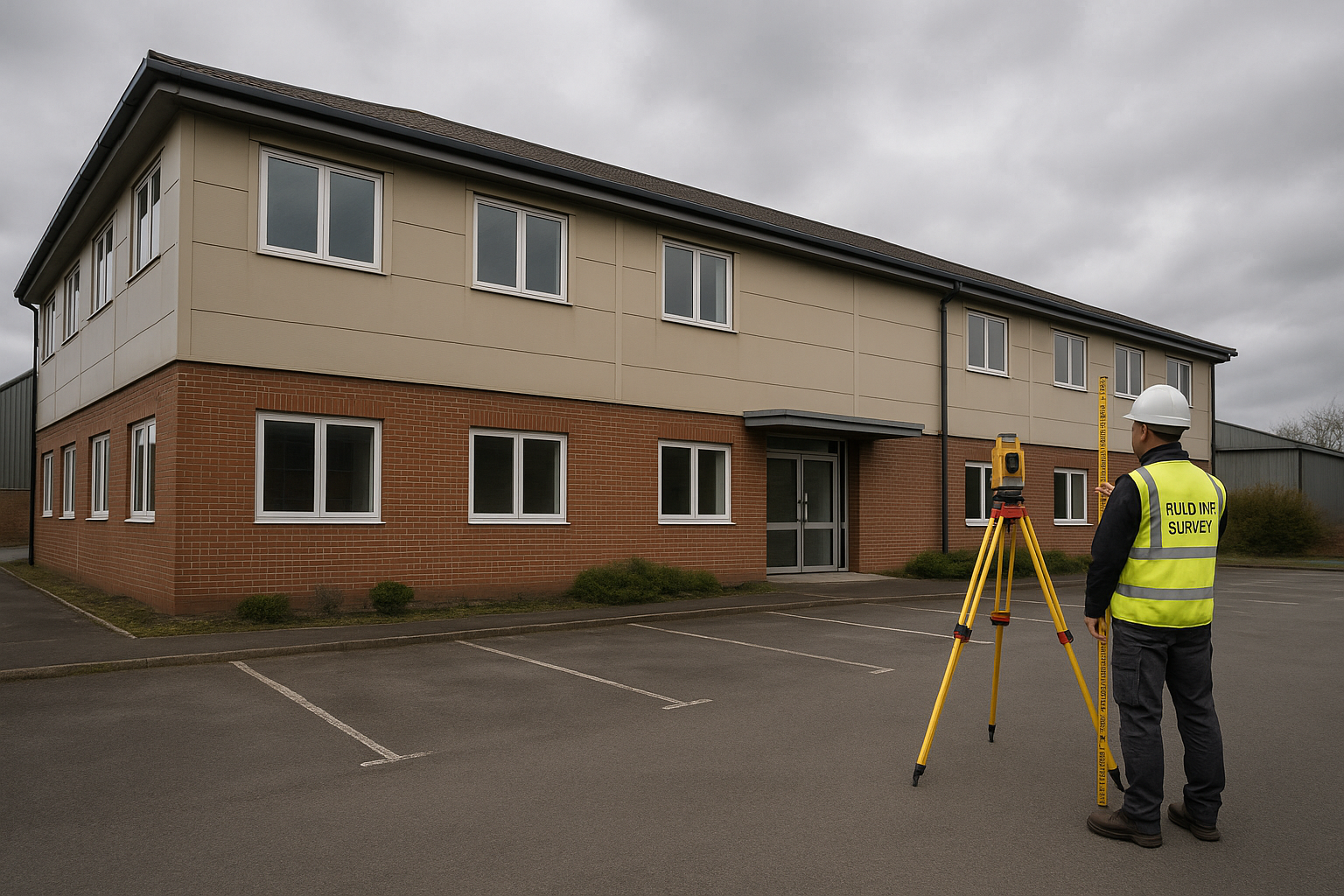
Common examples include:
- Asbestos insulating board in partitions, risers or service areas
- Ceiling tiles and backing panels
- Pipe lagging and plant insulation
- Textured coatings
- Floor tiles and adhesives
- Roof sheets and wall cladding
- Cement products in outbuildings, stores and yards
This matters because building-related asbestos is often disturbed during normal maintenance. A contractor fixing lighting, installing extraction, replacing signage or drilling through a partition can release fibres if asbestos information is missing or out of date.
For many sites, the starting point is a current management survey so routine occupation and maintenance can be planned with reliable asbestos information in place.
Common asbestos risk scenarios in automotive settings
In practice, asbestos concerns in automotive industry health and safety usually show up in a handful of predictable situations. If any of these sound familiar, it is worth tightening controls now rather than after an incident.
- Classic car restoration and specialist vehicle work
- Servicing older vehicles with original parts still fitted
- Importing low-cost components with unclear documentation
- Breaker’s yards and salvage operations
- Workshop refurbishment or fit-out projects
- Maintenance in older garages, depots and showrooms
- Roofing, electrical or extraction upgrades in ageing industrial units
- Landlord works in shared commercial premises
A simple example is brake work on an older vehicle. If a technician uses compressed air to clear dust from a brake assembly, fibres can spread across the bay and settle on tools, clothing and nearby surfaces.
Another common example is building maintenance. A contractor drilling into a ceiling void, service riser or partition wall without checking asbestos records can contaminate the work area within minutes.
Health risks linked to asbestos exposure
Asbestos fibres are dangerous because they are small enough to be inhaled deep into the lungs. Exposure does not usually cause immediate symptoms, which is one reason the hazard is underestimated in busy workshop environments.
Poor asbestos control weakens automotive industry health and safety because workers may feel fine after an exposure event. The harm may only become apparent much later, long after the task has been forgotten.
Who may be at risk
- Mechanics and vehicle technicians
- Brake and clutch specialists
- Restoration teams
- MOT and inspection staff
- Cleaners working in contaminated bays
- Maintenance contractors
- Electricians, plumbers and fit-out teams
- Workshop managers and supervisors
- Property managers arranging works
Even short tasks can create risk if suspect materials are disturbed in the wrong way. Dry sweeping, brushing dust into bags or using the wrong vacuum can spread fibres much further than expected.
Long-term health effects
Exposure to asbestos is associated with serious diseases including mesothelioma, asbestos-related lung cancer, asbestosis and pleural thickening. These conditions can take decades to develop.
That delay is exactly why strong automotive industry health and safety procedures matter. You are not just preventing today’s disruption. You are reducing the chance of long-term harm to staff, contractors and anyone else on site.
Legal duties for automotive premises and dutyholders
If you are responsible for a non-domestic property such as a garage, workshop, dealership, depot, warehouse or vehicle storage site, you may be the dutyholder under the Control of Asbestos Regulations. The duty to manage applies to those who own, occupy, maintain or control the premises, depending on lease and management arrangements.
In practical terms, this means taking reasonable steps to find out whether asbestos is present, assessing the risk, and making sure information is available to anyone who could disturb it. HSE guidance is clear on the need for suitable asbestos information, effective communication and proportionate management arrangements.
What dutyholders should do
- Identify whether asbestos-containing materials may be present.
- Arrange an appropriate asbestos survey where information is missing or unreliable.
- Keep an asbestos register up to date.
- Assess the likelihood of disturbance during normal operations.
- Share asbestos information with staff, contractors and visiting trades.
- Put a management plan in place and review it regularly.
- Reassess before refurbishment, strip-out or demolition work.
If intrusive works are planned, a management survey may not be enough. Hidden materials behind walls, ceilings, risers and plant areas may need to be identified before work starts.
This is where many automotive businesses slip into risk. A workshop may be operating safely day to day, but the moment someone starts drilling for a new ramp, installing extraction, replacing lighting or altering partitions, the asbestos risk changes.
Vehicle parts risk versus premises risk
One point often missed in automotive industry health and safety is that asbestos law in the UK usually affects the premises as much as the vehicle work. A site may have careful procedures for suspect brake components but no reliable asbestos register for the building.
That gap matters. Premises-related asbestos can be disturbed by routine maintenance, electrical work, HVAC upgrades, plumbing repairs, signage installation or landlord-led refurbishments.
Property managers should treat both sides of the risk seriously:
- Vehicle-related risk from legacy parts, dust and restoration work
- Building-related risk from older asbestos-containing materials in the workshop, showroom or depot
If asbestos information is missing or outdated in the capital, arranging an asbestos survey London service before maintenance or fit-out work can prevent delays and accidental disturbance.
Warning signs your controls may not be strong enough
Asbestos cannot be confirmed by sight alone, but certain conditions should trigger caution. If any of these are part of daily operations, your automotive industry health and safety arrangements may need tightening.
- Older vehicles arriving with original brake or clutch assemblies
- Imported parts with no technical documentation
- Heavy dust inside brake housings or around legacy components
- Stores containing obsolete stock with poor labelling
- Refurbishment in older industrial units
- Damaged insulation board, pipe coverings or ceiling panels
- Contractors starting work before reviewing asbestos information
- No clear stop-work procedure for suspect materials
- Outdated survey information for the building
- No named person responsible for asbestos records
If there is doubt, pause the task. Guesswork is not a control measure, and neither is relying on experience alone.
Practical controls that improve automotive industry health and safety
The best asbestos controls are usually straightforward. They sit inside normal workshop routines, contractor management and maintenance planning. If asbestos is only discussed after something has gone wrong, the system is too weak.
Day-to-day workshop controls
- Do not use compressed air on suspect brake or clutch dust.
- Do not dry sweep debris that may contain asbestos.
- Use suitable controlled cleaning methods.
- Isolate the area if suspect materials are damaged.
- Stop work immediately where asbestos is suspected.
- Report concerns to a supervisor without delay.
- Keep unnecessary people away from the area.
- Use competent specialists for sampling, surveying or remedial advice.
These are simple measures, but they make a real difference. They reduce the chance of fibres becoming airborne and spreading across the workplace.
Controls for managers and supervisors
- Make asbestos information easy to find.
- Brief contractors before any maintenance task starts.
- Check whether work is intrusive before approving it.
- Review procurement controls for legacy or imported parts.
- Record incidents, near misses and stop-work events.
- Refresh training when roles or site conditions change.
- Check that cleaning arrangements are suitable for suspect dust.
- Review survey information after alterations to the building.
Good automotive industry health and safety depends on clear decisions at management level. Technicians cannot work safely if the site has poor information, weak procedures or unclear responsibilities.
Safer materials and smarter procurement
The automotive sector has moved towards asbestos-free alternatives for many years. That supports better automotive industry health and safety, but it does not remove the legacy problem. Older stock, historic vehicles and imported components can still reintroduce asbestos into the workplace.
Procurement therefore matters more than many businesses realise. Buying on price alone is risky when the material history is unclear.
Common asbestos-free alternatives
- Ceramic fibres
- Aramid fibres
- Fibreglass
- Mineral fibres
- Cellulose-based materials
- Advanced resins and heat-resistant composites
The practical point is not to become a materials specialist. It is to buy carefully, check documentation and avoid assumptions based on appearance or supplier claims alone.
Questions to ask suppliers
- Is the part confirmed asbestos-free?
- Can you provide technical documentation?
- Is the product traceable to a compliant manufacturer?
- Are there any handling restrictions during fitting or removal?
- Does the packaging and product information match the specification supplied?
These checks should sit alongside wider automotive industry health and safety controls, especially for businesses maintaining mixed-age fleets, specialist vehicles or imported stock.
Training, awareness and competent asbestos management
Training is one of the most effective ways to strengthen automotive industry health and safety. Staff do not need to become asbestos surveyors, but they do need to understand when asbestos may be present, what activities increase the risk, and when to stop work.
Awareness is especially relevant for workshop supervisors, maintenance teams, cleaners, facilities staff and anyone coordinating contractors.
What asbestos awareness training should cover
- Where asbestos may be found in older buildings
- Where it may appear in vehicle-related materials
- The health effects of exposure
- How fibres are released
- Emergency procedures if suspect materials are disturbed
- Who concerns should be reported to
- Why only competent people should sample or remove asbestos
Training should match the role. A property manager needs to understand dutyholder responsibilities and contractor communication. A technician needs to know how to recognise suspect situations and stop work safely.
If your site includes older industrial property in the North West, booking an asbestos survey Manchester service before planned works can help you brief contractors properly and avoid preventable disruption.
What to do before maintenance, fit-out or refurbishment
Routine operations and project work are not the same thing. A workshop that is safe for day-to-day use can become high risk once intrusive work starts.
Before any fit-out, strip-out or refurbishment, ask these questions:
- Do we have current asbestos information for the affected area?
- Does the planned work involve drilling, cutting, lifting ceilings or opening voids?
- Have contractors seen the asbestos register and relevant survey information?
- Is a more intrusive survey needed before work starts?
- Who has authority to stop the job if suspect materials are found?
This is where planning saves time. Delays, contamination and emergency call-outs are far more disruptive than arranging the right survey before the first tool comes out.
For premises in the Midlands, an asbestos survey Birmingham can provide the information needed before workshop upgrades, service installations or property alterations begin.
Emergency response if asbestos is suspected
Even well-run sites can face unexpected discoveries. The key is to respond quickly and calmly.
Immediate steps to take
- Stop work at once.
- Keep people away from the area.
- Do not sweep, brush or vacuum the debris unless the equipment and method are appropriate.
- Prevent further disturbance.
- Report the issue to the responsible manager or dutyholder.
- Arrange competent advice, sampling or surveying as needed.
The biggest mistake is trying to tidy up first and investigate later. That can spread contamination and make the situation harder to manage.
Building a stronger asbestos strategy for automotive sites
Good automotive industry health and safety is built on systems, not assumptions. If asbestos risk is managed properly, it becomes part of normal operational control rather than a last-minute panic.
A sensible asbestos strategy for an automotive site should include:
- Clear dutyholder responsibilities
- Up-to-date survey information
- An accessible asbestos register
- Contractor briefing procedures
- Stop-work rules for suspect materials
- Role-specific asbestos awareness training
- Procurement checks for older or imported parts
- Regular review after maintenance, damage or layout changes
That approach protects people, supports legal compliance and helps avoid costly disruption to operations.
Frequently Asked Questions
Can asbestos still be found in automotive work?
Yes. It may still be present in older vehicles, restoration projects, imported components with poor documentation and historic dust contamination. It can also be present in the buildings used for automotive work, especially older workshops and depots.
Who is responsible for managing asbestos in a garage or workshop?
Responsibility usually sits with the dutyholder for the non-domestic premises. That may be the owner, landlord, tenant, managing agent or another party with control over maintenance and repair obligations. The exact position depends on the lease and management arrangements.
Is a management survey enough for all automotive premises?
No. A management survey is designed to help manage asbestos during normal occupation and routine maintenance. If refurbishment, intrusive maintenance or strip-out work is planned, a more intrusive survey may be required before work starts.
What should staff do if they suspect asbestos during a job?
They should stop work immediately, keep others away from the area, avoid disturbing the material further and report it to the responsible manager. Competent advice should then be obtained before the task continues.
How can Supernova help automotive businesses?
Supernova Asbestos Surveys provides asbestos surveys for garages, workshops, depots, dealerships and other commercial premises across the UK. If you need clear asbestos information before maintenance, refurbishment or day-to-day occupation, call 020 4586 0680 or visit asbestos-surveys.org.uk to arrange the right survey for your site.