Why Asbestos Surveys for Education Settings Are Non-Negotiable
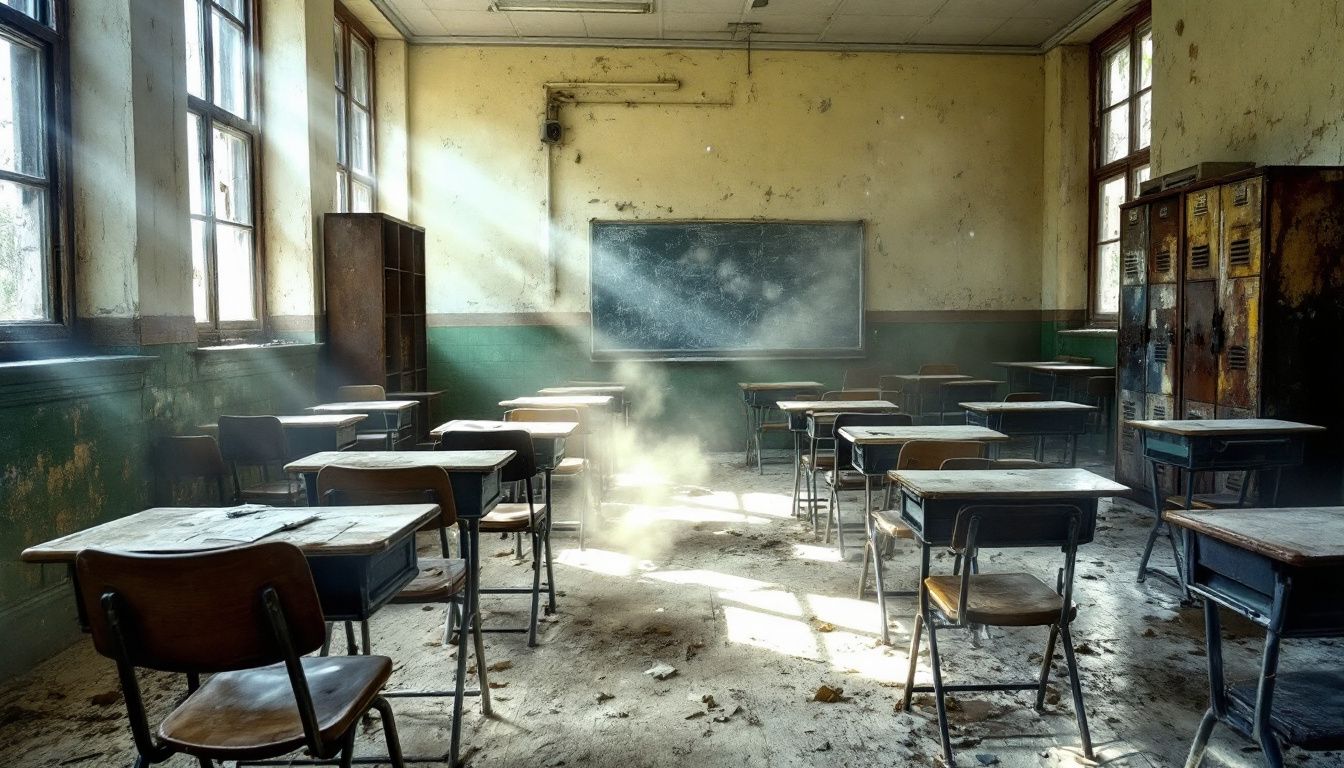
Walk into almost any school built before 2000 and there is a reasonable chance asbestos is present somewhere in the fabric of that building. Asbestos surveys for education settings are not a bureaucratic box-ticking exercise — they are the frontline defence between children, teachers, and some of the most serious occupational diseases known to medicine.
The UK banned the use of all asbestos in construction in 1999, but the legacy of its widespread use remains embedded in thousands of schools, colleges, and universities across the country. Understanding which surveys are required, when to carry them out, and what to do with the results is essential knowledge for anyone responsible for managing an educational building.
The Scale of the Asbestos Problem in UK Schools
The presence of asbestos in UK schools is not a fringe concern. A significant proportion of school buildings in England were constructed during the post-war building boom of the 1950s through to the 1980s — precisely the era when asbestos use was at its peak.
Asbestos was used extensively because it was cheap, durable, and highly effective as both an insulator and a fire-retardant material. It was incorporated into ceiling tiles, floor tiles, pipe lagging, boiler rooms, roof panels, artex coatings, and cavity wall insulation. In short, it was everywhere.
Children are considered a particularly vulnerable group when it comes to asbestos exposure. Their lungs are still developing, they breathe at a faster rate than adults, and they spend a large proportion of their day in the same building — often for many years running.
The latency period for asbestos-related diseases such as mesothelioma can be several decades, meaning exposure during childhood may not manifest as illness until adulthood. That long gap between exposure and diagnosis is precisely why proactive management matters so much.
Legal Duties: What the Regulations Require
The Control of Asbestos Regulations place a clear legal duty on those who manage non-domestic premises — and schools fall squarely within that definition. The duty to manage asbestos applies to the person or organisation responsible for maintaining or repairing the building, which in most cases means the school’s governing body, the local authority, or a multi-academy trust.
The core obligations under the regulations include:
- Identifying whether asbestos-containing materials (ACMs) are present in the building
- Assessing the condition and risk of any ACMs found
- Producing and maintaining an asbestos register
- Creating an asbestos management plan and keeping it up to date
- Ensuring that anyone who may disturb ACMs is informed of their location and condition
- Reviewing and monitoring the plan regularly
The HSE’s guidance document HSG264 sets out the technical standards for how asbestos surveys should be carried out. It defines the different survey types and specifies the qualifications required of surveyors. Compliance with HSG264 is not optional — it is the benchmark against which any survey will be judged.
The Department for Education has also published specific guidance on the management of asbestos in school buildings, reinforcing the message that schools must take a proactive and documented approach to asbestos risk management.
Types of Asbestos Surveys Used in Educational Buildings
Not every situation calls for the same type of survey. Understanding which survey is appropriate for your school or college is a critical first step — getting this wrong can leave you legally exposed and, more importantly, put people at risk.
Management Surveys
A management survey is the standard survey for occupied buildings and is the type most commonly required in schools that are in normal day-to-day use. Its purpose is to locate ACMs that could be disturbed during routine activities — maintenance work, minor repairs, or even the accidental damage caused by everyday use.
The surveyor will inspect all accessible areas of the building, take samples of suspect materials for laboratory analysis, and produce a detailed report. This report forms the basis of your asbestos register.
A management survey does not require destructive inspection techniques, and the building can remain in use throughout. Management surveys should be repeated periodically, and the asbestos register should be reviewed at least annually or whenever the building’s condition or use changes significantly.
Refurbishment Surveys
If a school is planning any refurbishment work — even something as seemingly minor as replacing a suspended ceiling or upgrading pipework — a refurbishment survey must be carried out in the affected area before work begins. This type of survey is far more intrusive than a management survey, with surveyors accessing voids, lifting floor coverings, breaking into walls, and inspecting areas that would not be examined during a routine inspection.
The building or affected area must be vacated before this work takes place. Failing to commission a refurbishment survey before work starts is one of the most common ways asbestos fibres are inadvertently released in schools — putting contractors, teachers, and pupils at serious risk.
Demolition Surveys
Where a building or part of a building is to be demolished, a demolition survey is required. This is the most thorough and intrusive survey type, designed to locate every ACM in the structure before demolition work begins.
Demolition surveys must be completed before any demolition contractor sets foot on site. Without this survey, demolition work risks releasing large quantities of asbestos fibres into the surrounding environment — a serious risk to workers, neighbouring properties, and the wider community.
What Happens During an Asbestos Survey in a School?
A professional asbestos survey in an educational setting follows a structured process. Knowing what to expect helps school business managers and facilities teams prepare properly and minimise disruption to the school day.
- Pre-survey planning: The surveyor will review any existing asbestos records, building plans, and previous survey reports. They will agree access arrangements with the school to minimise disruption to lessons.
- Site inspection: A UKAS-accredited surveyor will systematically work through the building, visually inspecting materials and identifying anything that may contain asbestos based on its appearance, location, and age.
- Sampling: Small samples of suspect materials are taken using controlled techniques to minimise fibre release. Samples are sealed and sent to an accredited laboratory for analysis.
- Risk assessment: Each identified ACM is assessed for its condition, accessibility, and the likelihood of disturbance. This produces a risk score that informs your management plan.
- Report and register: The surveyor produces a detailed written report, including an asbestos register, photographic evidence, and clear recommendations for management or remediation.
Experienced surveyors who work regularly in schools understand the need to work around the school day and minimise any impact on pupils and staff. Safeguarding requirements, restricted access to certain areas, and the need to avoid disrupting examinations or timetabled lessons are all part of the job when you choose a surveyor with genuine educational sector experience.
Managing Asbestos in Schools: Beyond the Survey
Carrying out the survey is only the beginning. What you do with the results is what actually keeps people safe.
The Asbestos Register and Management Plan
Every school with identified ACMs must maintain an up-to-date asbestos register. This document records the location, type, condition, and risk rating of every ACM in the building. It must be readily accessible to anyone who needs it — including maintenance contractors, cleaning staff, and the local fire service.
The management plan sets out how each ACM will be managed going forward. For materials in good condition that are unlikely to be disturbed, the plan may simply require regular monitoring. For materials in poor condition or in areas of high activity, more active intervention may be necessary.
Both documents are living records. They must be reviewed and updated regularly — not filed away and forgotten.
Asbestos Awareness Training
All staff who could potentially disturb ACMs during their work must receive asbestos awareness training. In a school context, this includes caretakers, site managers, and any maintenance staff employed directly by the school.
Contractors working on site must also be made aware of the asbestos register before starting any work. Training should cover what asbestos is, where it is likely to be found, how to recognise potential ACMs, and — critically — what to do if they suspect they have encountered asbestos during work.
When Removal Is the Right Answer
Not all asbestos needs to be removed. In many cases, ACMs in good condition are best left in place and managed. However, there are circumstances where asbestos removal is the most appropriate course of action — for example, when materials are deteriorating, when planned refurbishment makes disturbance unavoidable, or when the material poses an unacceptable ongoing risk.
Removal must only be carried out by a licensed asbestos contractor. This is not a job for the school’s own maintenance team. Licensed contractors are trained and equipped to remove ACMs safely, and they are subject to strict regulatory oversight.
The Consequences of Getting It Wrong
The consequences of failing to manage asbestos properly in a school are severe — for the people in the building and for the organisation responsible for it.
From a health perspective, the risks are well established. Asbestosis, lung cancer, and mesothelioma are all linked to asbestos exposure. Mesothelioma in particular is almost exclusively caused by asbestos and carries a very poor prognosis. These are not theoretical risks — they are documented outcomes that have affected school staff and, in some cases, former pupils.
From a legal and financial perspective, the duty holder who fails to comply with the Control of Asbestos Regulations faces enforcement action from the HSE, which can include improvement notices, prohibition notices, and prosecution. Fines and reputational damage can be substantial.
The cost of carrying out regular, properly structured asbestos surveys for education settings is modest compared to the cost of emergency remediation, legal proceedings, or — most importantly — the human cost of preventable disease.
Choosing the Right Asbestos Surveyor for Your School
Not all asbestos surveyors are equal. When commissioning asbestos surveys for education settings, there are several criteria that should be non-negotiable.
- UKAS accreditation: The surveying company should hold UKAS accreditation for asbestos surveying. This is the recognised mark of competence in the UK and confirms that the organisation meets the standards set out in HSG264.
- Experience in educational settings: Schools present specific challenges — occupied buildings, restricted access, safeguarding requirements. Choose a surveyor who has demonstrable experience working in schools and understands those challenges.
- Clear, usable reports: The survey report is only valuable if the people responsible for the building can understand and act on it. Reports should be clear, well-structured, and include practical recommendations.
- Accredited laboratory analysis: Samples should be analysed by a UKAS-accredited laboratory. This ensures the accuracy of results and the legal defensibility of the survey.
Supernova Asbestos Surveys operates nationally, with dedicated teams covering major cities and regions. Whether you need an asbestos survey London schools and college trusts rely on, an asbestos survey Manchester multi-academy trusts commission with confidence, or an asbestos survey Birmingham local authority estates depend on, our UKAS-accredited surveyors bring the expertise and sector knowledge your setting demands.
Practical Steps for School Business Managers and Facilities Teams
If you are responsible for an educational building and are unsure where to start, the following steps will help you establish a compliant and effective asbestos management approach.
- Check whether a current asbestos survey exists. If the building was constructed before 2000 and no survey has been carried out, one is overdue. If a survey exists but is more than a few years old, review whether it remains current and accurate.
- Confirm the survey type matches your needs. A management survey is the baseline requirement for an occupied school. If refurbishment or demolition work is planned, a more intrusive survey is required for the affected areas.
- Review the asbestos register and management plan. Are they up to date? Do they reflect the current condition of the building? Has any work been carried out that could have affected ACMs since the last survey?
- Ensure contractors are briefed before starting work. Every contractor working on the building must be shown the asbestos register before beginning any activity that could disturb materials. This is a legal requirement, not a courtesy.
- Schedule regular monitoring visits. ACMs in good condition can deteriorate over time. Regular monitoring — typically annual — allows you to catch changes before they become emergencies.
- Keep training records up to date. Any directly employed staff who could encounter ACMs during their work must have completed asbestos awareness training. Keep records of who has been trained and when.
None of these steps are complicated, but all of them require consistent attention. The schools that manage asbestos risk most effectively are those that treat it as an ongoing responsibility rather than a one-off task.
Frequently Asked Questions
Are all schools legally required to have an asbestos survey?
Any school building that was constructed or refurbished before 2000 should have an asbestos survey carried out. The Control of Asbestos Regulations place a duty on those responsible for managing non-domestic premises — which includes schools — to identify whether asbestos-containing materials are present. If the building was built after 2000, asbestos is very unlikely to be present, but the duty holder should still be able to demonstrate this. There is no blanket exemption for newer buildings without documentary evidence.
How often should asbestos surveys be repeated in schools?
A management survey should be reviewed at least annually, and the asbestos register updated whenever there is a change in the building’s condition or use. A full resurvey may be needed if significant time has passed since the original survey, if refurbishment work has taken place, or if the condition of known ACMs has changed. There is no single fixed interval — the frequency should be determined by the risk profile of the building and the recommendation of your surveyor.
Can a school remain open during an asbestos survey?
In most cases, yes. A management survey is designed to be carried out in occupied buildings and uses non-destructive inspection techniques. An experienced surveyor will work with the school to agree access arrangements that minimise disruption to lessons. Refurbishment surveys are more intrusive and require the affected area to be vacated, but this can usually be managed without closing the whole school.
Who is responsible for managing asbestos in a school?
The legal duty to manage asbestos falls on the person or organisation responsible for maintaining the building. In practice, this means the governing body, the local authority, or the multi-academy trust — depending on the school’s structure. The duty cannot be delegated away entirely, even if day-to-day management is handled by a facilities manager or site team. Governors and trustees should satisfy themselves that proper arrangements are in place.
What should a school do if asbestos is accidentally disturbed?
If asbestos is accidentally disturbed, the area should be evacuated immediately and access restricted. Do not attempt to clean up the material using a domestic vacuum or brush — this will spread fibres. Contact a licensed asbestos contractor to carry out an emergency assessment and, if necessary, decontamination. Report the incident to the HSE if it constitutes a notifiable event under the relevant regulations. Document everything and review how the disturbance occurred to prevent recurrence.
Get Expert Asbestos Surveys for Education Settings
Supernova Asbestos Surveys has completed over 50,000 surveys nationwide and works regularly with schools, colleges, multi-academy trusts, and local authorities. Our UKAS-accredited surveyors understand the specific demands of educational environments — from safeguarding protocols to working around the school timetable.
If you need a management survey, a refurbishment survey ahead of building works, or advice on your existing asbestos register and management plan, our team is ready to help. Call us on 020 4586 0680 or visit asbestos-surveys.org.uk to request a quote or find out more about our services for educational settings.